This website uses cookies to improve your experience. We\'ll assume you\'re ok with this, but you can opt-out if you wish. Read More
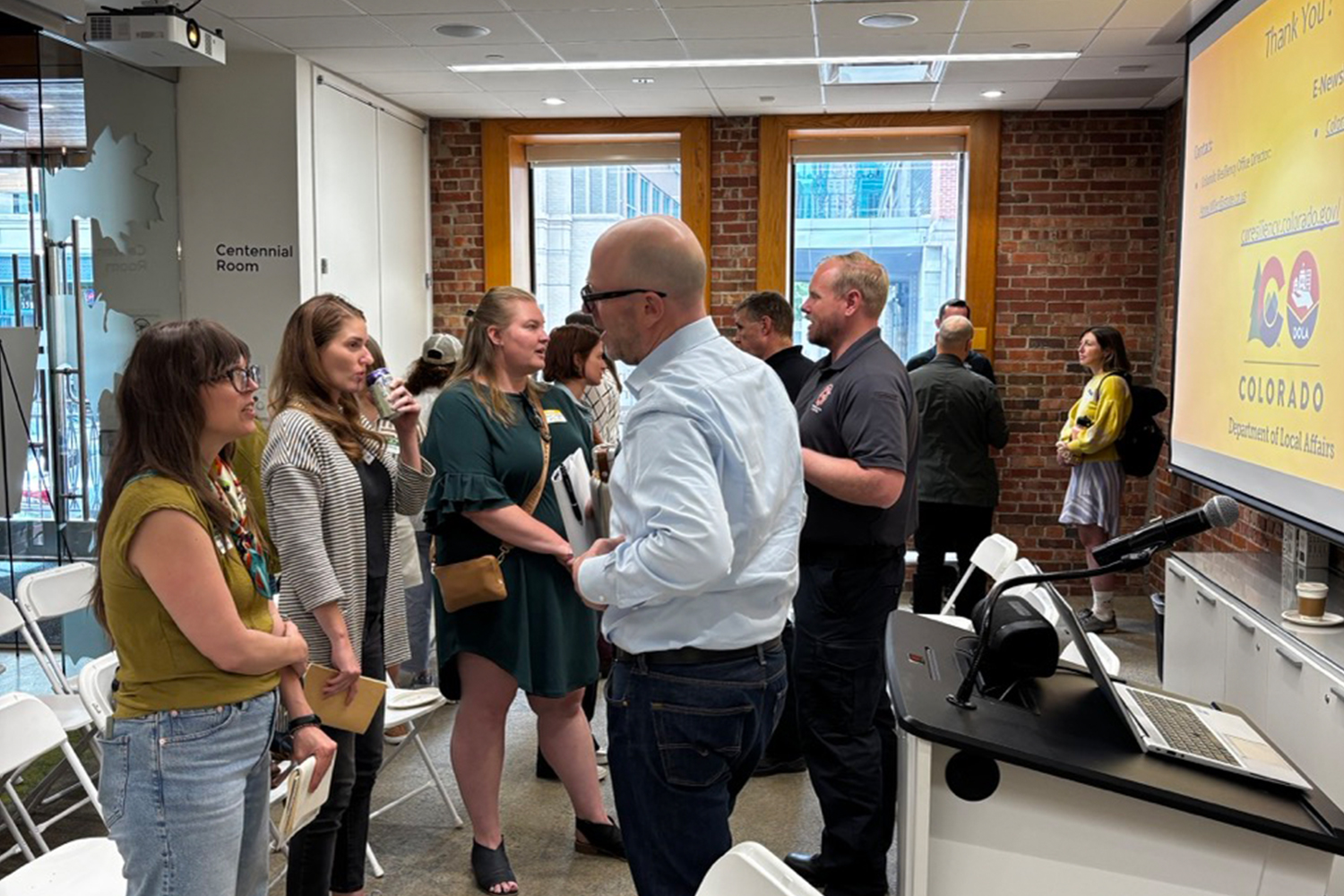
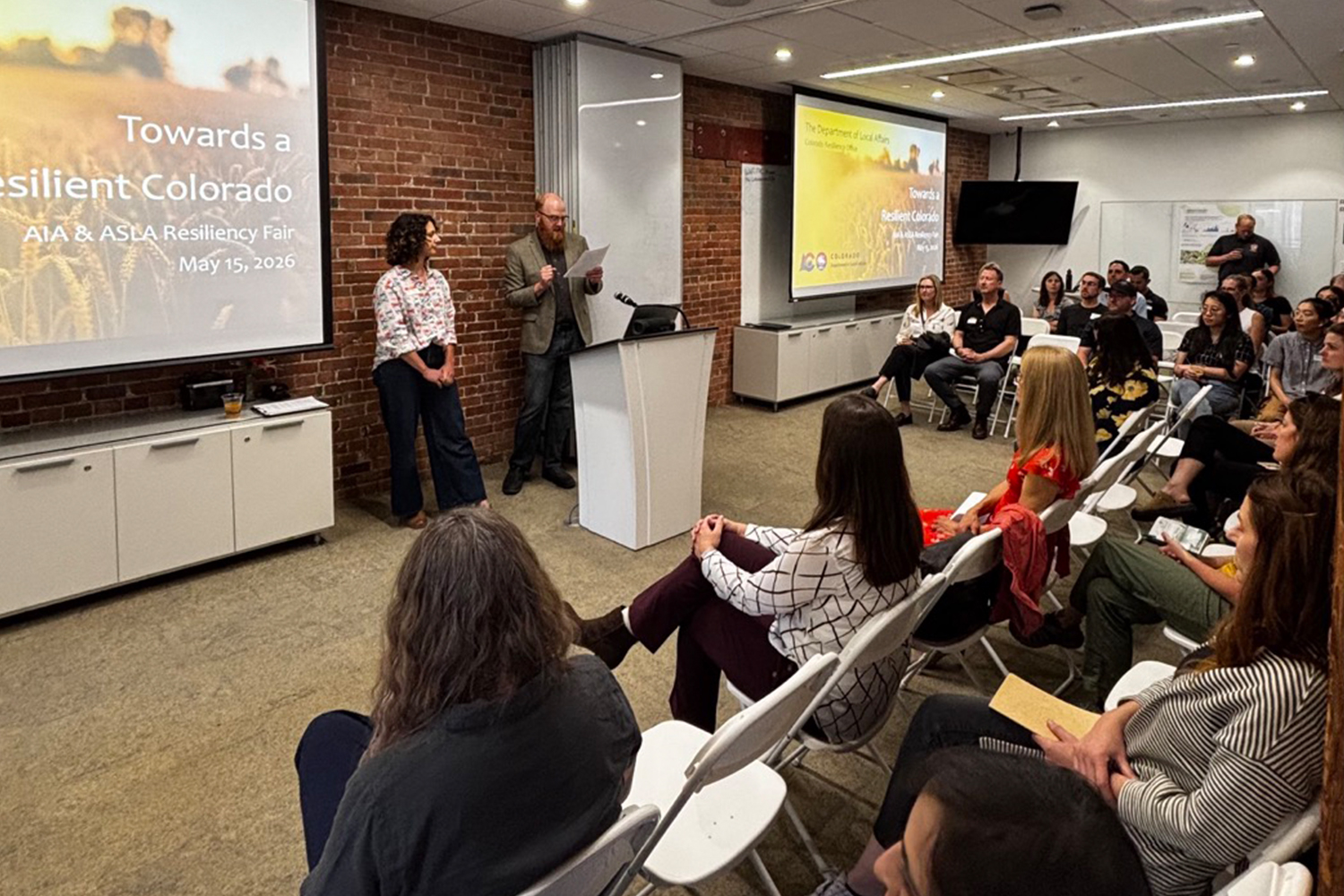
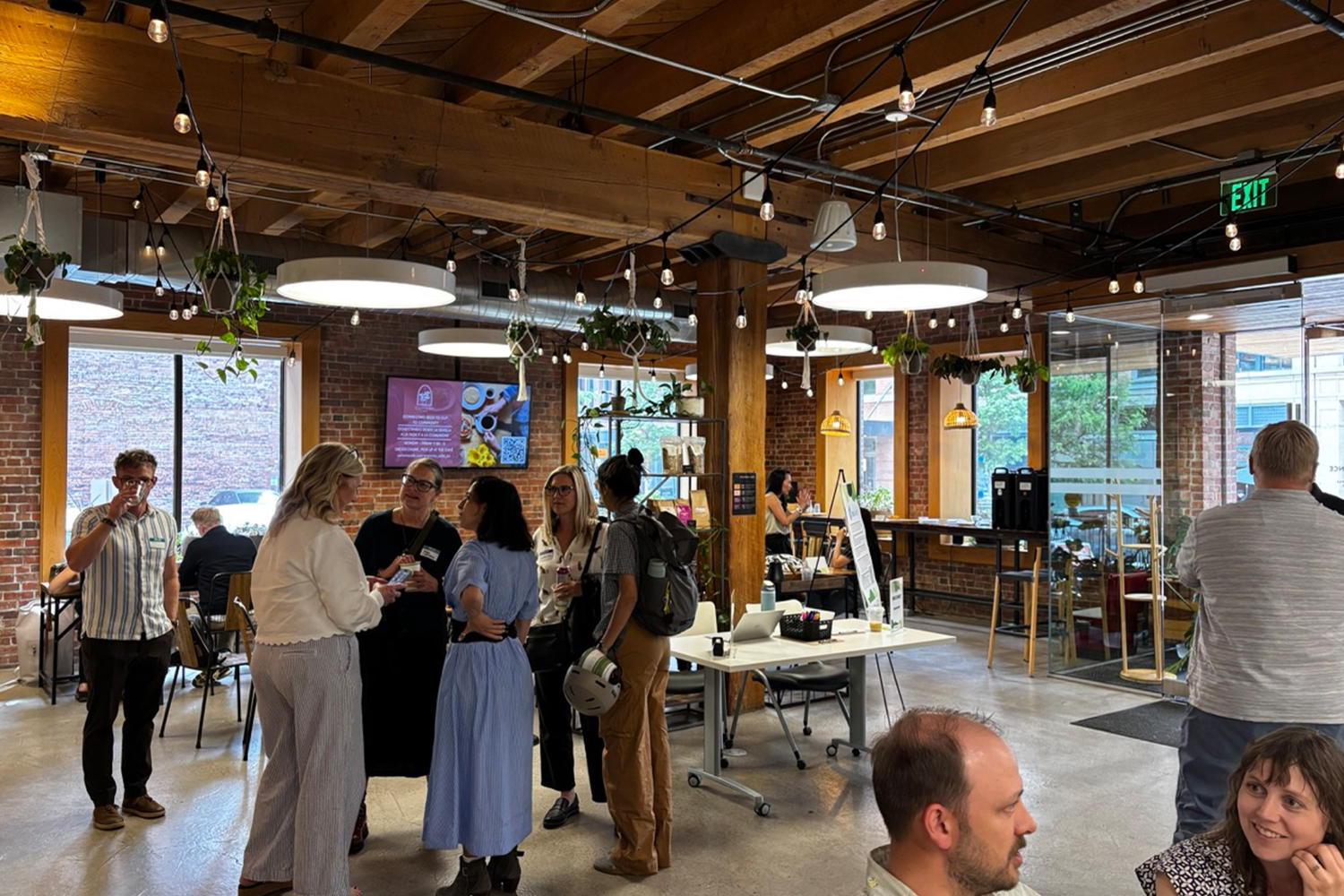
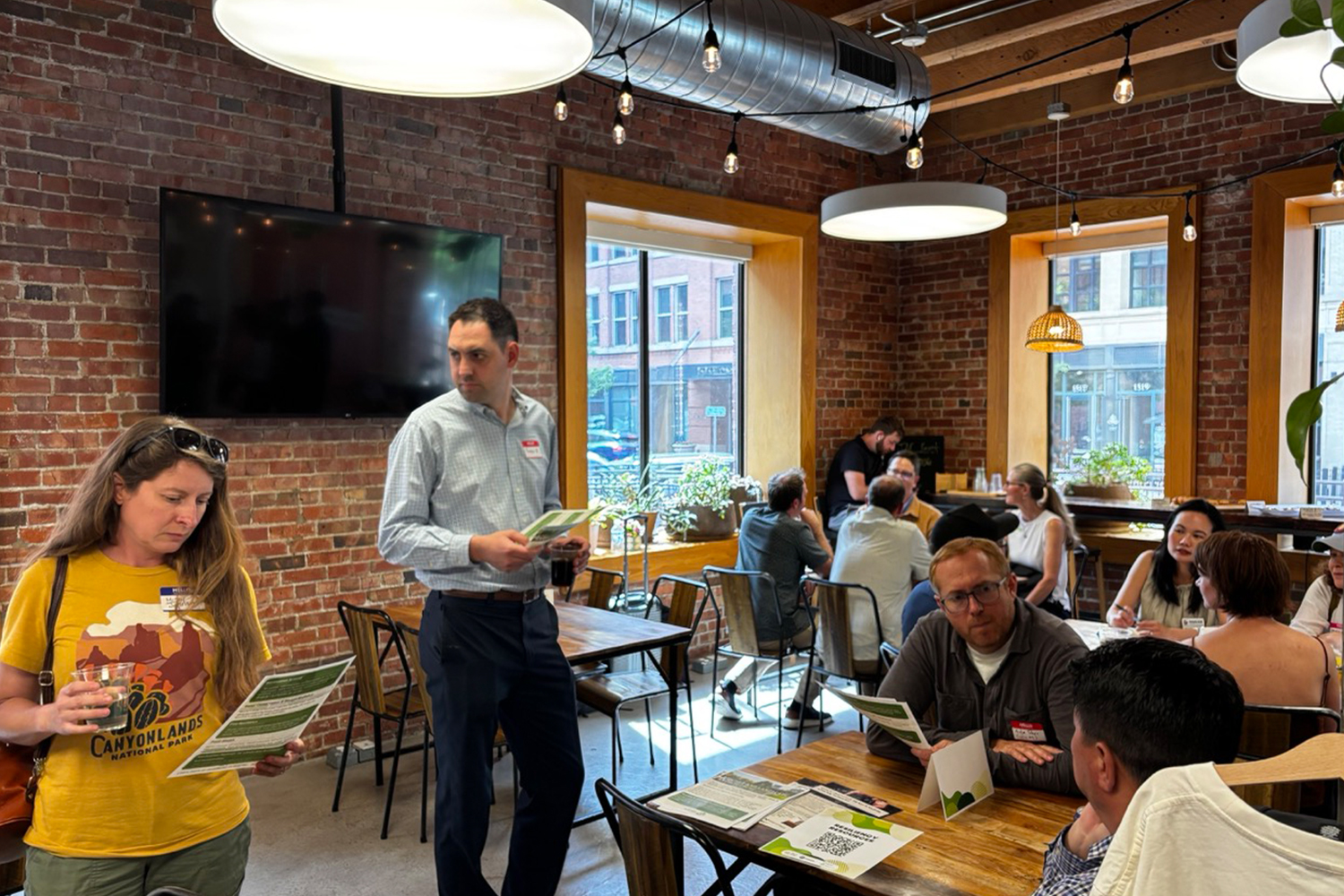
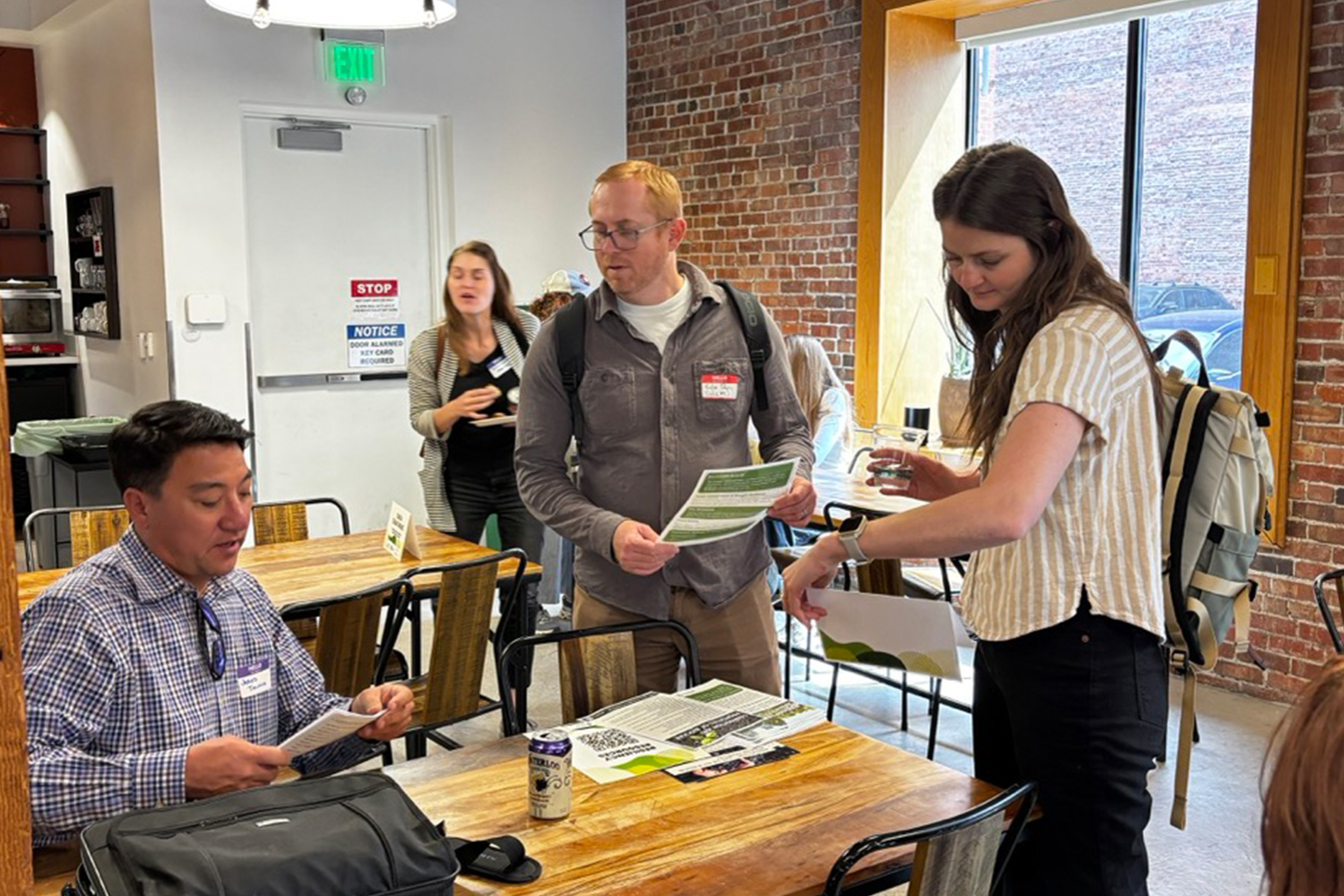
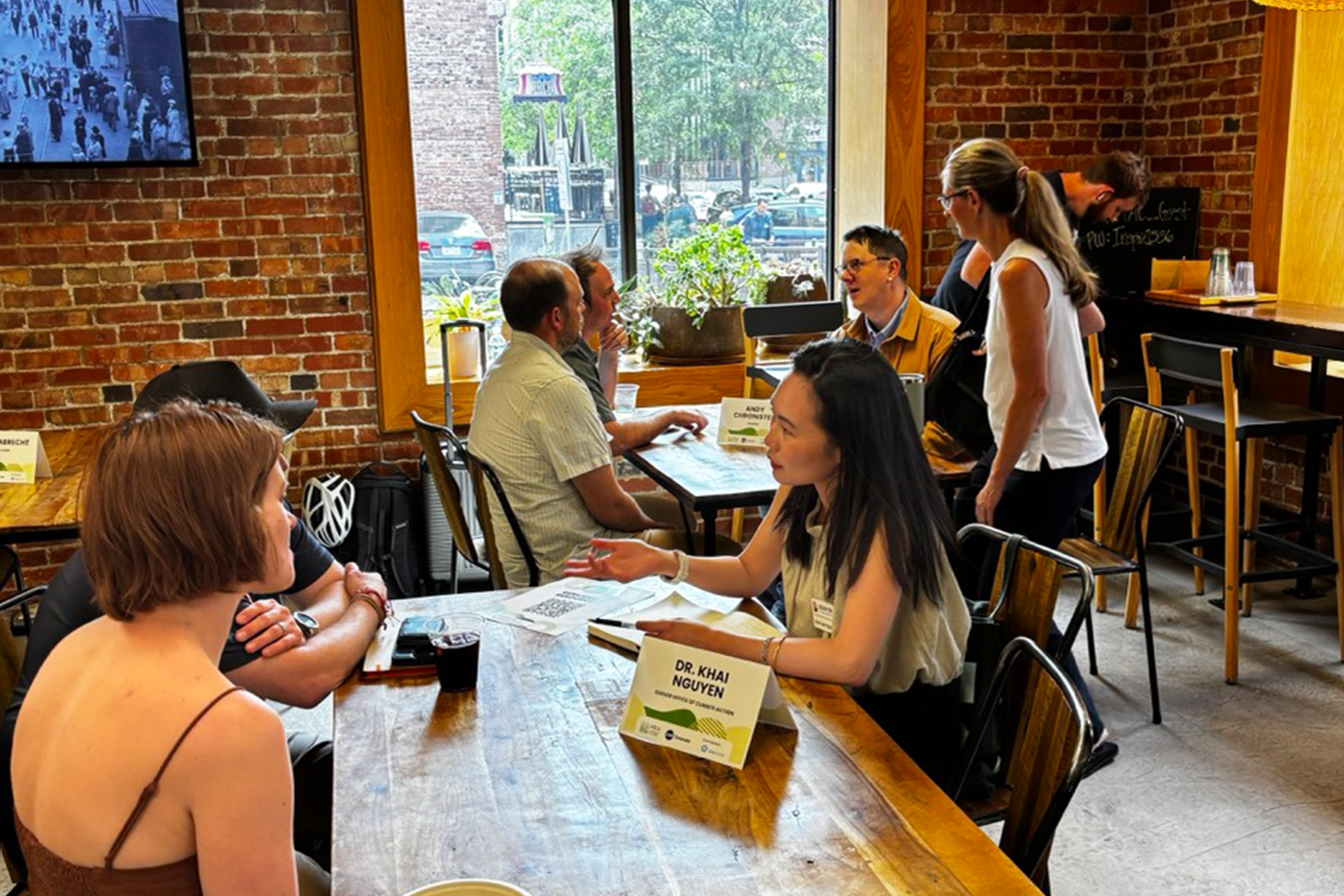
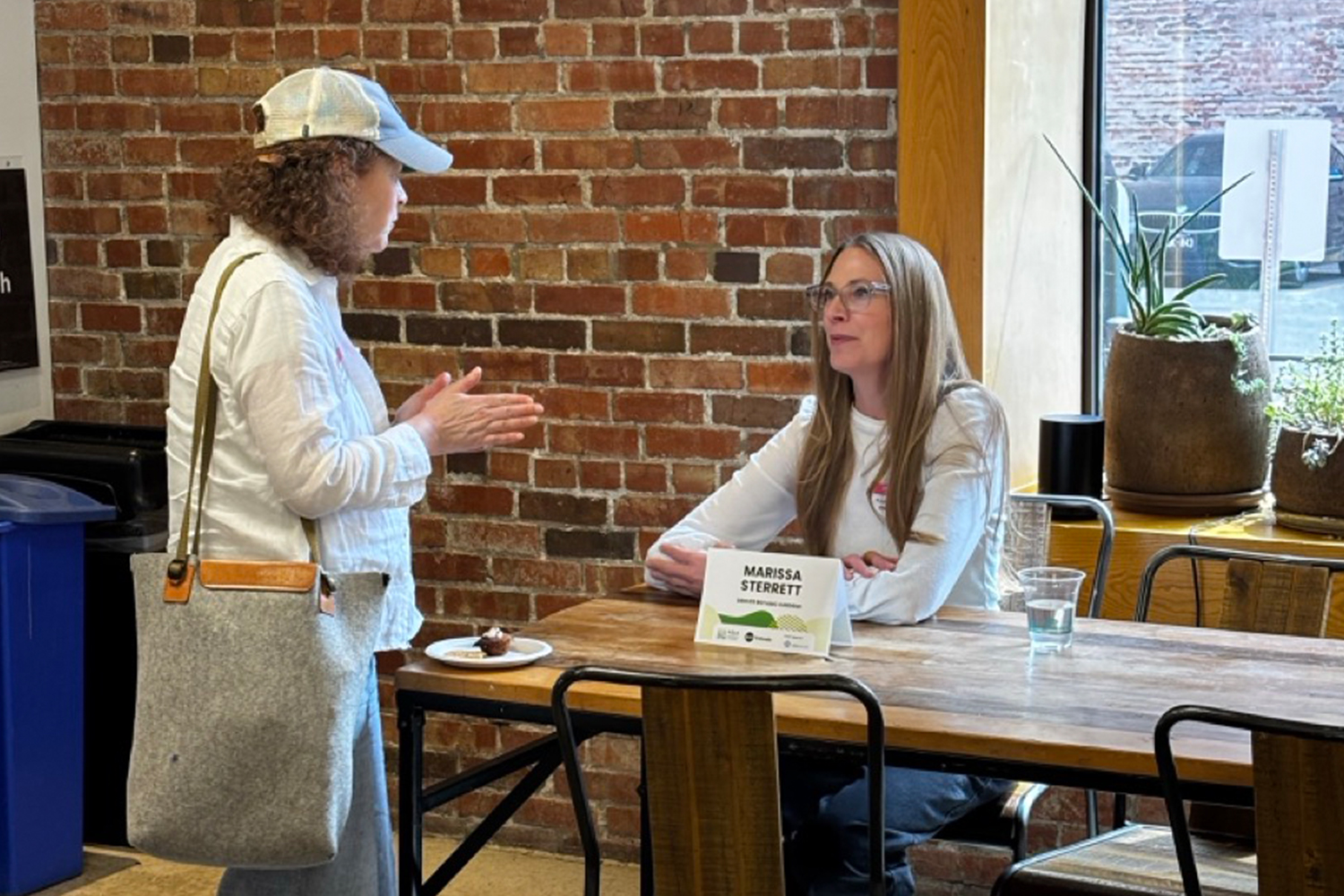
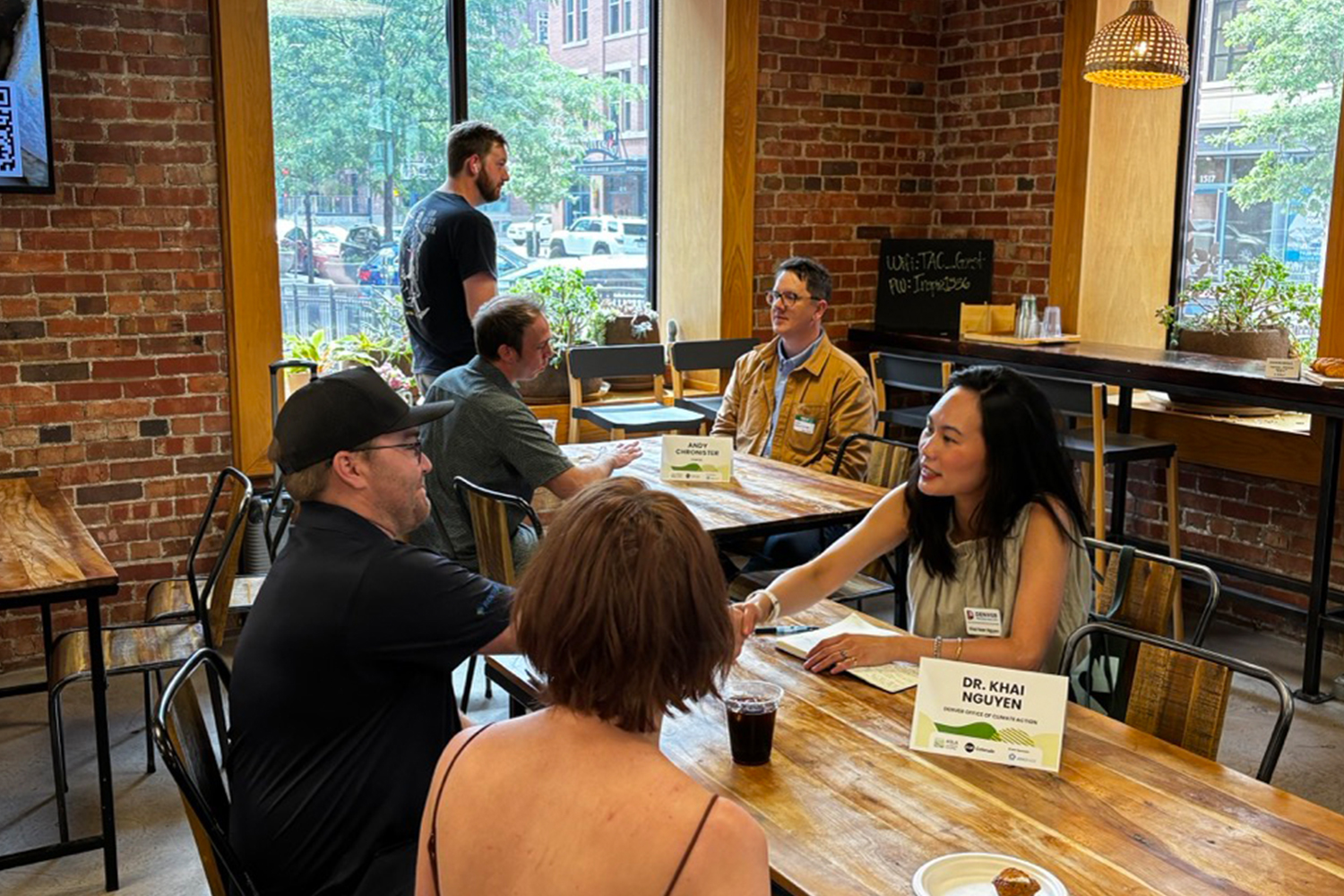
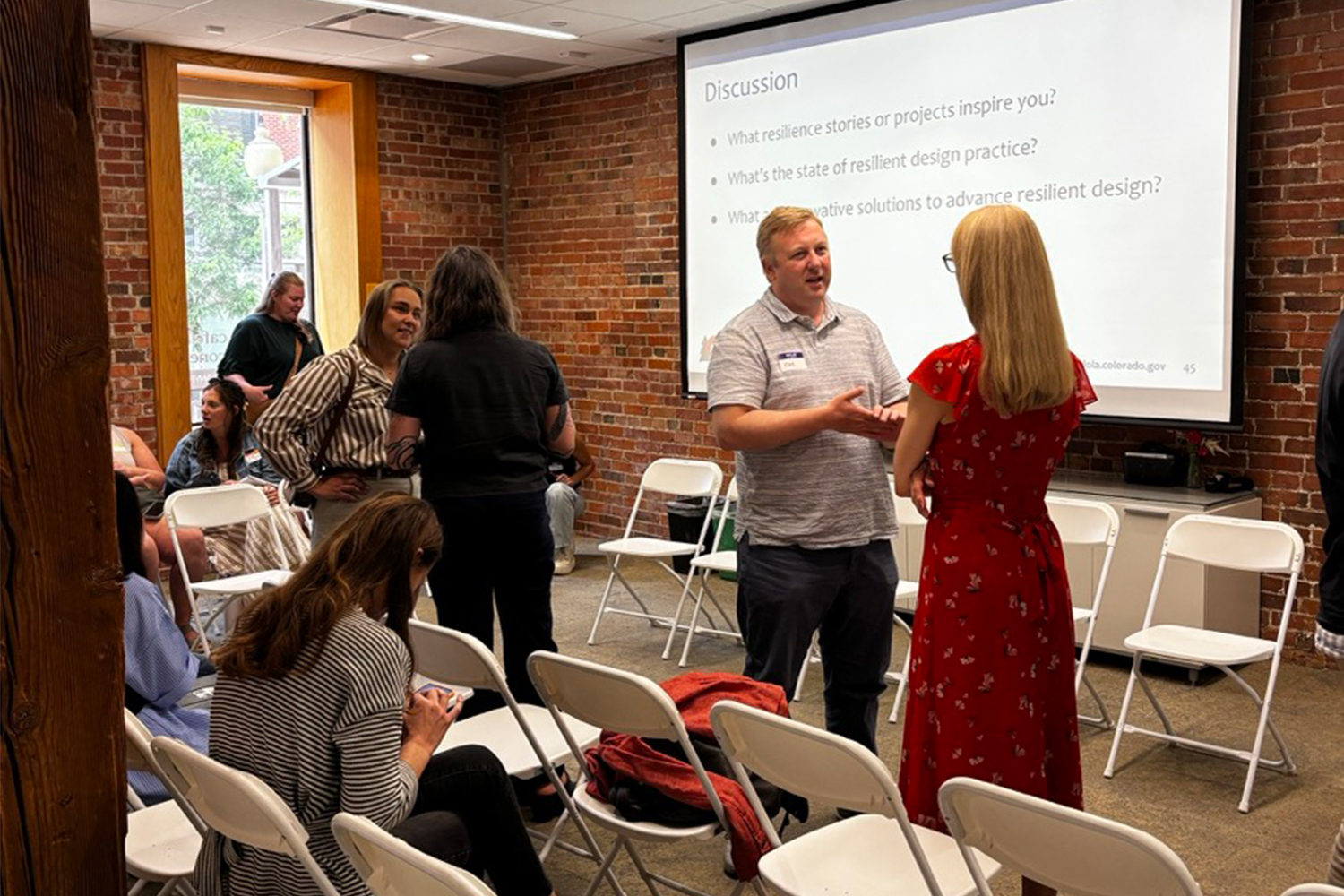
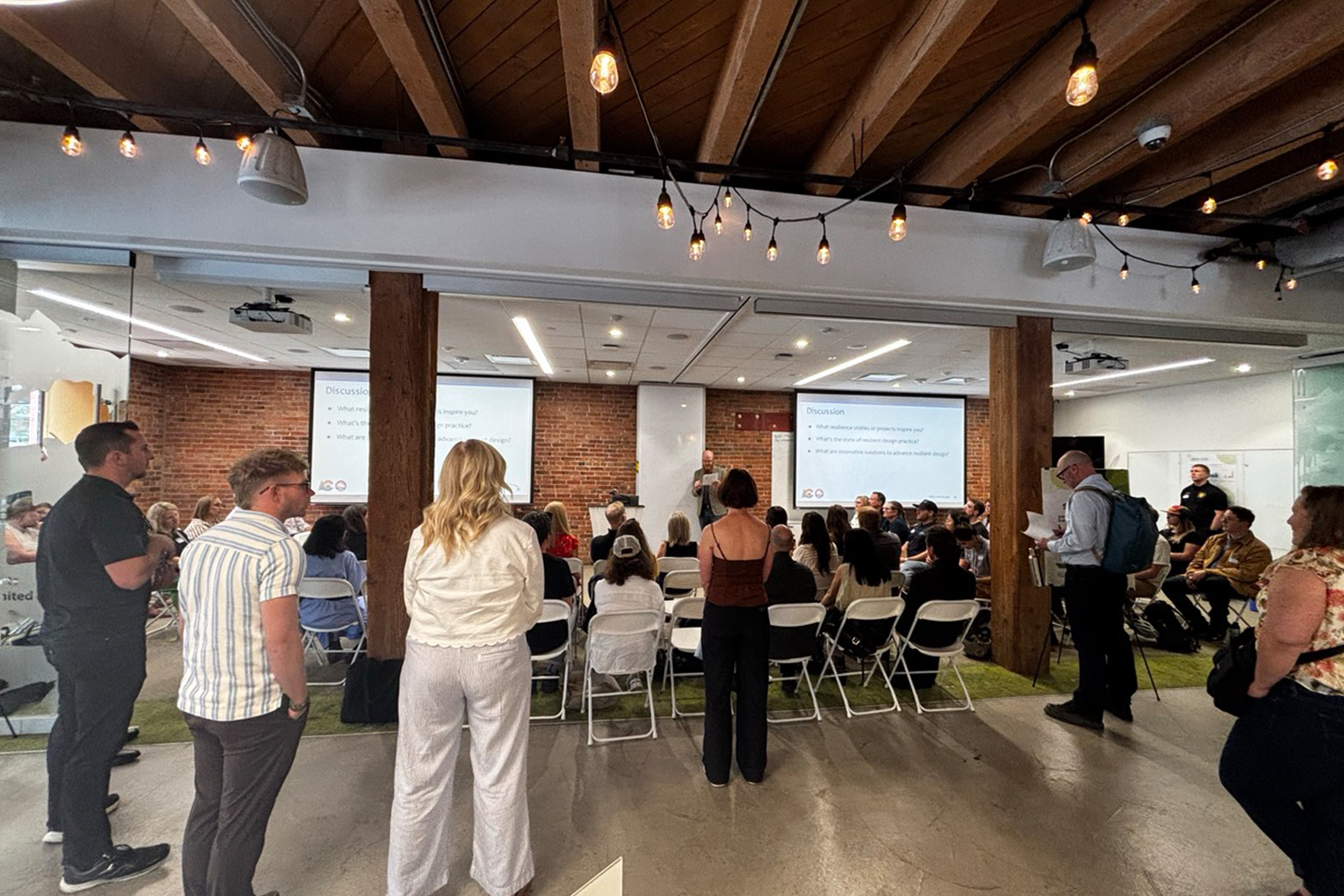
As Colorado continues to face growing challenges tied to drought, wildfire, water scarcity, and climate uncertainty, architects and landscape architects are increasingly being called upon to design resilient communities together. The AIA Colorado and ASLA Colorado/Wyoming 2026 Resiliency Fair brought together professionals from across disciplines to explore collaborative approaches to resilient design, policy, and planning.
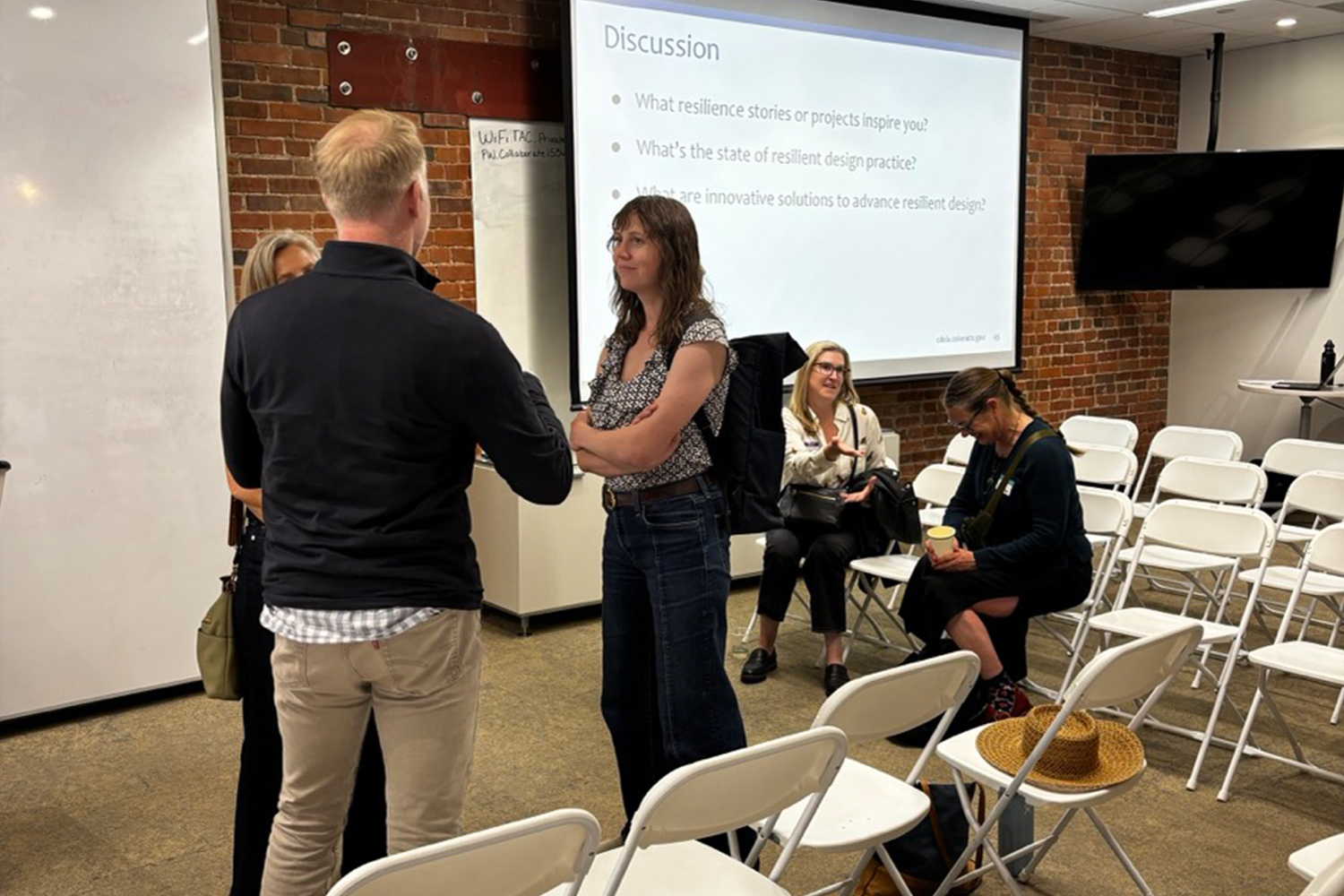
Through keynote presentations, expert-led discussions, and peer conversations, attendees examined how design professionals can better align buildings, landscapes, and community systems to address Colorado’s evolving environmental realities.
KEYNOTE


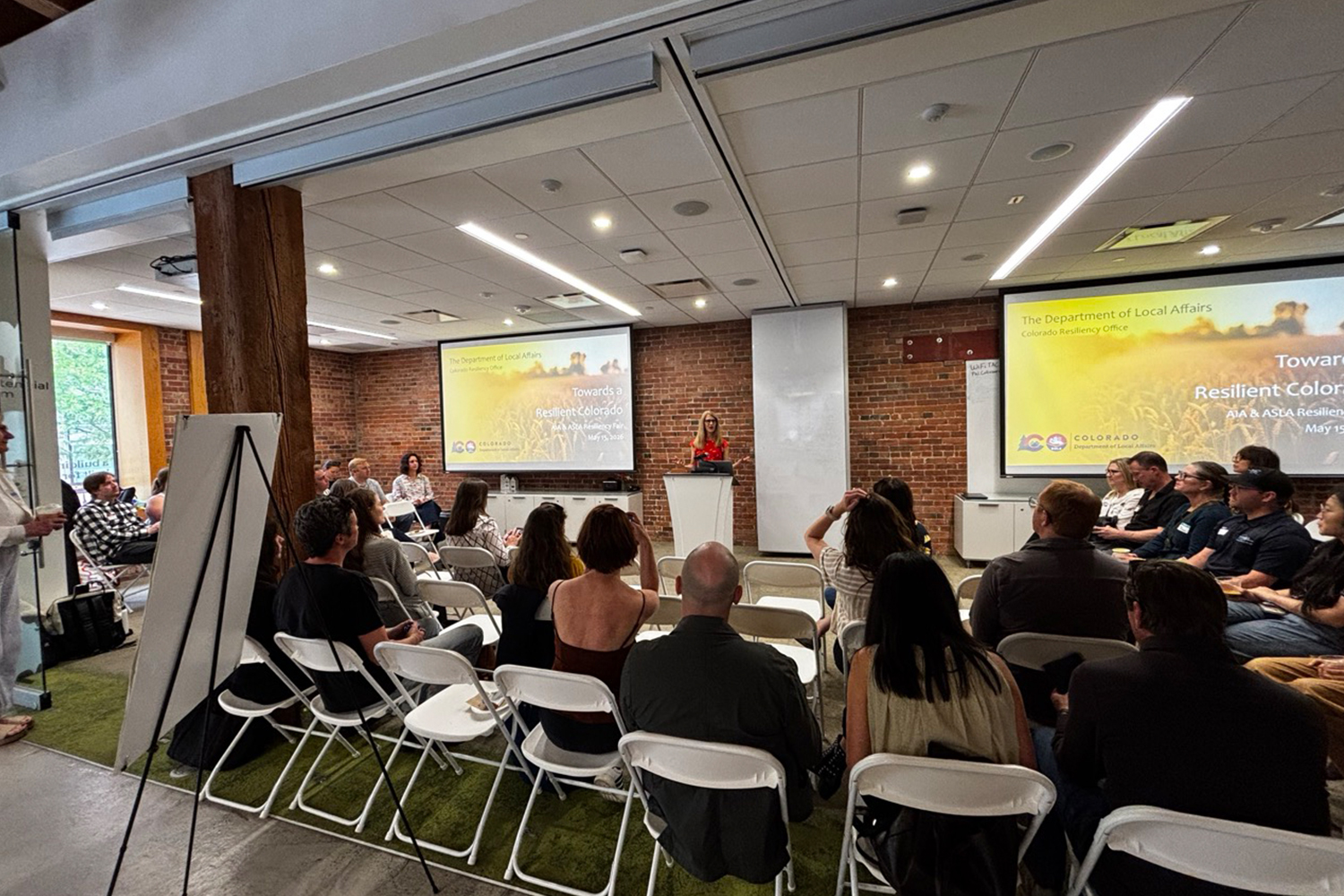
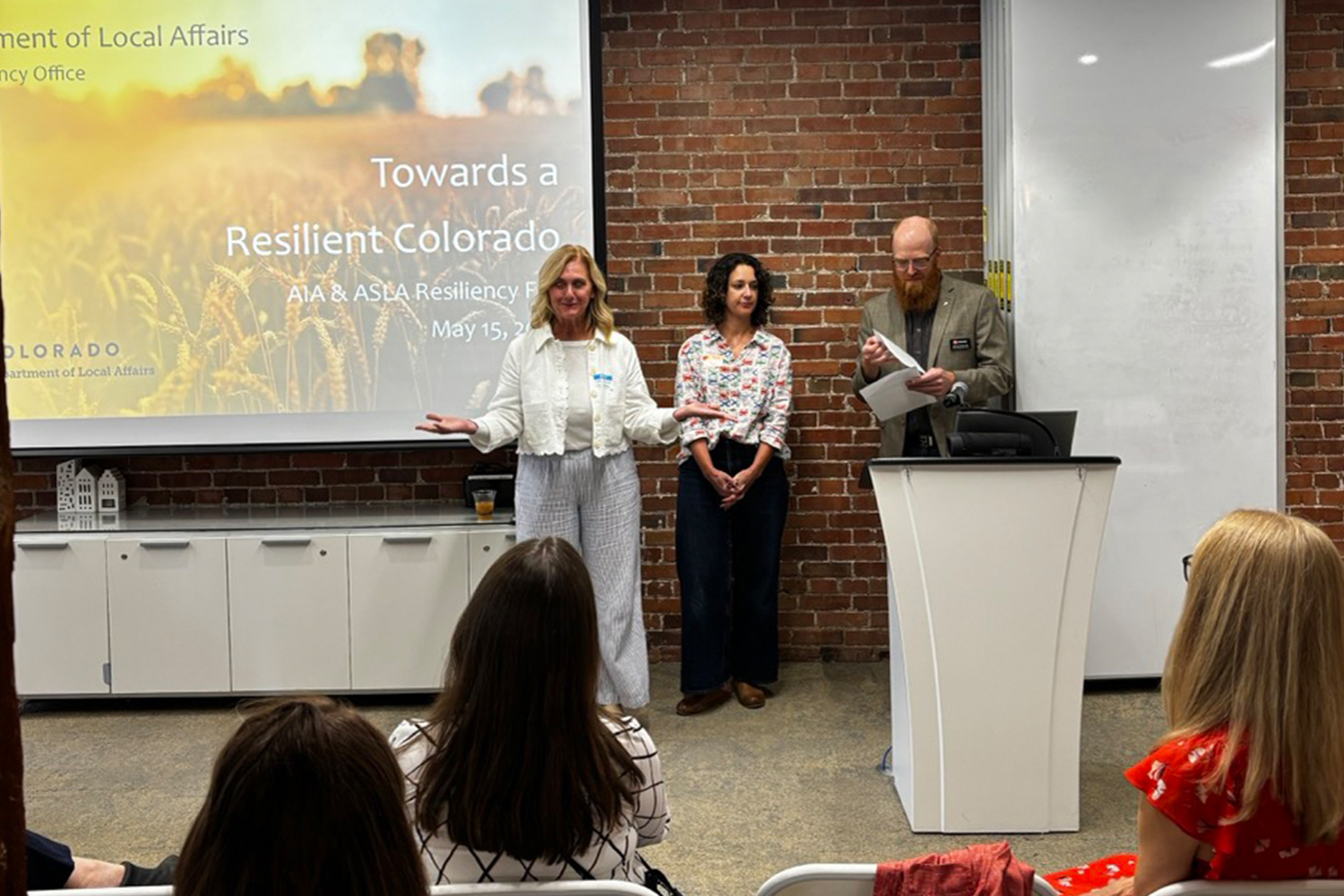
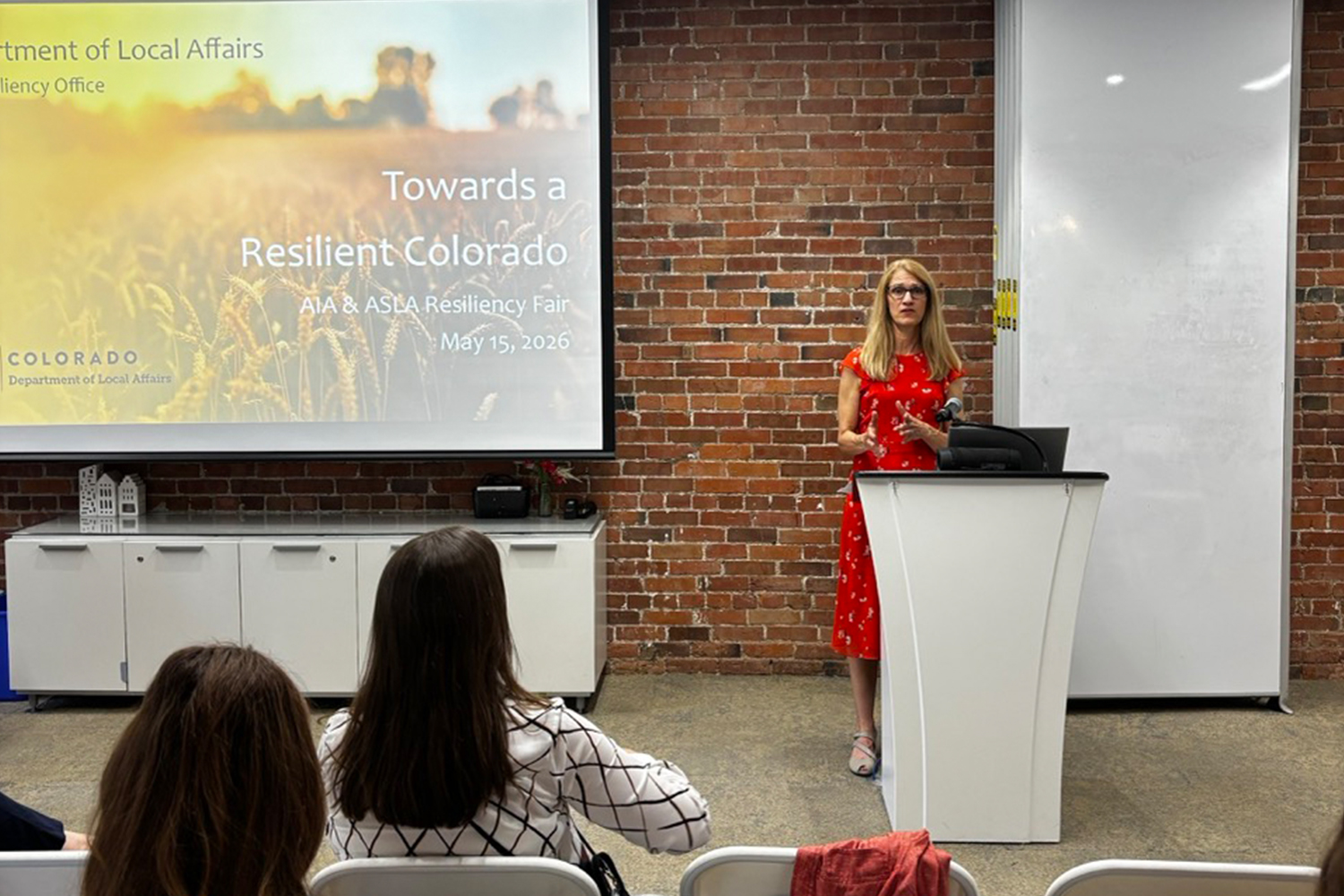
Anne Miller’s keynote offered a comprehensive look at how Colorado is approaching resilience as a statewide, systems-level challenge, and what that means for architects, planners, landscape architects, and community leaders.
As Director of the Colorado Resiliency Office, Miller framed resilience not simply as disaster recovery, but as “the ability of communities to rebound and positively adapt or thrive” amid changing conditions, climate impacts, and economic and social disruptions. She emphasized that resilience work requires long-term thinking, interdisciplinary collaboration, and design imagination, areas where architects and designers play a critical role.
Miller traced the origins of Colorado’s resiliency framework back to the devastating 2013 Front Range floods, which exposed the need for a more coordinated statewide approach. Colorado became one of the nation’s first states to establish a resiliency office, and today remains a national leader in resilience planning.
A major focus of the presentation was the ongoing update to the Colorado Resiliency Framework, the state’s five-year strategic resilience plan. The framework integrates climate adaptation, hazard mitigation, housing, infrastructure, land use, water planning, and equity into a unified strategy. Key priorities include:
Miller repeatedly emphasized the importance of “co-benefits”, projects that solve multiple challenges at once. She highlighted the Native American Housing Circle project in Denver as an example of resilience-centered design, combining affordable housing, cultural responsiveness, energy efficiency, and community partnerships.
The presentation also explored how climate projections are reshaping Colorado’s planning priorities. Updated state mapping and climate preparedness efforts show increasing exposure to heat, wildfire, water scarcity, and air quality impacts across much of the state, particularly eastern Colorado. Miller encouraged designers to think beyond individual buildings and consider resilience at the community scale.
One topic of particular interest was the growing network of “resilience hubs”, trusted community spaces that provide services during normal operations but can also serve as gathering and support centers during emergencies or power outages. Miller suggested these hubs present important opportunities for architects and designers to rethink the role of civic and community buildings.
Wildfire resilience and rebuilding practices were also central themes. Miller discussed lessons learned from the Marshall Fire recovery effort, including the use of passive house standards, improved filtration systems, defensible landscaping, and higher energy-efficiency standards to create healthier and more resilient homes. She noted that some passive homes experienced dramatically less smoke intrusion during the fire event.
Additional discussion focused on Colorado’s new wildfire resilience codes, drought-response planning, insurance challenges tied to hail and wildfire risk, and emerging programs supporting fortified roofs and resilient building practices.
Throughout the keynote, Miller reinforced that resilience depends on collaboration and interconnected systems rather than isolated efforts. She closed with an analogy to fungal networks in forests, decentralized systems built on resource sharing and interconnection, as a model for how communities, agencies, and design professionals can work together to build Colorado’s adaptive future.
Breakout Session


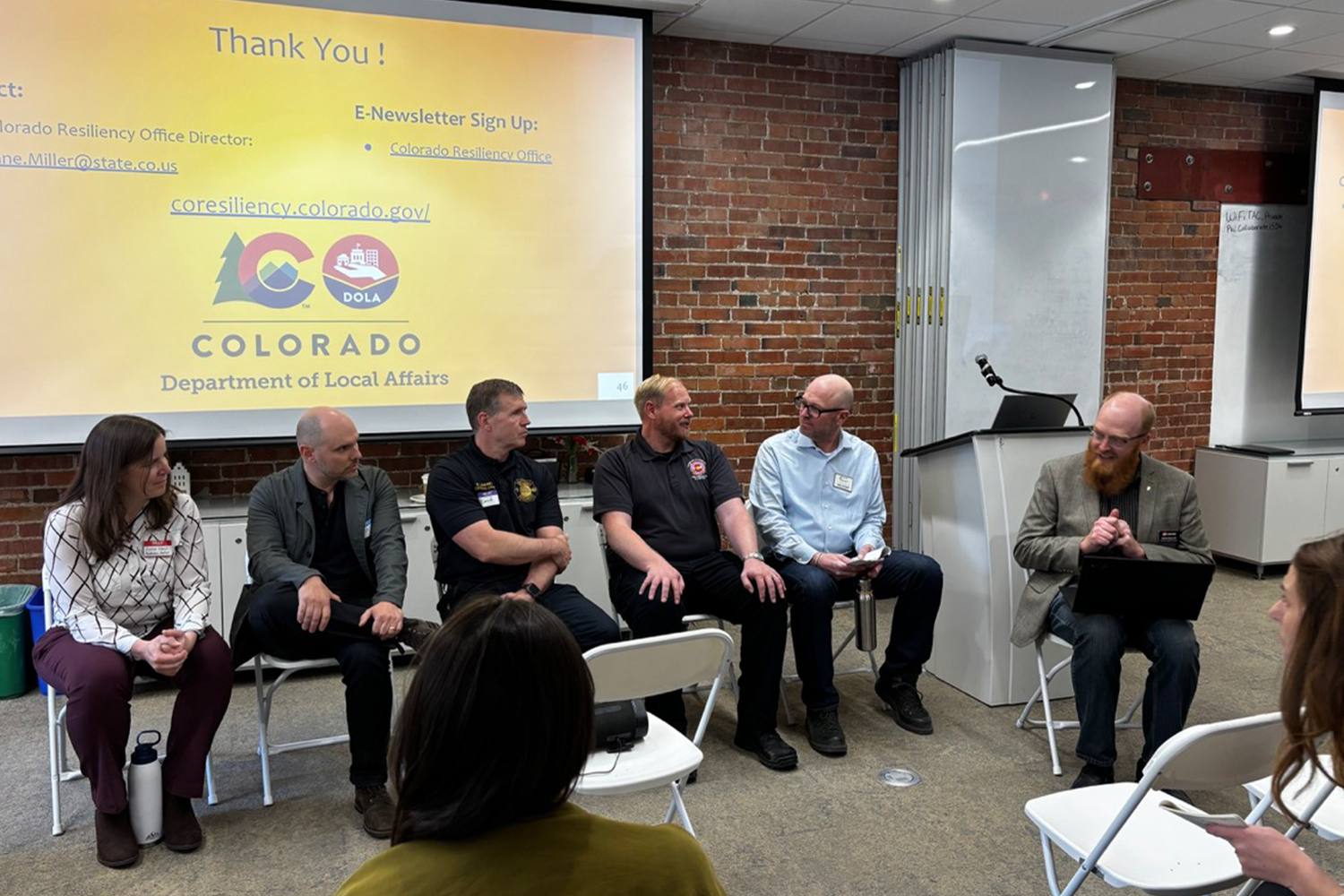
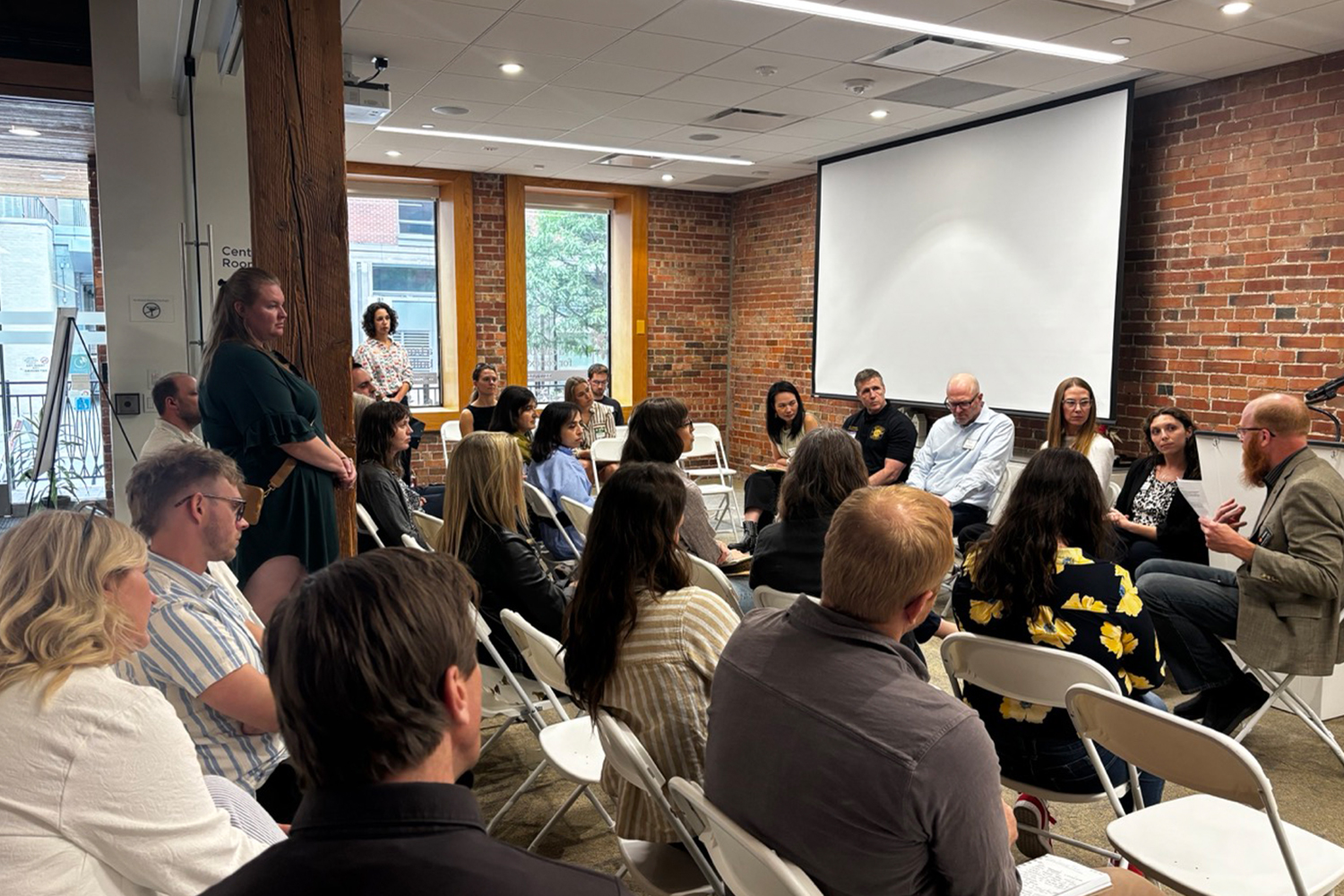
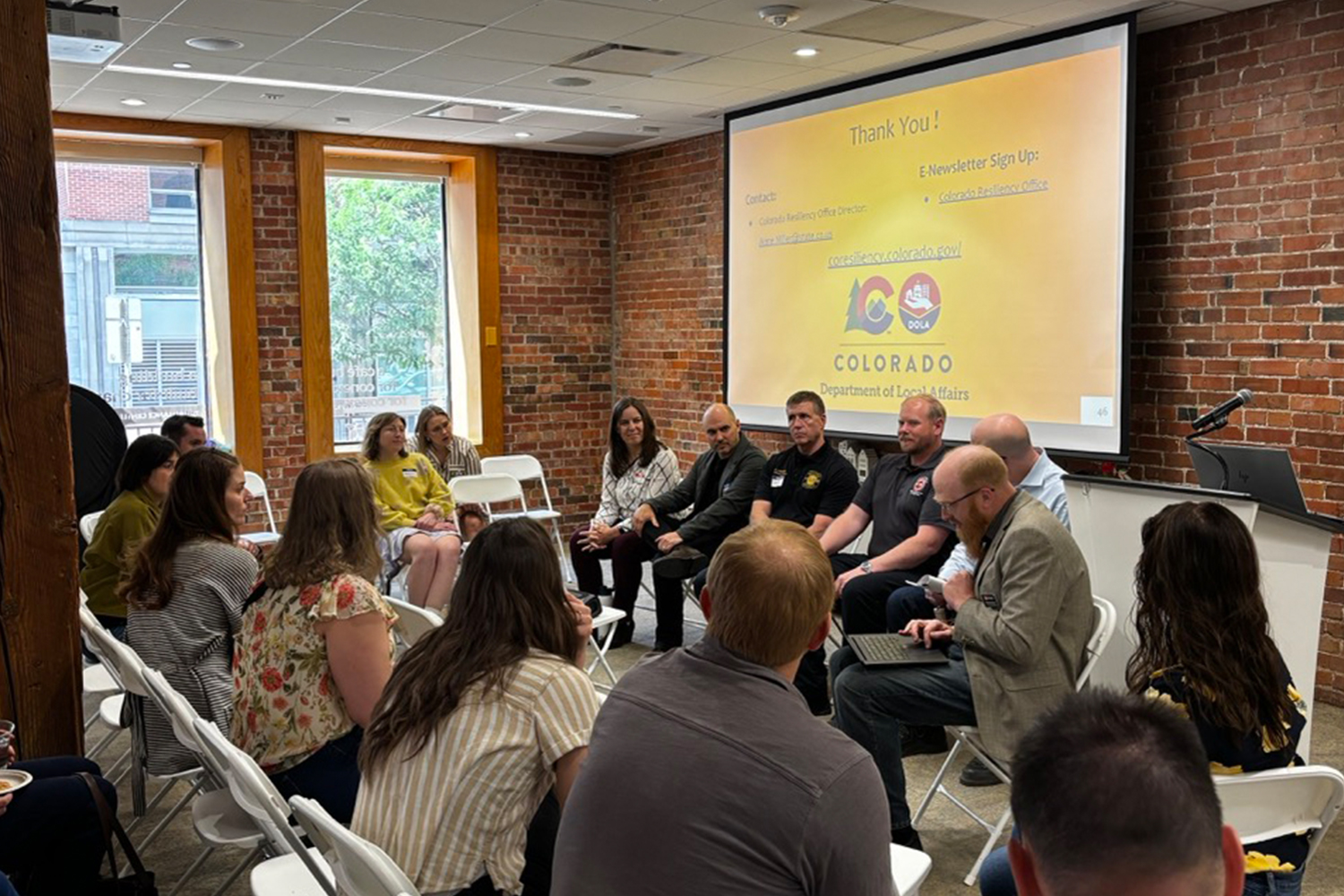
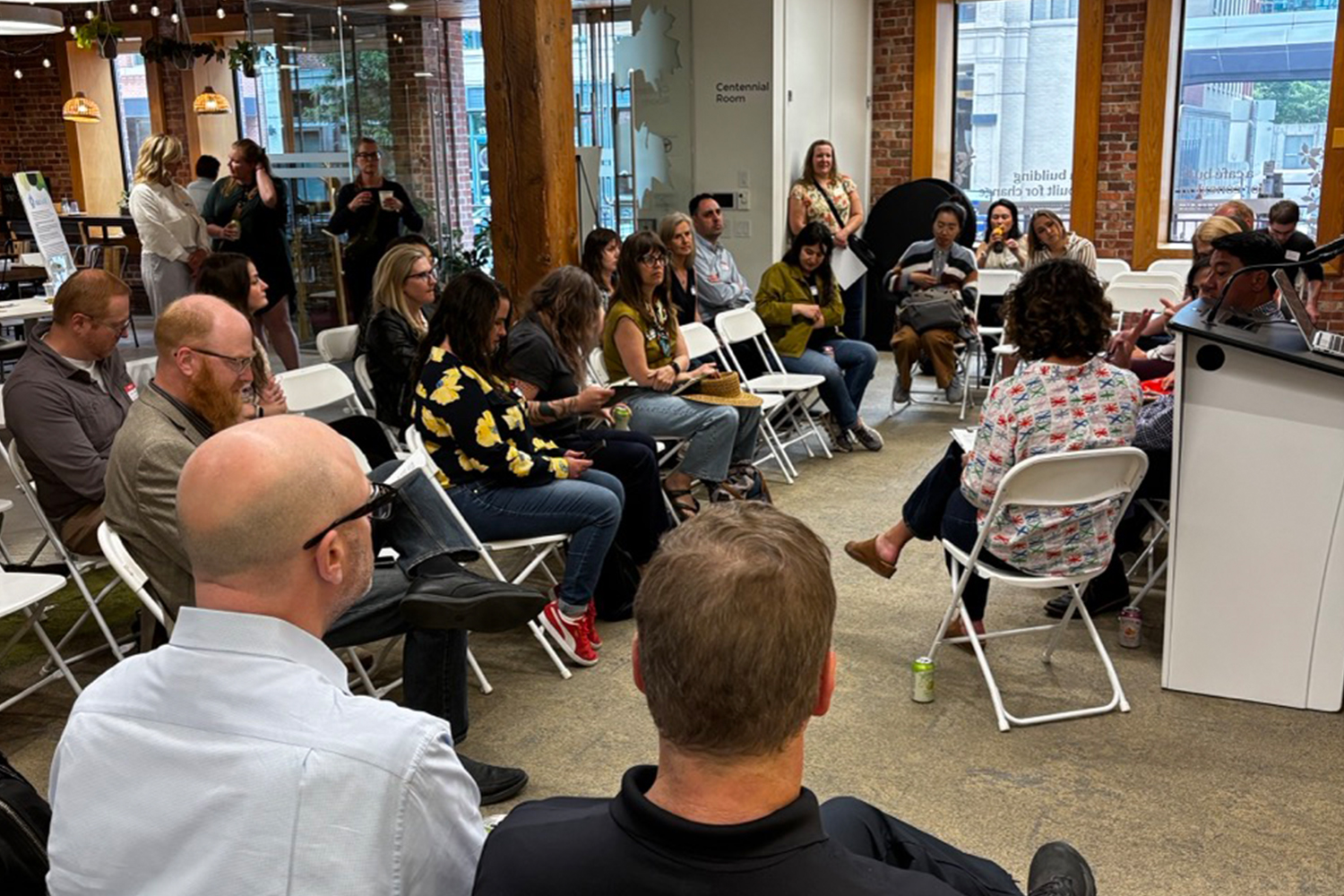
The “WUI – Lessons Learned” breakout session brought together architects, fire officials, landscape architects, and state code educators to discuss how Colorado’s new Wildland Urban Interface (WUI) is reshaping design and development practices across the state.
Panelists explored the origins of the statewide code, which was developed over an intensive two-year process involving architects, fire marshals, builders, planners, and resilience experts. Jeffrey Woodruff, AIA, who served on the statewide code board, described the balancing act between improving public safety and addressing concerns around construction costs, implementation, and development feasibility.
A recurring theme throughout the session was that the code is not intended to eliminate good design, but rather to encourage more integrated and thoughtful approaches to resilient communities. Speakers emphasized that wildfire resilience cannot rely solely on hardened buildings, that landscape design, vegetation management, site planning, and coordination with local authorities are equally critical.
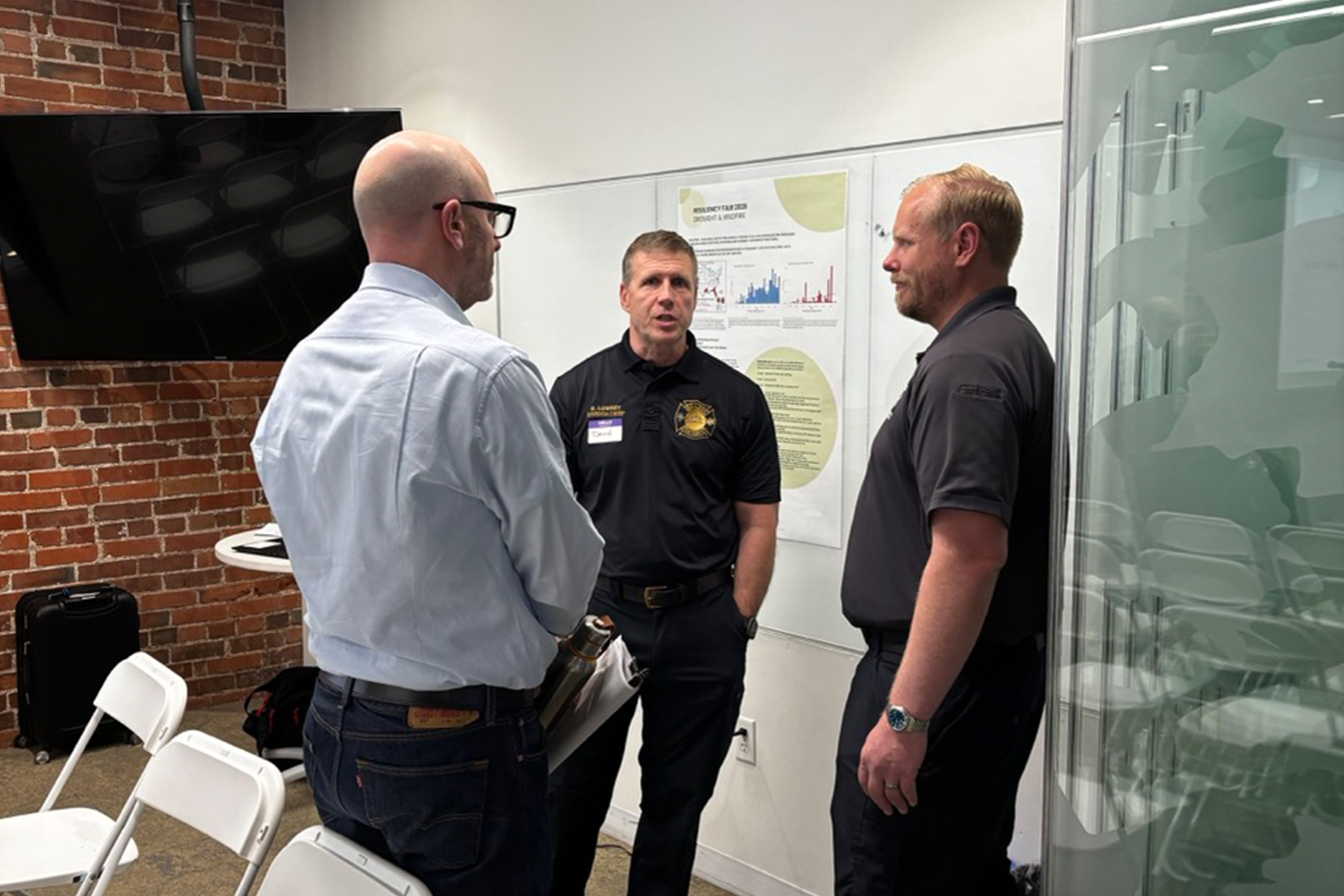
David Lowrey from Boulder Fire Rescue and the Division of Fire Prevention and Control explained how local jurisdictions are adapting and enforcing the code differently depending on local conditions, staffing, and existing regulations. Boulder, which has had WUI regulations in place for more than a decade, has recently strengthened its landscaping and defensible space requirements based on evolving wildfire science and post-Marshall Fire lessons learned.
Landscape architect Jason Newsome discussed how the code is already changing the design process, particularly on dense urban and mixed-use sites where defensible space, tree spacing, circulation, open space requirements, and wildfire setbacks can conflict with traditional urban design goals. Rather than viewing the code as restrictive, panelists encouraged designers to treat the requirements as creative constraints that can shape stronger and more resilient projects.
The conversation also highlighted the growing importance of early coordination between architects, landscape architects, fire officials, and Authorities Having Jurisdiction (AHJs). Speakers repeatedly stressed that successful projects depend on engaging code officials early in the design process to navigate material choices, vegetation strategies, defensible space requirements, and site-specific interpretations of the code.
Panelists noted that Colorado’s WUI map and hazard classifications are still evolving and will continue to be refined over time as jurisdictions gather more localized data and experience implementing the code. Designers were encouraged to familiarize themselves with the state mapping tools, ignition-resistant planting guides, and local amendments that may apply to specific projects.
Throughout the session, speakers reinforced that wildfire resilience is ultimately about community-scale thinking. While requirements around noncombustible zones, fire-resistant materials, and defensible landscaping may introduce new complexities, the panel emphasized that resilient design and beautiful places are not mutually exclusive. Instead, the new code presents an opportunity for architects and landscape architects to collaborate more closely and rethink how Colorado communities are designed in an era of increasing wildfire risk.
Breakout Session


Speakers:
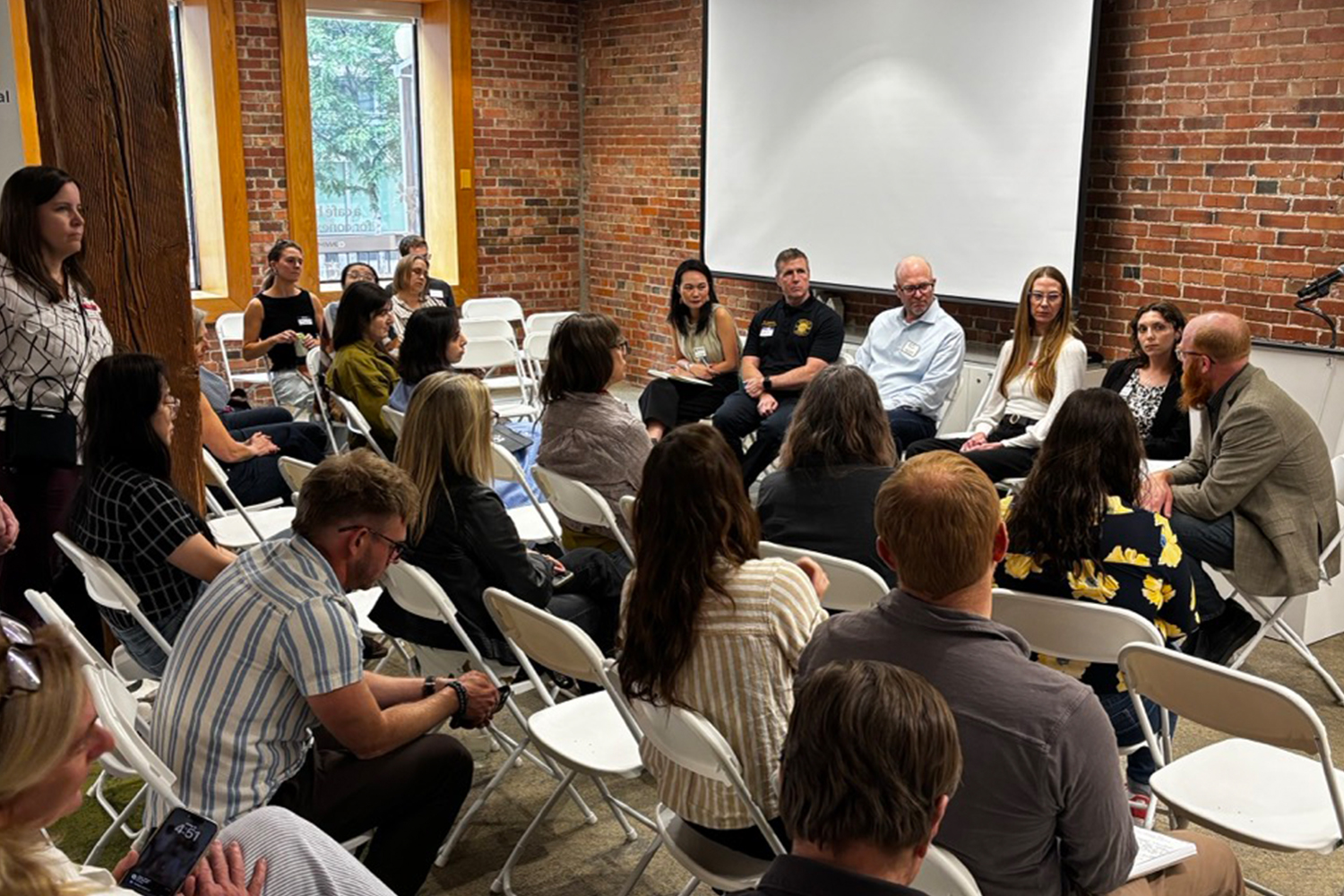
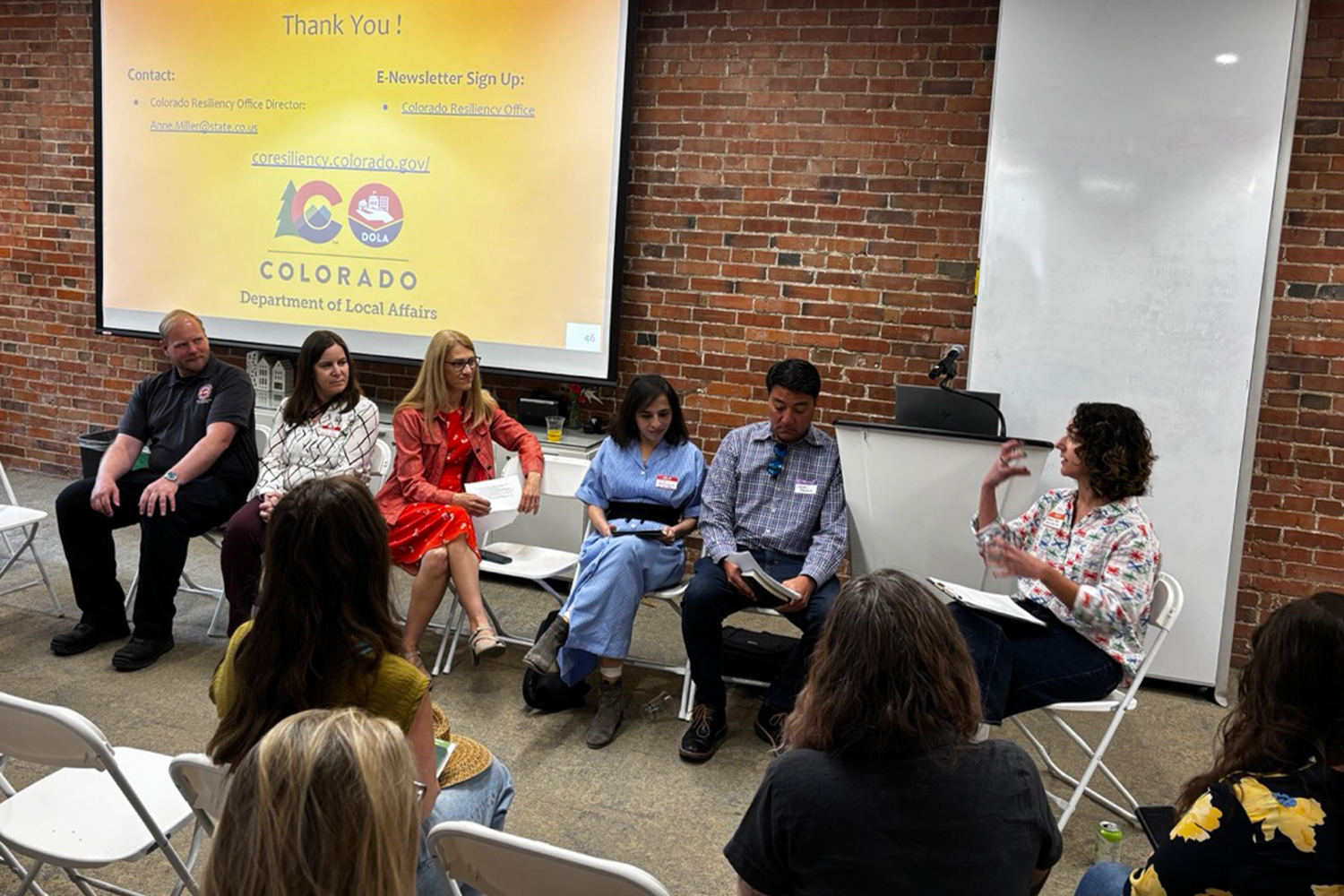
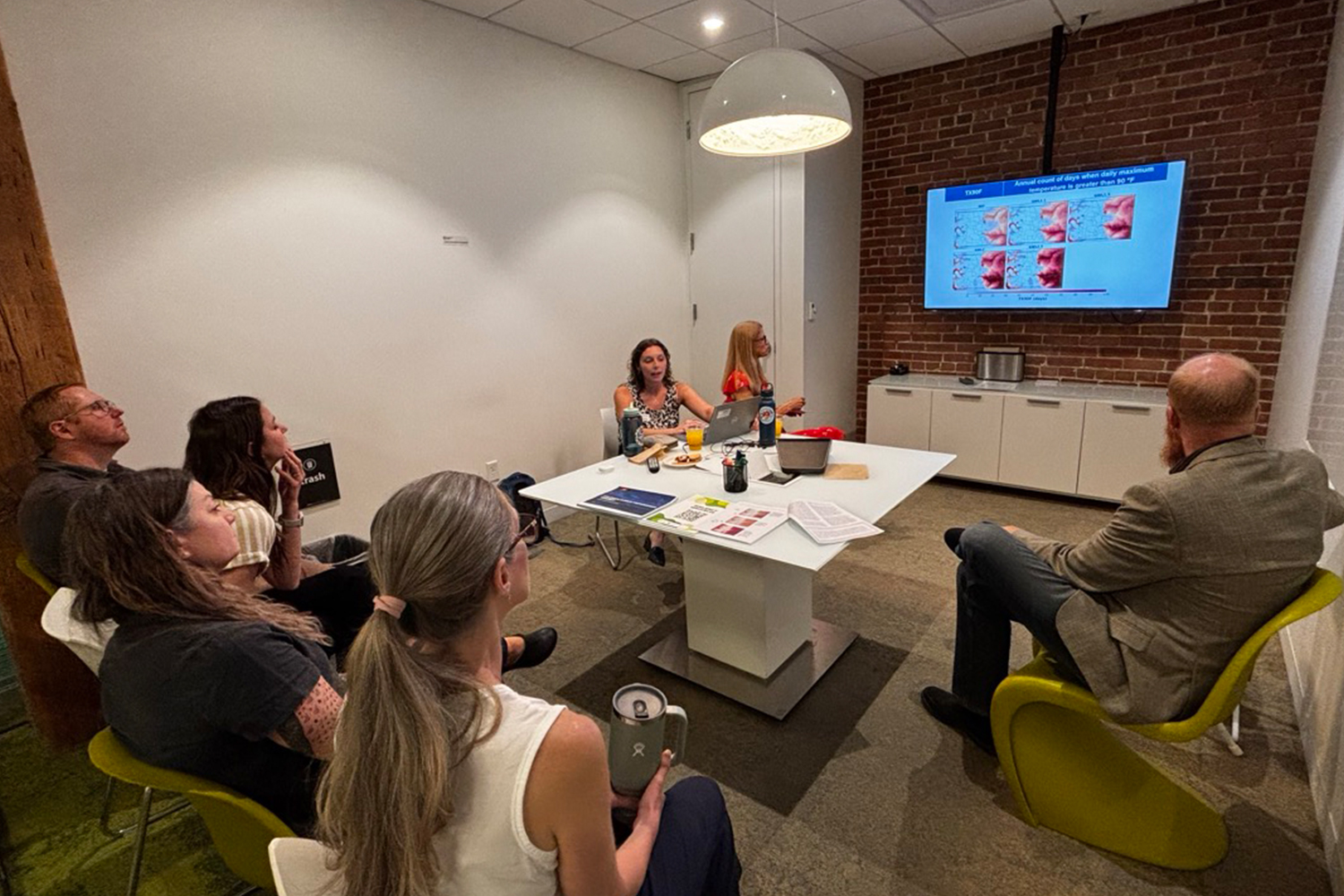
The Policy Topic Room explored how Colorado’s designers, policymakers, researchers, and public agencies must work together to address intensifying drought, wildfire, heat, and climate risk across the built environment. Participants emphasized that climate hazards can no longer be treated as isolated issues; drought, heat, wildfire, and water scarcity interact as interconnected systems that multiply impacts across communities and ecosystems.
Speakers discussed how Colorado is already experiencing the realities projected in climate models, including prolonged drought, record-setting wildfires, declining snowpack, and increasing pressure on water resources. While acknowledging uncertainty in future projections, panelists agreed that the broader trajectory is clear: hotter, drier conditions will require major shifts in planning, design, and policy.
A recurring theme was the urgent need to accelerate collaboration between academia, practitioners, industry, and government agencies. Participants noted that valuable research and resilience strategies often take years to become adopted standards, leaving many current codes and regulations outdated for today’s climate realities. The discussion highlighted the importance of integrating research directly into policy and practice more quickly, while also creating shared systems for exchanging data, lessons learned, and performance outcomes.
The panel also explored how resilience is increasingly becoming an expected baseline rather than an optional enhancement. Speakers discussed how resilient design strategies, including wildfire-resistant construction, defensible space, adaptive landscapes, energy resilience, water-conscious planning, and retrofit approaches, can create broader community benefits while reducing long-term risk and recovery costs.
Equity and affordability emerged as critical concerns throughout the conversation. Panelists acknowledged that vulnerable and lower-income communities are often located in higher-risk areas while simultaneously lacking access to resilient infrastructure, shade, tree canopy, and long-term maintenance resources. The group discussed the importance of developing adaptable, lower-cost resilience solutions that can be implemented equitably across communities.
The conversation concluded with discussion around practical implementation tools, including grants, local resilience funding, insurance challenges, retrofit strategies, and neighborhood-scale mitigation efforts. Speakers stressed that while no single solution exists, meaningful progress depends on proactive planning, interdisciplinary collaboration, updated policy frameworks, and designing for the future climate Colorado is expected to face, not the one it has historically known.