The Work of Tomorrow | Practice + Design Conference

Breakout Series 2


Back to: Conference Schedule

The Work of Tomorrow

Breakout Series 2

Thursday, November 12, 3 – 4pm

Torrey’s Peak, Shavano Peak, and Red Cloud Peak breakout rooms

Jump to:

Talking Risk & Resilience With Clients: From Concept to Commitment (DESIGN TRACK: 1 LU)

What Does Good Look Like? Compensation, Retention, and Negotiation in Equitable (PRACTICE TRACK: 1 LU)

Embodied Carbon in Colorado: Innovations, Policy, and Practice (CLIMATE TRACK: 1 LU|HSW)


BREAKOUT SESSION

Talking Risk & Resilience With Clients: From Concept to Commitment

How can you navigate delicate but essential conversations with clients about resilience, natural hazards, and climate change? Find out in this interactive session.

Using AIA resources and real-world scenarios, you’ll learn how to introduce hazard risk into early design discussions, frame resilience as a value proposition, and manage client resistance. Through role-play and small-group exercises, you’ll also practice strategies for discussing resilience in residential and commercial contexts, including the use of hazard acknowledgement forms.

By blending practical guidance with peer learning, this session will help you strengthen your professional standard of care while advancing safer, more durable, and climate-ready projects.

DESIGN TRACK: 1 LU
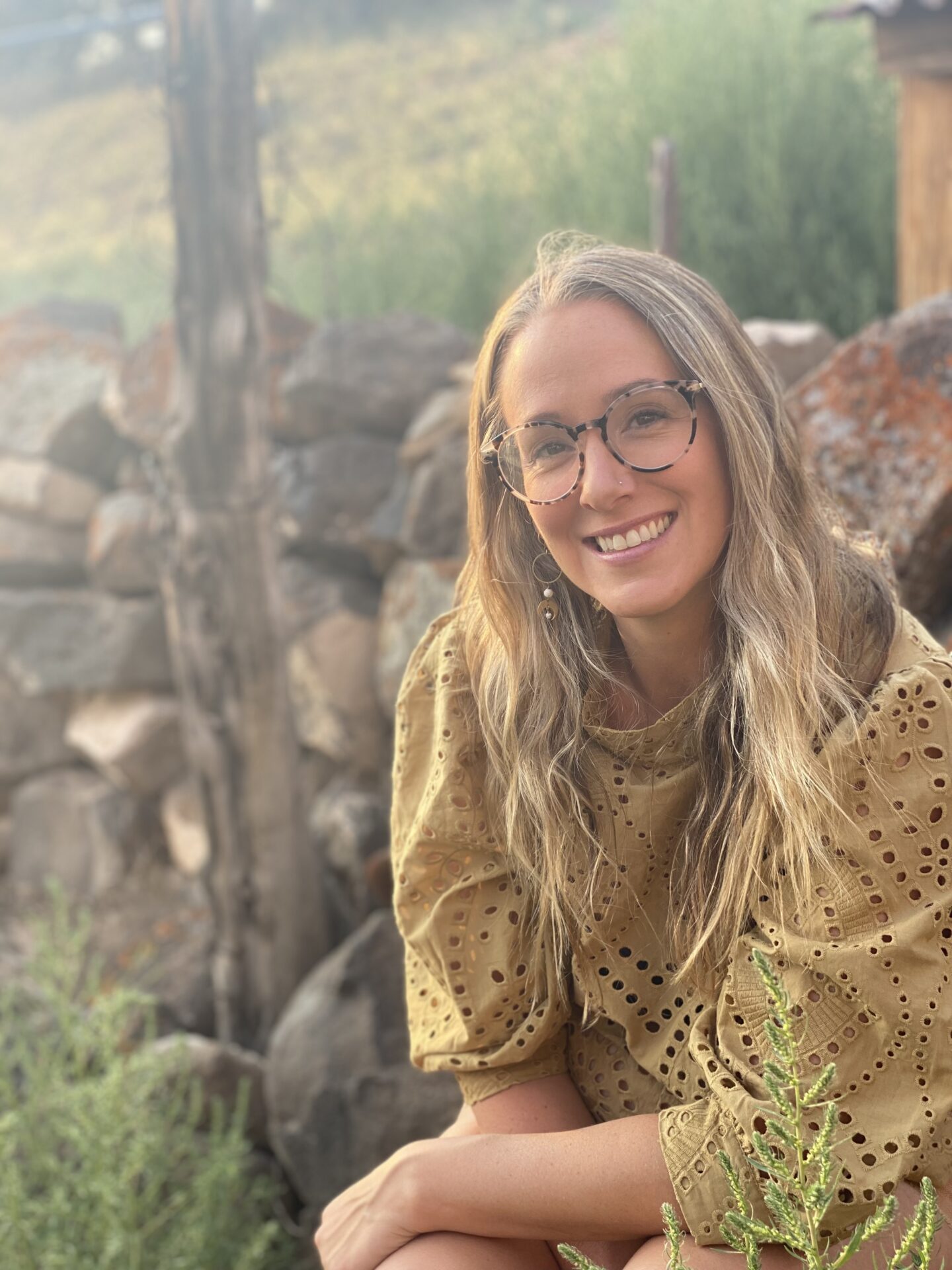
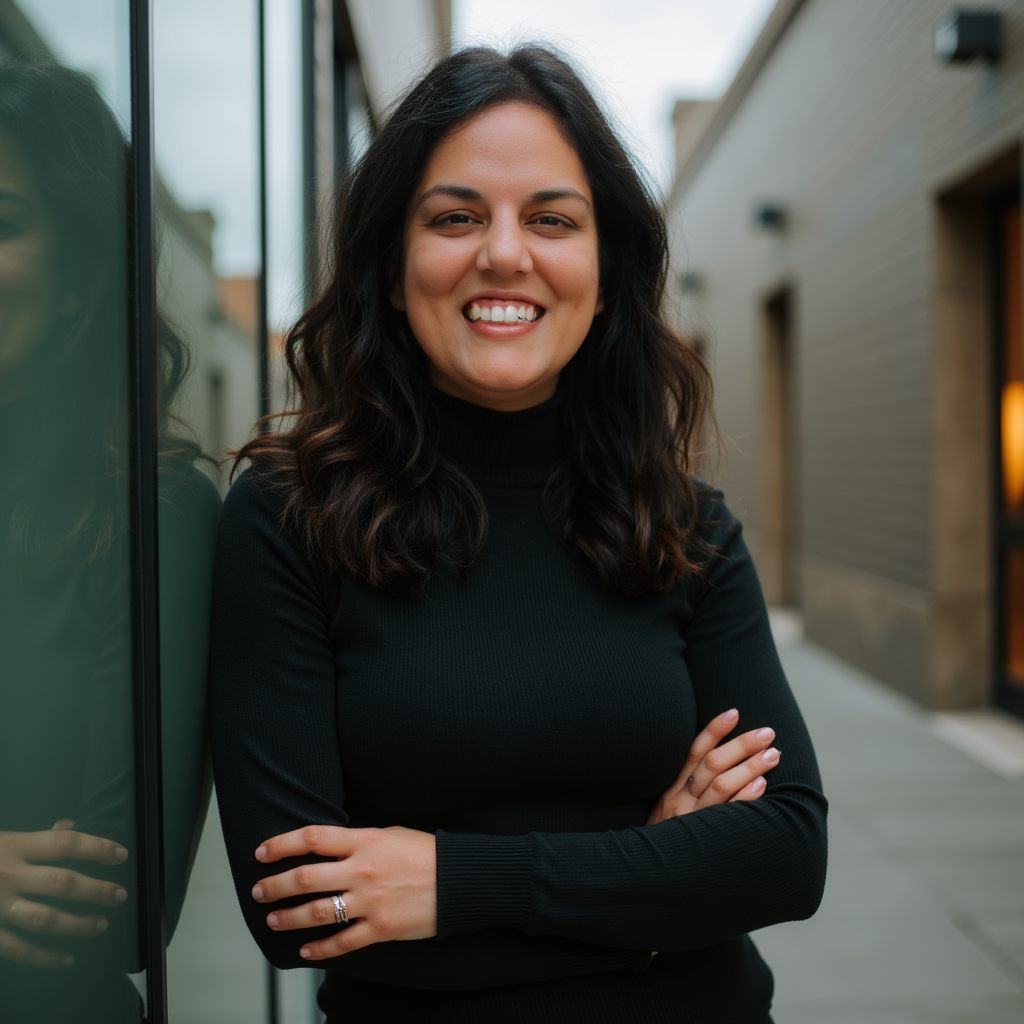
Dana Ellis, AIA, is an Architect and Performance Artist based in Carbondale, Colorado.  In 2021, Dana started The Outpost Studio, a firm that aims to design with reverence for the land and a deep respect for the people who live and build within it. Our work spans hospitality, retail, residential and affordable housing projects, with a love for historic preservation and efficient and resilient design.

Dana served as the Chair of the National Board of the AIA Small Firm Exchange in 2024, completed the AIA Business Academy in 2026 and is a professional performance artist with CoMotion Dance Company where she loves to create atmospheres and events through movement and installation.
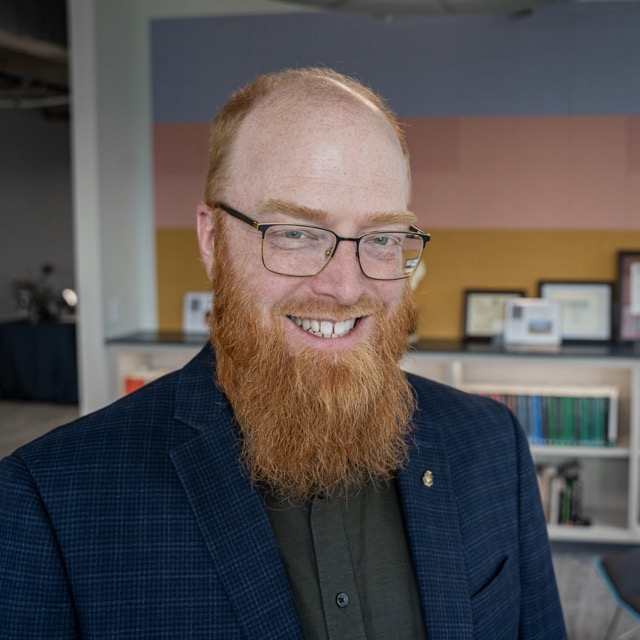
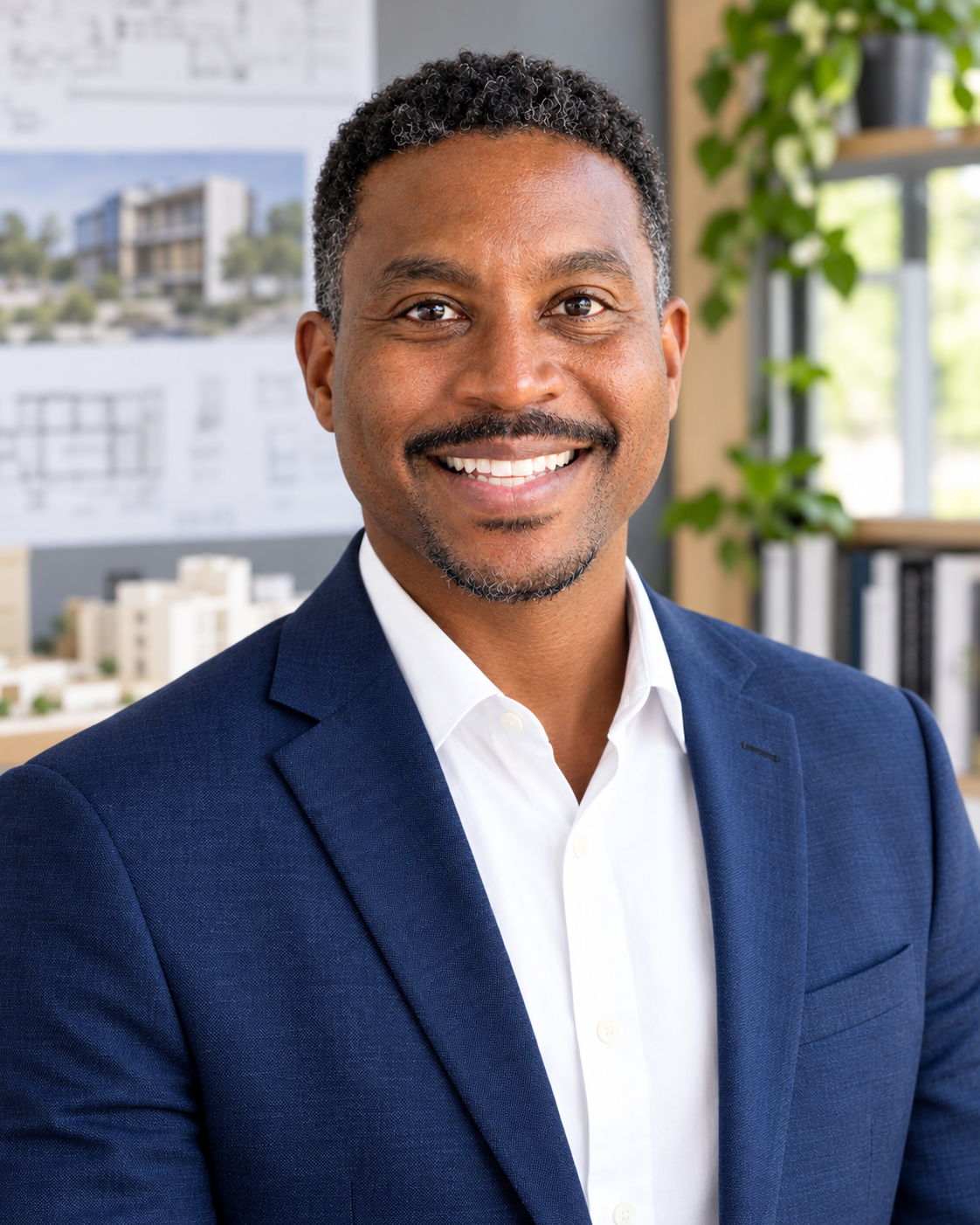
Nikolaus Remus, AIA, is the Advocacy Engagement Director on staff at AIA Colorado, where he manages state and local advocacy initiatives and monitors legislation that may impact the architecture profession. He is staff liaison to AIA Colorado’s Government Affairs Committee, Committee on the Environment, and local knowledge community groups. Nikolaus is also a member and past co-chair of AIA National’s Resilience and Disaster Response committee and a Cal OES SAP evaluator.

Nikolaus previously spent nine years working in the architecture profession on a wide variety of commercial, multi-family residential, healthcare, education, and federal government projects. He’s been an active AIA Colorado member since 2013, serving on and chairing the Government Affairs Committee and the Legislative Subcommittee, as well as participating in ARE exam prep programs as lecturer and mentor.


BREAKOUT SESSION

What Does Good Look Like? Compensation, Retention, and Negotiation in Equitable Practice

Architecture firms often identify people as their greatest asset, yet workplace systems around compensation, recruitment, retention, and negotiation can remain unclear or inconsistent.

Grounded in Chapters 3, 4, and 5 of the AIA Guides for Equitable Practice, this interactive session will examine how policies, behaviors, and decision-making structures shape employees’ experiences from recruitment through advancement and leadership. Participants will explore compensation beyond salary, including benefits, recognition, flexibility, and access to career-building opportunities, while considering how inequitable systems can create disparities over time.

The session will also examine recruitment, retention, and negotiation through the lenses of bias, workplace culture, power, identity, and access to information. Through firm scenarios, guided self-assessment, small-group discussion, and a “What Good Looks Like” framework, attendees will assess current practices and develop one individual action and one firm-level action to advance transparency, consistency, engagement, and accountability.

PRACTICE TRACK: 1 LU

Sonya Shah, AIA, NOMA, NCARB, is a licensed architect and public-sector project manager with more than 15 years of experience in civic architecture, including libraries, public safety, and community-focused facilities. She currently works with Denver Public Library’s Facilities Planning, Design, and Construction team, where she helps shape projects that support access, belonging, and long-term community needs. Sonya’s work is grounded in the belief that public architecture should be both practical and meaningful, and that strong engagement leads to better outcomes. She is also an active AIA leader and advocate for mentorship, inclusive practice, and creating clearer pathways for emerging professionals to grow within the profession.

Alexander Person III, AIA, CNU-A, NOMA, is an architect, project manager, and advocate for equitable practice with more than 20 years of experience spanning architecture, urban design, and planning. Based in Denver, he leads complex projects through collaborative stakeholder engagement, strategic coordination, and community-centered design. Known for his ability to connect people, ideas, and outcomes, Alexander helps guide project teams through evolving priorities while ensuring diverse voices are reflected in decision-making and design solutions.

Beyond project delivery, Alexander is a passionate leader in advancing Justice, Equity, Diversity, and Inclusion within the profession. As President of NOMA Colorado and Co-Chair of the AIA Colorado JEDI Committee, he works to expand representation, strengthen intercultural competence, and promote inclusive leadership across the industry. His commitment to mentorship and professional development is demonstrated through his work with students and emerging professionals as a CU Denver juror and reviewer, mentor, job shadow host, and frequent contributor to industry programs and discussions.

Drawing from both his professional experience and volunteer leadership, Alexander is particularly focused on the intersection of workplace culture, employee retention, career advancement, and equitable compensation. Guided by the principles outlined in the AIA Guides for Equitable Practice, he advocates for transparent conversations around negotiation, value, and opportunity within the profession. Through mentorship, research, and industry engagement, he challenges firms to create environments where diverse talent can thrive, contribute, and build lasting careers.

A recognized voice on equitable practice, Alexander believes that retaining great talent is not a hiring challenge but a leadership opportunity. Through thoughtful conversations about workplace culture, he encourages firms to measure success not only by what they build, but by the people they impact along the way.


BREAKOUT SESSION

Embodied Carbon in Colorado: Innovations, Policy, and Practice

This session provides an update on the Buy Clean Colorado Act and other evolving embodied carbon initiatives in Colorado, with a focus on how these requirements are being implemented in practice. Local experts will share lessons learned from projects such as the Heart of Golden redevelopment and Boulder Community Hospital, where strategies including steel reuse helped reduce environmental impacts while meeting project goals. The panel will also explore Colorado projects advancing compliance with Buy Clean Colorado and case studies from California that demonstrate emerging approaches to material standardization and embodied carbon policy. Through these examples, attendees will gain insight into the challenges, opportunities, and design strategies associated with evolving embodied carbon requirements and how architects, engineers, and project teams can use them to inform material selection and drive lower-carbon building solutions.

CLIMATE TRACK: 1 LU| HSW

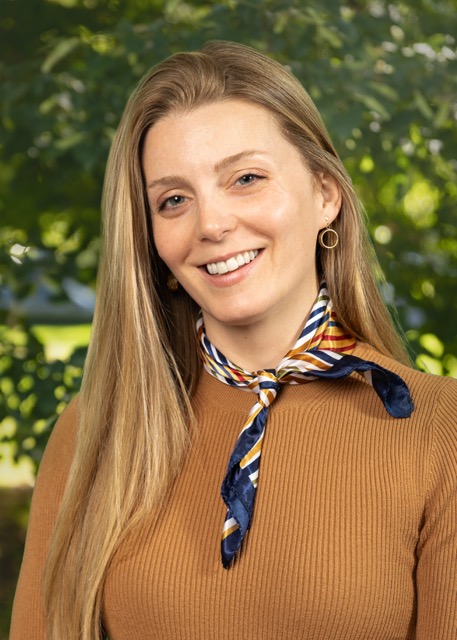
Amanda Spice brings design and technical performance together to reduce embodied carbon in buildings. With a decade of experience as an architectural designer, she understands how early decisions shape long-term outcomes. Her work supports clients in aligning material choices with embodied carbon reduction targets—meeting regulations, reducing building impact, and advancing decarbonization goals. As a project manager at Group14, Amanda helps teams define sustainability goals, streamline documentation, and integrate carbon-reducing strategies. She’s an expert in life cycle assessment (LCA), embodied carbon analysis, and Buy Clean Colorado compliance. Amanda regularly supports design teams and public owners navigating policy requirements with clarity and confidence. Amanda is instrumental in statewide conversations on policy readiness, material transparency, and embodied carbon strategy. She is a key contributor to the Colorado Embodied Carbon Collaborative and active in several Carbon Leadership Forum hubs. She speaks often on decarbonization through both performance-based and policy-driven pathways. Her focus is always on actionable solutions that move the industry toward a more resilient, low-carbon future.

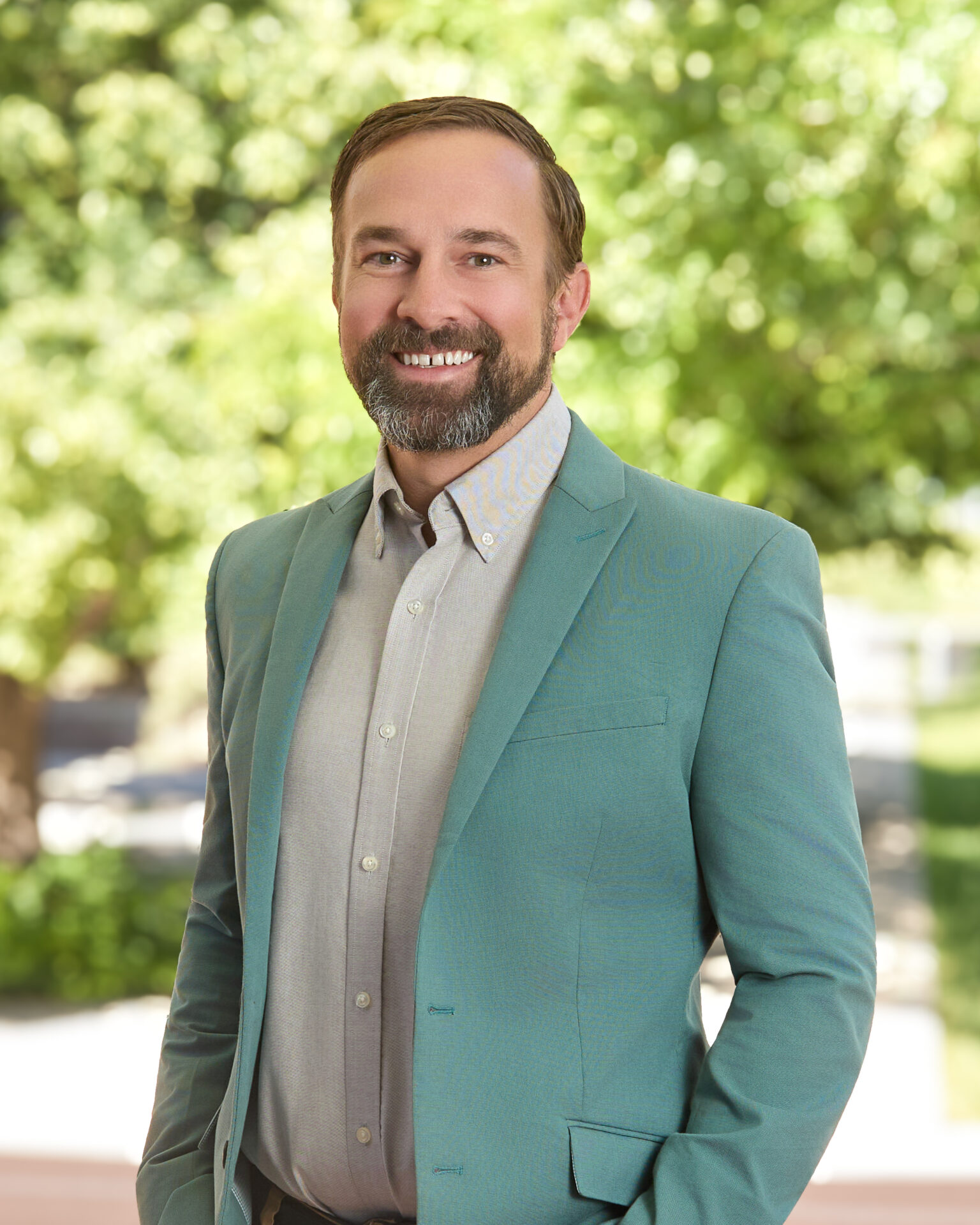
Robbie Camann

As a Principal, Robbie Camann leads KL&A’s embodied carbon group and brings more than 20 years of experience with a focus on multifamily and existing building adaptive reuse. He works across wood, concrete, and cold-formed steel, and is especially passionate about mass timber, particularly advancing structural applications for Colorado species like aspen, ponderosa pine, and Engelmann spruce to improve forest health and keep materials local.

Laura Perez, AIA, LEED® AP BD+C, LFA

Sr. Regenerative Design Advisor – Associate

Laura is a sustainability leader committed to harnessing the built environment as a powerful tool to address the global climate crisis. At Perkins & Will, she supports teams in delivering high-performing projects that achieve ambitious sustainability goals. Laura was a contributor to Perkins & Will’s Embodied Carbon Benchmarking effort and is an expert in whole building life cycle assessments (WBLCA). She leads the Denver studio’s material standards and the Common Material Framework education series, helping to advance low-carbon material decision-making across the practice. Laura is also actively engaged in shaping the future of policy through her volunteer work with the City of Denver’s code updates on the Embodied Carbon subcommittee, the Colorado Embodied Carbon Collaborative, and Carbon Leadership Forum. She brings a strong design foundation and a systems-thinking approach to her work advancing a more regenerative, climate-conscious future.


© AIA Colorado 2026