This website uses cookies to improve your experience. We\'ll assume you\'re ok with this, but you can opt-out if you wish. Read More
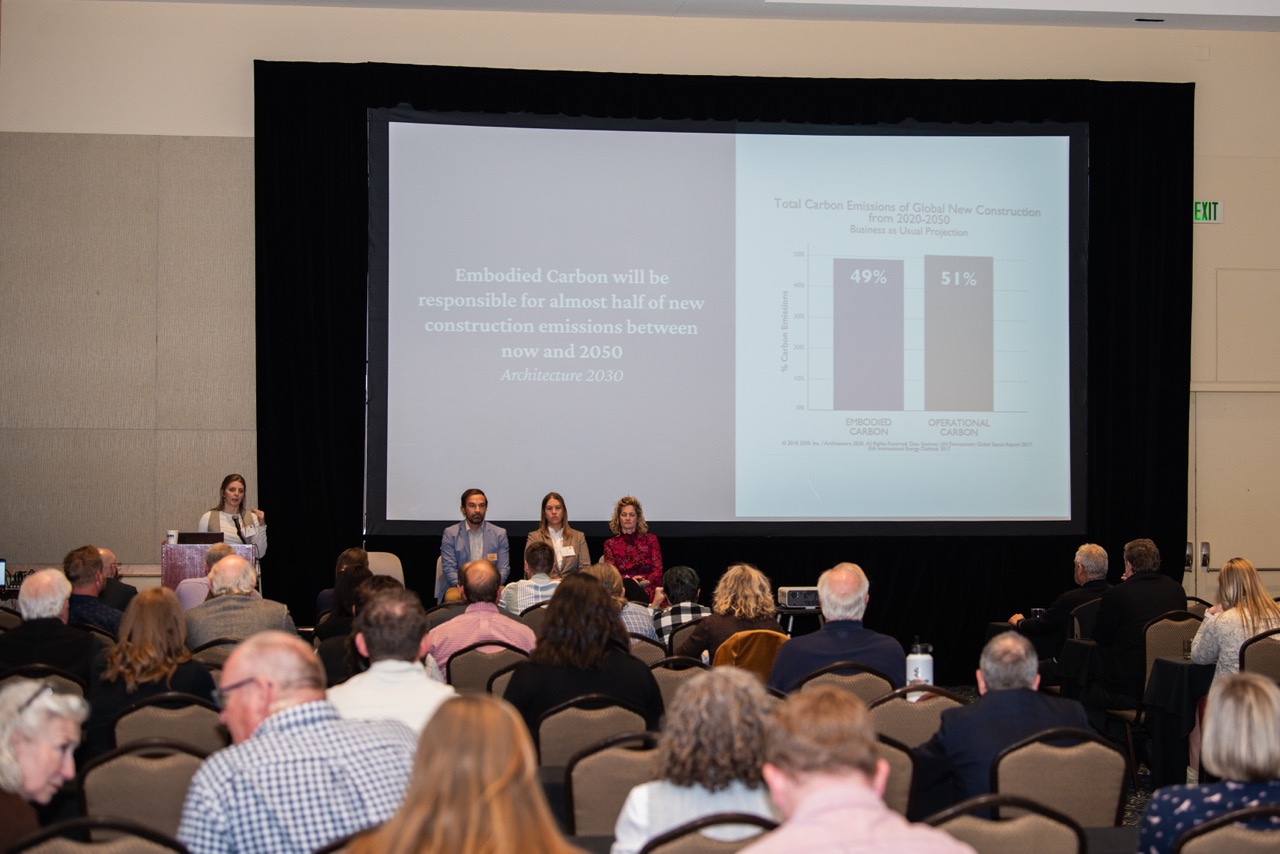
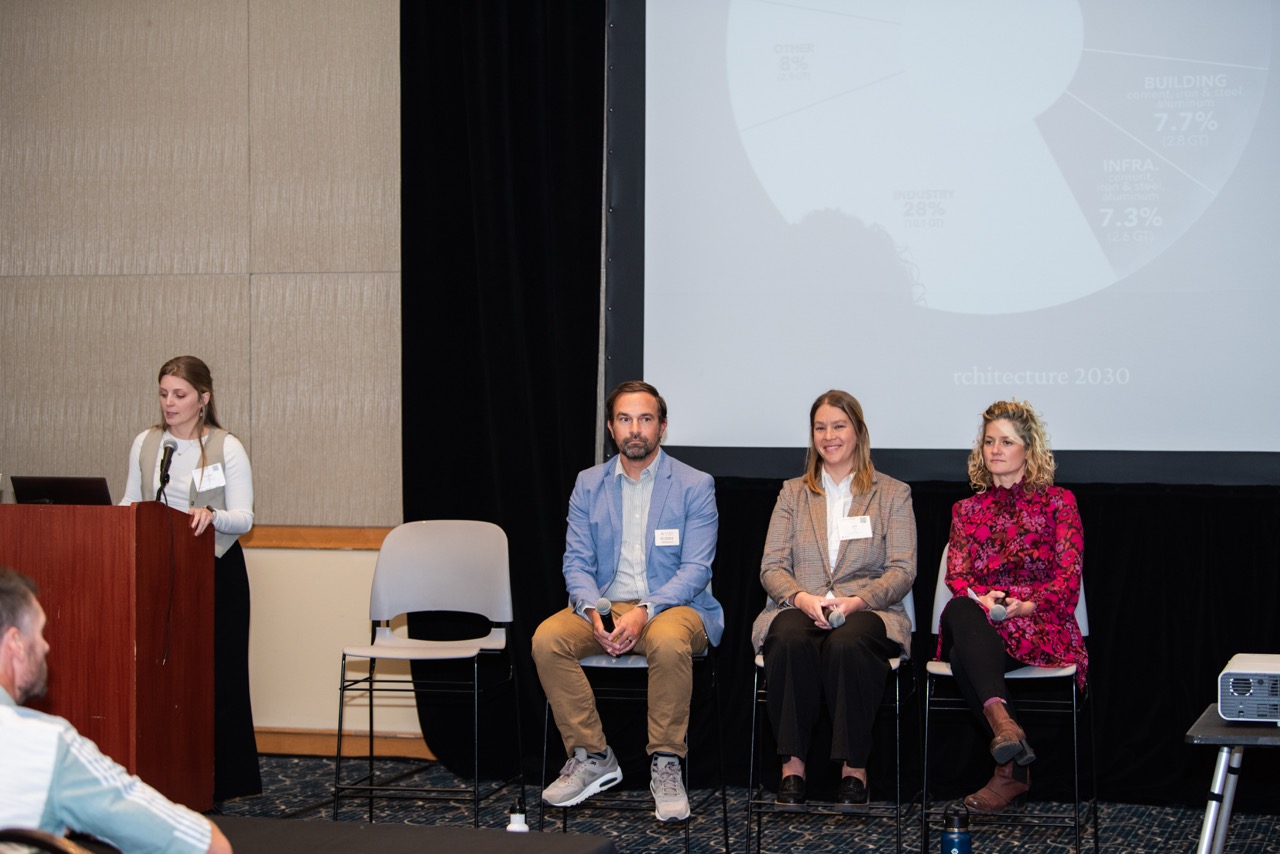
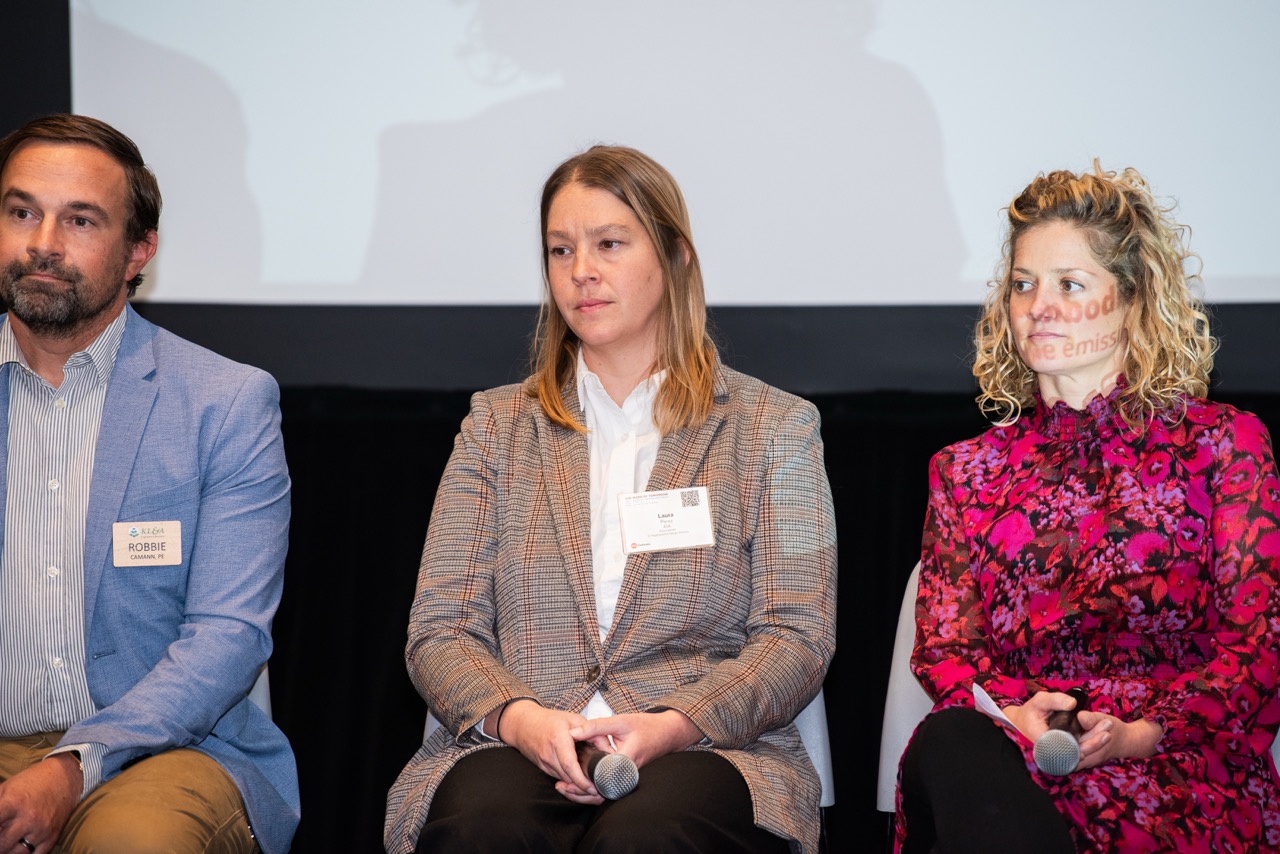
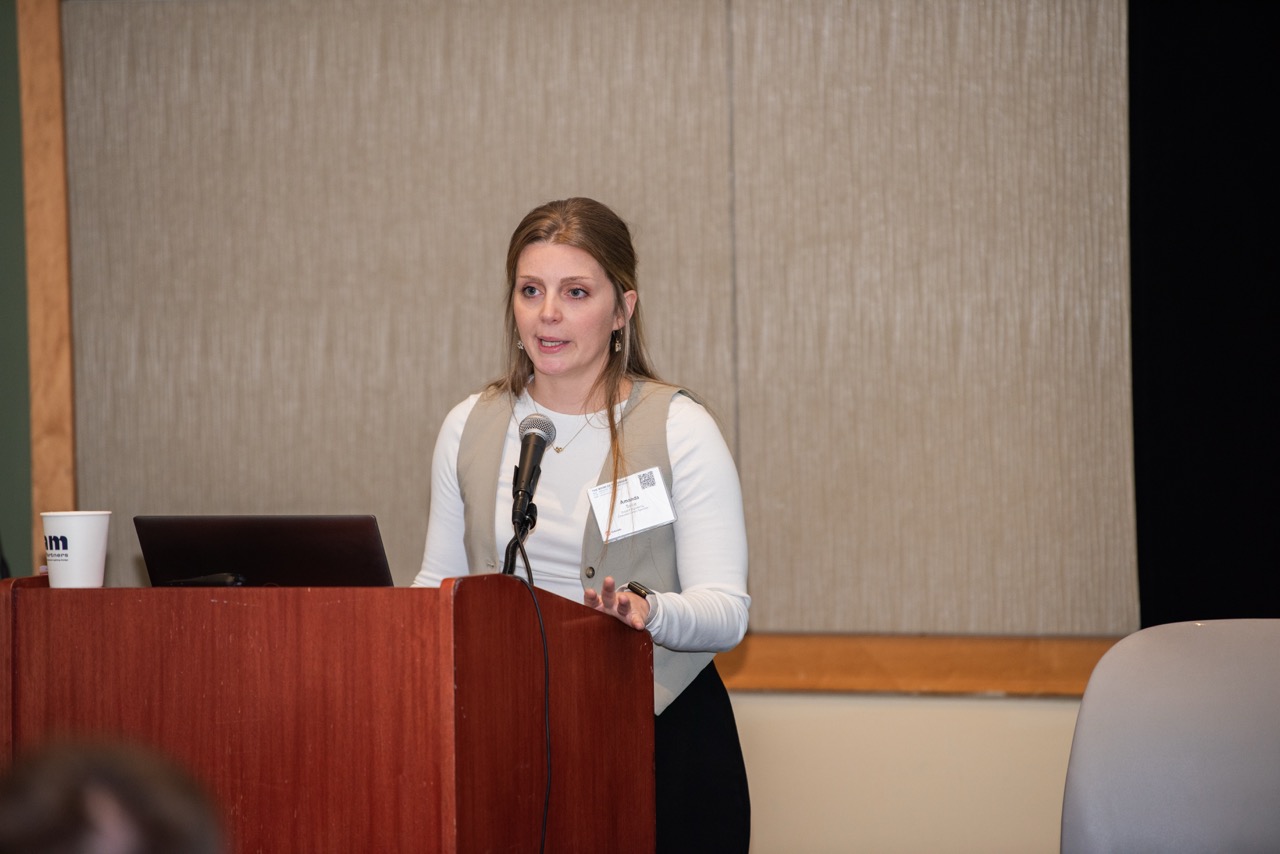
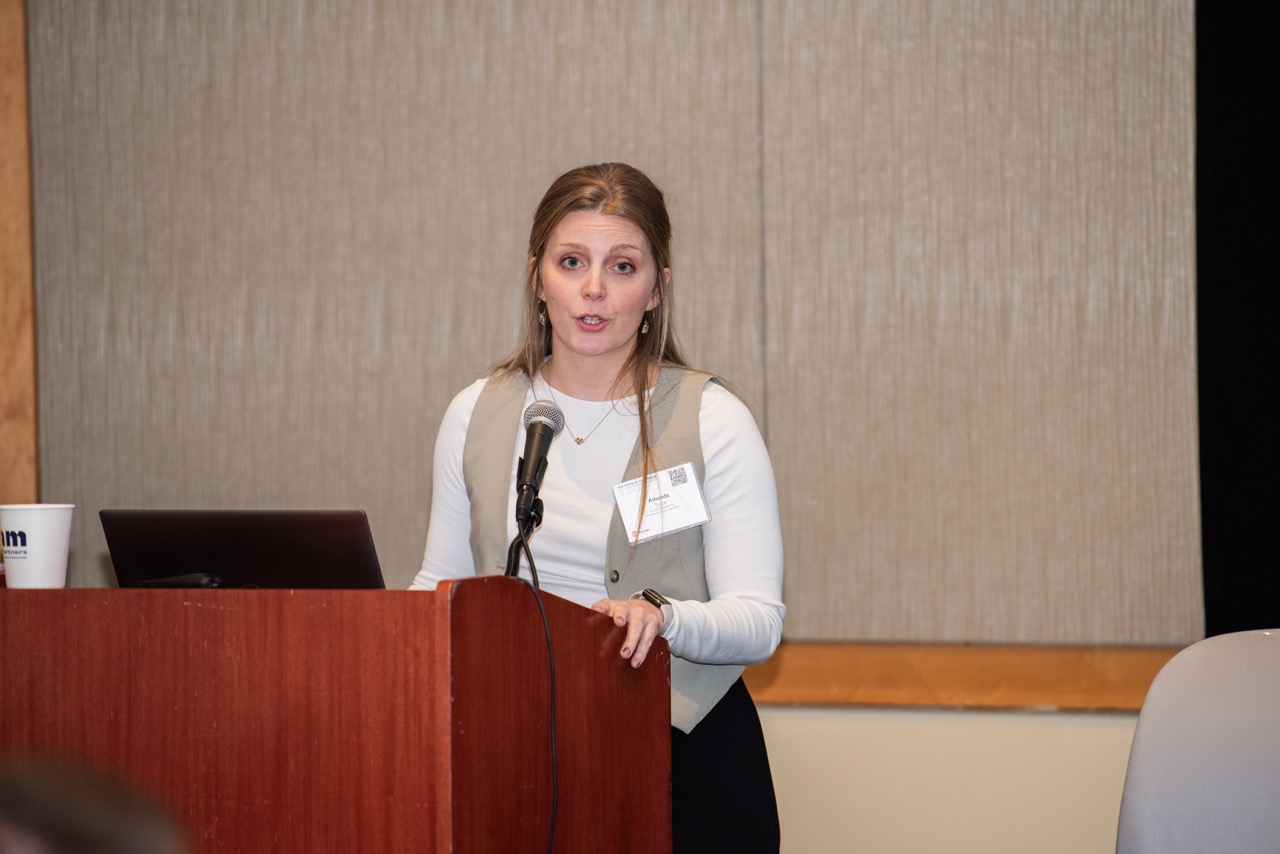
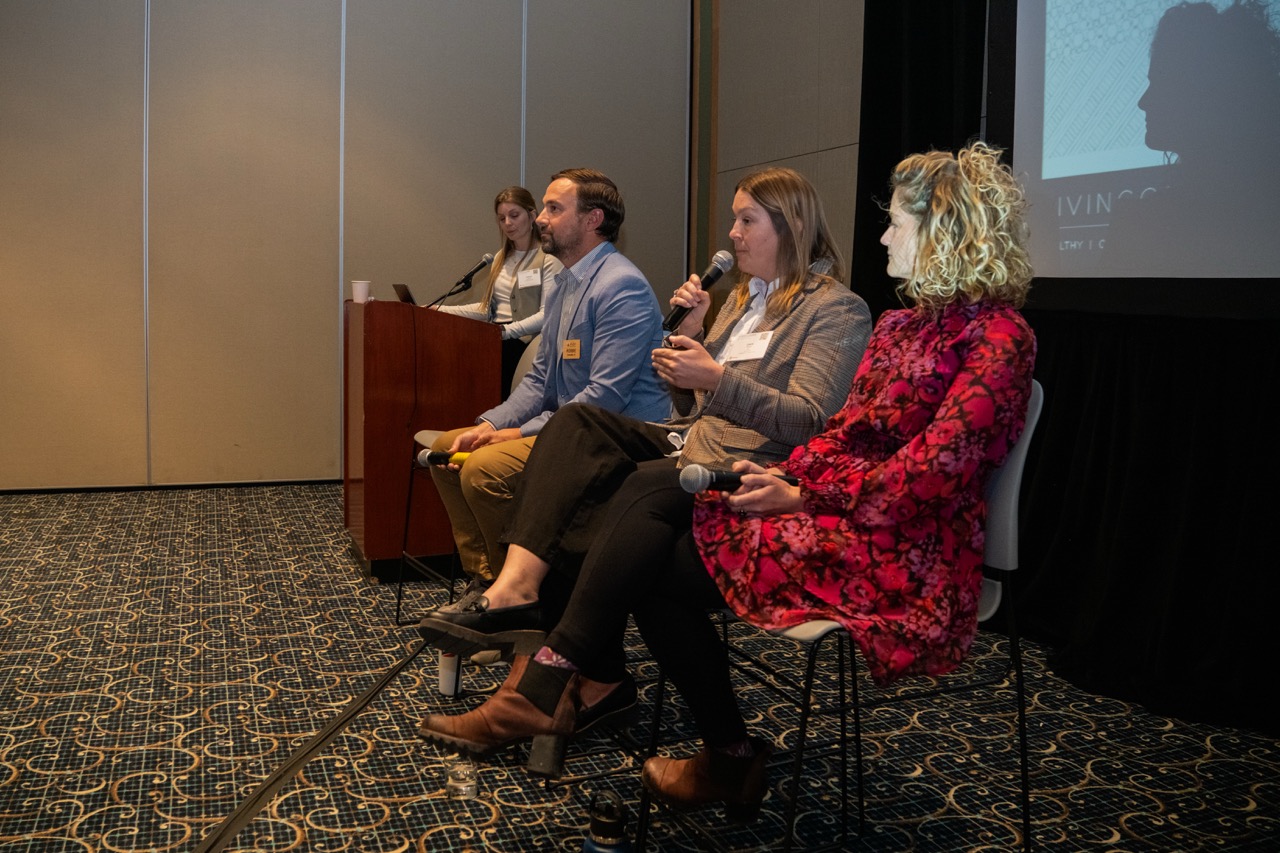
An embodied-carbon decision can happen before anyone opens a life-cycle assessment tool. At AIA Colorado’s 2026 Practice + Design Conference, Amanda Spice, Robbie Camann, Laura Perez and Bunny Tucker asked teams to start with the building already on the site, the space the client actually needs and the materials that could be kept in circulation.
The panel put reuse, salvage and reductions in area or material quantity ahead of the work of choosing among new products. A team comparing renovation and replacement has to weigh operational improvements and the carbon in the existing structure. The panel also asked designers to recognize how much memory and social value a building can hold. For new materials and assemblies, early side-by-side comparisons can steer decisions even before a whole-building study is possible. Mechanical systems belong in that discussion too, particularly when repeated replacement changes their share of whole-life impact.
The speakers connected practice to Colorado policy through examples that included public procurement, Boulder’s deconstruction requirements and Denver’s proposed reporting-first approach for certain new buildings in its 2027 energy-code update. Reporting puts information into the hands of designers and public officials and creates a baseline against which to judge future progress. The speakers treated the Denver provision as a proposal in development at the time of the conference.
Key Takeaways
- Start with the building, the program, and what can be saved. Ask what can stay, what can be salvaged, and how much space the client needs before comparing new materials.
- Weigh renovation and replacement across the life of the building. Consider both the operational improvements a project could achieve and the materials already in place. The panel also asked teams to account for what an existing building means to its community.
- Compare assemblies early and include mechanical systems. Side-by-side studies can guide design before a whole-building assessment is possible. Equipment replacement cycles can affect how much mechanical systems contribute over time.
- Track local policy and distinguish proposals from requirements. The panel discussed Boulder’s deconstruction requirements and Denver’s proposed reporting approach for certain new buildings. Reporting can establish a baseline for future decisions even before limits are in place.

Amanda Spice brings design and technical performance together to reduce embodied carbon in buildings. With a decade of experience as an architectural designer, she understands how early decisions shape long-term outcomes. Her work supports clients in aligning material choices with embodied carbon reduction targets—meeting regulations, reducing building impact, and advancing decarbonization goals. As a project manager at Group14, Amanda helps teams define sustainability goals, streamline documentation, and integrate carbon-reducing strategies. She’s an expert in life cycle assessment (LCA), embodied carbon analysis, and Buy Clean Colorado compliance. Amanda regularly supports design teams and public owners navigating policy requirements with clarity and confidence. Amanda is instrumental in statewide conversations on policy readiness, material transparency, and embodied carbon strategy. She is a key contributor to the Colorado Embodied Carbon Collaborative and active in several Carbon Leadership Forum hubs. She speaks often on decarbonization through both performance-based and policy-driven pathways. Her focus is always on actionable solutions that move the industry toward a more resilient, low-carbon future.
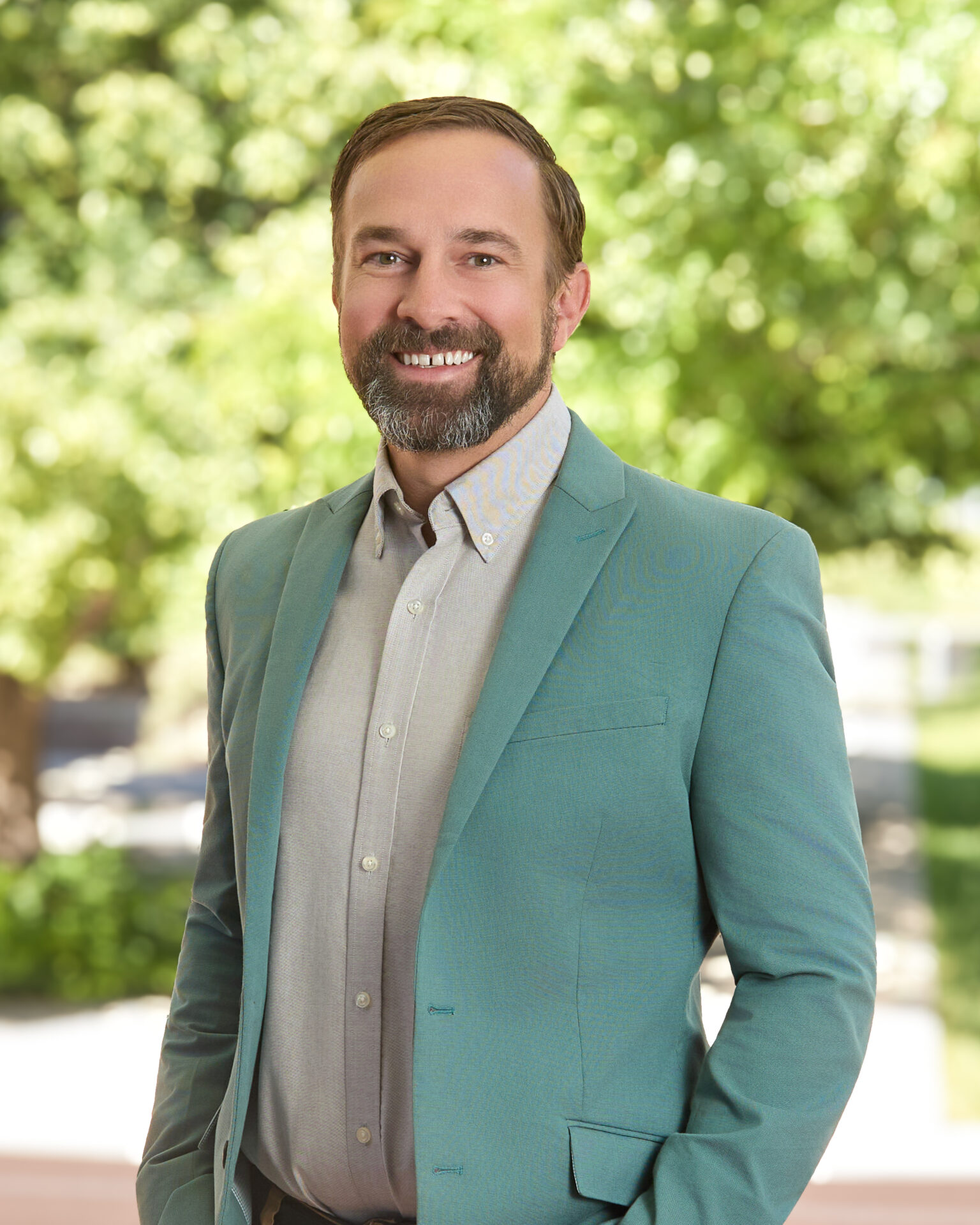
Robbie Camann
As a Principal, Robbie Camann leads KL&A’s embodied carbon group and brings more than 20 years of experience with a focus on multifamily and existing building adaptive reuse. He works across wood, concrete, and cold-formed steel, and is especially passionate about mass timber, particularly advancing structural applications for Colorado species like aspen, ponderosa pine, and Engelmann spruce to improve forest health and keep materials local.

Laura Perez, AIA, LEED® AP BD+C, LFA
Sr. Regenerative Design Advisor – Associate
Laura is a sustainability leader committed to harnessing the built environment as a powerful tool to address the global climate crisis. At Perkins & Will, she supports teams in delivering high-performing projects that achieve ambitious sustainability goals. Laura was a contributor to Perkins & Will’s Embodied Carbon Benchmarking effort and is an expert in whole building life cycle assessments (WBLCA). She leads the Denver studio’s material standards and the Common Material Framework education series, helping to advance low-carbon material decision-making across the practice. Laura is also actively engaged in shaping the future of policy through her volunteer work with the City of Denver’s code updates on the Embodied Carbon subcommittee, the Colorado Embodied Carbon Collaborative, and Carbon Leadership Forum. She brings a strong design foundation and a systems-thinking approach to her work advancing a more regenerative, climate-conscious future.

Bunny Tucker, AIA, CPHD is a senior architect at Shape Architecture Studio in Denver and a Certified Passive House Designer with over twelve years of experience working on high performance buildings. She combines her background in sustainability with her passions for educational and environmental justice to design spaces that contribute to human health, address climate change, and restore ecosystem function. As a leader within the AIA’s Committee on the Environment (COTE) and the Passive House community, she works across groups to advance a low carbon economy. She has taught comprehensive design studios at Drexel University and served on design juries for the AIA COTE Top Ten For Students Awards, Georgia Institute of Technology, and Temple University.