This website uses cookies to improve your experience. We\'ll assume you\'re ok with this, but you can opt-out if you wish. Read More
for the Next 150
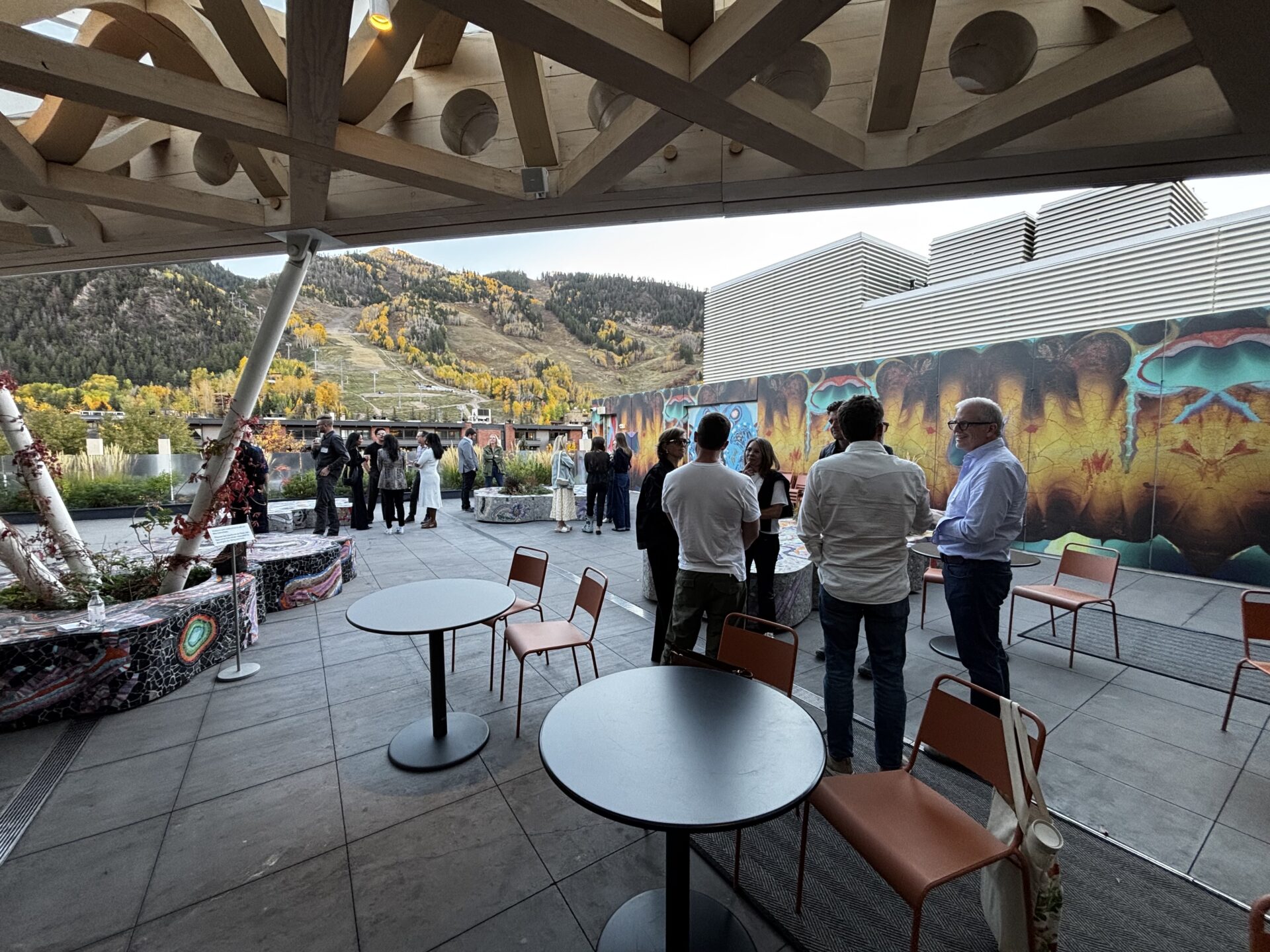
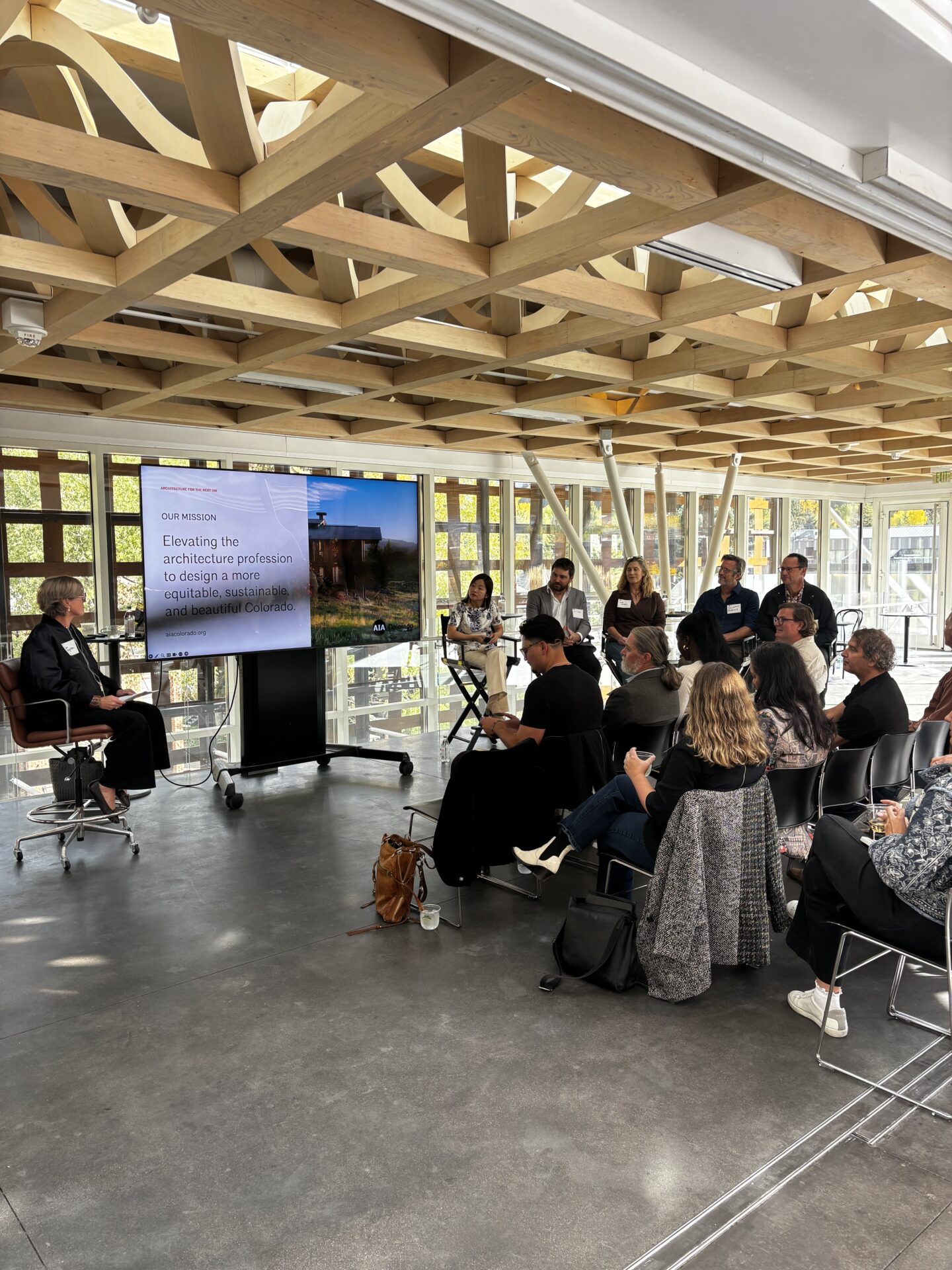
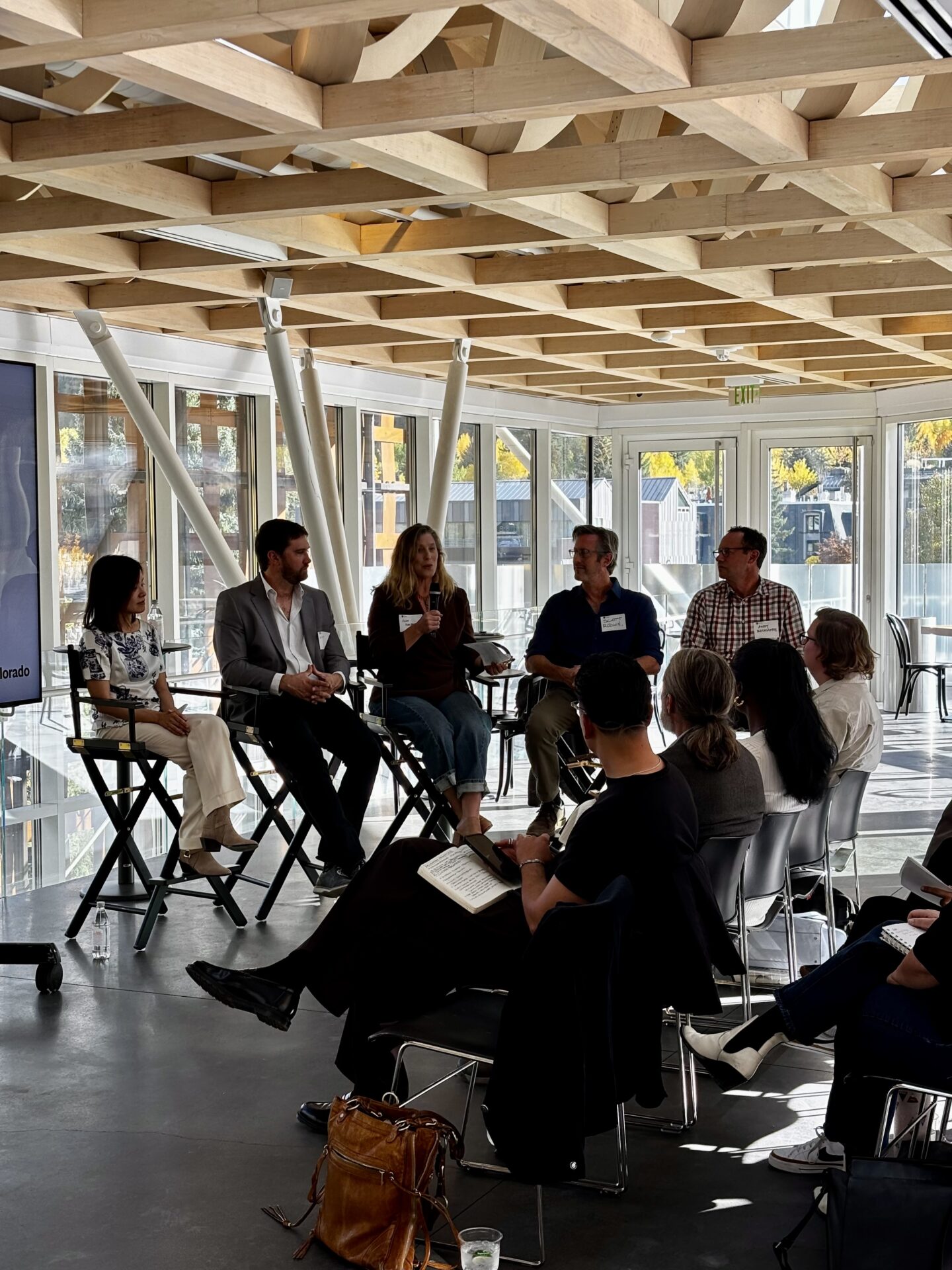
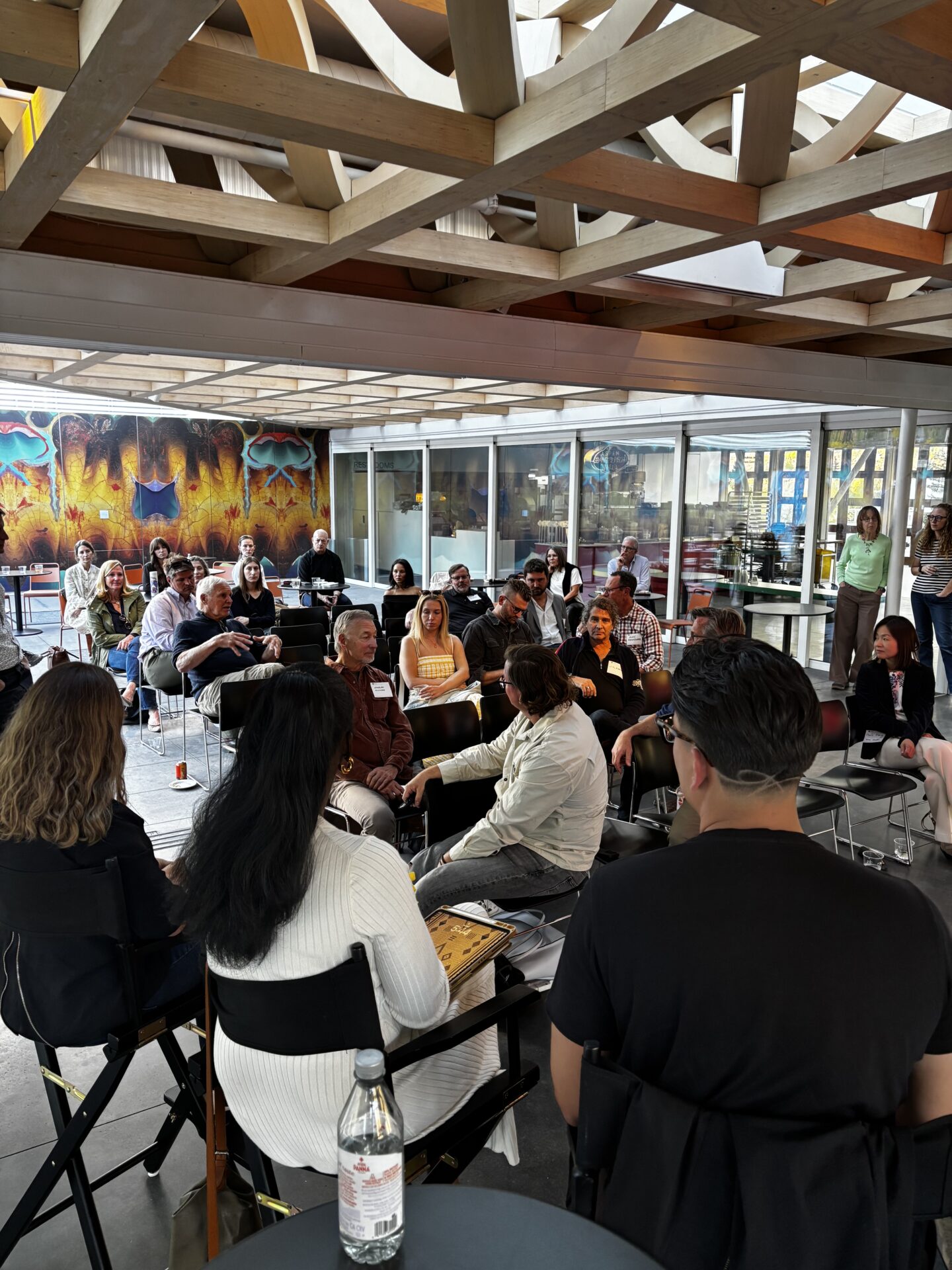
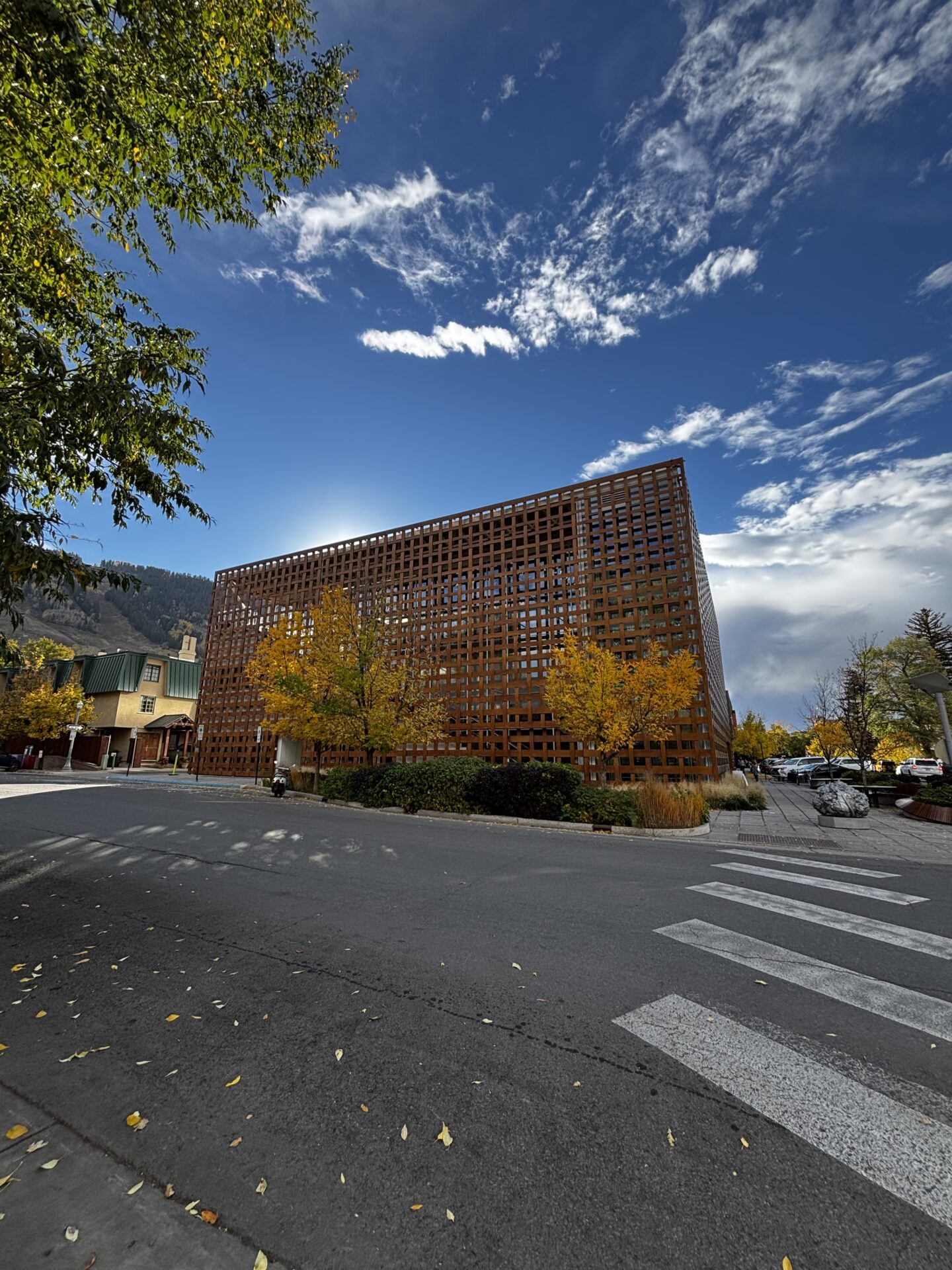
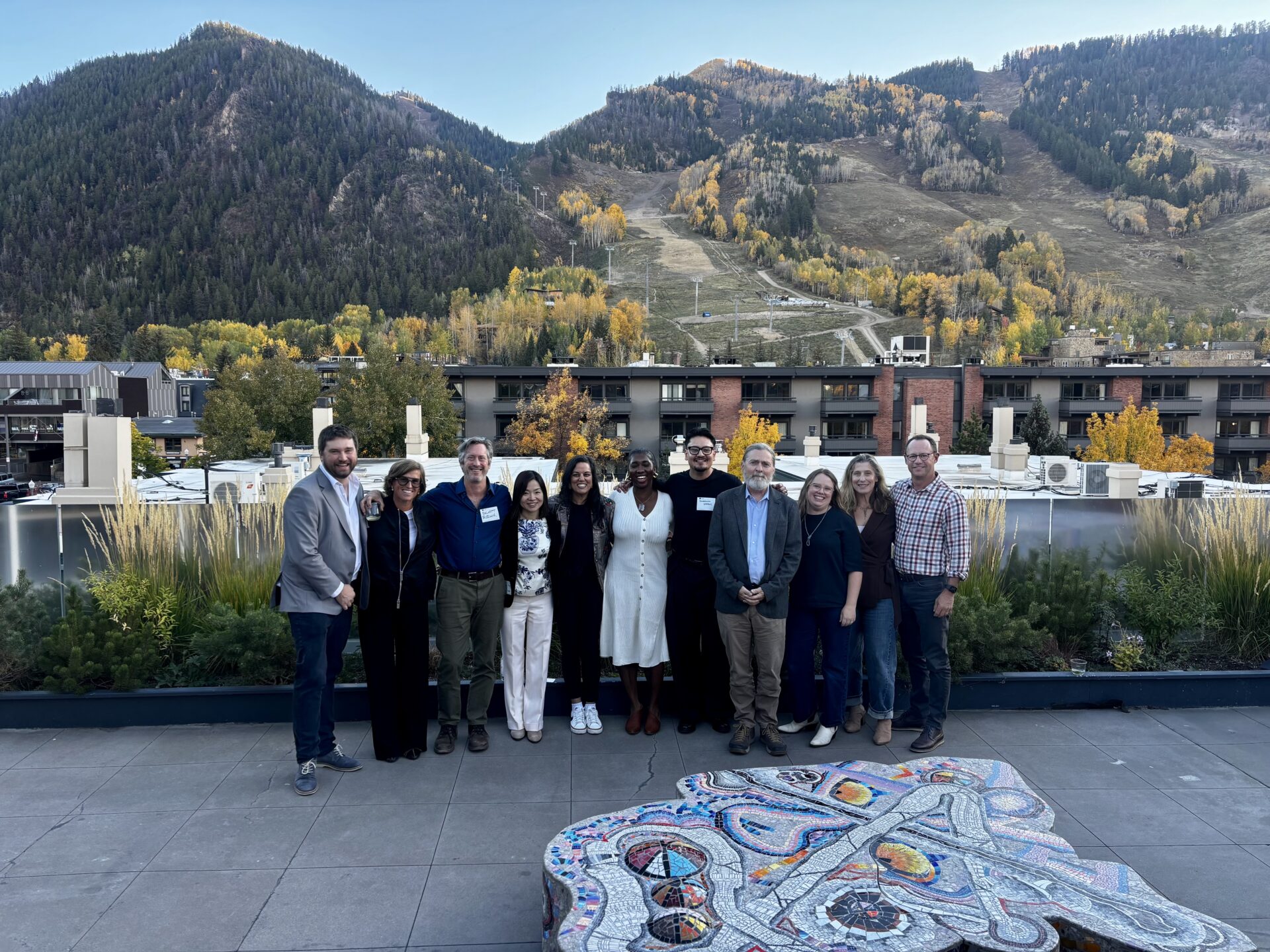
On October 8, 2026, architects and community members gathered at the Aspen Art Museum to consider an ambitious question: How can architecture help shape Colorado’s next 150 years?
Presented by AIA Colorado, Architecture for the Next 150 brought together members of the AIA Colorado Board of Directors and architectural leaders from across the state. The program looked to Colorado’s architectural legacy not simply as a record of the past, but as a foundation for imagining what could come next.
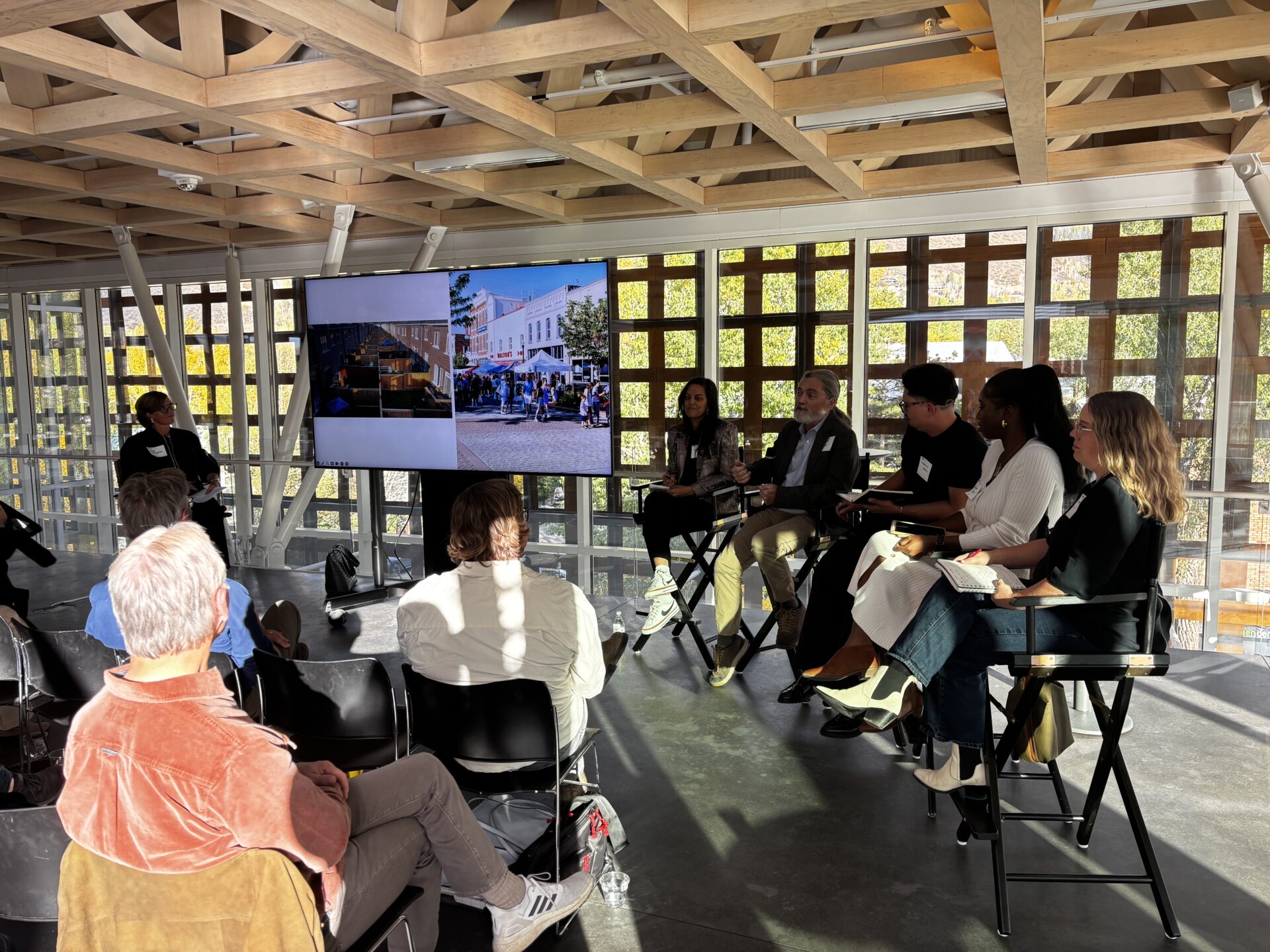
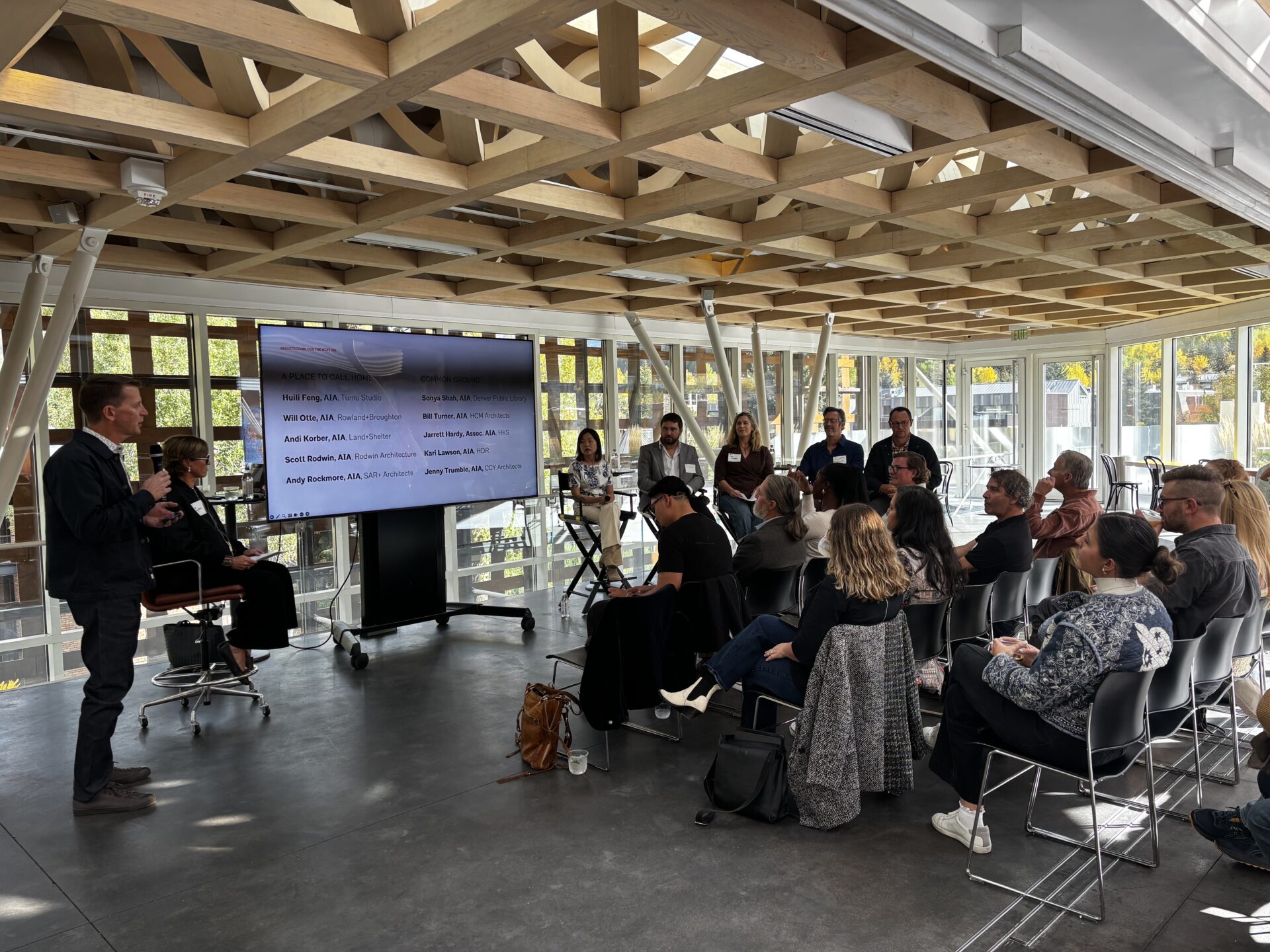
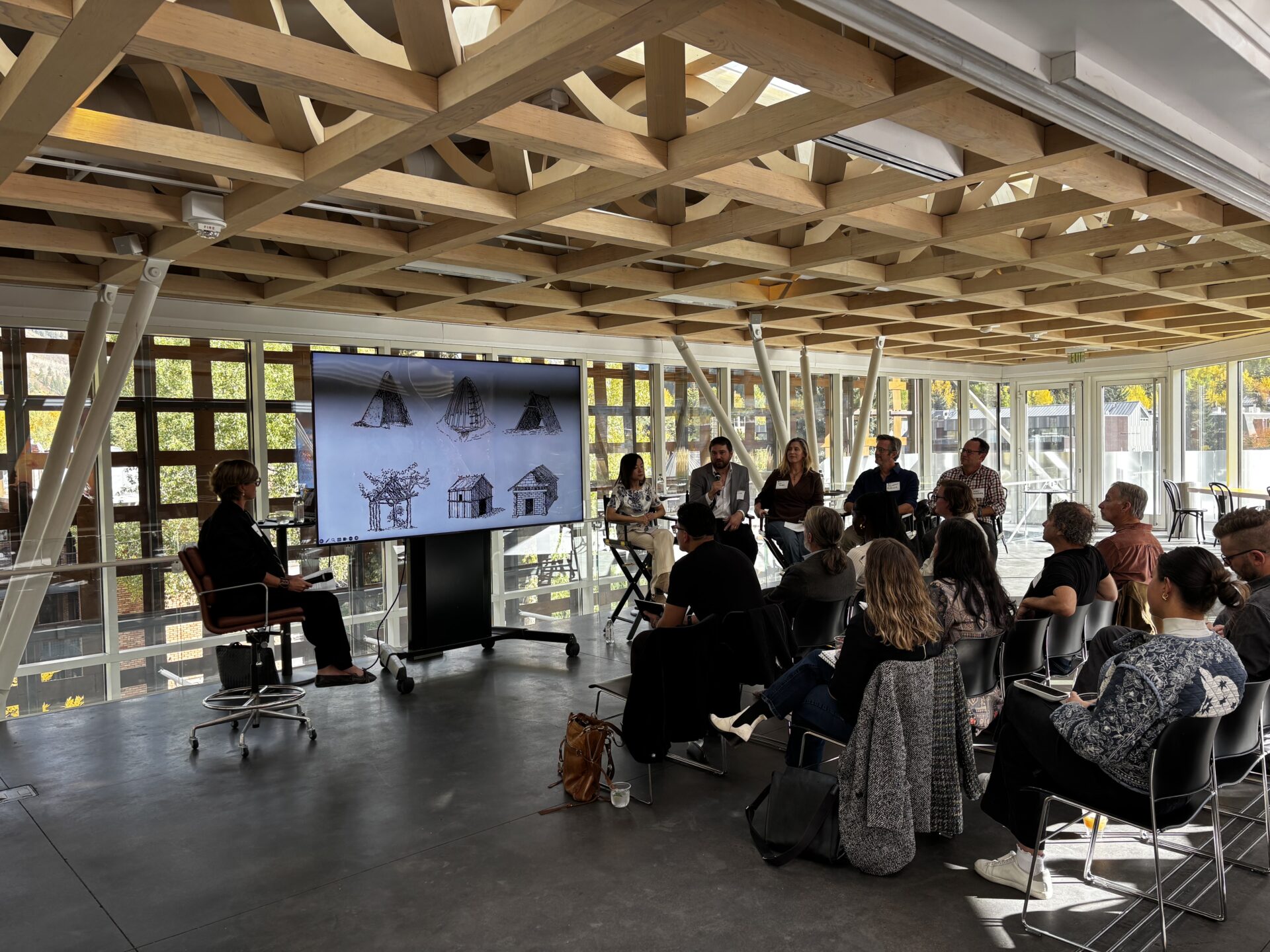
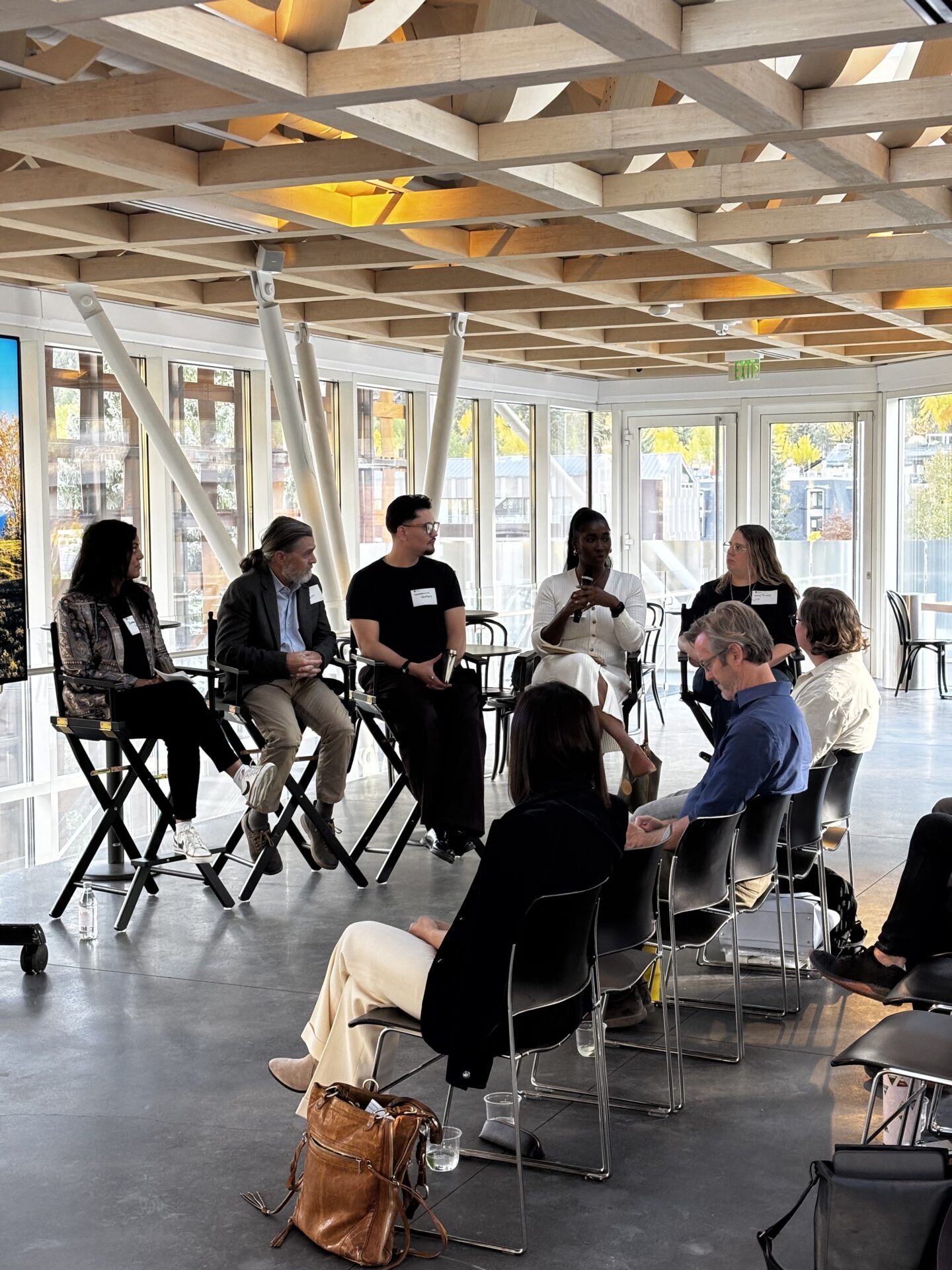
Mike Waldinger, Hon. AIA, CEO of AIA Colorado, opened the program, and Sarah Broughton, FAIA, of Rowland+Broughton moderated two panel conversations. The first examined the changing meaning of home. The second considered how architecture and the public realm can create common ground.
Across the event, the speakers explored resilience, affordability, emotional well-being, community identity, infrastructure, transportation, cultural life, and the forces reshaping architectural practice. While their subjects varied, a shared idea emerged: architects have an opportunity to move beyond diagnosing problems and help communities imagine what could go right.
A place to call home
The first conversation asked whether homes can continue to support the good life as Colorado faces changing household needs, increasing costs, shifting professional practices, and more severe climate conditions.
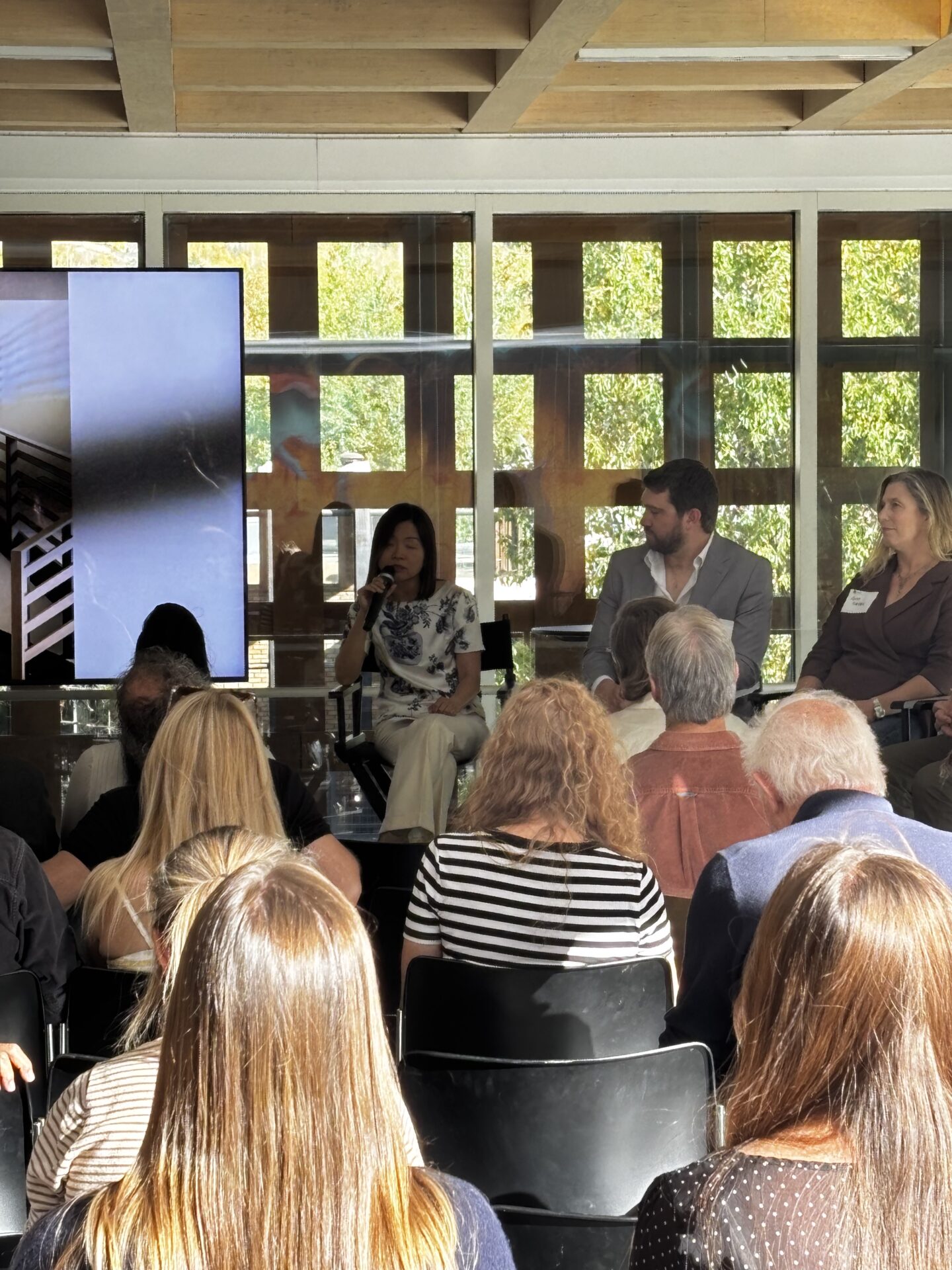
Huili Feng, AIA, of Tumu Studio, encouraged architects to give emotional performance the same attention they give climate, materials, and physical performance. She organized that ambition around protection, connection, and freedom.
A home can provide openness and a relationship to the surrounding landscape while also offering places of shelter and retreat. Connection to nature can extend beyond a view to include changing light, weather, air, and seasons. Feng also emphasized the value of spaces that occupants can interpret for themselves, such as a deep windowsill, a generous stair, or an unexpected reading nook. Rather than prescribing every experience, architecture can create conditions for comfort, discovery, and joy.
Will Otte, AIA, of Rowland+Broughton, considered how the fundamental responsibilities of a home are expanding. Access to clean air, water, food, safety, and comfortable temperatures can no longer be taken for granted as environmental conditions become less predictable.
Wildfire smoke, temperature extremes, and power interruptions place greater demands on building envelopes, interior environments, and mechanical systems. At the same time, homes must support psychological health and a meaningful connection to the natural world. Otte’s presentation raised an important question for the profession: As homes take on a greater protective role, how can healthy and resilient environments remain accessible rather than becoming premium amenities?
Andi Korber, AIA, of Land+Shelter, turned the discussion toward the forces transforming architectural practice itself. Private equity, consolidation, and the integration of architecture with engineering, construction, and real estate development may bring new efficiencies and resources, but they may also weaken independent design judgment, local knowledge, and opportunities for small firms.
Using affordable housing development near Aspen as a point of departure, Korber considered why large national organizations may be better positioned to deliver projects that local firms once would have led. Her presentation resisted a simple conclusion. Architects may need to defend independent practice, influence larger organizations from within, or create new collaborative models that give smaller firms access to shared technology, research, and administrative resources. The larger challenge is finding ways to achieve affordability and scale without losing creative independence or responsibility to place.
Scott Rodwin, AIA, of Rodwin Architecture, identified four forces he believes will shape the future of housing: sustainability, resilience, community, and abundance.
He anticipates that all-electric, net-zero-energy homes will become increasingly common through renewable energy, batteries, efficient building envelopes, and heat pumps. Resilience will also become more valuable as homes are asked to protect residents from fire, smoke, drought, extreme temperatures, and power outages.
Rodwin extended resilience beyond the individual building. Cohousing, live-work townhomes, cottage courts, and other community-oriented models can help people share resources and support one another. He also encouraged communities to begin with the outcomes they want, then revise codes and approval processes so those outcomes become easier and less expensive to achieve.
Andy Rockmore, AIA, of SAR+ Architects, proposed that the next 150 years should be about building neighborhoods, not only buildings. He encouraged architects to measure success by what happens outside the front door.
Using West Thorn, a proposed mixed-income neighborhood in Gunnison, Rockmore explored how responding to Colorado’s housing needs could also create stronger relationships and a sense of belonging. The project combines varied housing types with walkable streets, community agriculture, childcare, and a shared community barn. Everyday interaction becomes part of the neighborhood’s basic structure.
His presentation also considered how modular construction might support affordability while preserving character and responding to place. The challenge is to build housing that meets immediate needs while creating neighborhoods people will value for generations.
Finding common ground
The second panel expanded the conversation from the home to the spaces, institutions, and systems people share.
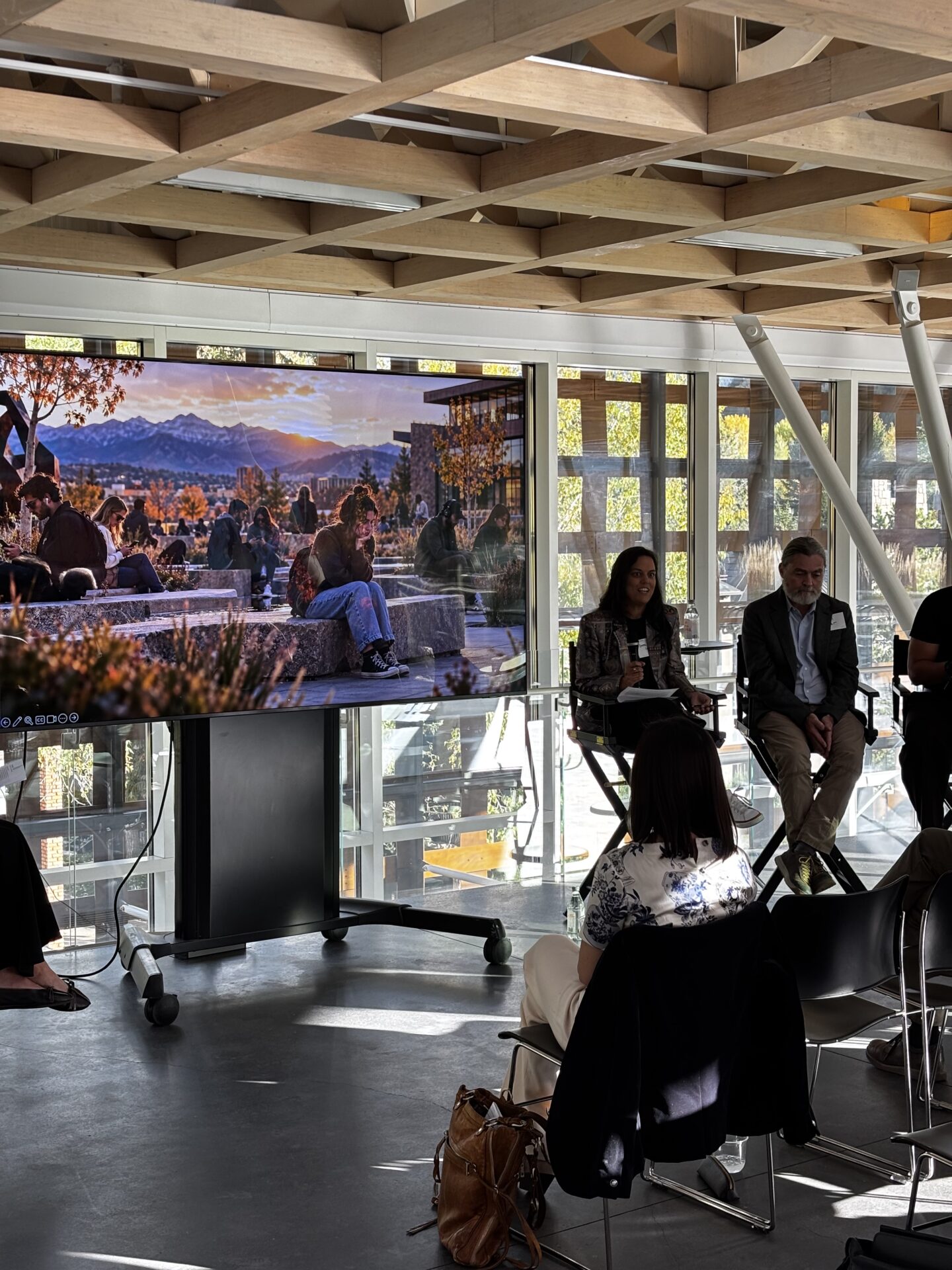
Sonya Shah, AIA, of Denver Public Library, asked where people will gather as the ways they connect continue to change. Her premise was both simple and consequential: People shape places, and places shape people.
Shah focused on spaces that are often treated as secondary to a building’s main function, including entries, lobbies, circulation routes, waiting areas, plazas, and support spaces. When designed with greater intention, these areas can become places of encounter, welcome, belonging, and community.
Her presentation suggested that the spaces between scheduled activities can become reasons to visit and stay. Public architecture can support civic life not only through its formal programs, but also through the everyday interactions it allows to happen.
Kari Lawson, AIA, of HDR, proposed that the systems communities depend on can also become common ground. Water, transit, energy, waste, food, and public services connect people, but the architecture supporting those systems is often hidden from public life.
Using the Pitkin County Solid Waste Center Scale House, Lawson invited the audience to reconsider the landfill as part of a shared landscape and a continuing civic responsibility. Mass timber, reclaimed materials, generous windows, gathering areas, improved circulation, and a form inspired by the surrounding cliffs connect a practical facility to its place and community.
The project raises a broader question about what architecture helps people notice, value, and care for. Infrastructure can do more than perform a technical function. It can make shared systems visible and encourage a deeper culture of stewardship.
Bill Turner, AIA, of HCM Design, connected community identity to places that remain useful across the day, the seasons, and generations. He considered what mixed use can mean not only in urban neighborhoods, but also in suburban and rural communities.
Turner also looked beyond individual buildings to the transportation and economic decisions that shape community life. Expanded passenger rail along Colorado’s major corridors could connect communities, employment, and recreation while creating new opportunities around stations. Municipal incentives could encourage developers to prioritize long-term architectural quality and sustainability instead of focusing primarily on initial costs.
His presentation emphasized that lasting places depend on decisions made at many scales. Buildings, streets, transportation, policy, and economic development all contribute to whether a community retains its identity and remains vital over time.
Jenny Trumble, AIA, of CCY Architects, responded to changes such as a warming climate and artificial intelligence by focusing on the cultural experiences that make people feel connected.
Inspired by live music and the informal energy of a house party, Trumble argued for places that support exchange, local expression, learning, and shared experience. Her examples included transforming a vacant biker bar into a community arts center in Big Sky, adapting a historic armory into a food hall intended to support emerging chefs, and planning an education and conservation center around historic agricultural buildings.
Together, these projects demonstrate how adaptive reuse and new gathering spaces can preserve memory while making room for new communities and activities. They also show that architecture’s social value often comes from allowing people to shape a place over time.
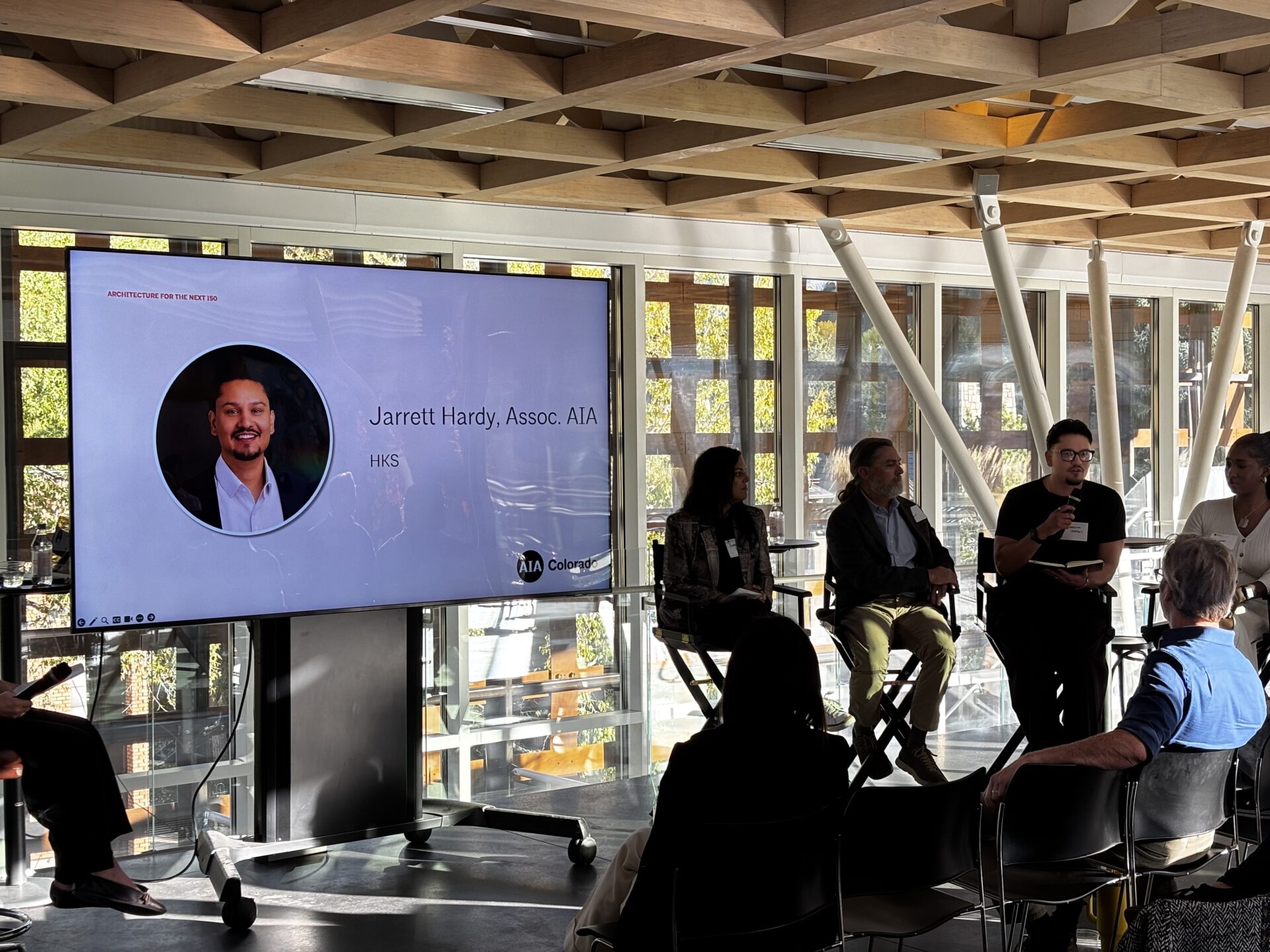
Jarrett Andrés Hardy, Assoc. AIA, with HKS, explored how community advocacy and computational craft can preserve cultural identity within Colorado’s changing landscape. Through his work with Denver’s Latino Cultural Arts Center, he demonstrated how digital fabrication and community-led design can create an adaptable setting where layered identities coexist and evolve. Drawing inspiration from the Andean khipu, an ancient woven system for recording information, Hardy challenged architects to create resilient cultural spaces that recognize community contributions, strengthen civic memory, and allow people to shape their own futures.
Designing toward what could go right
The program concluded with an audience question-and-answer session that brought the two conversations together.
The discussions made clear that Colorado’s next chapter will not be shaped by buildings alone. It will be shaped by the relationships architecture supports, the systems it reveals, the risks it helps communities navigate, and the possibilities it makes easier to imagine.
Homes must provide safety and resilience while supporting joy, freedom, and belonging. Public and civic spaces must welcome both planned activities and informal encounters. Infrastructure must function effectively while helping people understand their shared responsibilities. Professional and regulatory systems must support affordability, local knowledge, design quality, and long-term value.
Colorado’s architectural legacy offers an important foundation, but the work of the next 150 years is already underway. The challenge for architects is not only to respond to change, but to help communities picture a better future and begin building it together.