This website uses cookies to improve your experience. We\'ll assume you\'re ok with this, but you can opt-out if you wish. Read More
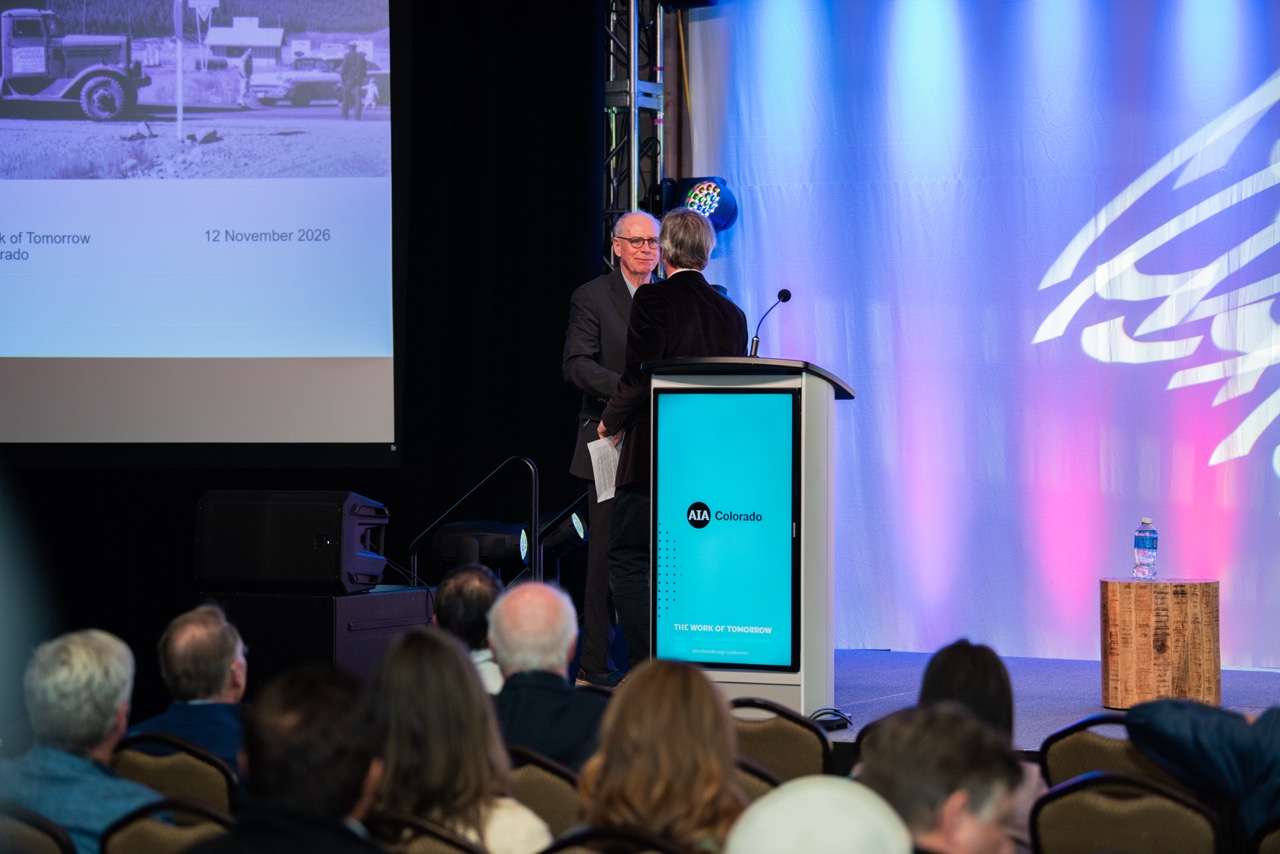
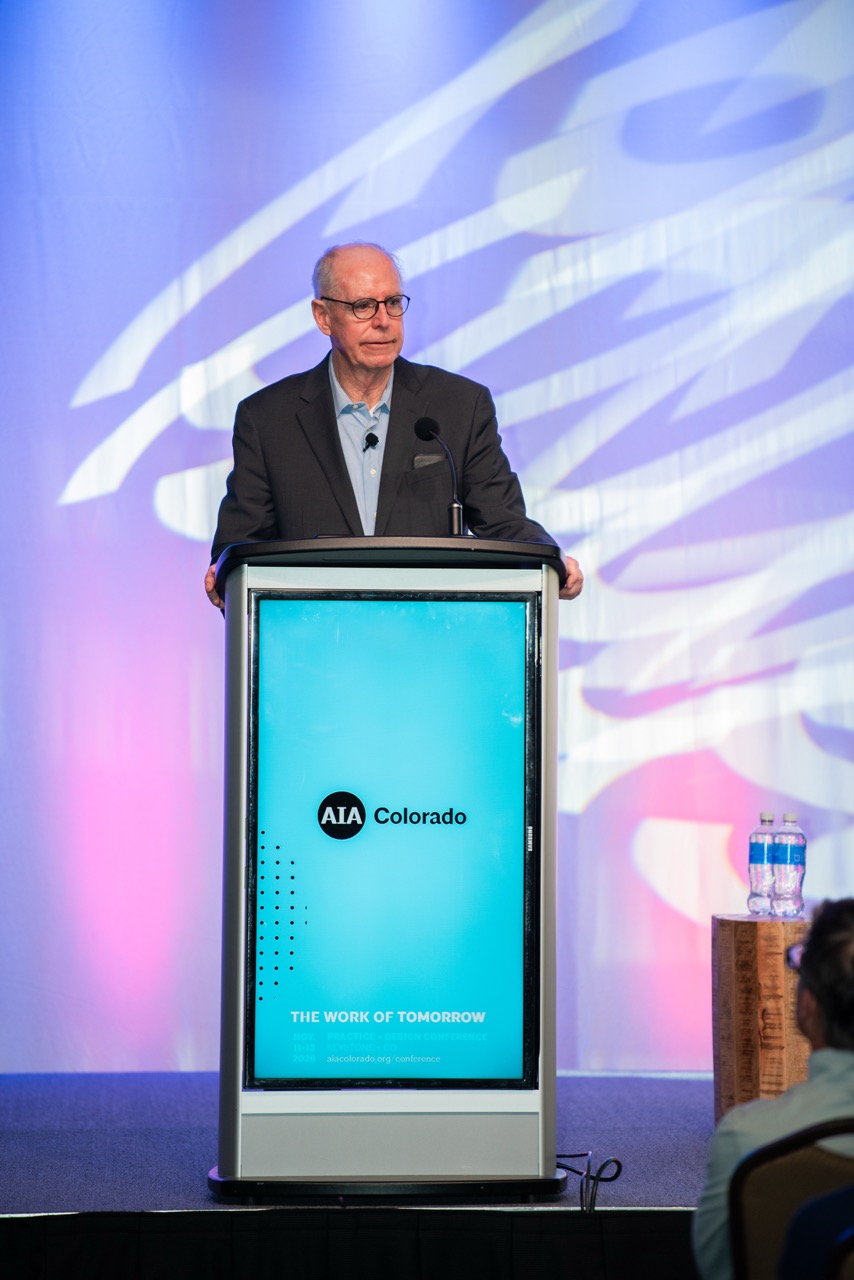
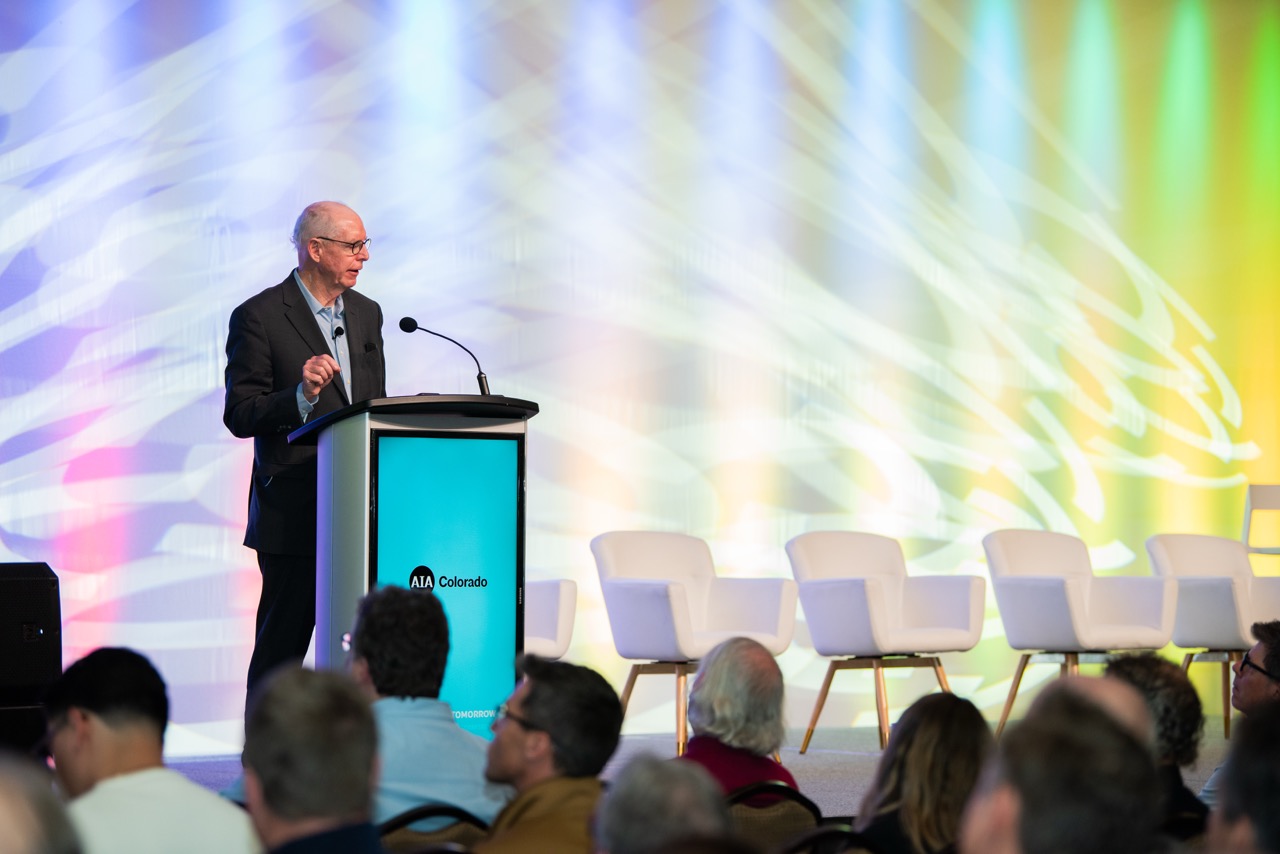
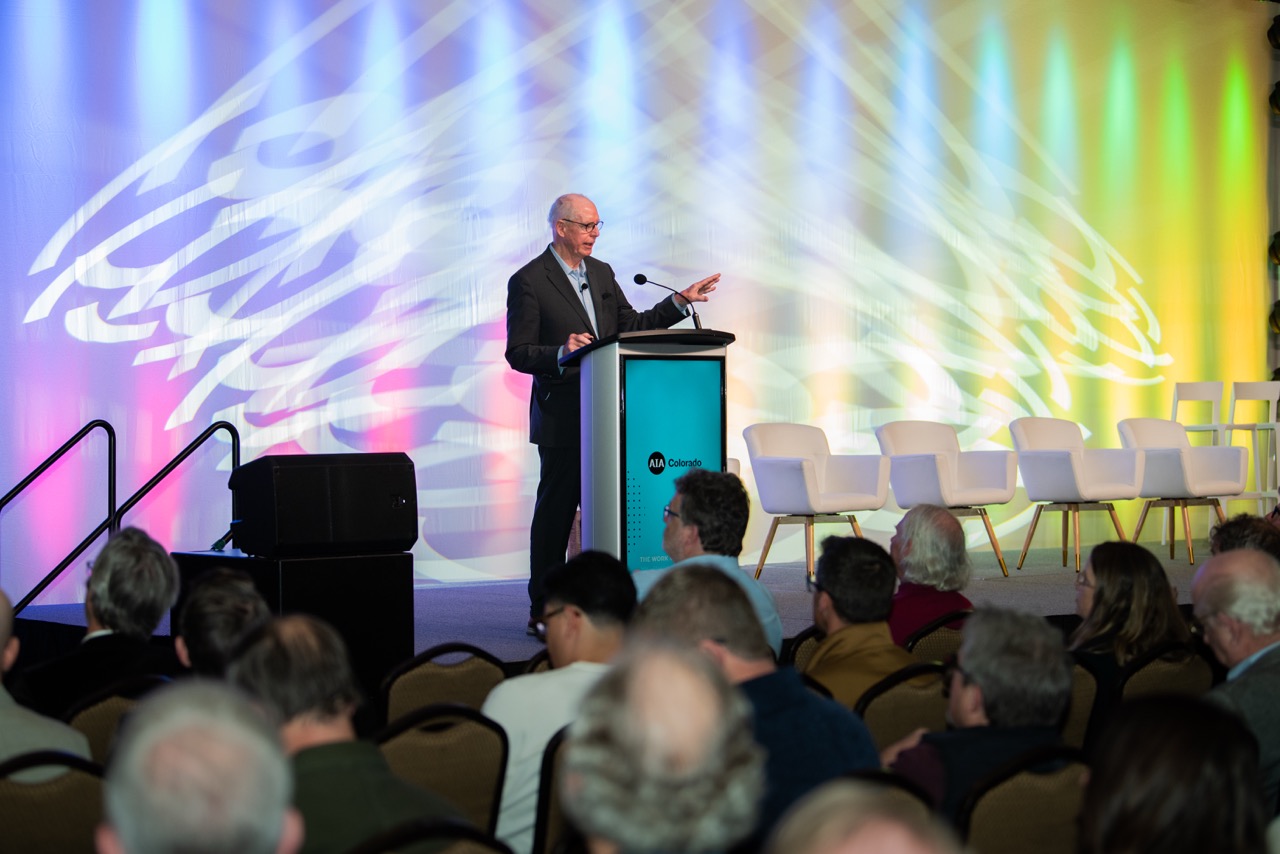
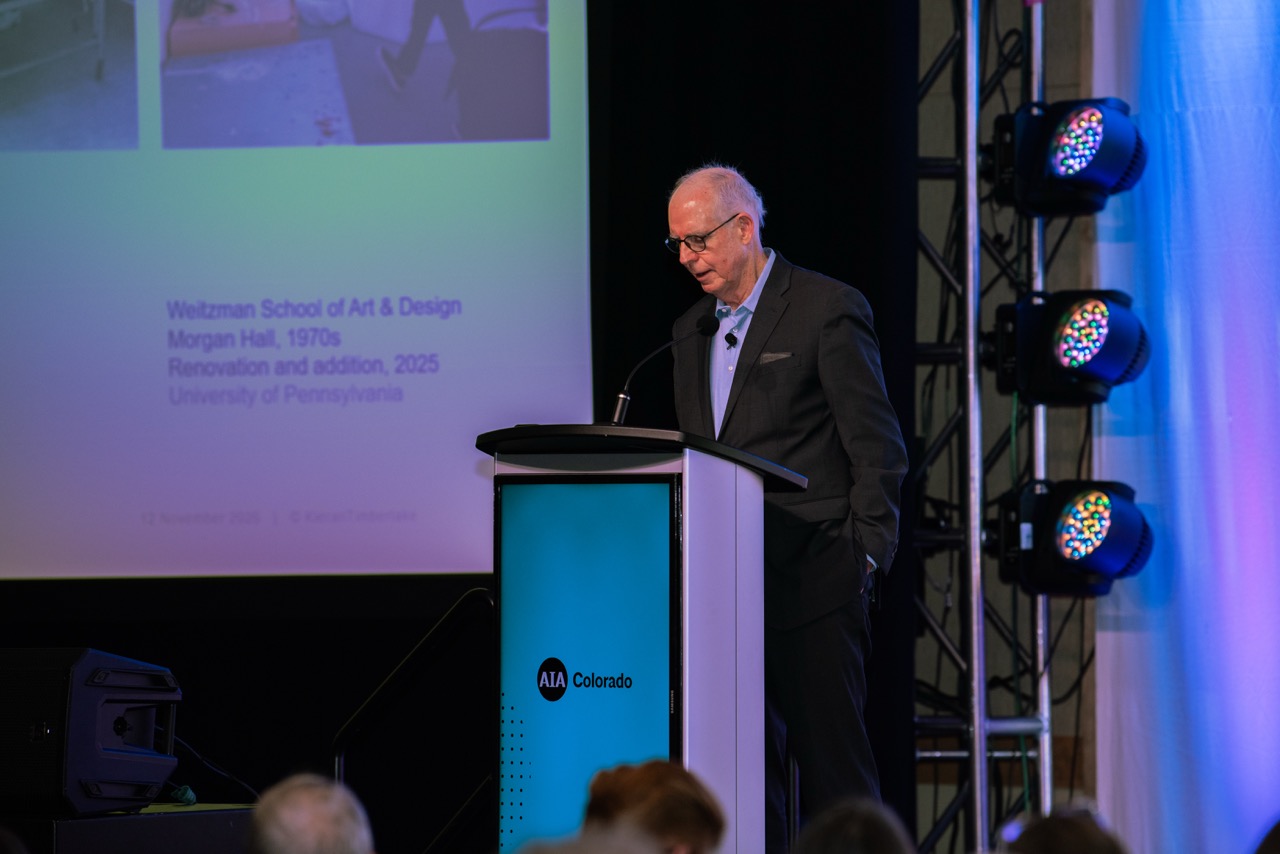
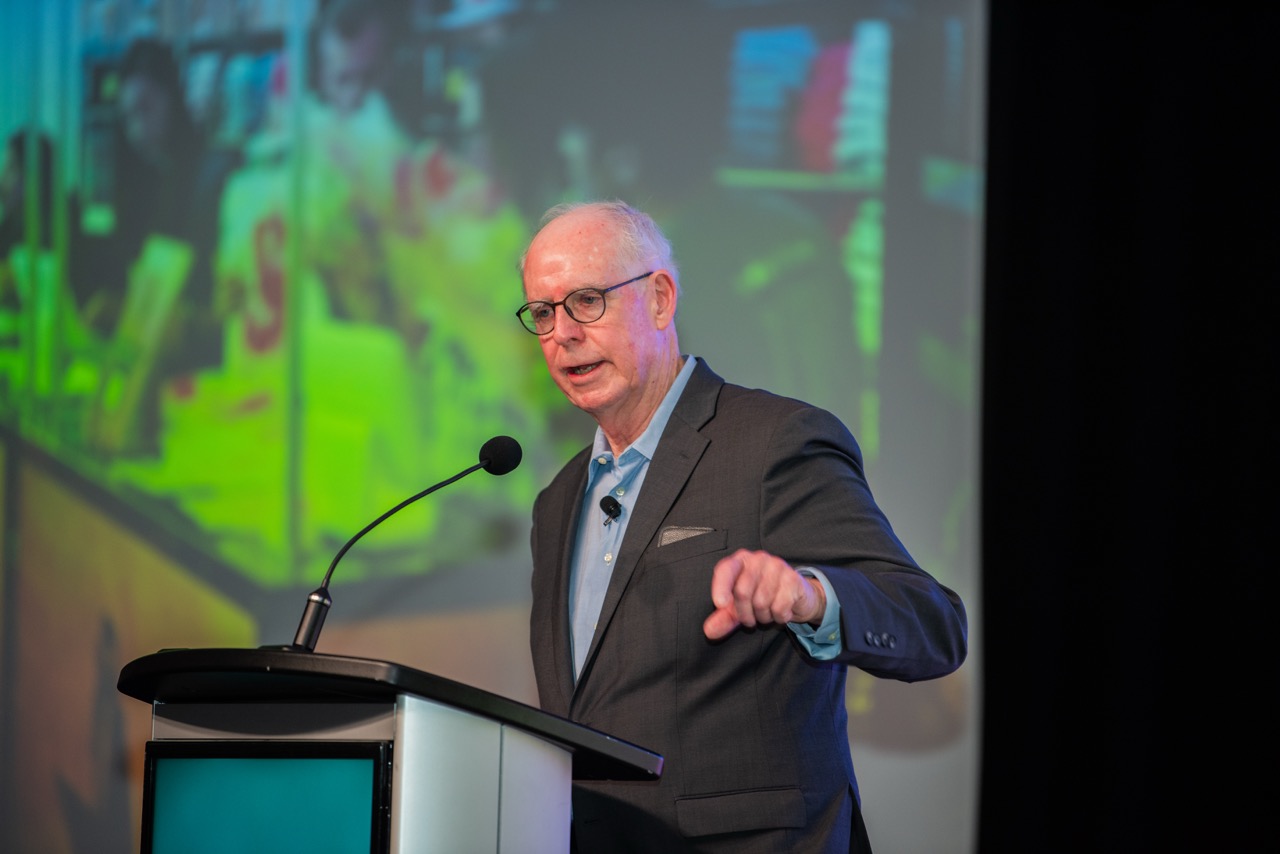
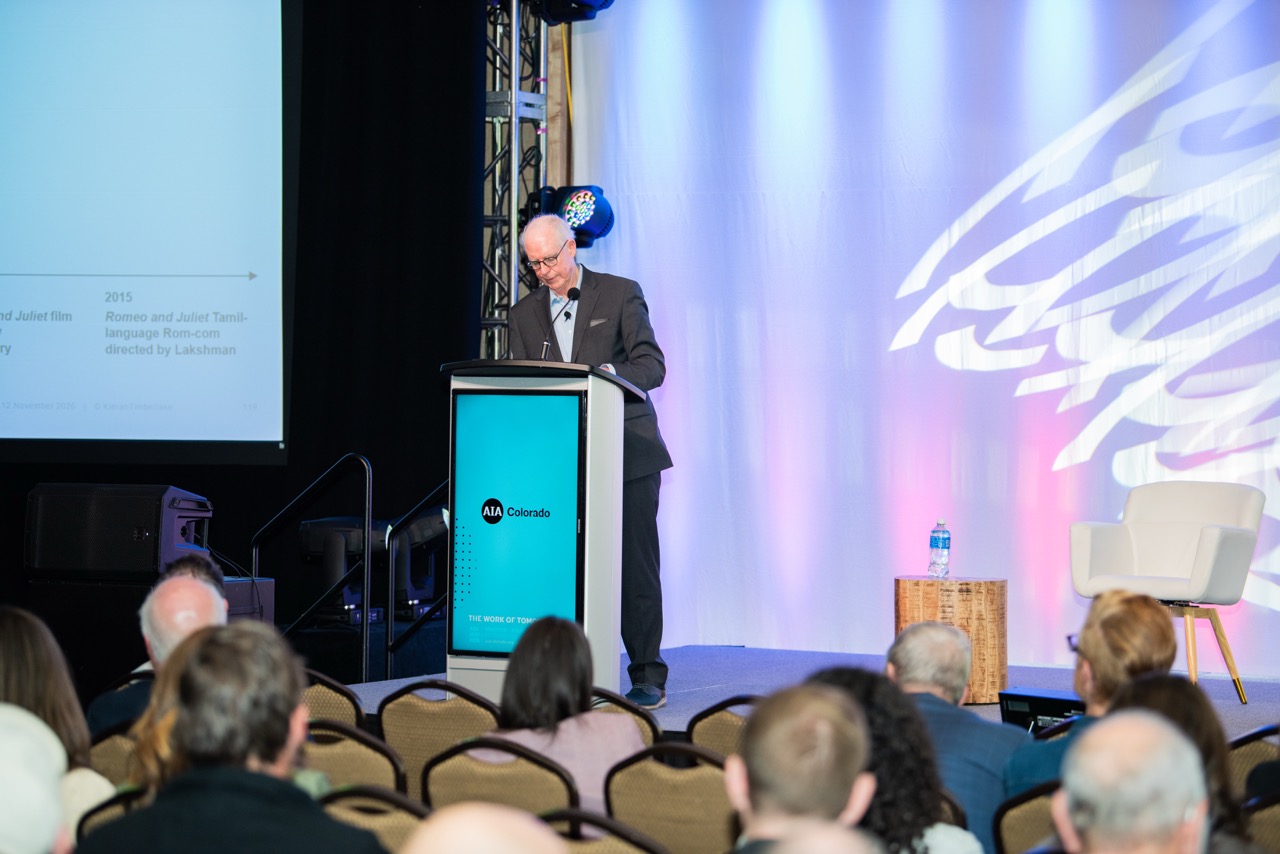
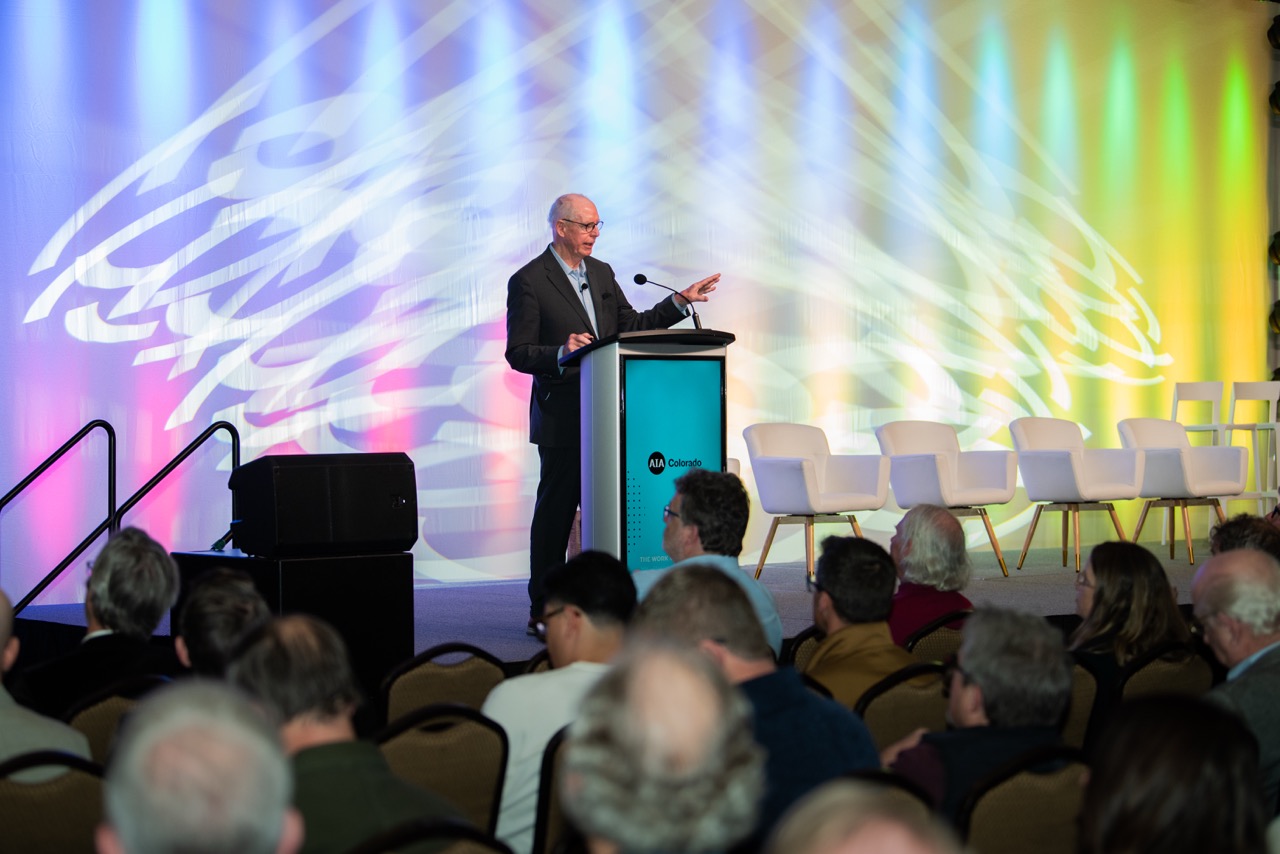
At the University of Pennsylvania, a nineteenth-century building that once housed physics laboratories now serves the Weitzman School of Design. Stephen Kieran, FAIA, used the Morgan Building at AIA Colorado’s 2026 Practice + Design Conference to show how a decision about what to keep can shape a project’s cost, carbon footprint and connection to the people who use it. The historic building was larger than the addition, yet its renovation accounted for 38 percent of the combined construction cost in the comparison he presented.
Kieran framed the existing building stock as the profession’s largest field of work. Buildings hold investment, the carbon associated with their materials and construction, and memories that communities accumulate over time. Each requires a different kind of accounting. A cost comparison has to include maintenance and replacement as well as construction. A carbon analysis has to include the materials already in place. And the case for keeping a building grows stronger when there is a viable use for it.
His examples ranged from Harvard residence halls that gained capacity through renewal to the far larger stock of ordinary housing. That last category prompted a question about the profession’s reach. Architects could work with communities to improve homes through weatherization, efficient windows and heating, electrification and workforce training, including in neighborhoods where a conventional commission may never materialize.
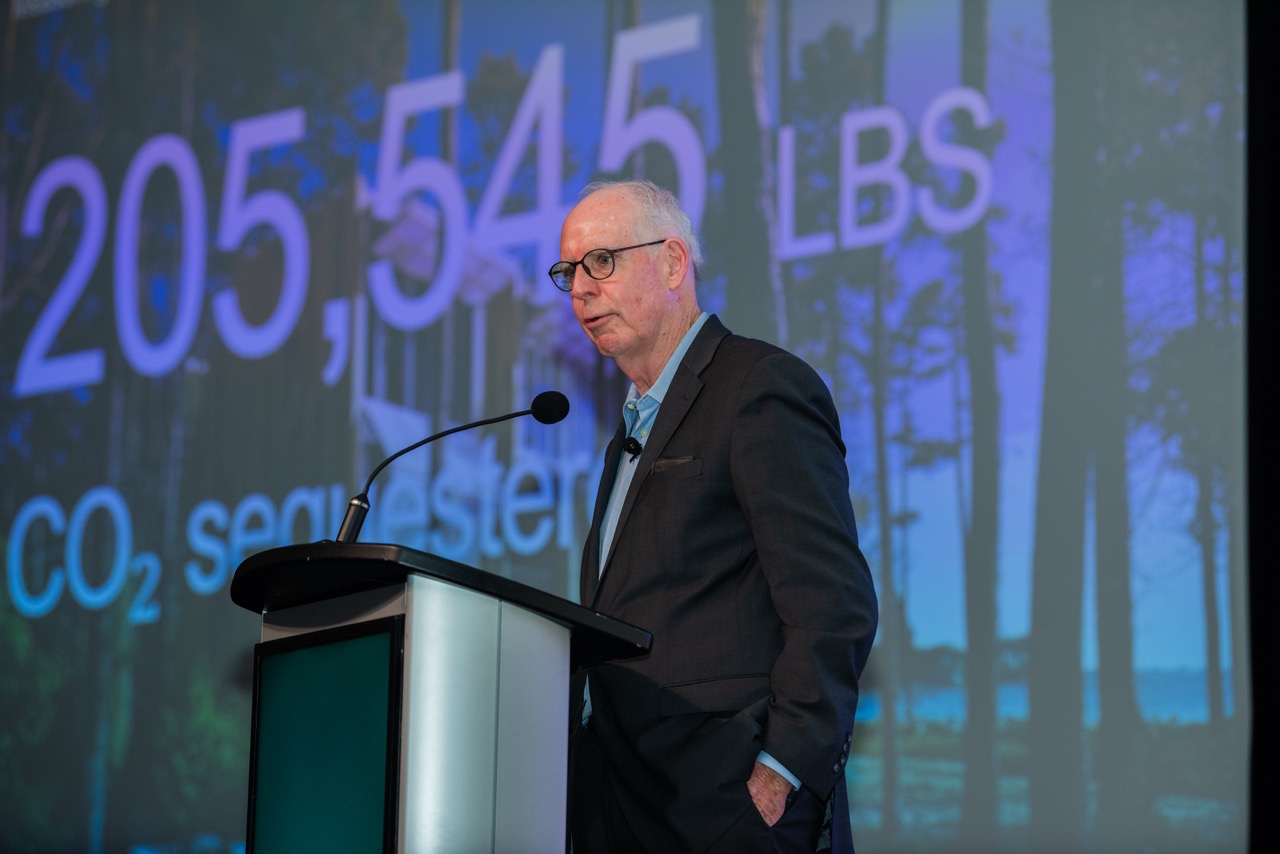
Kieran also showed how measurement can make stewardship part of everyday practice. KieranTimberlake uses Tally to compare the embodied carbon of material choices while architects are still in a position to act on the results. The same habit of looking at evidence runs through the Morgan Building example. A building judged obsolete under one program can have decades of use ahead under another.
This is the cost of ownership. It’s central to ethical stewardship.
Stephen Kieran, FAIA
Key Takeaways
- Test the case for renewal with project-specific numbers. At Penn’s Morgan Building, the historic structure was larger than the new addition, yet its renovation accounted for 38 percent of the combined construction cost in Kieran’s comparison.
- Give an existing building a use that can sustain it. The former physics laboratories now serve the Weitzman School of Design. A viable new use gives the institution a reason to invest in the building and care for it over time.
- Compare what it takes to own a building over time. Include maintenance and replacement in cost comparisons, and identify which parts are likely to change first so they can be adapted without wider demolition.
- Measure embodied carbon while the design can still change. KieranTimberlake uses Tally to compare material choices during design. A comparison of renewal and replacement also has to account for the materials already in place.
- Look for renewal opportunities in everyday housing. Weatherization, better windows, efficient heating, and electrification give architects ways to improve existing homes. Community partnerships and workforce training can extend that work beyond conventional commissions.

Stephen Kieran, FAIA, LEED Fellow, treats architecture as a meeting place for art and science—a conviction that has shaped KieranTimberlake’s research-driven practice for more than four decades. From the early adoption of building information modeling and environmental analysis tools to close collaboration with fabricators and materials scientists, Steve has continually shifted expectations of the architect’s role, bringing technical rigor and intuition to bear on the same problem.
His work includes the new Interdisciplinary Engineering Building at University of Washington, Scaife Hall at Carnegie Mellon, the renovation and addition to the Folger Shakespeare Library, and the ongoing House Renewal projects at Harvard University. Earlier projects—like Loblolly House, an off-site fabricated home in the Chesapeake Bay; SmartWrap™, a mass-customizable building envelope exhibited at the Cooper-Hewitt, National Design Museum; Cellophane House™, a fully recyclable, energy-gathering dwelling exhibited at The Museum of Modern Art; and the Embassy of the United States in London, which sets an agenda to achieve carbon neutrality—reflect a sustained inquiry into how buildings gather energy, conserve resources, and adapt over time.
Under his guidance, the firm has received over 300 design citations, including the AIA Firm Award and the Cooper-Hewitt National Design Award. With co-founder James Timberlake, Steve was an inaugural recipient of the Benjamin Latrobe Fellowship for architectural design research from the AIA College of Fellows in 2001, and together they have co-authored seven books on architecture, including the influential refabricating Architecture and the recent monograph KieranTimberlake: Fullness.
Steve lectures internationally to academic, industry, and public audiences and has served onnumerous award juries, including the AIA College of Fellows Latrobe Prize Jury. He has held visiting professorships at the University of Pennsylvania School of Design, the University of Washington, Yale University, and the University of Michigan, and a full-time professorship at Princeton University.