This website uses cookies to improve your experience. We\'ll assume you\'re ok with this, but you can opt-out if you wish. Read More
AIA Colorado Member Spotlight celebrates the architects who are shaping Colorado’s built environment and strengthening our profession. Through conversations about design, leadership, career paths, and the communities they serve, this series offers a personal look at the people behind the projects and the ideas that continue to move architecture forward.
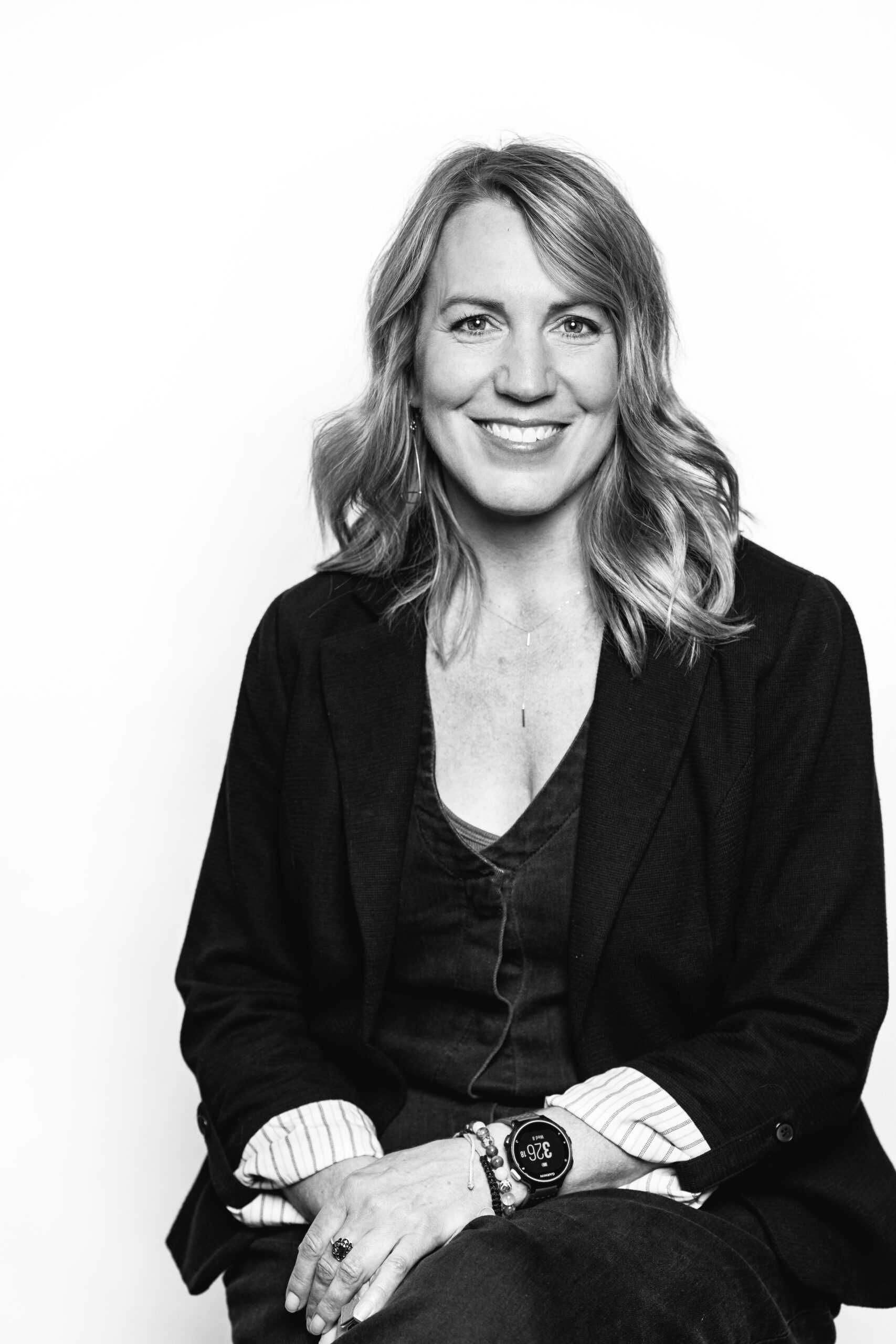
Emily Adams, AIA
Introduction
From journalism and graphic design to architecture and firm ownership, Emily Adams, AIA, LEED AP, has built a career shaped by curiosity, creativity, and an interest in understanding how people experience the spaces around them.
As Founder and Design Director of Neoera, Emily leads a Denver-based practice working across higher education, aviation, workplace, retail, and residential design. Since founding the firm in 2013, she has focused on creating a collaborative and service-oriented design experience while demonstrating the impact small practices can have on projects of every scale.
In this Member Spotlight, Emily reflects on the unexpected path that led her to architecture, designing with curiosity, the value of small firms, what emerging professionals should understand about the business of architecture, and the experiences outside the profession that continue to inspire her.
The Conversation
What drew you to architecture, and when did you know it was the right path for you?
Looking back, there were signs from a very early age. When I was six or seven, I was constantly rearranging my bedroom, which drove my mom absolutely crazy. I was fascinated by how simply changing the organization of a space could completely change the way it felt.
But architecture wasn’t my original career path. In fact, it never occurred to me that it could be a career. I thought I wanted to become a broadcast journalist, so I studied journalism at Iowa State University. While I was there, I worked my way from a computer graphics creator and camera operator to being a “one-man band” at an ABC affiliate news station. I loved uncovering stories, talking with people, and understanding the challenges they faced, but I eventually realized that the relentless pace and daily deadlines of broadcast journalism weren’t for me.
That realization eventually brought me to Denver, where I spent some time working in marketing and graphic design and had the opportunity to work alongside an architect. At first, I thought I would pursue interior design, but the owner of a local architecture firm encouraged me to consider a Master of Architecture degree instead. I began working at the firm while taking a few architecture classes at the University of Colorado Denver, and I fell in love with architecture.
Working alongside talented professionals opened my eyes to what the profession could be, but architecture school confirmed that I had found the right path. It fundamentally changed the way I saw and understood the world around me, and I knew there was no going back.
“It fundamentally changed the way I saw and understood the world around me, and I knew there was no going back.”
How would you describe your design philosophy in a few sentences?
My design philosophy begins with curiosity, listening closely and understanding what a client truly needs, which isn’t always the same as what they initially think they need. I see our role as architects as asking the right questions, simplifying complex challenges, and uncovering opportunities that may not have been obvious at the outset.
Ultimately, good design should be thoughtful, flexible, and responsive to the people who will use the space, while making the greatest possible impact within the realities of the project. And whenever possible, I like to leave room for a little whimsy.
Tell us about a recent project you are proud of. What made it meaningful?
One recent project I’m especially proud of is our work for the College of Media, Design and Information (CMDI) at the University of Colorado Boulder. Early in the project, we worked closely with a large group of stakeholders, using visioning exercises to uncover what they truly needed from the available square footage. That collaboration shaped multiple spaces, including a highly flexible, technology-rich multipurpose space that can support everything from student gatherings and lectures to large faculty meetings.
We also recognized an opportunity to transform previously underused corridors into inviting, occupiable spaces for students and faculty. By creating niches throughout these areas, we were able to extend the project’s impact well beyond its original program.
What makes the project especially meaningful to me is seeing how people use the spaces we design. Because we continue to work in the building, I regularly see students, faculty, and staff occupying the spaces and making them their own. There’s nothing more gratifying than that.
It wasn’t a large project, but it reinforced something I strongly believe: a project doesn’t have to be large to make a meaningful difference in people’s lives. Even small, thoughtful interventions can improve someone’s everyday experience. When we bring that same level of care and intention to every project, regardless of scale, the cumulative impact can be incredibly powerful.
“A project doesn’t have to be large to make a meaningful difference in people’s lives.”
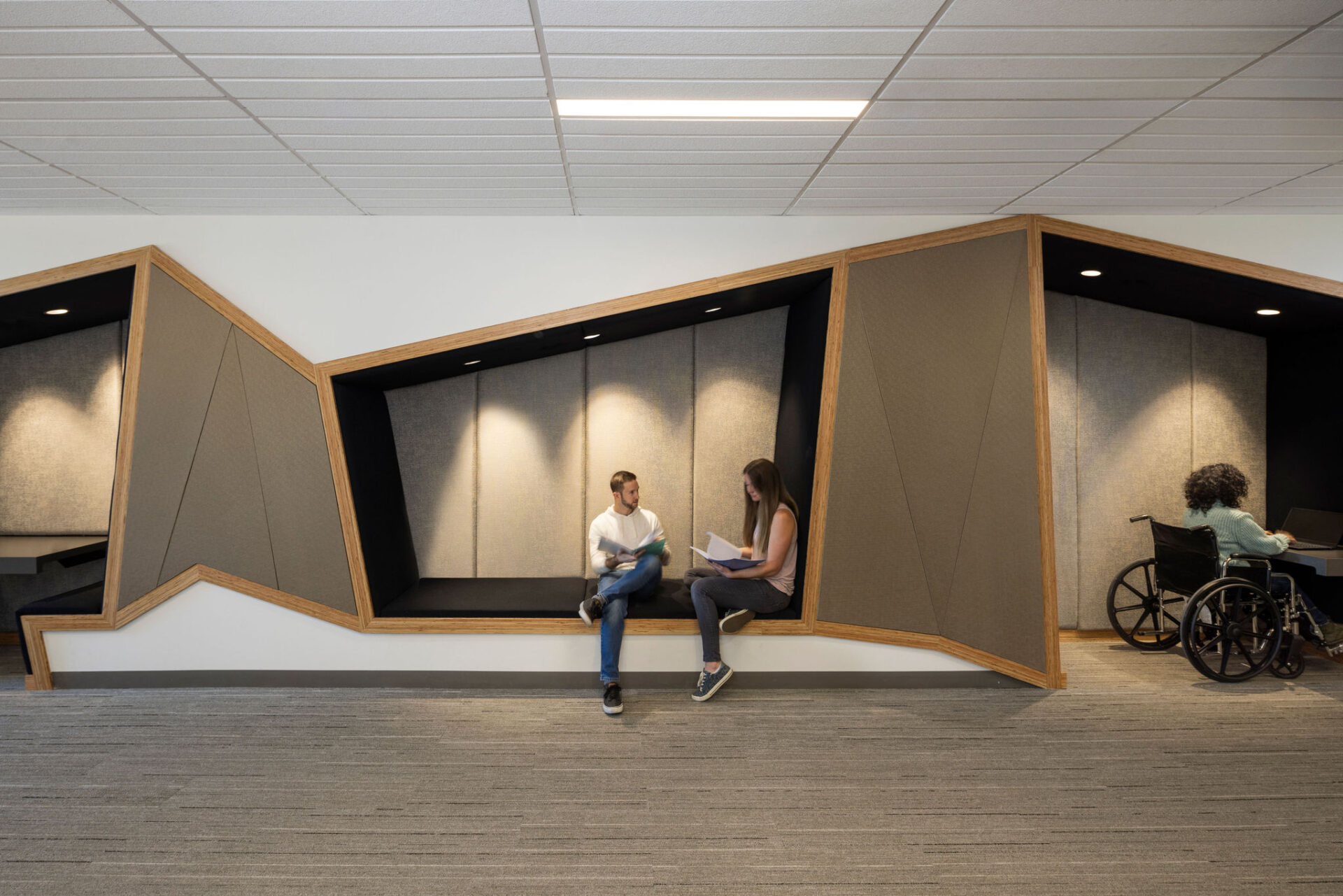
CU Boulder College of Media Design & Information in the CASE Building: Undulating niches transform a previously underutilized corridor into a vibrant, active space for studying and small-group meetings.
Photographer: Jess Blackwell
What is one change you would like to see in the architecture profession?
I would like to see the profession more fully recognize the value that small architecture firms bring to the table. Our size allows us to be agile, to respond quickly, adapt as projects evolve, and make decisions without layers of bureaucracy. Clients also benefit from direct access to firm leadership, greater continuity throughout the process, and a team that is deeply invested in both the project and the relationship.
Small firms are more than capable of taking on complex, large-scale work, yet we often compete with much larger firms operating with fundamentally different resources and fee structures. I’d like to see more clients create meaningful opportunities for small practices and evaluate teams not simply by their size, but by their expertise, creativity, responsiveness, and the overall value they bring to a project.
More broadly, I’d also like to see architects reconsider how we establish our fees. When our value is tied primarily to the number of hours spent on a project, it doesn’t fully account for the experience, insight, and creativity behind the work. I believe our fees should more accurately reflect the value of our ideas and the impact our expertise creates for our clients.
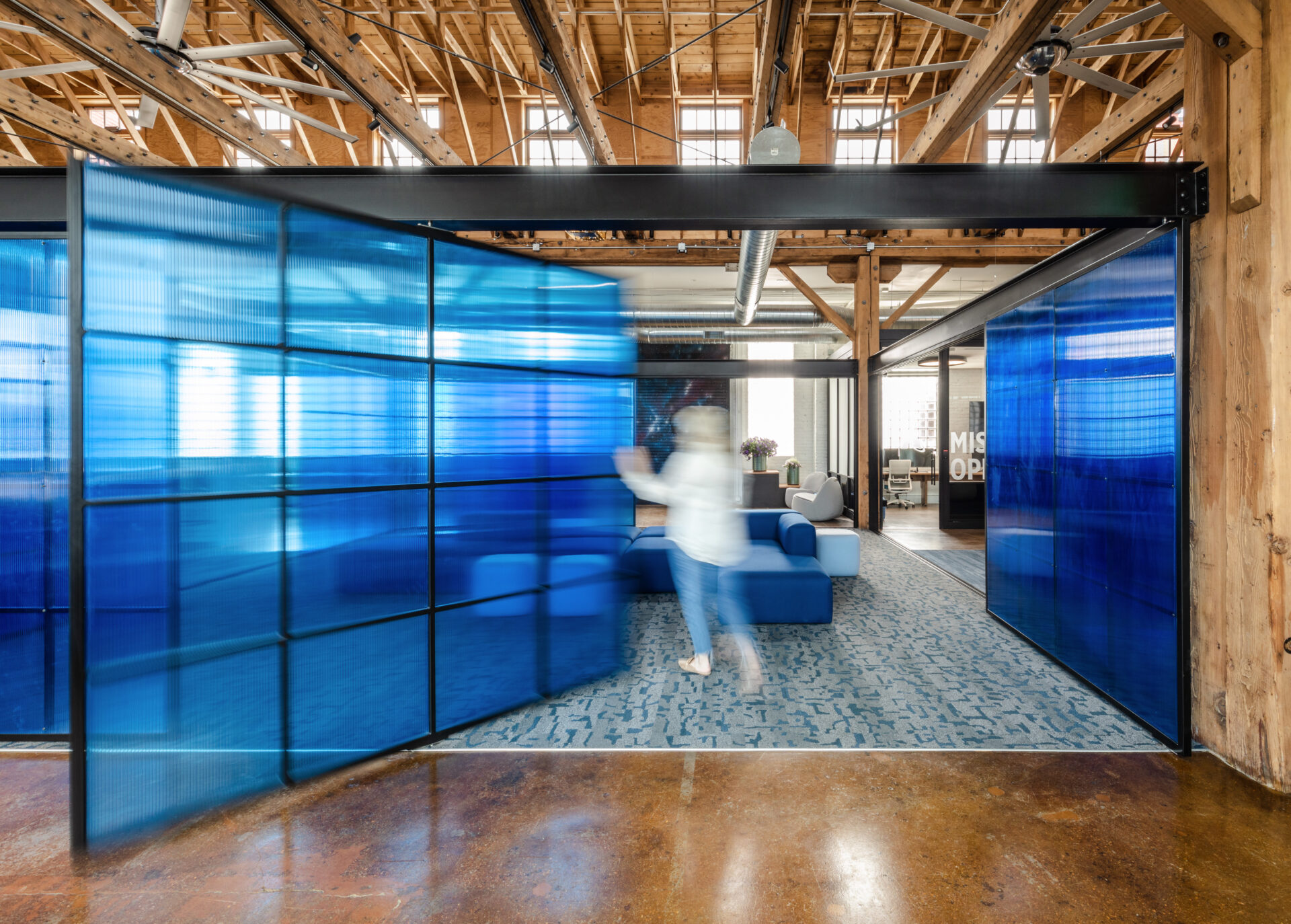
Astroscale U.S. Headquarters: Drawing inspiration from the company’s global headquarters in Japan, the design incorporates Eastern influences, including sliding and pivoting shoji screens.
Photographer: Justin Martin.
What advice would you give to emerging professionals in Colorado?
Be curious and resourceful. Design is an important part of architecture, but it’s only one facet of the profession. Being an architect takes dedication, grit, and perseverance. When you don’t understand something, ask questions, but also take the initiative to find the answer. Curiosity pushes us to keep learning, while resourcefulness helps us become more capable architects and more effective leaders.
I would also encourage emerging professionals to learn about the business of architecture. In school, we’re taught how to design, think differently, and solve problems creatively, but we aren’t necessarily taught how an architecture firm operates. Ask your firm’s leaders about business development, financial strategy, and the thinking behind key decisions. Understanding the bigger picture will make you a better employee, leader, and even a future employer. It will also help you see how your individual contributions support the success of the entire practice.
“Curiosity pushes us to keep learning, while resourcefulness helps us become more capable architects and more effective leaders.”
What inspires you outside of architecture?
I’m inspired by experiences that take me beyond my own perspective. Experiencing different cultures and connecting with people from different places, whether that’s in another part of the United States or across the world, continually challenges the way I see and understand the world. Inevitably, those experiences also shape the way I think about architecture.
Music is another significant source of inspiration for me. I’ve played and performed throughout my life, and I’ve always loved the process of creating something. Whether it’s architecture, art, or music, there’s something incredibly rewarding about beginning with an idea, exploring where it can go, and ultimately bringing something into the world that didn’t exist before.
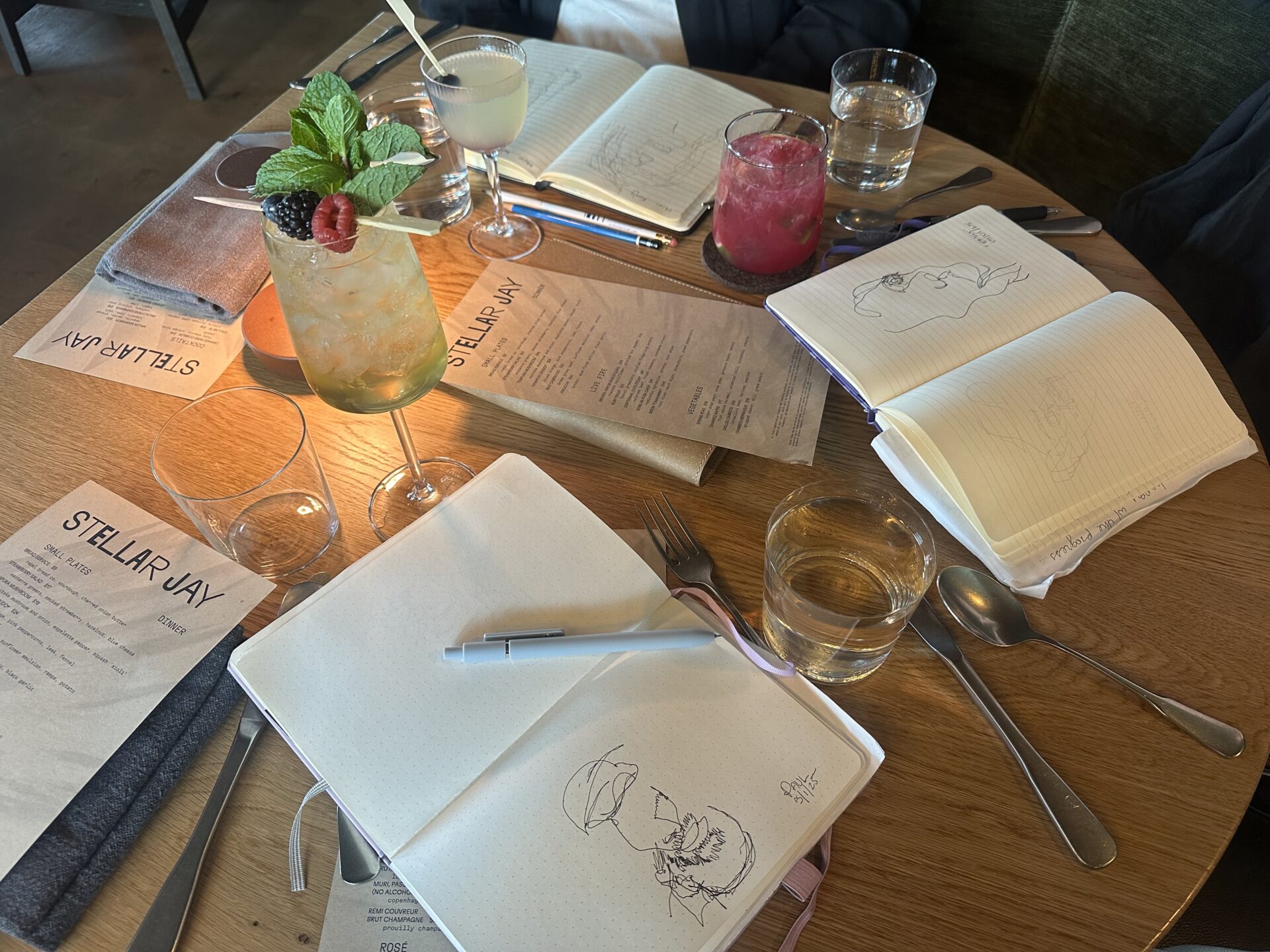
We regularly gather outside the office to laugh, connect, and gain fresh perspective. This photo captures one of our evenings spent blind-contour sketching, an activity that has become a team favorite.
Photography: Emily Adams, AIA
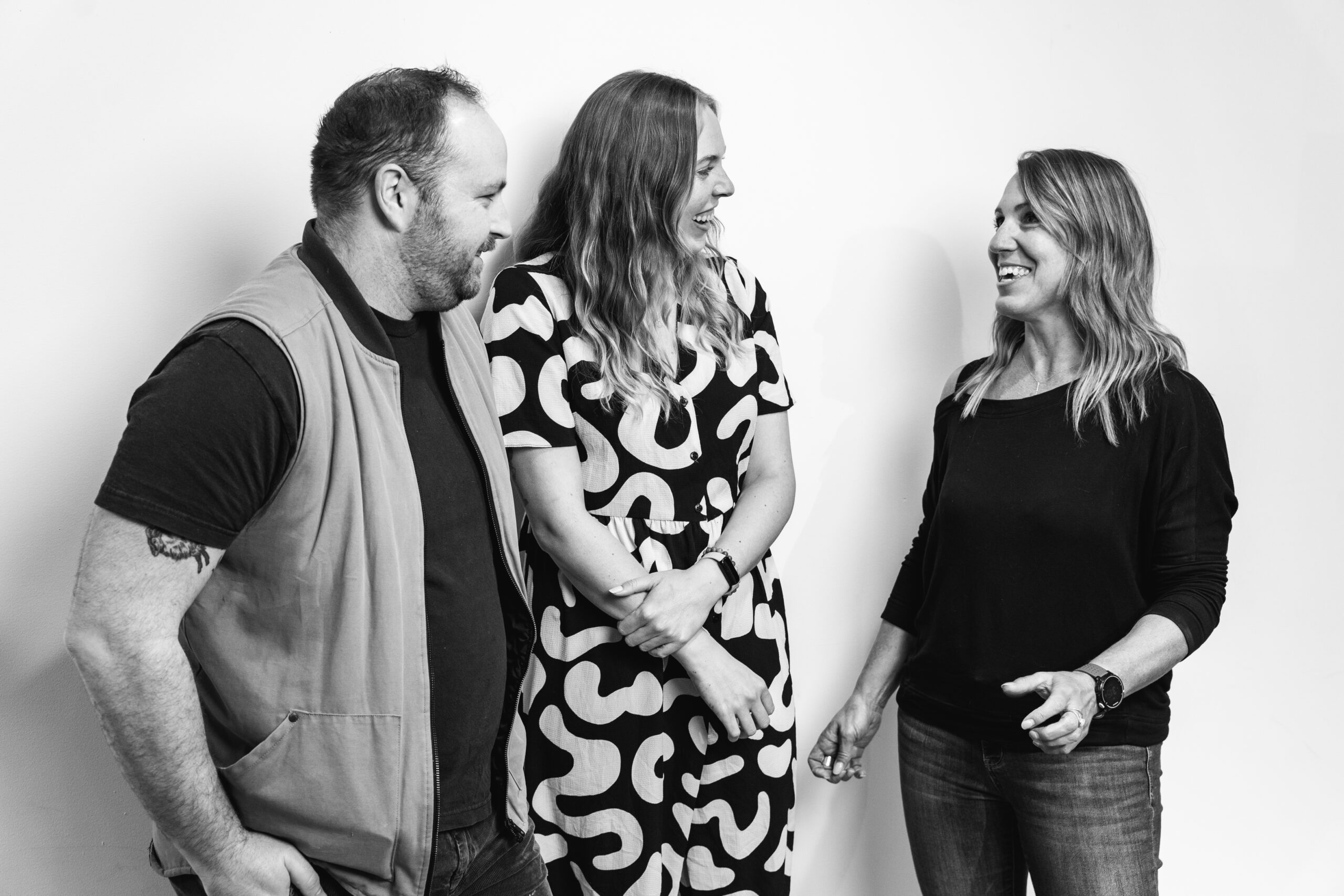
The Neoera team: Paul Hermann, Kelsey Matteson, and Emily Adams, AIA.
Photography: Cody Mann
Thank you to Emily Adams, AIA, for sharing her story, perspective, and insights on the value of curiosity, creativity, and thoughtful design as part of the AIA Colorado Member Spotlight series.