This website uses cookies to improve your experience. We\'ll assume you\'re ok with this, but you can opt-out if you wish. Read More
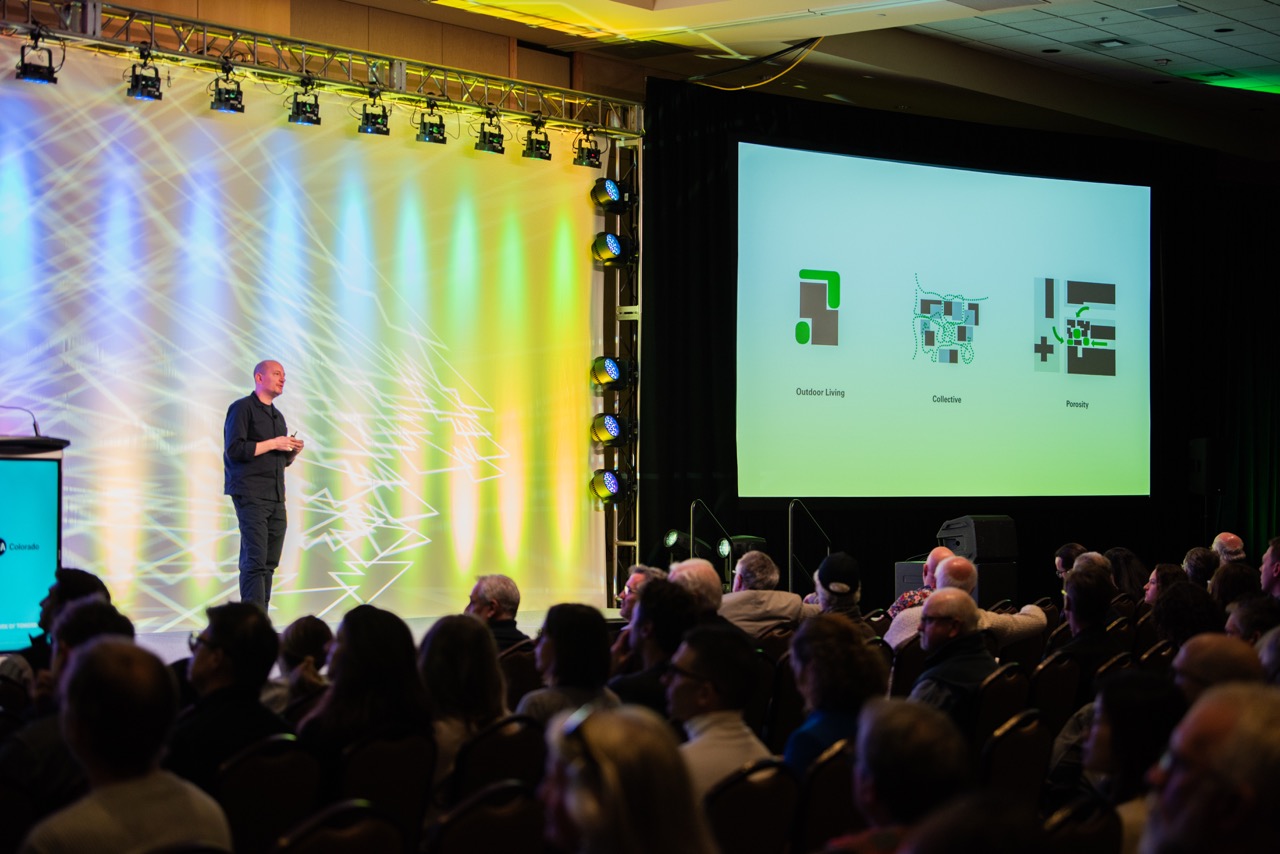
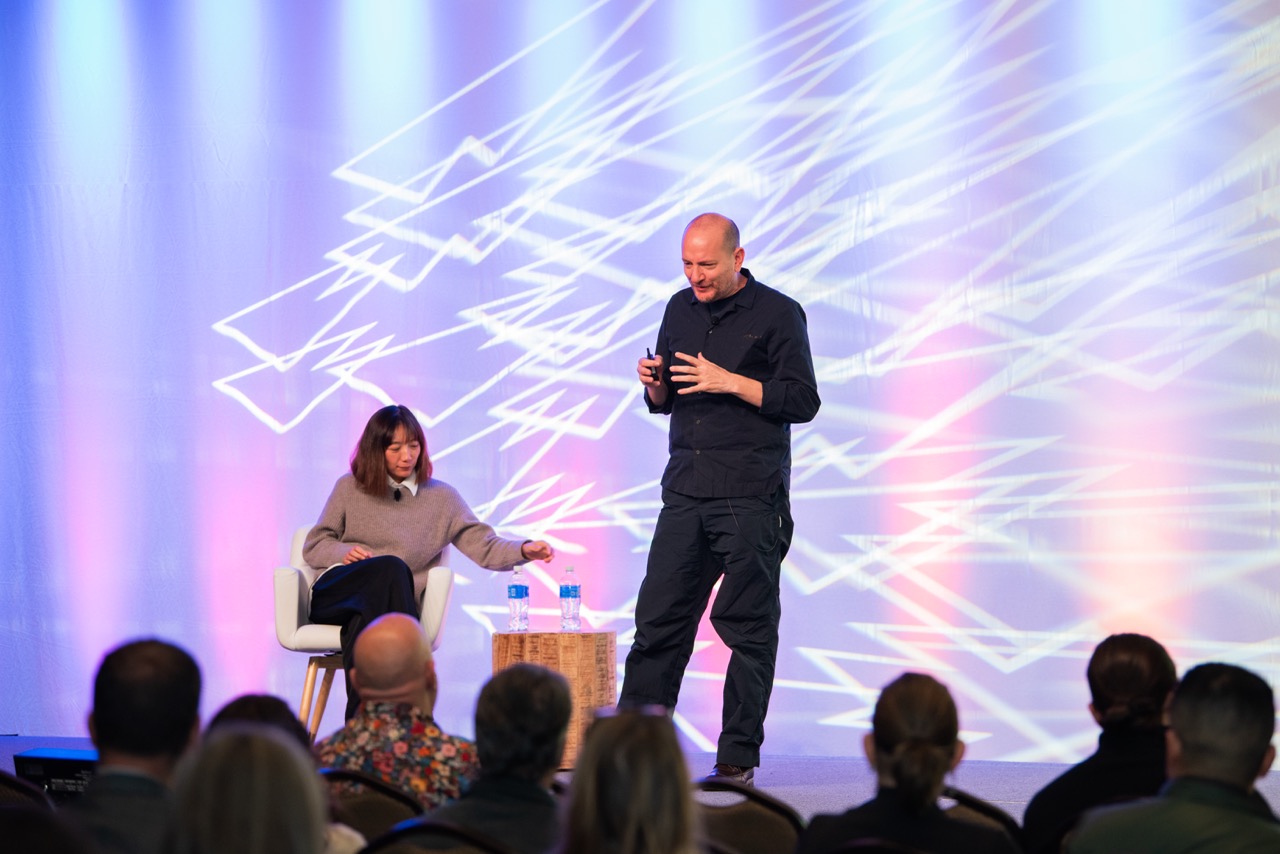
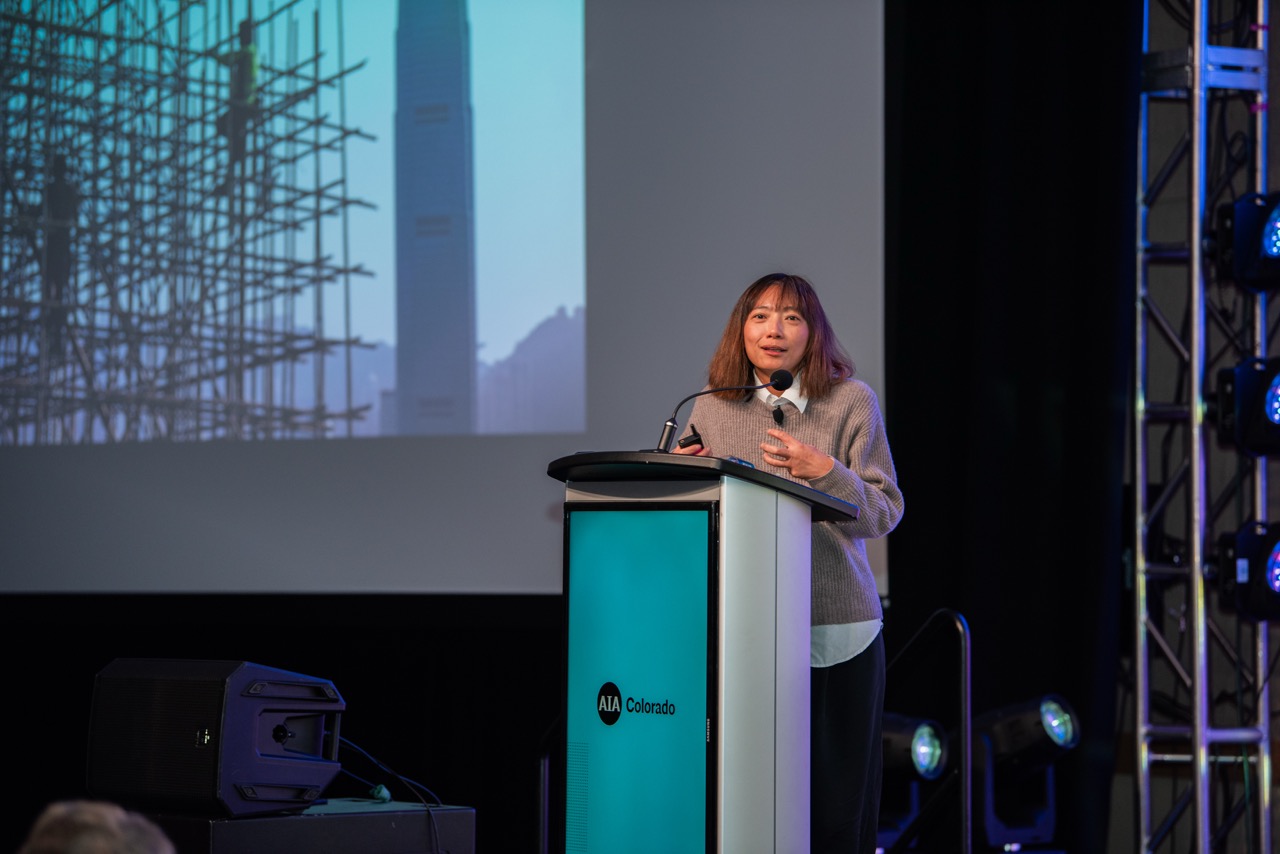
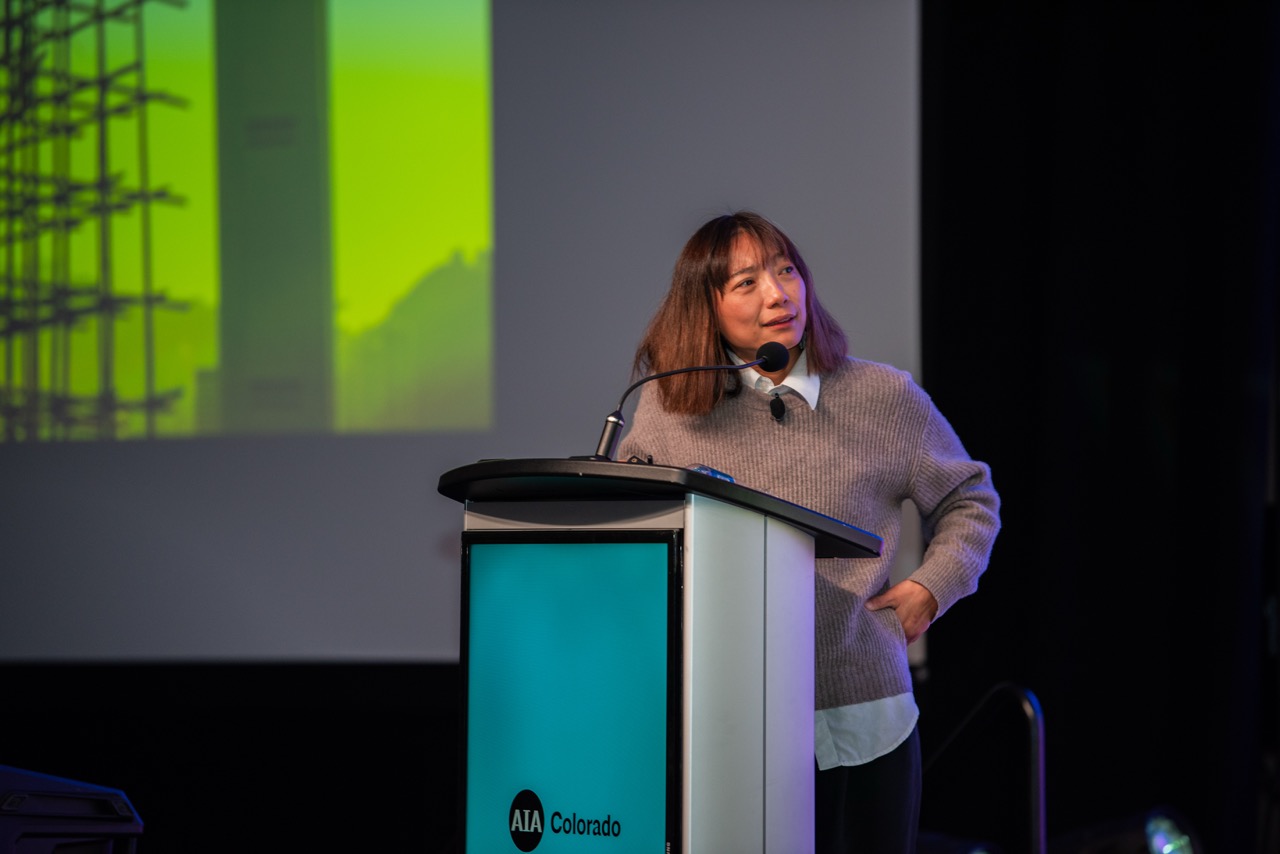
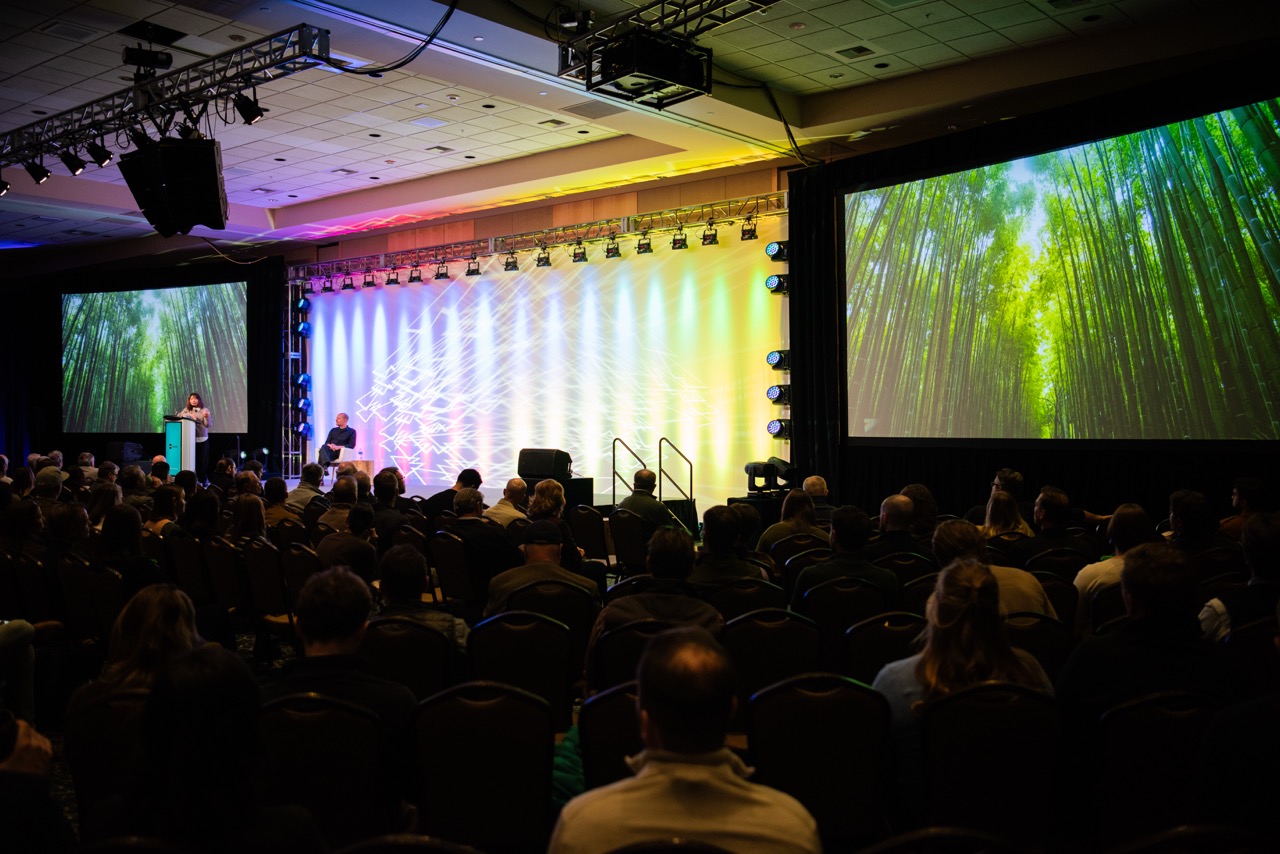
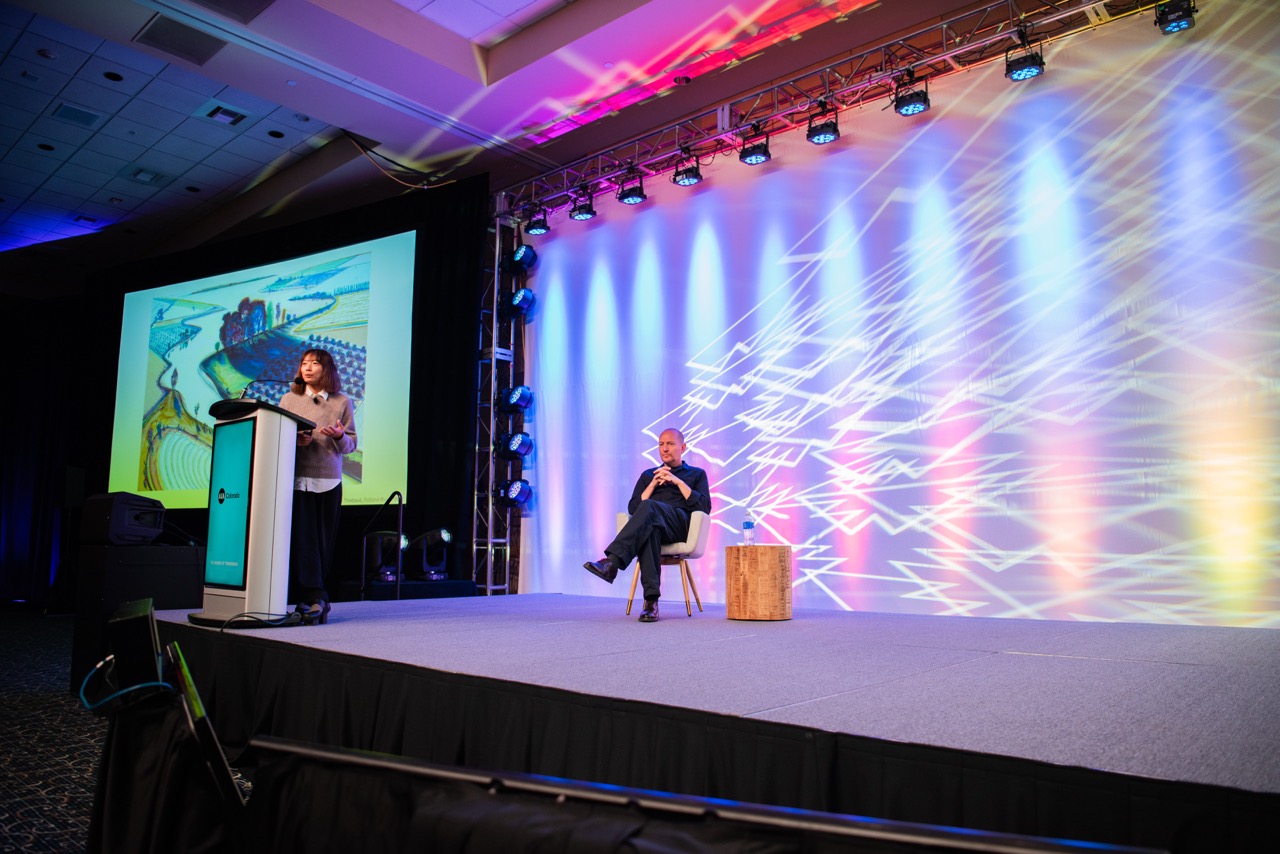
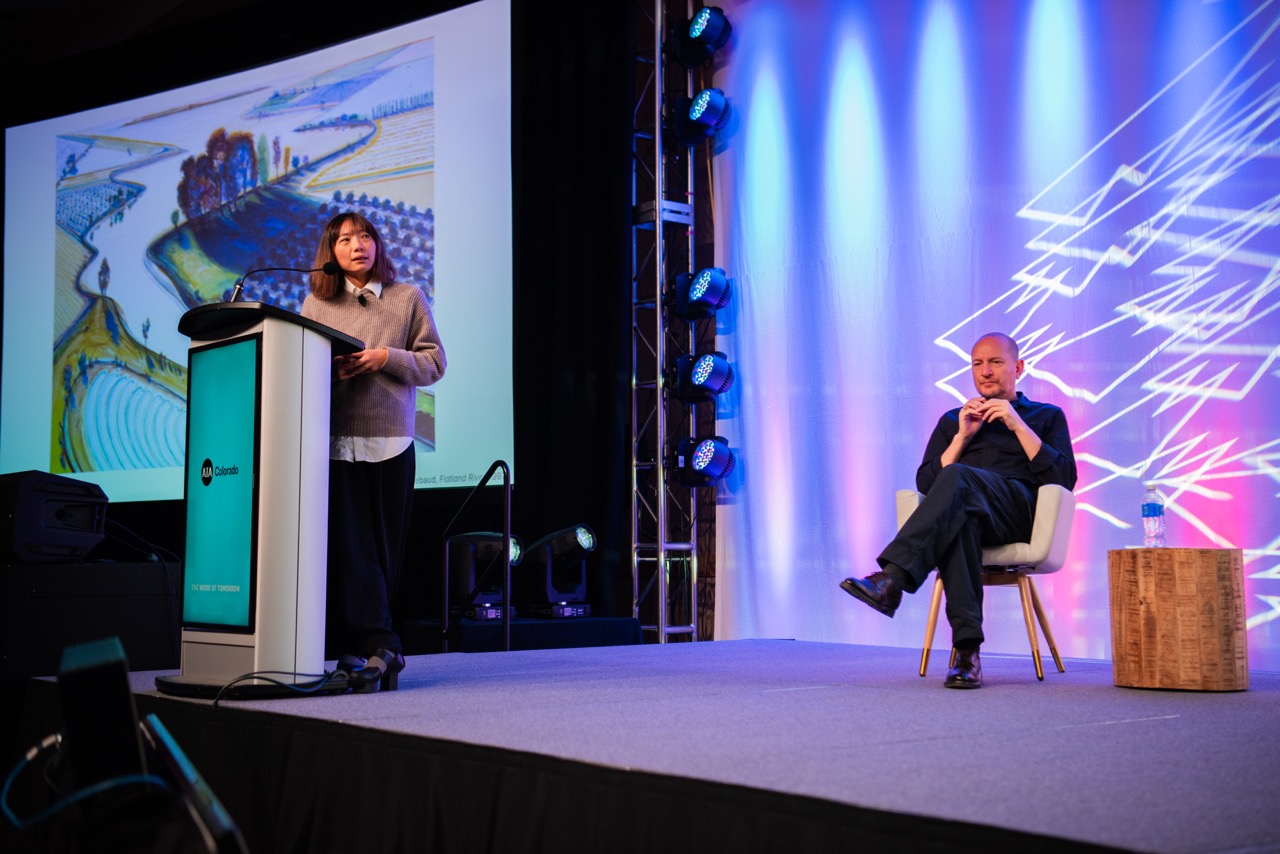
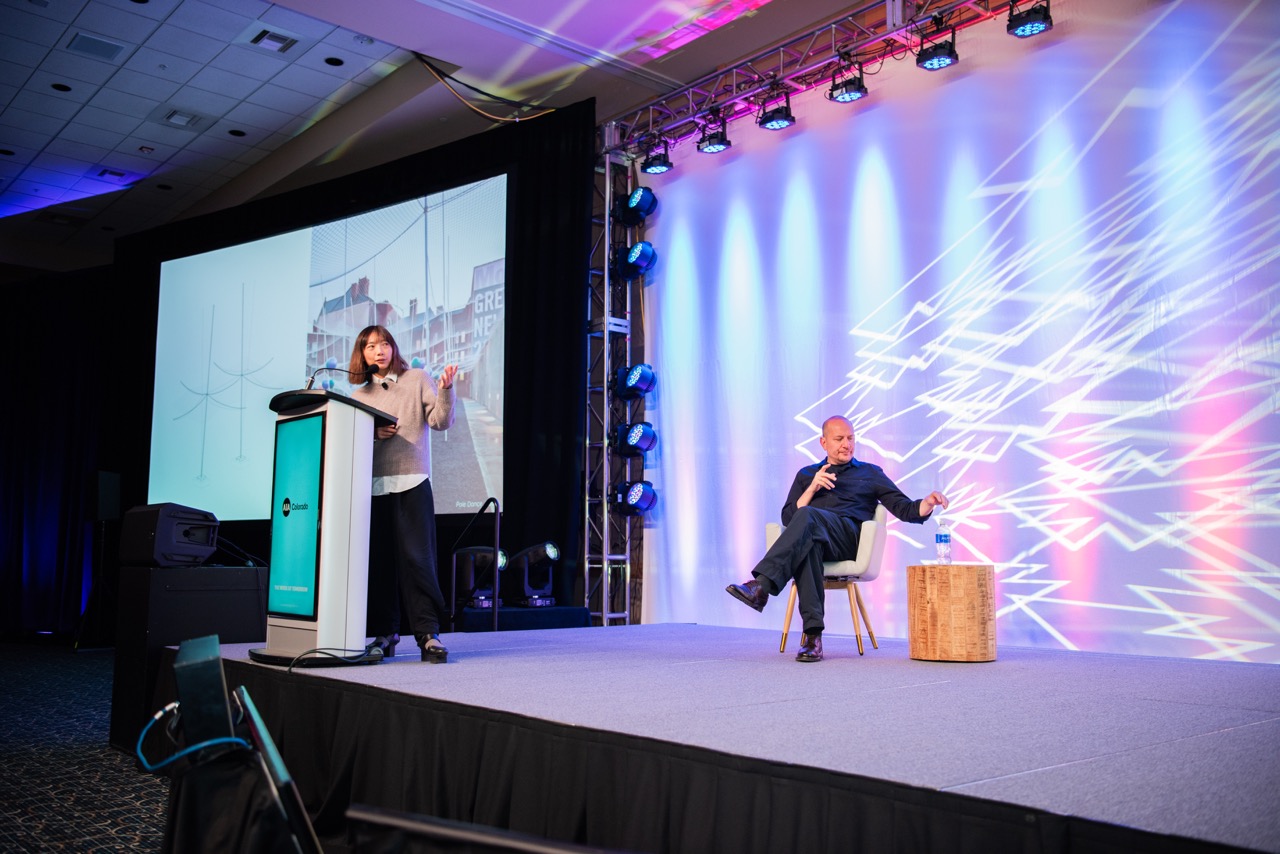
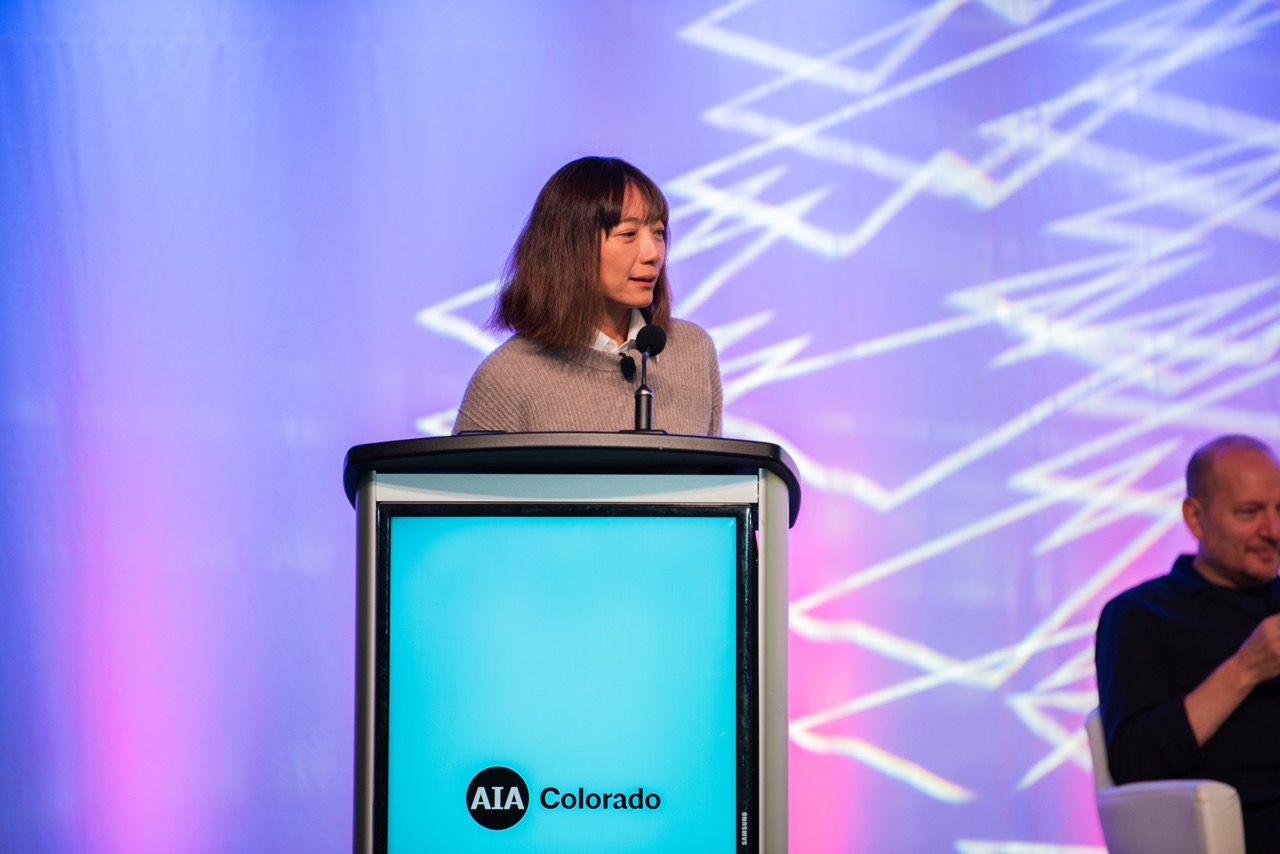
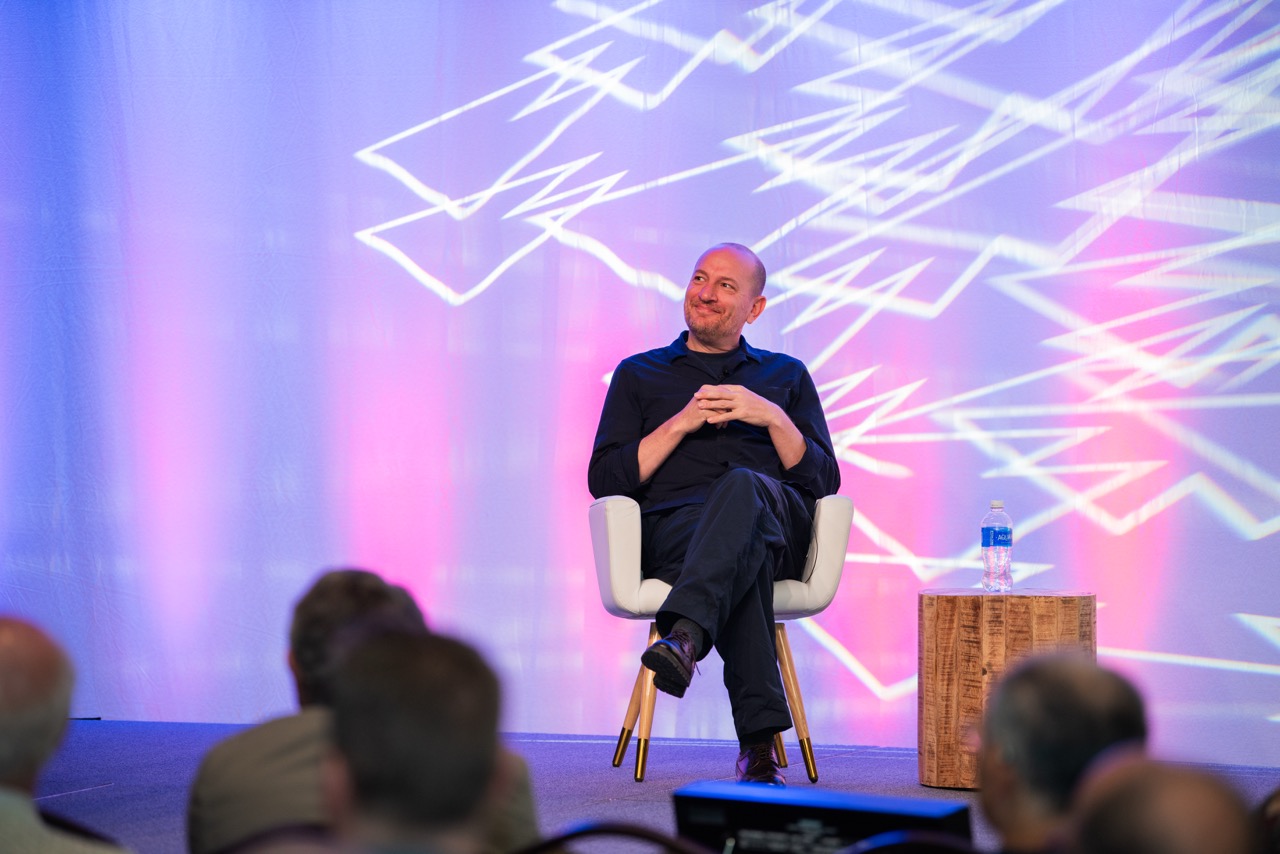
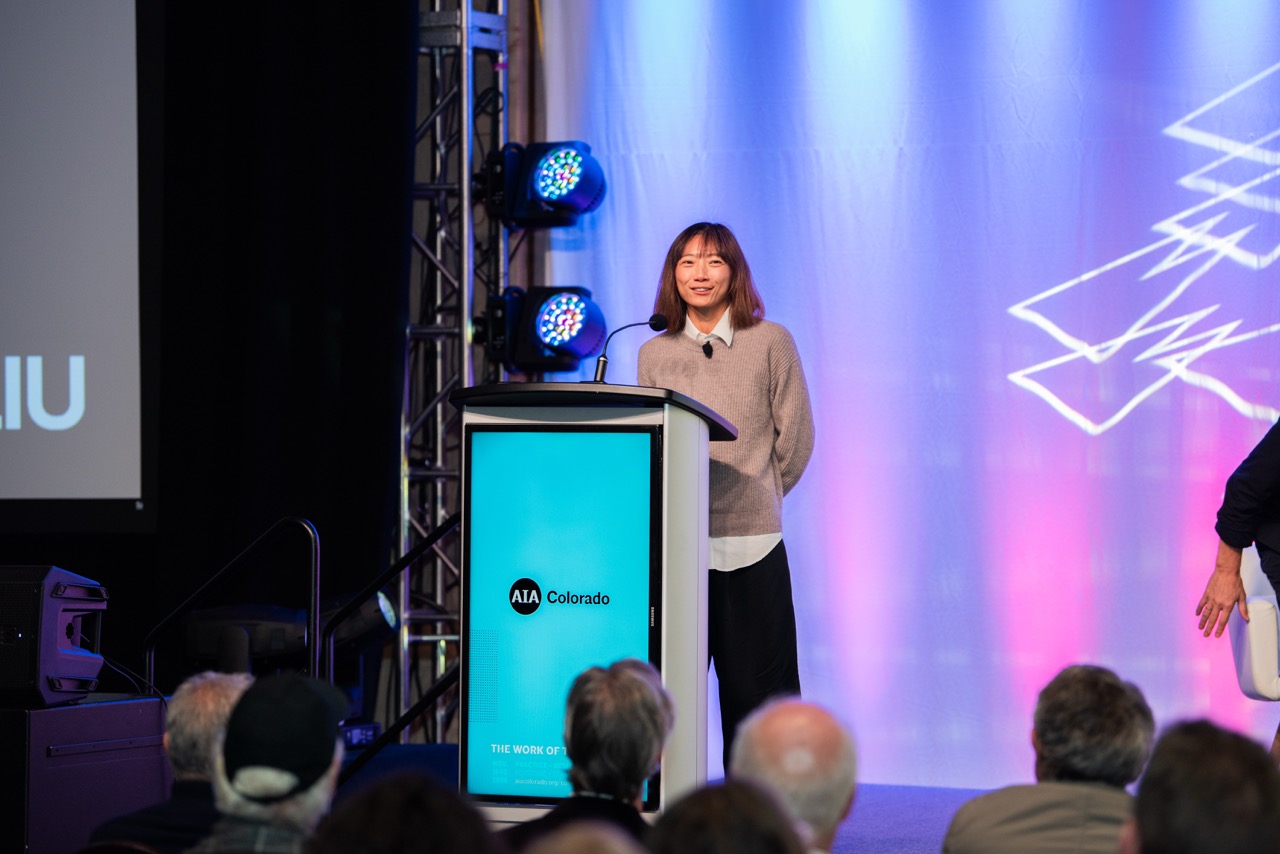
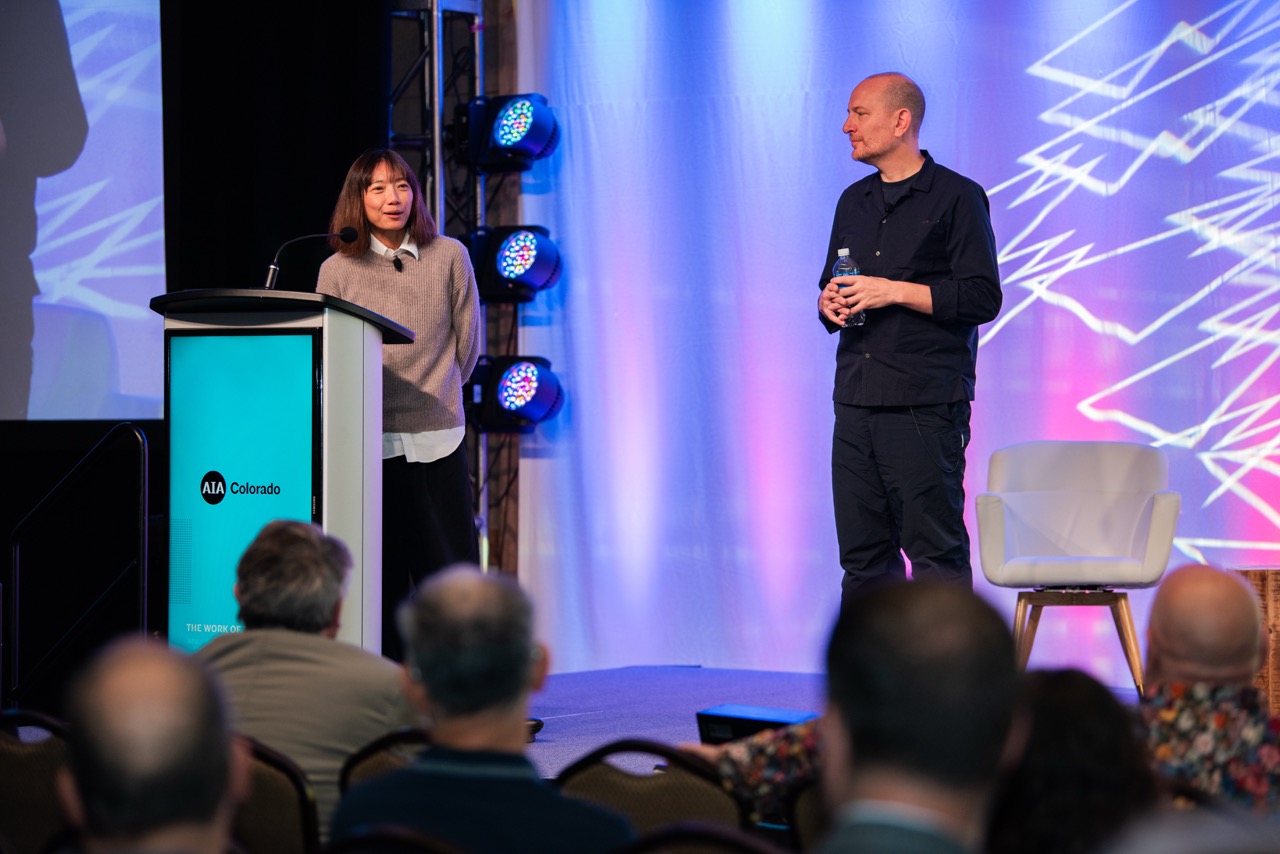
For an installation at MoMA PS1, SO–IL linked a grid of poles with bungee cords. A person moving one part of the installation could make another part move. Jing Liu and Florian Idenburg brought that early experiment to AIA Colorado’s 2026 Practice + Design Conference as a way into “On Elasticity,” their talk about making buildings more responsive to bodies, materials and circumstances.
The work moved between play and construction. The Kukje Gallery in Seoul wrapped a white-box gallery in hand-welded chainmail. For their own studio, the architects tried draping concrete canvas, ordinarily used to line irrigation channels, as a rainscreen. At Williams College, they documented how large-format cross-laminated timber warped and twisted and brought that knowledge back into the design of a museum. In each case the team let something learned from making inform the next drawing.
At UC Davis, SO–IL began a museum design by drawing shade and movement across the site. The resulting canopy made room for galleries and for people simply passing through or spending time outside. In León, Mexico, the firm reconsidered a precast scheme that depended on a distant specialist. It tested a masonry system that could be made locally and sized the blocks around what workers could carry. In housing projects, corridors, courtyards and balconies likewise became opportunities to bring air and shared life into the building.For Liu and Idenburg, the work of interpretation becomes more important as automated tools make it easier to produce an efficient building diagram. It takes observation and testing to see what that diagram could miss, from how a joint will be made to how a shaded walkway might become a place to spend time.
What we can do as a human to introduce in that process is an element of interpretation of the context.
Jing Liu, AIA
Key Takeaways
- Start by drawing what moves across the site. At UC Davis, SO–IL mapped shade and movement before settling the museum plan. The canopy that followed gave space to galleries, people passing through, and people spending time outside.
- Let material tests inform the next drawing. For a museum at Williams College, the team documented how large-format cross-laminated timber warped and twisted and brought those observations back into the design.
- Design around the people who will build it. In León, Mexico, the firm tested a locally made masonry alternative to a precast scheme that relied on a distant specialist. The size of the blocks took into account what workers could carry.
- Give circulation space a role in daily life. In SO–IL’s housing projects, corridors, courtyards, and balconies offer places to pause, bring in air, and make room for informal encounters.
- Look for what a diagram leaves out. Liu and Idenburg emphasized the designer’s role in interpreting context. Observing how someone moves through shade or testing how a joint comes together can reveal what an efficient plan misses.
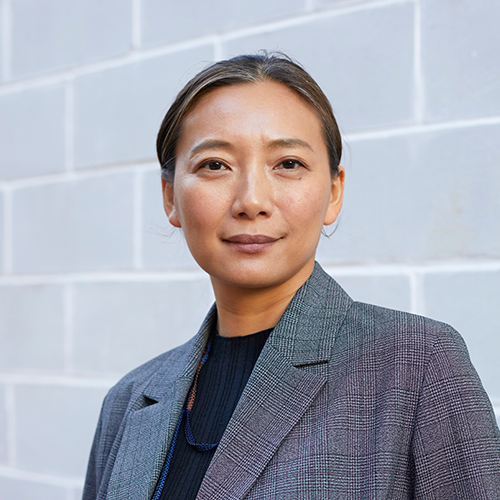
Jing Liu, AIA
Jing Liu has been practicing for more than 15 years working on a wide range of projects both in the US and abroad. Through building practice and interdisciplinary research projects, Liu has led SO–IL in the engagement with the socio-political issues of contemporary cities — in projects like the Artists Loft North Omaha and the Martin Luther King, Jr. Library in Cleveland. Her projects range from artistic collaborations with contemporary choreographers and visual artists to master plan and major public realm design in cities like Melbourne and Indianapolis.
Liu brings an intellectually open, globally aware, and locally sensitive perspective to architecture. Her curiosity and artistic imagination allow her to bring a nuanced cultural perspective to the table. Her keen skills in combining digital technology with traditional craft and firm belief in design’s ability to re-engage people with the physical world around them allow the buildings she designs to become places of exchange that welcome interpretation and transformation.
Liu leads all of her projects from concept to realization and considers carefully all aspects of design and construction — from the building’s presence in a community, down to the fasteners in a window. She believes strongly that design should and can be accessible to all, and that architecture offers us an open platform to nurture new forms of interaction. To that end, Liu sees community engagement and collaboration across disciplines as central to her role as the design lead.
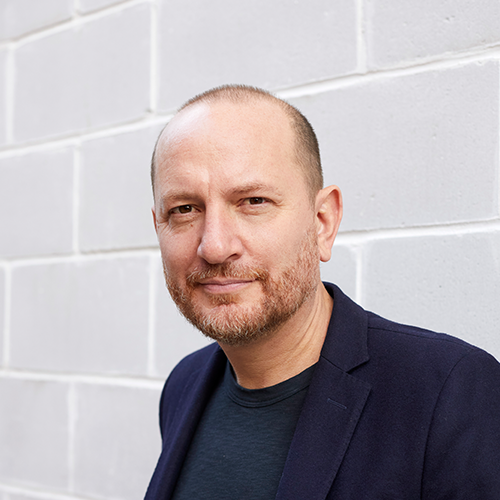
Florian Idenburg, Intl. Assoc. AIA
Florian Idenburg is an internationally renowned Dutch architect with over two decades of professional experience. After learning the ropes in Amsterdam and Tokyo, he founded SO–IL in 2008 together with Jing Liu. His years of working in cross-cultural settings make Florian a thoughtful and collaborative partner. With a joyous demeanor, he pursues innovation through working together. He has a particularly strong background in institutional spaces, leading the office on projects as Kukje Gallery and the Manetti Shrem Museum of Art at UC Davis as well as Amant in Brooklyn. His strength lies in generating imaginative ideas and transforming those into real-world spaces and objects.
Idenburg has a strong intuition for the orchestration of form, material, and light, and enjoys developing projects to a level where those elements become places for people to experience and use. He combines a hands-on approach with a theoretical drive, sharing this creative spirit with clients, collaborators, and students. A frequent speaker at institutions around the world, he has taught at Harvard, MIT, Columbia, and Princeton University and is currently a Professor of Practice at Cornell University. In 2010, Idenburg received the Charlotte Köhler Prize from the Prince Bernhard Culture Fund. He is a registered architect in the Netherlands and an International Associate of the American Institute of Architects.