The State of the State of Corado


A data-driven look at the economic, demographic, resilience, and policy trends shaping the future of architecture in Colorado.

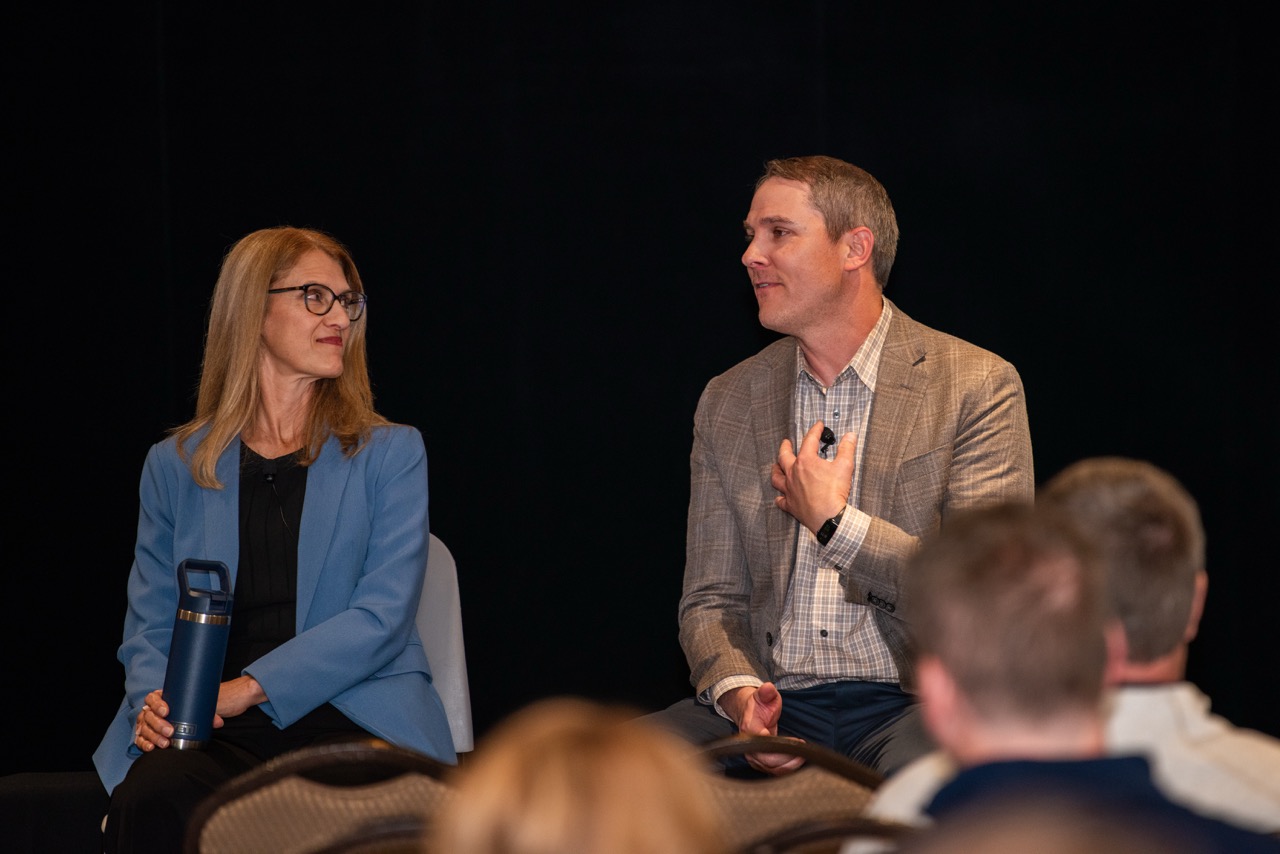
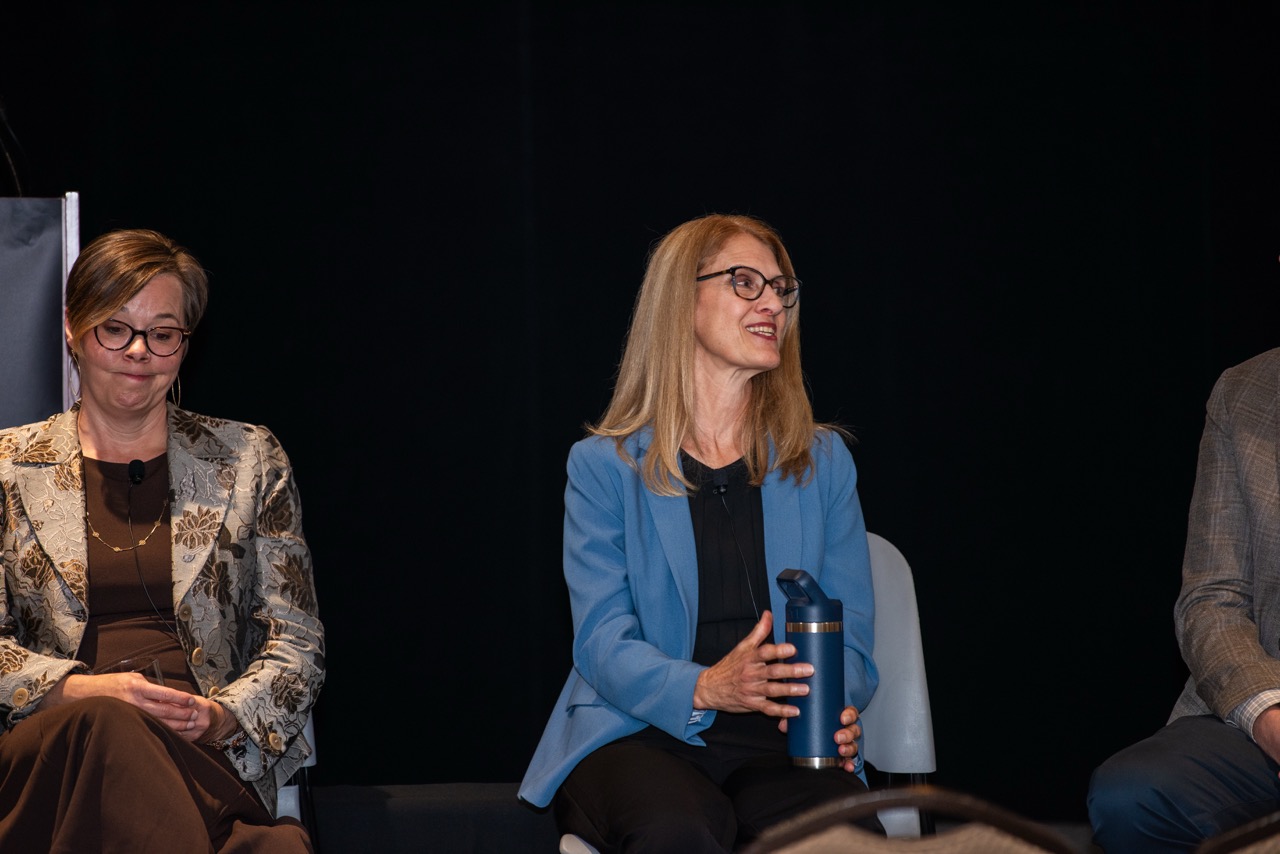
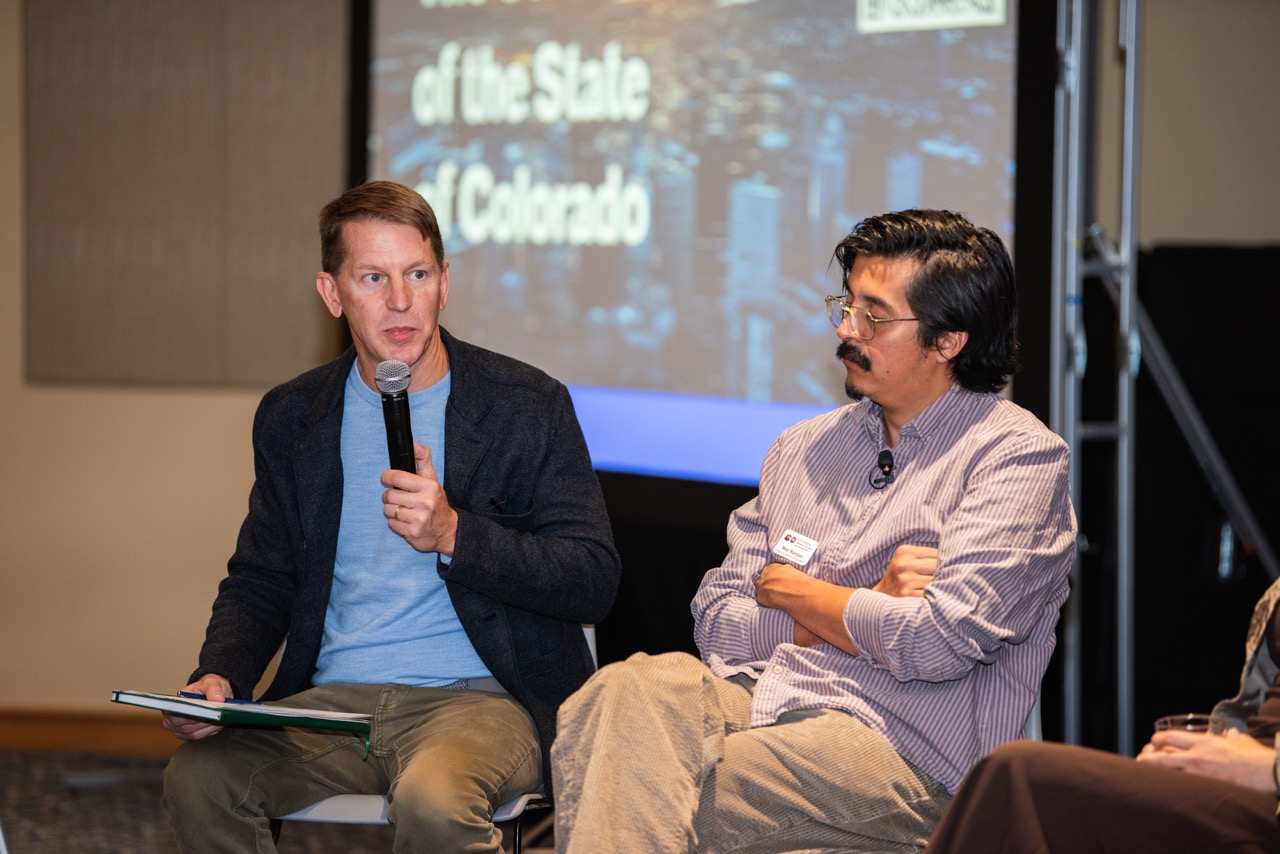
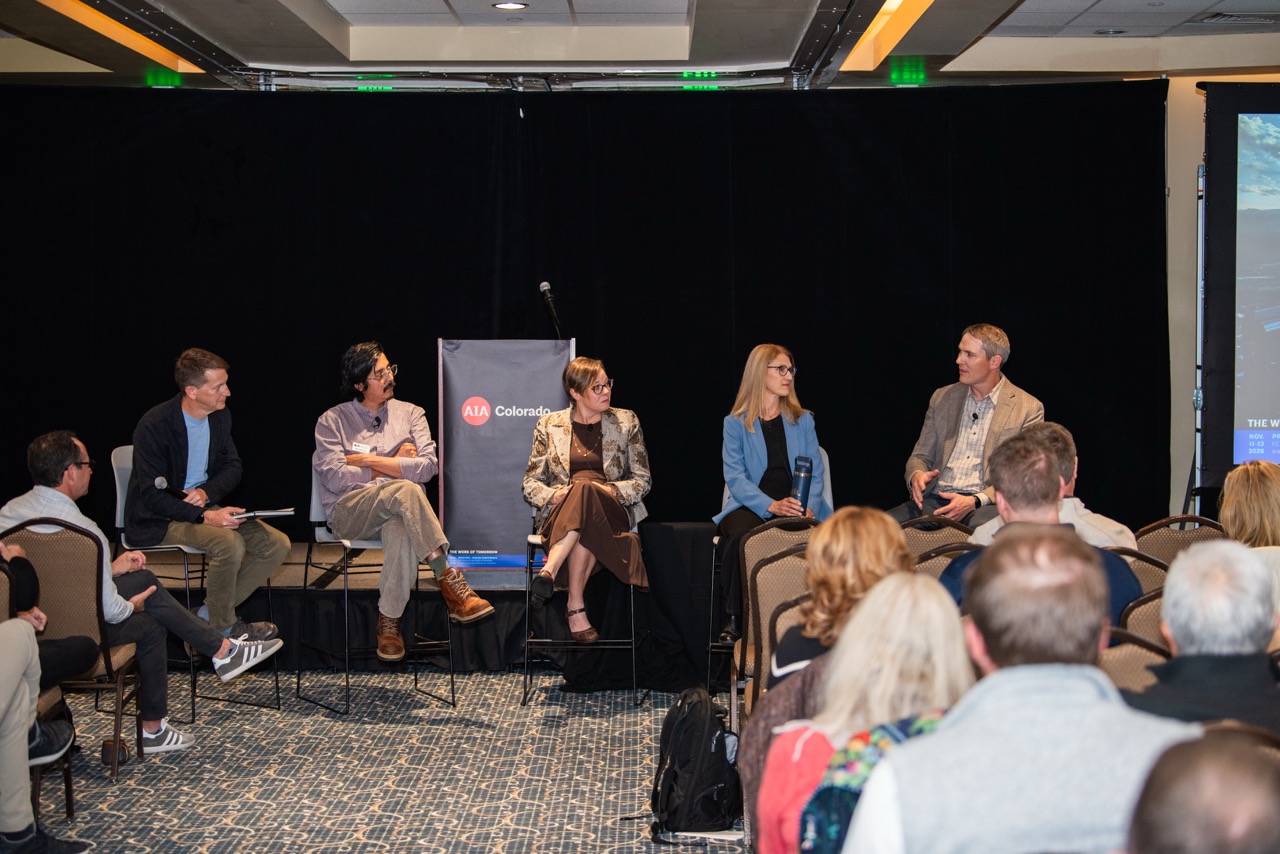
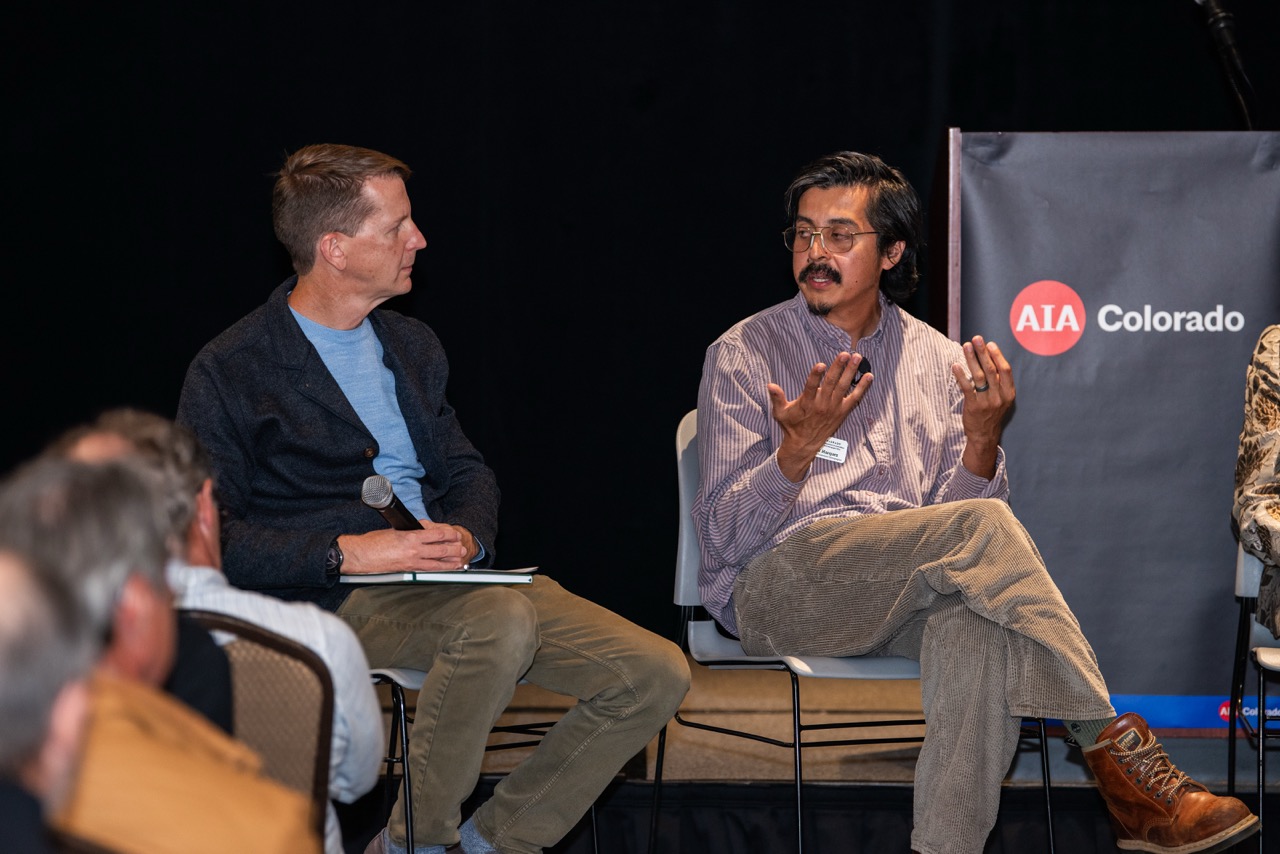
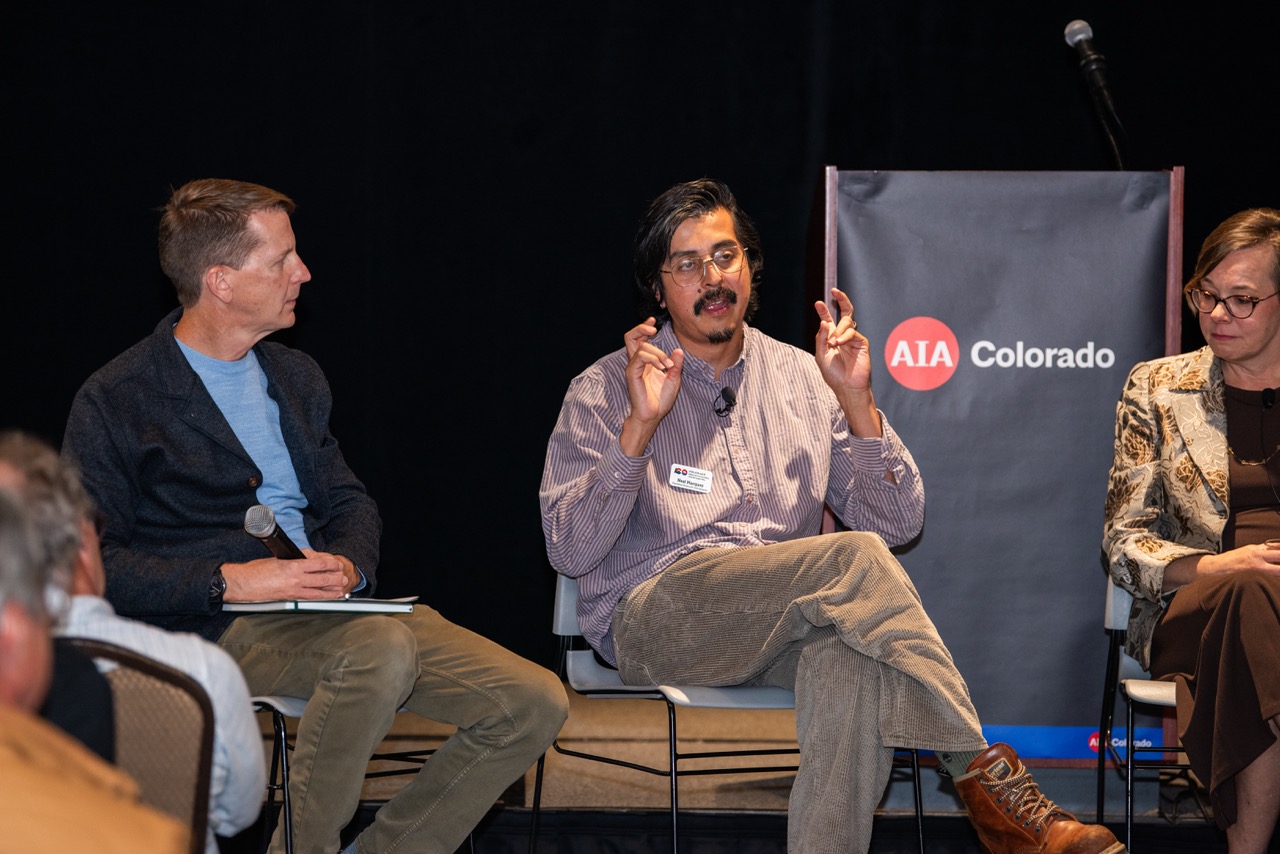
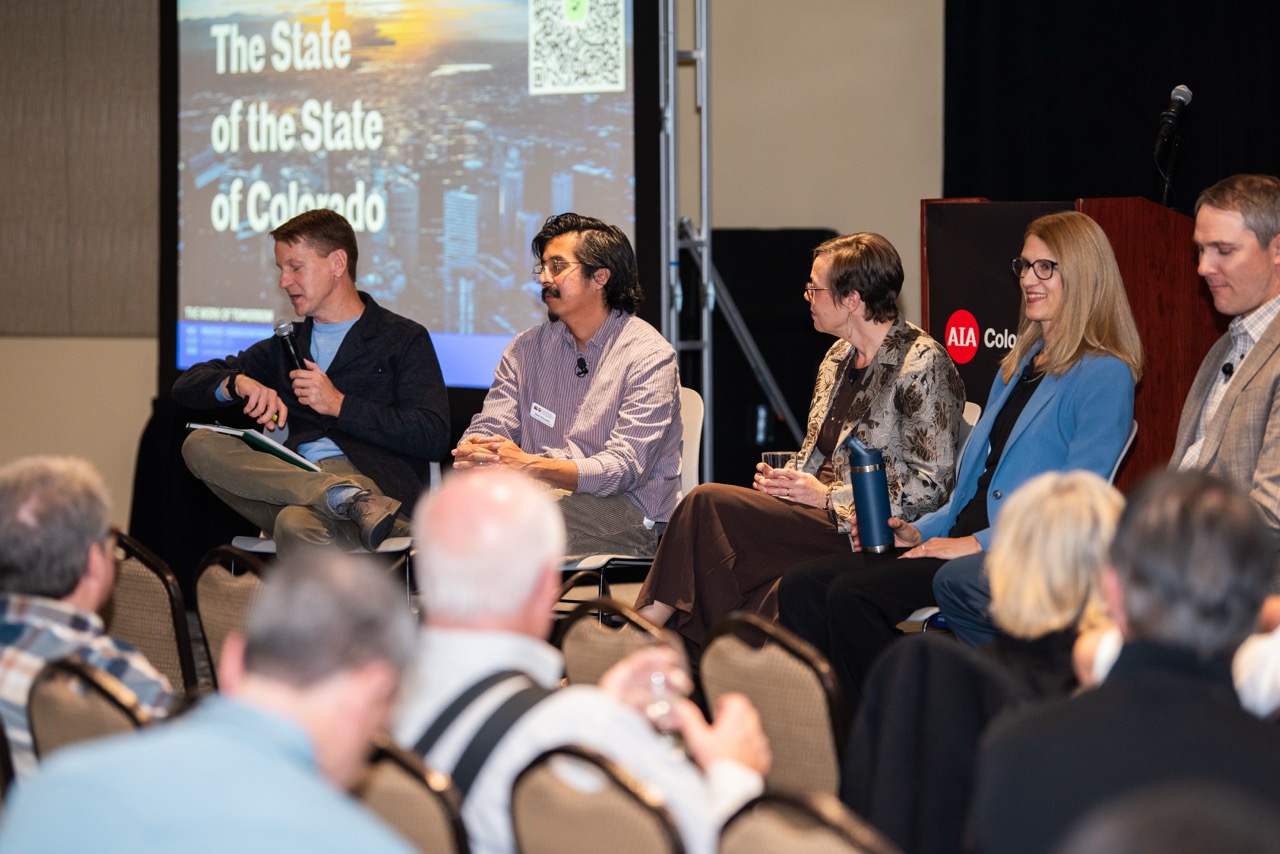
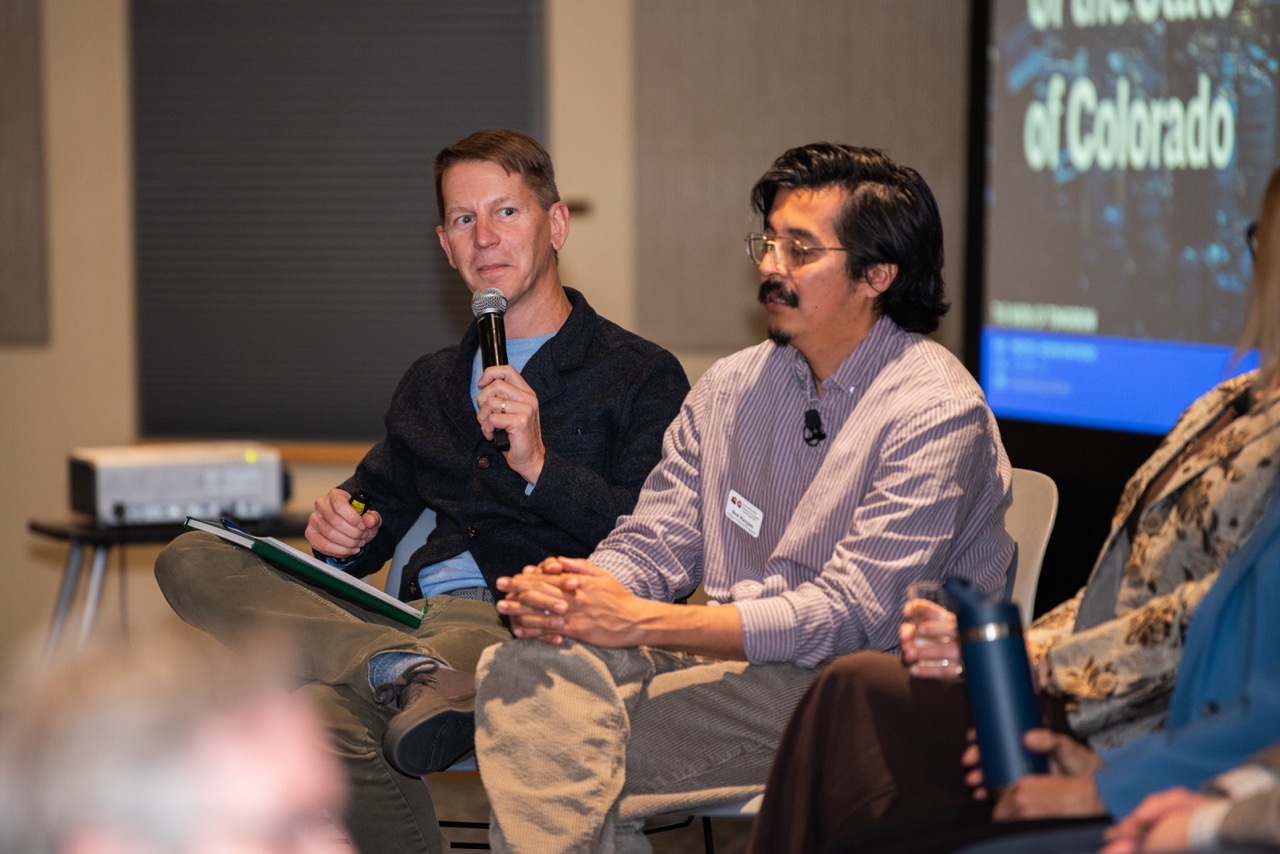
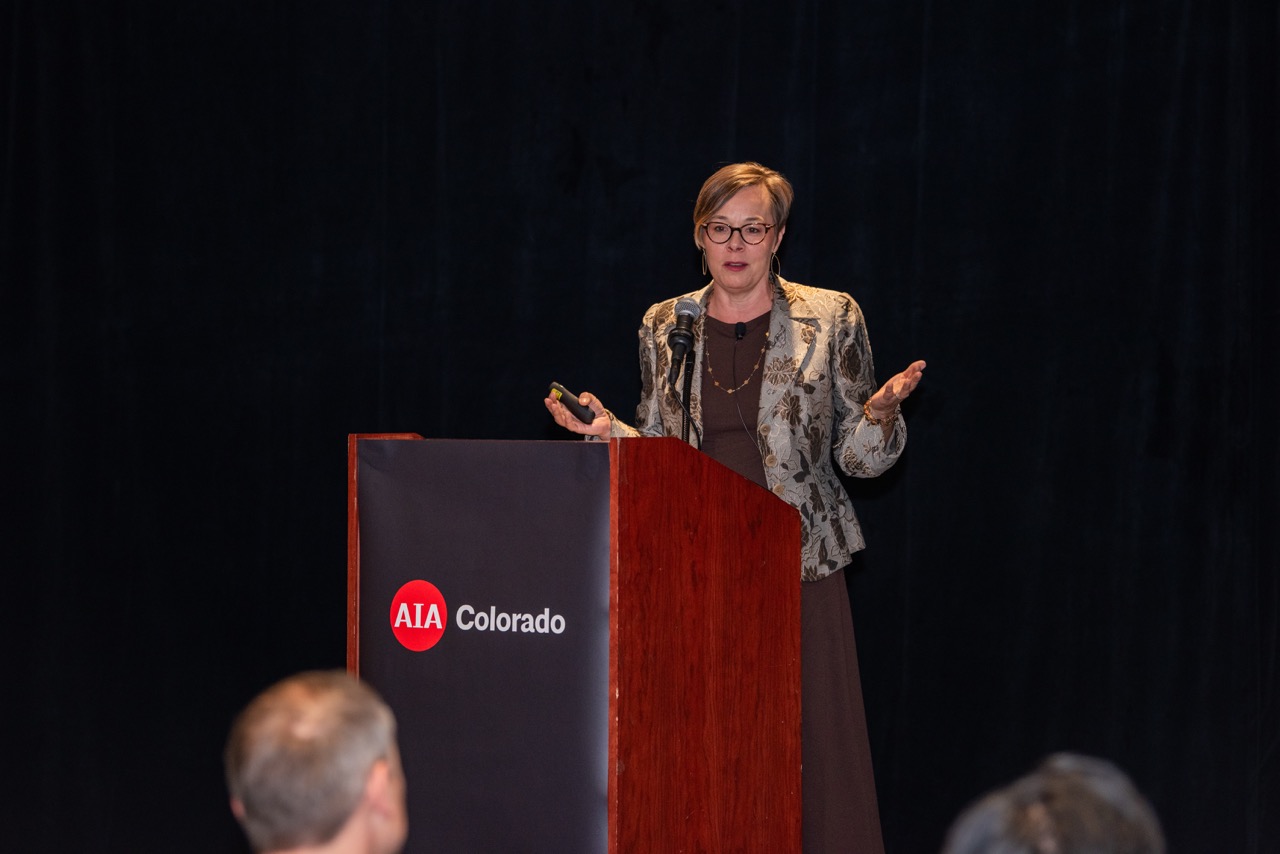
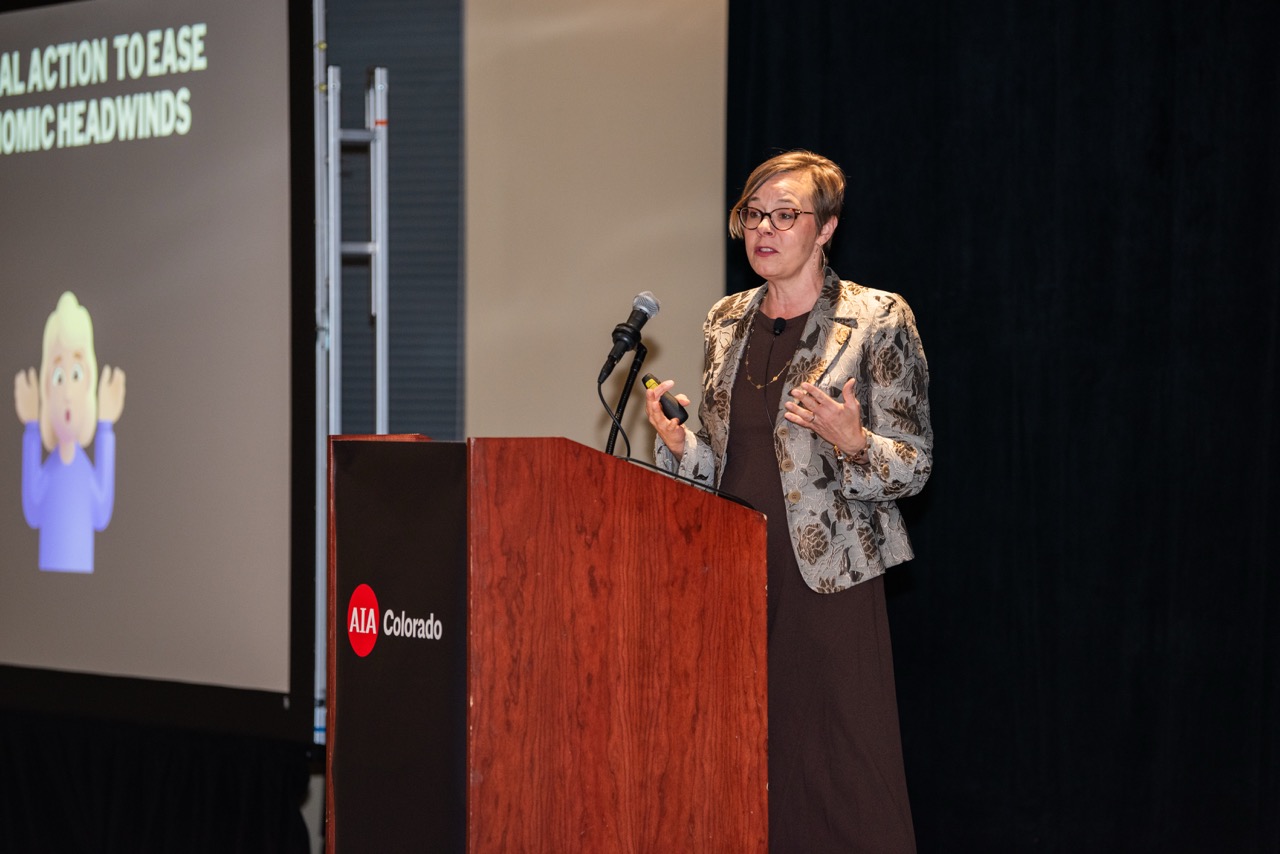
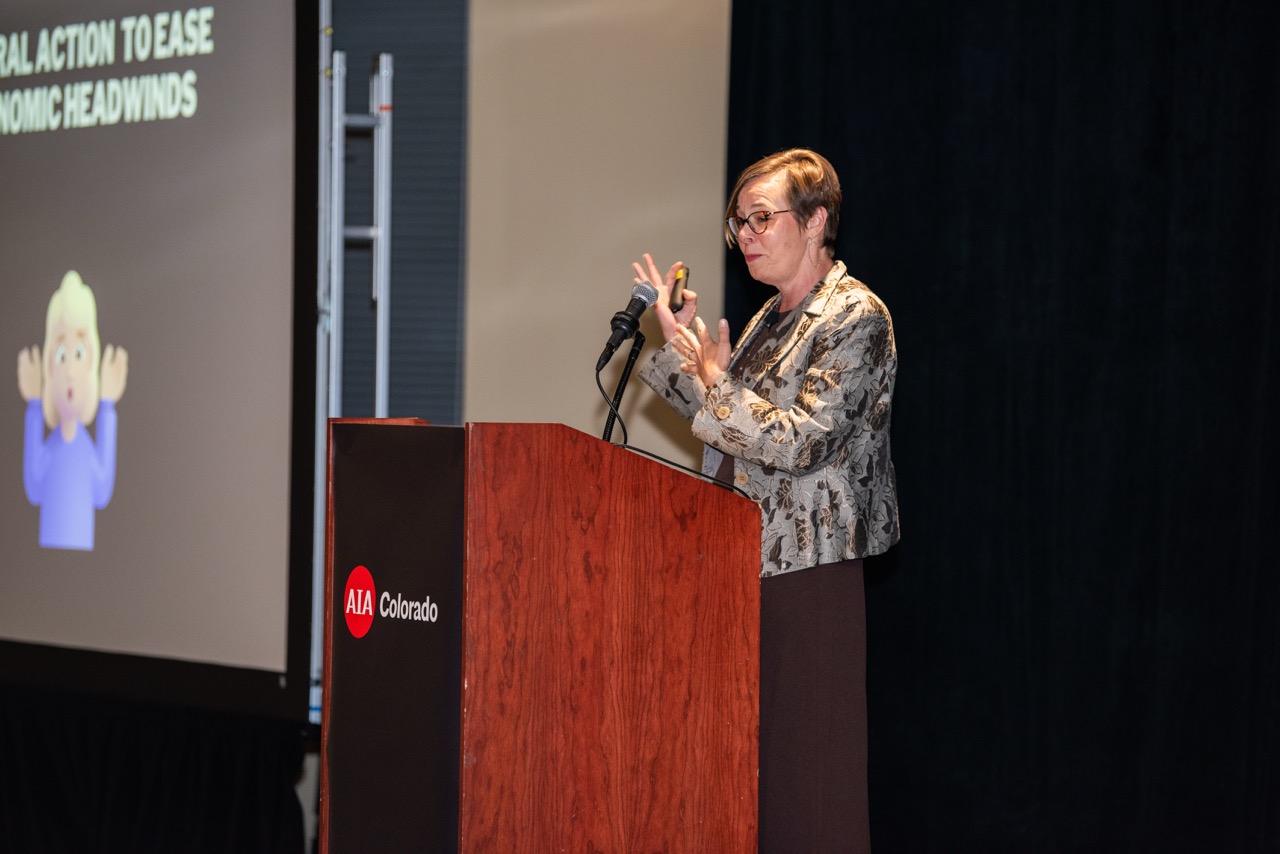
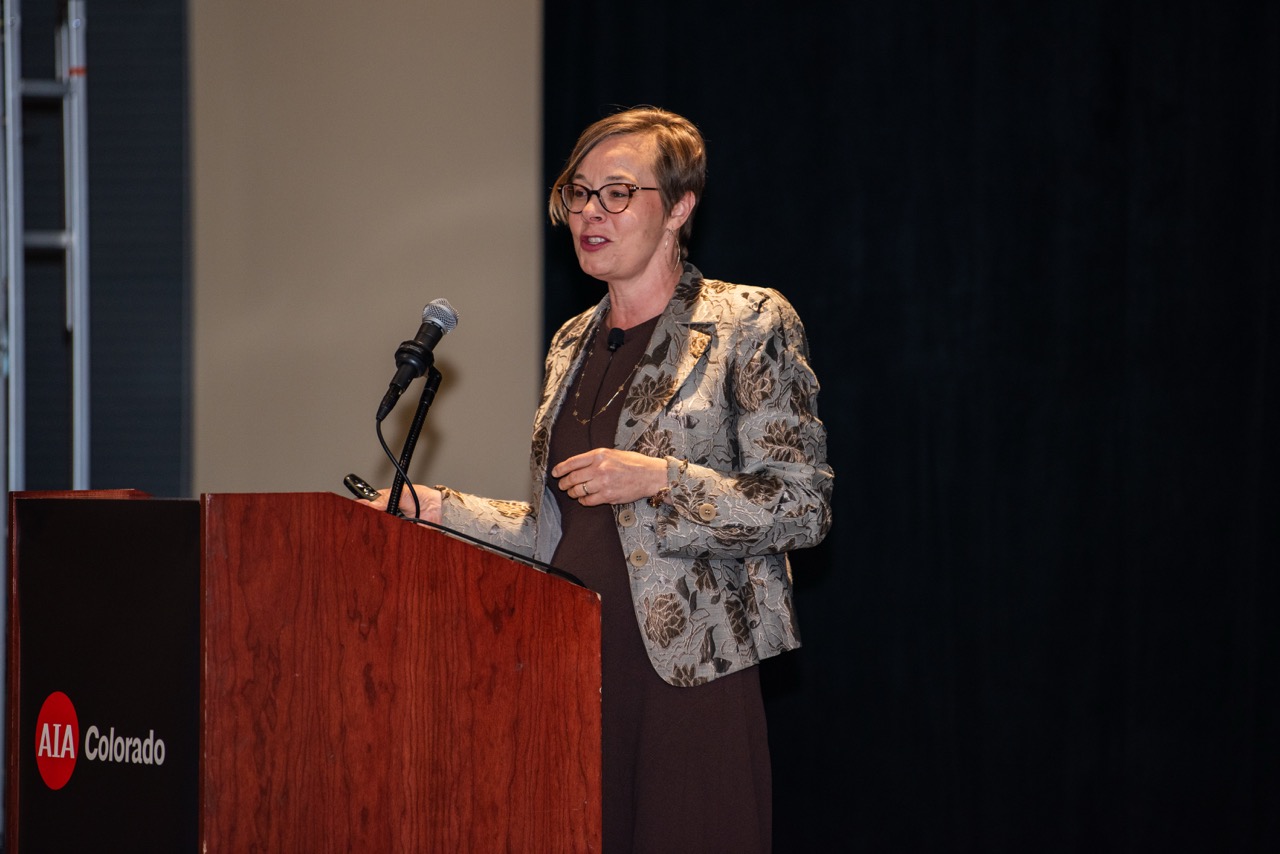
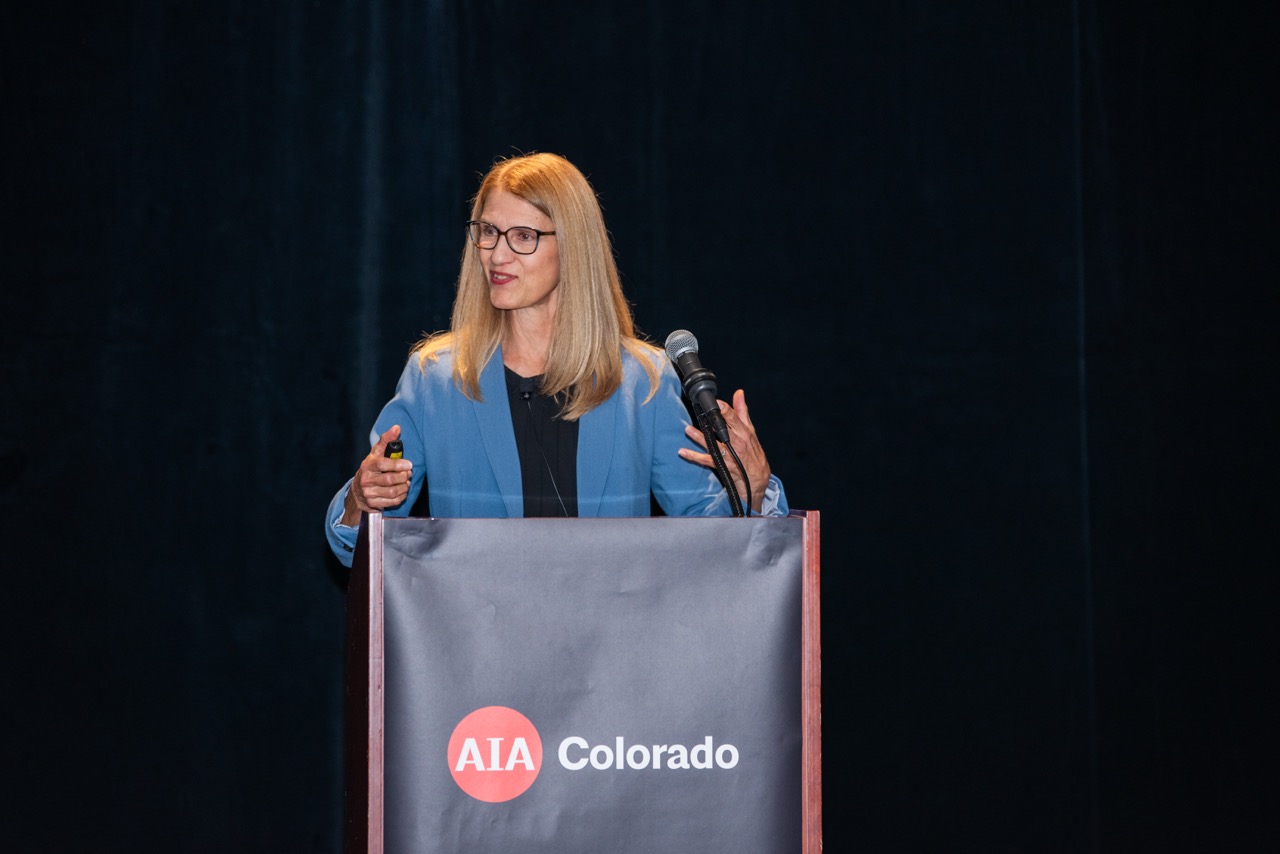
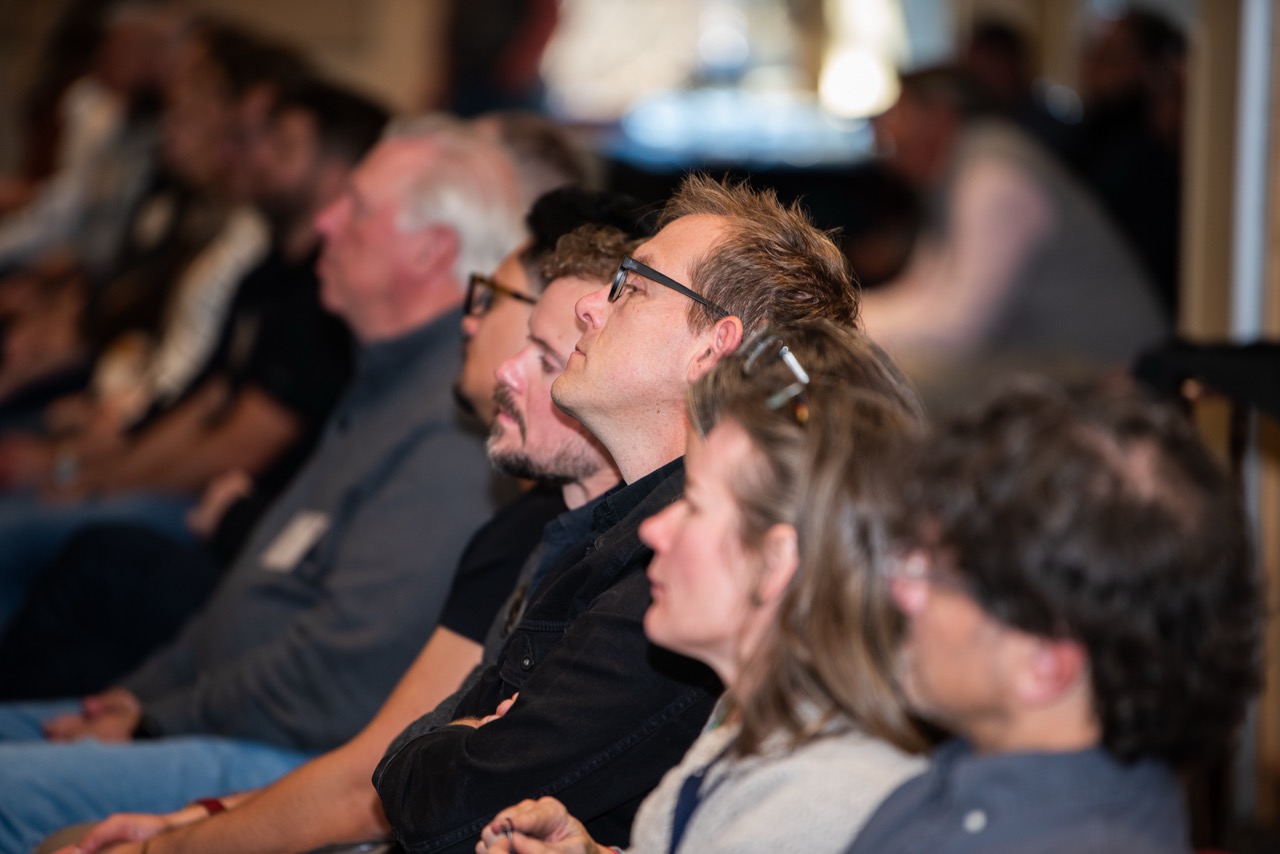
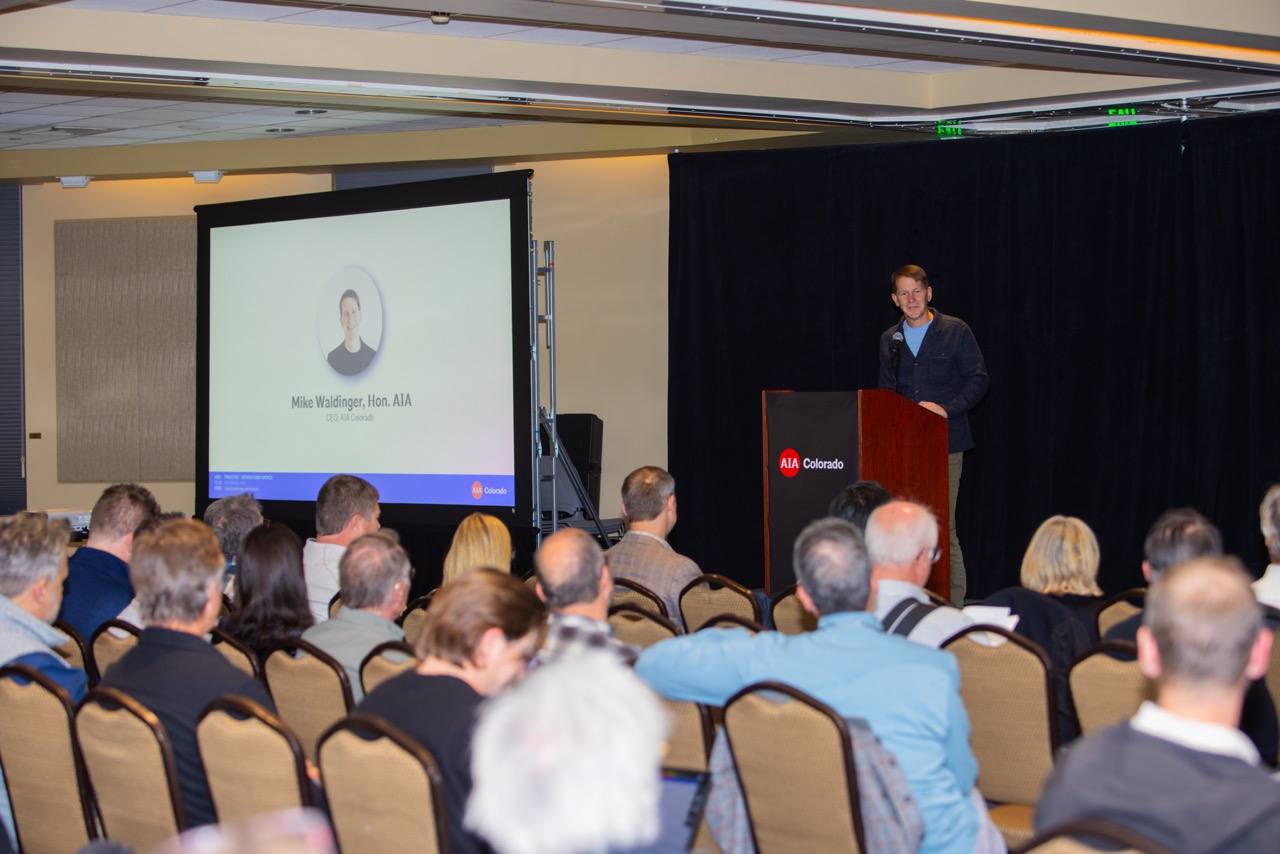
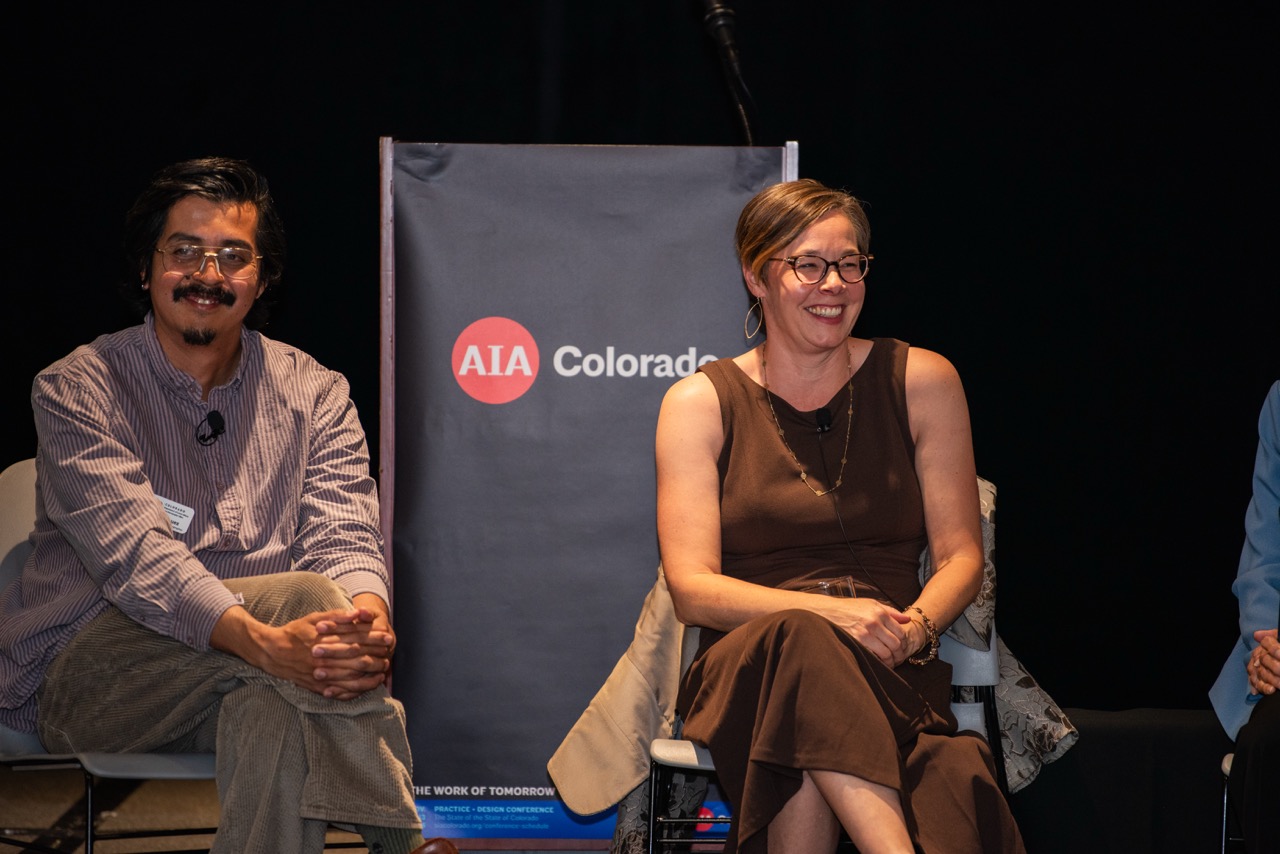
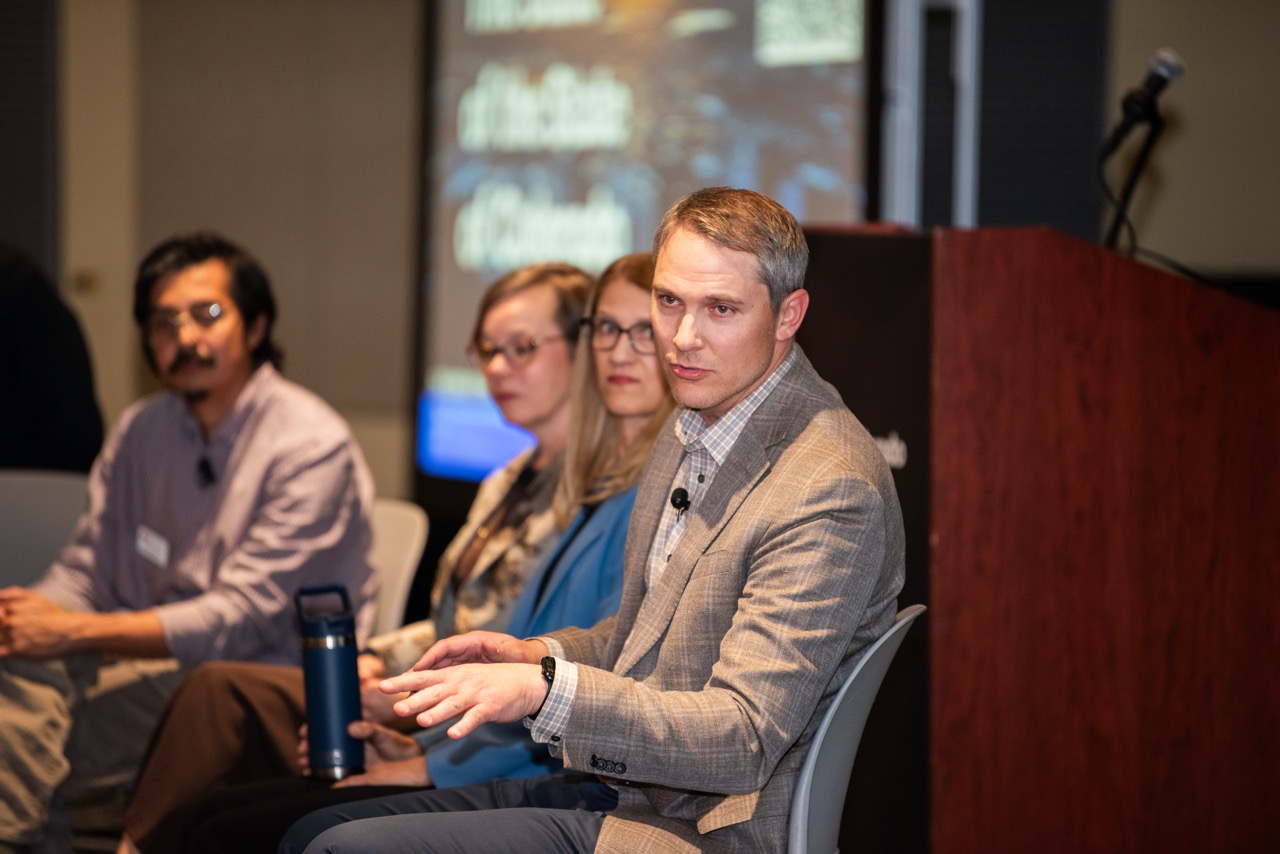
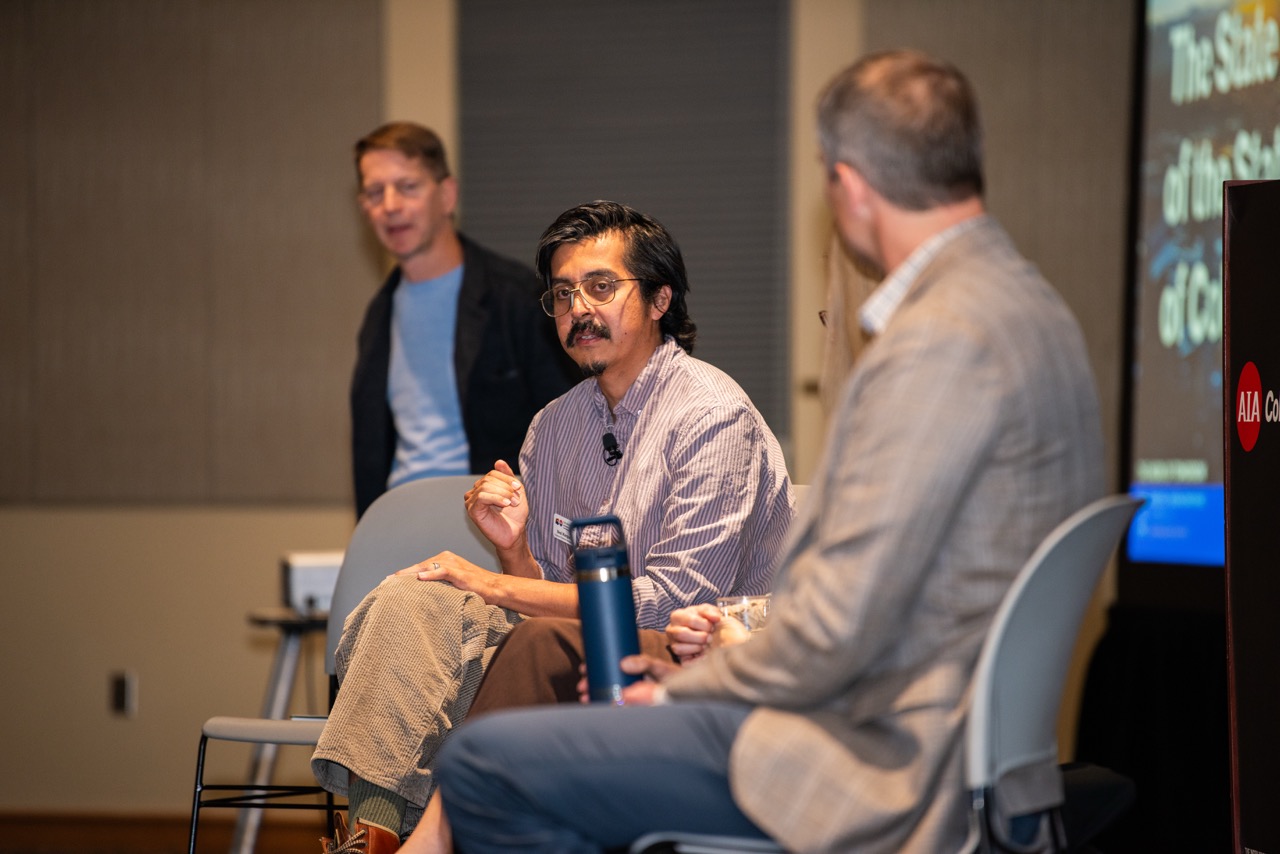
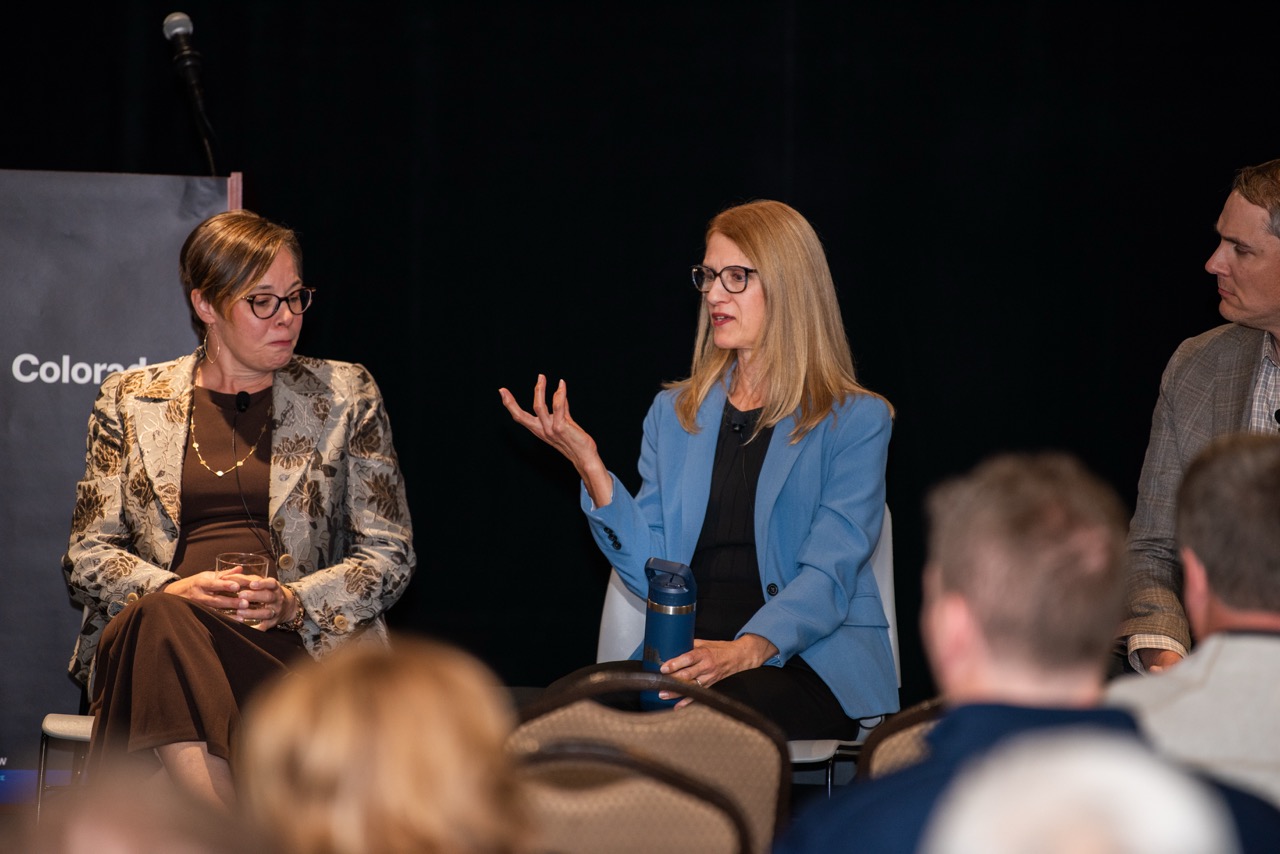
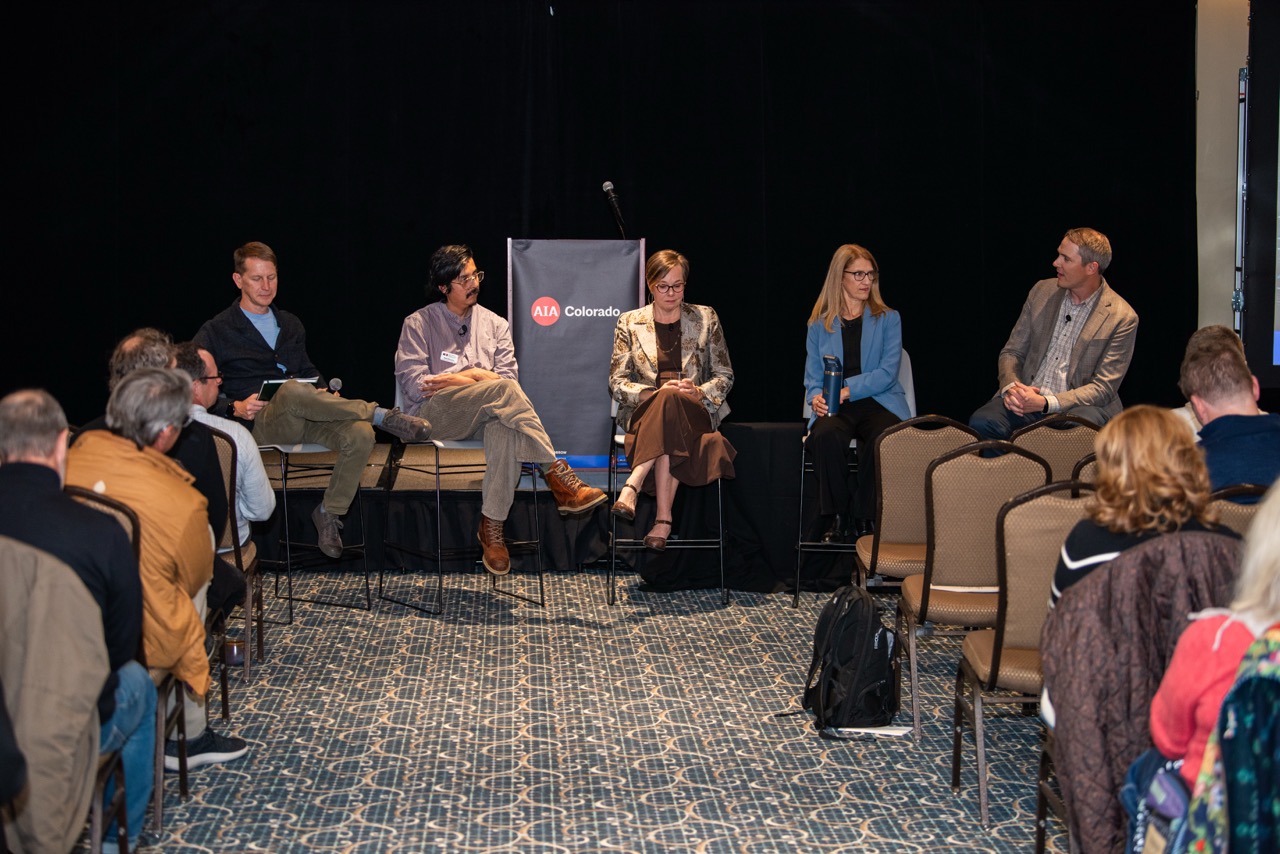
AIA Colorado opened its 2026 Practice + Design Conference on November 11 with a full room at the Keystone Conference Center and a question that framed this year’s theme, The Work of Tomorrow. What conditions will shape the work Colorado architects are asked to do in the years ahead? In Castle Peak, AIA Colorado CEO Mike Waldinger brought together four speakers to examine the question through the economy, demographics, climate resilience, and housing policy.

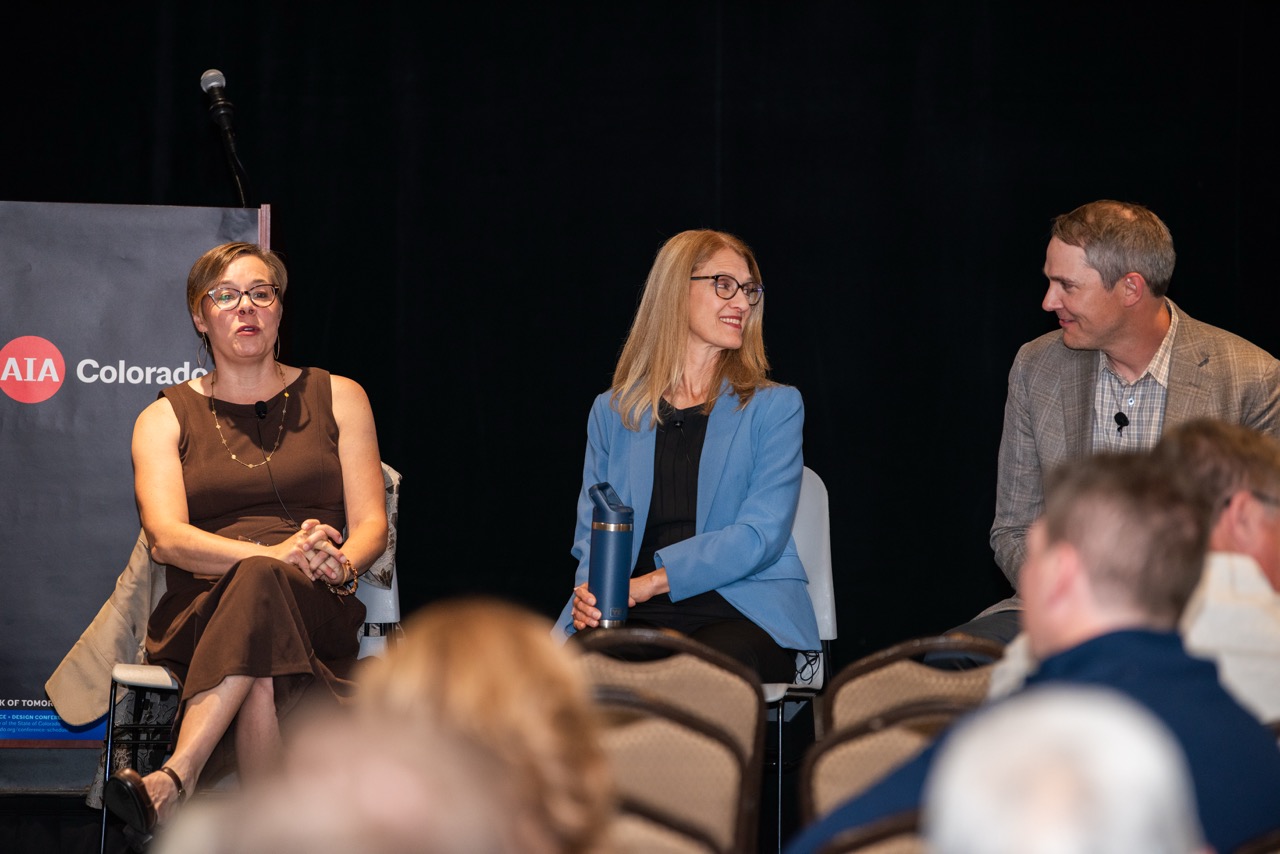
Housing connected all four presentations. The cost and location of homes influence where employers can hire, whether older adults can stay in their communities, and how exposed residents are to wildfire, flooding, and extreme heat. In the closing Q&A, Waldinger brought the discussion back to practice. Housing affordability affects the projects firms design, the ability of their clients to expand in Colorado, and whether firms themselves can recruit and retain staff.

This is now an issue that isn’t just something that we are casually watching as political observers. It’s affecting every practice in the state of Colorado.

Mike Waldinger, Hon. AIA, CEO, AIA Colorado
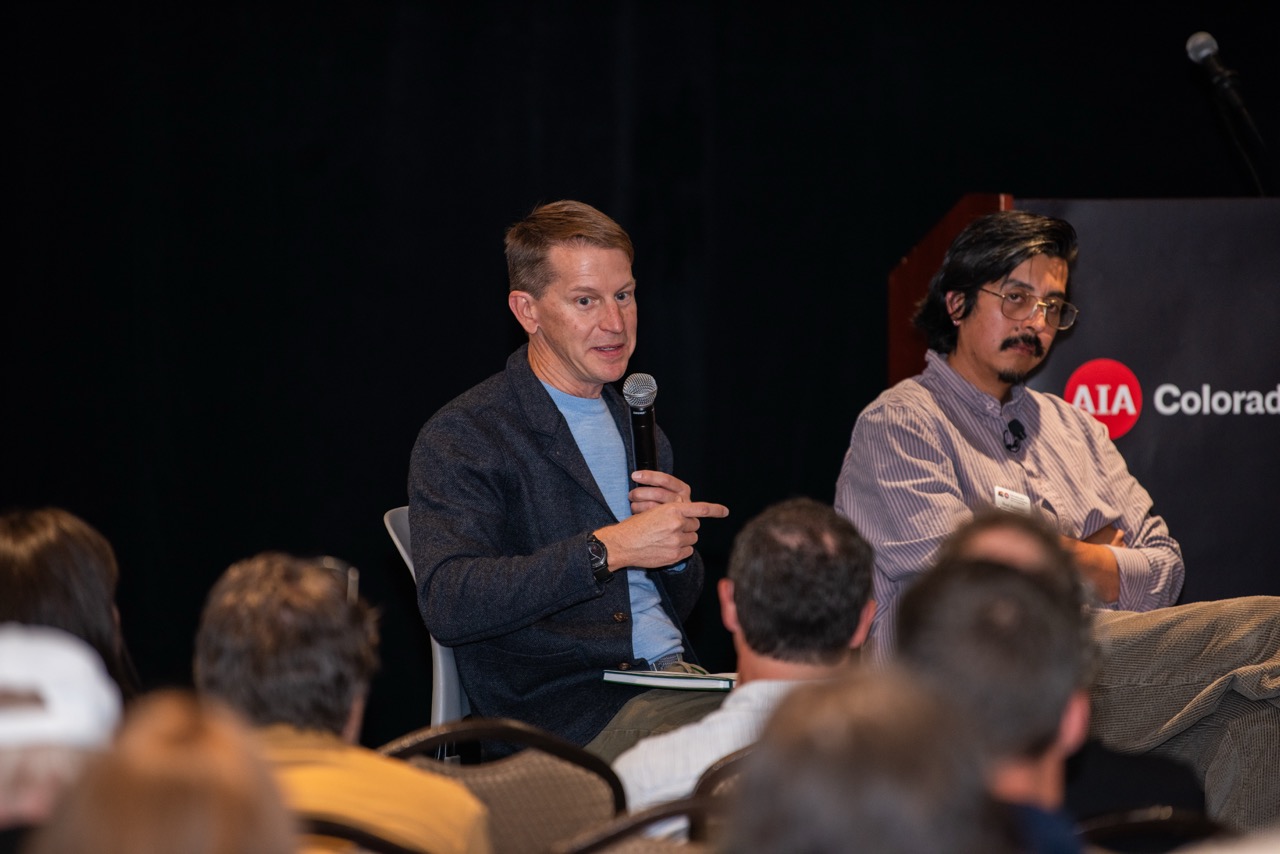
Brian Lewandowski | Amp Media

Brian Lewandowski

on Colorado’s economy and construction outlook

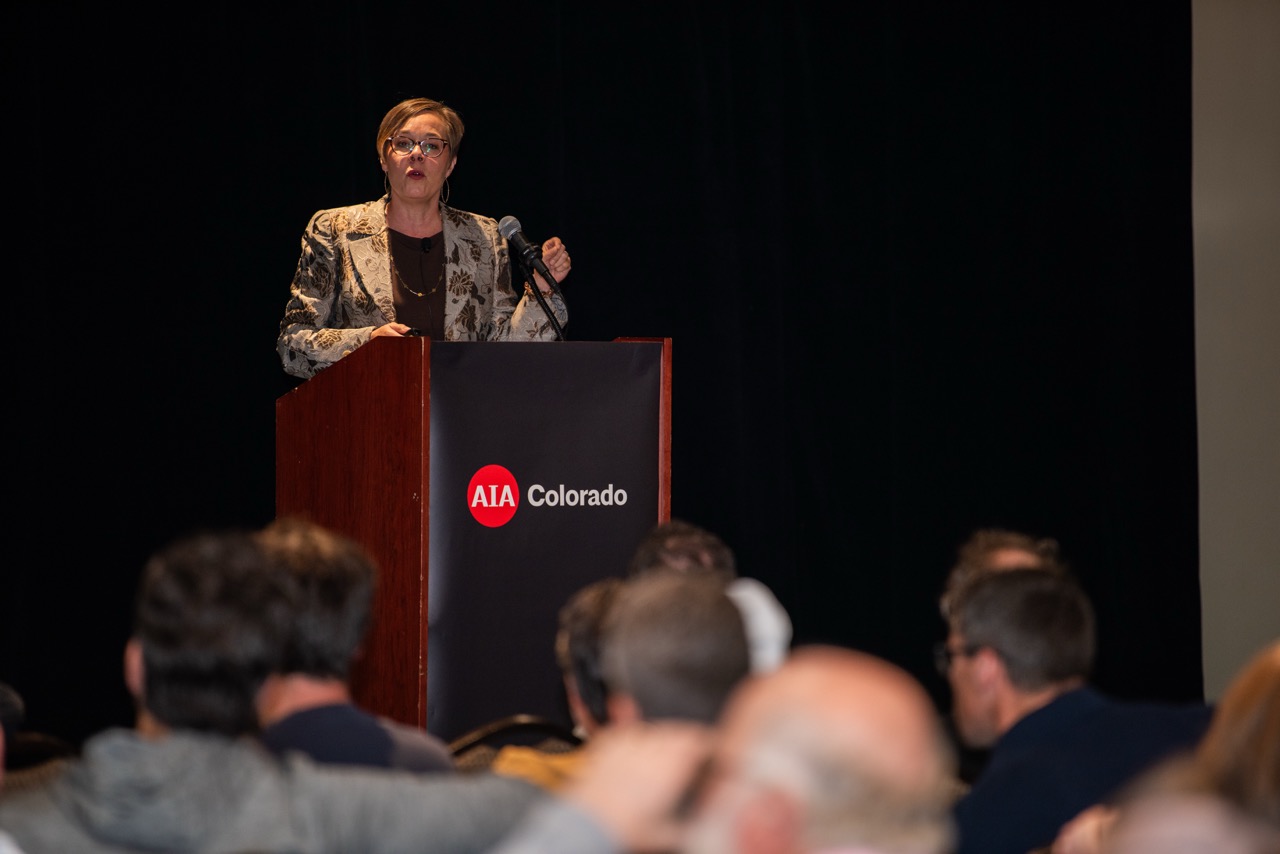
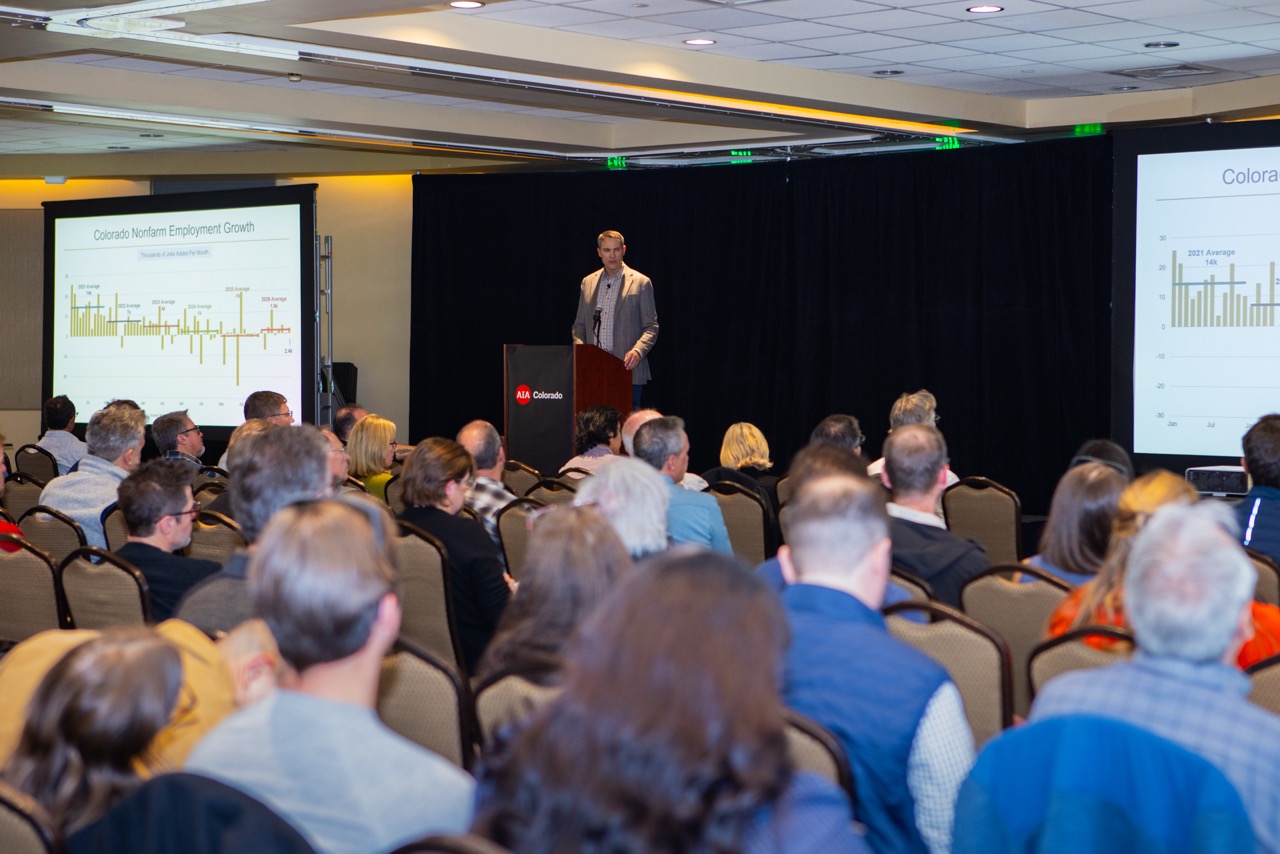
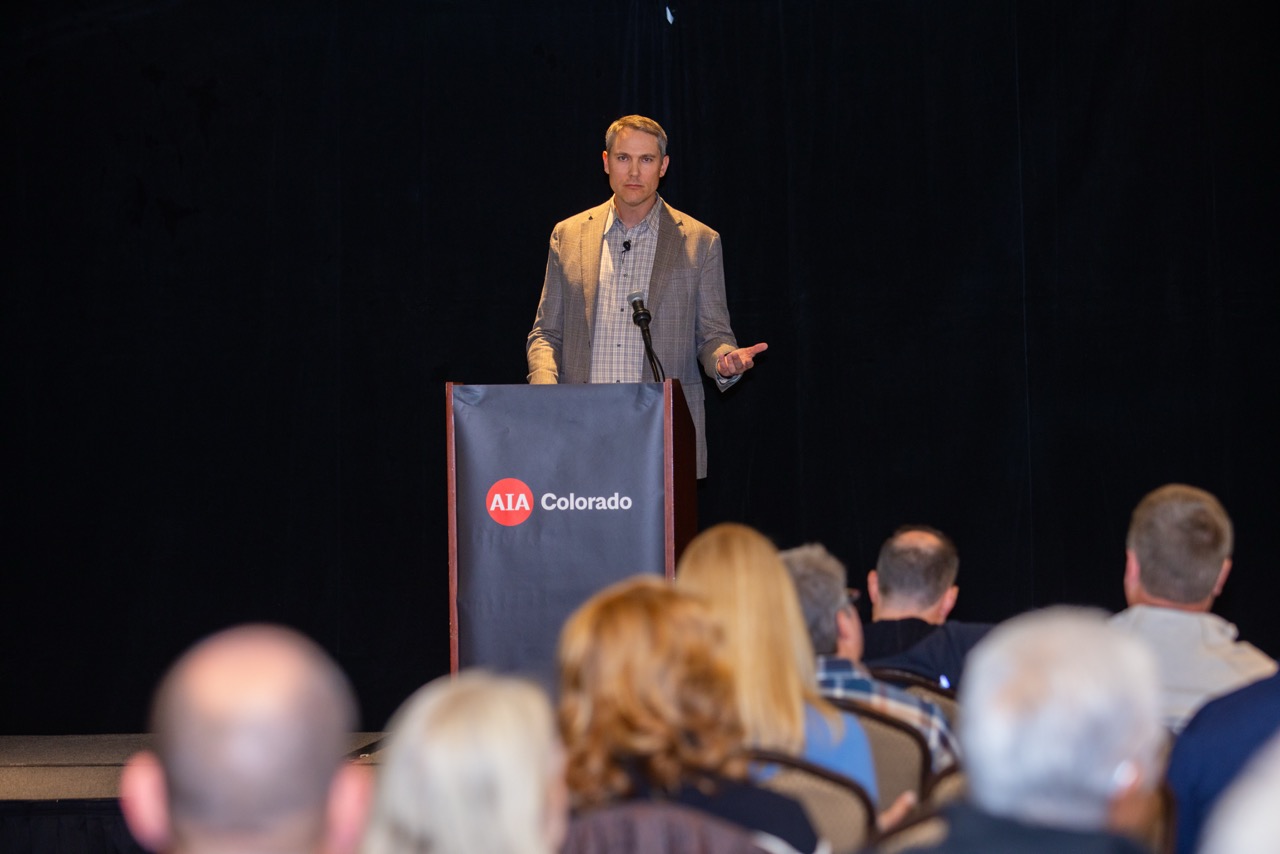
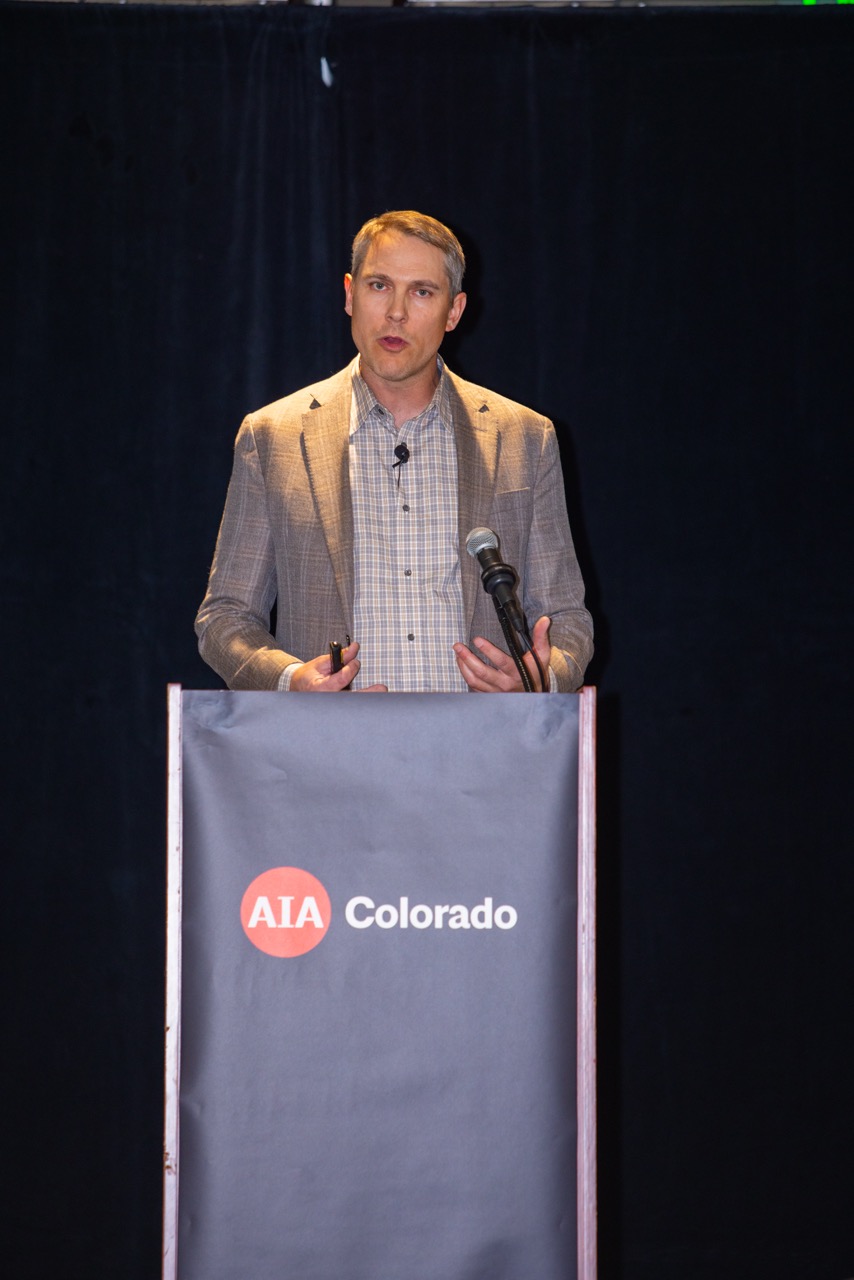
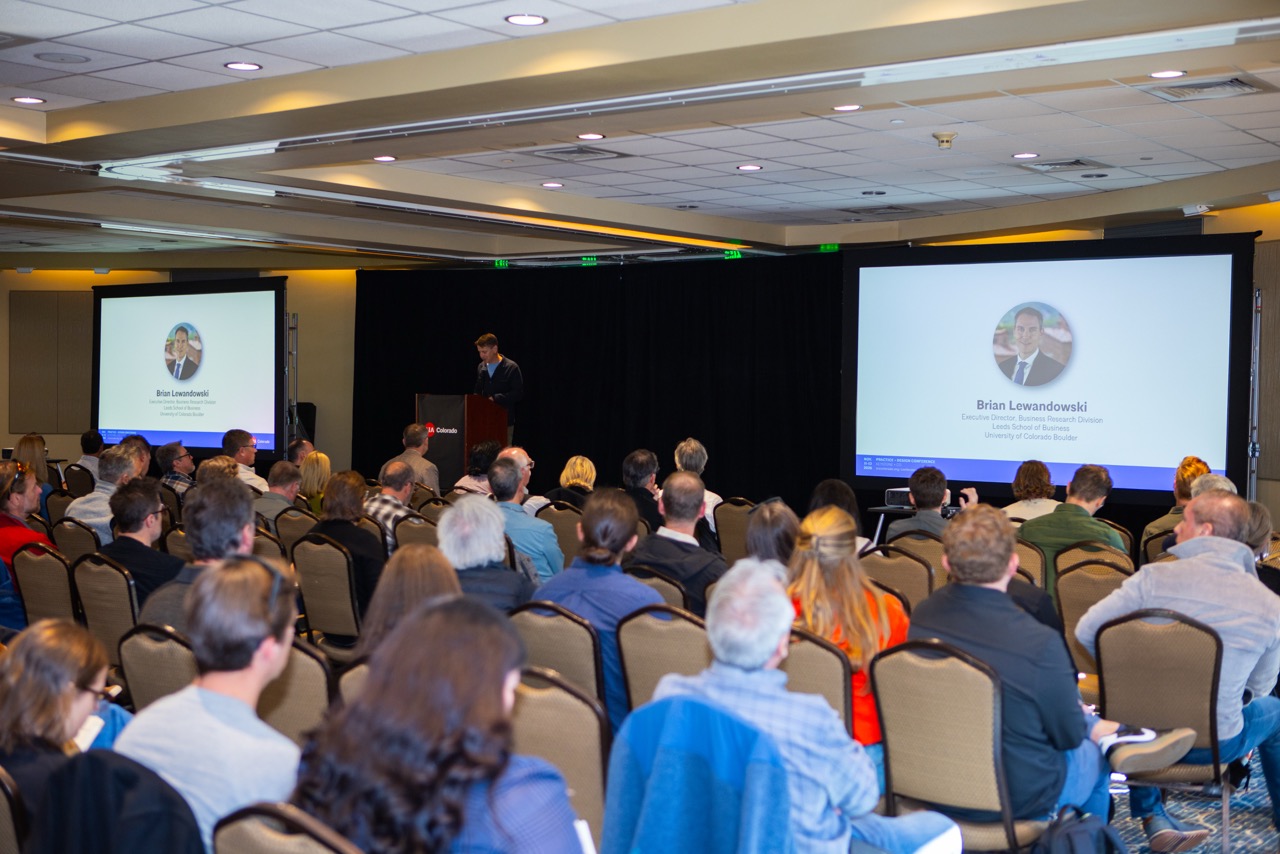
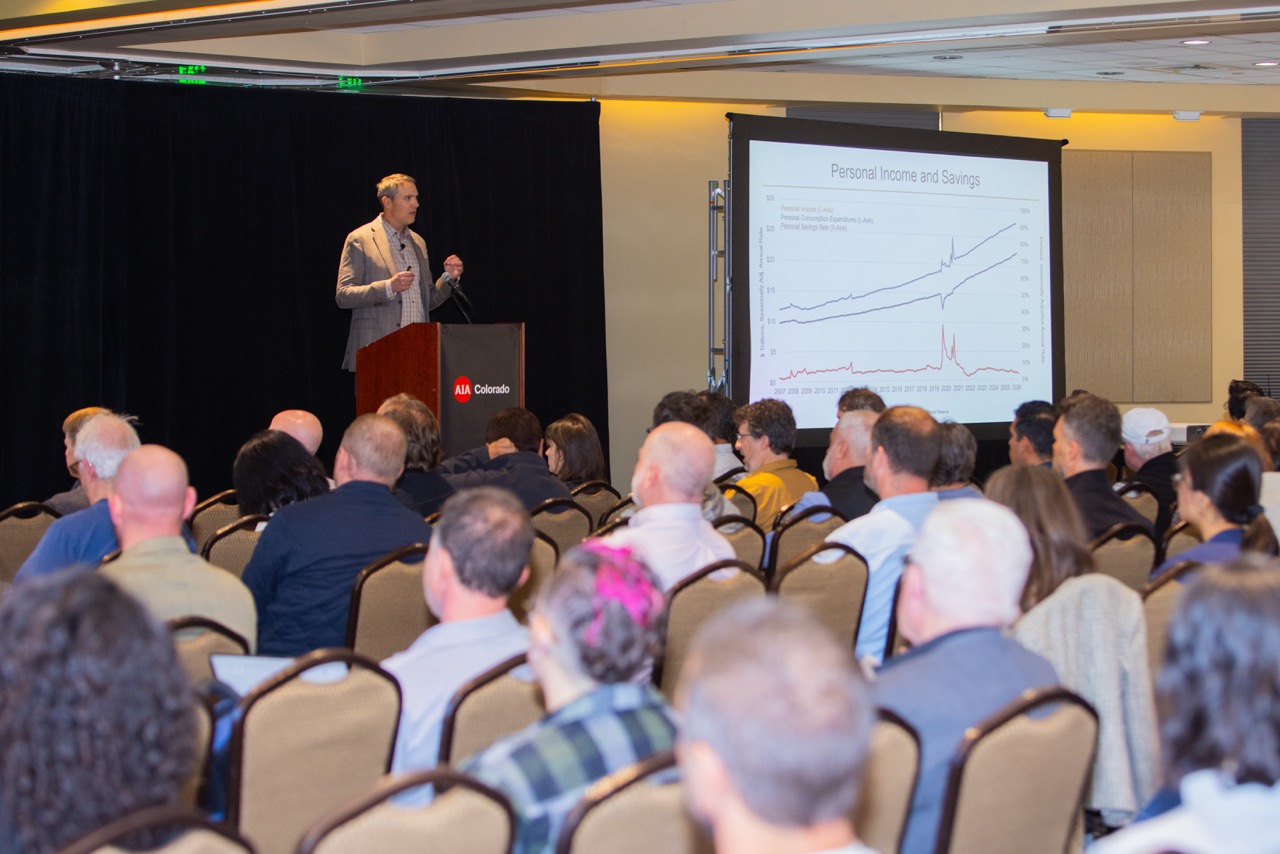
Brian Lewandowski, Executive Director of the Business Research Division at CU Boulder’s Leeds School of Business, opened with a question for the audience: How do you measure economic success? Colorado ranked among the top 10 states for growth in real GDP and personal income in the data he presented. Employment growth was softer and concentrated in a few sectors, including health care and hospitality, while the state’s labor force had contracted. Recession was outside his baseline outlook, although rising costs and declining household savings pointed to pressures beneath the headline growth figures.

For architects, the construction data illustrated why the details matter. Colorado’s permit values had fallen from their 2022 peak, with some recovery in the 2026 figures he presented, while residential permitting remained relatively flat. Nationally, the Census Bureau counts data centers as offices, and their growth made the office construction category look stronger than the conventional office market. Rising input costs, expensive financing, and uneven demand across project types continue to shape what can get built.

Without data centers, office construction is down nationally. 

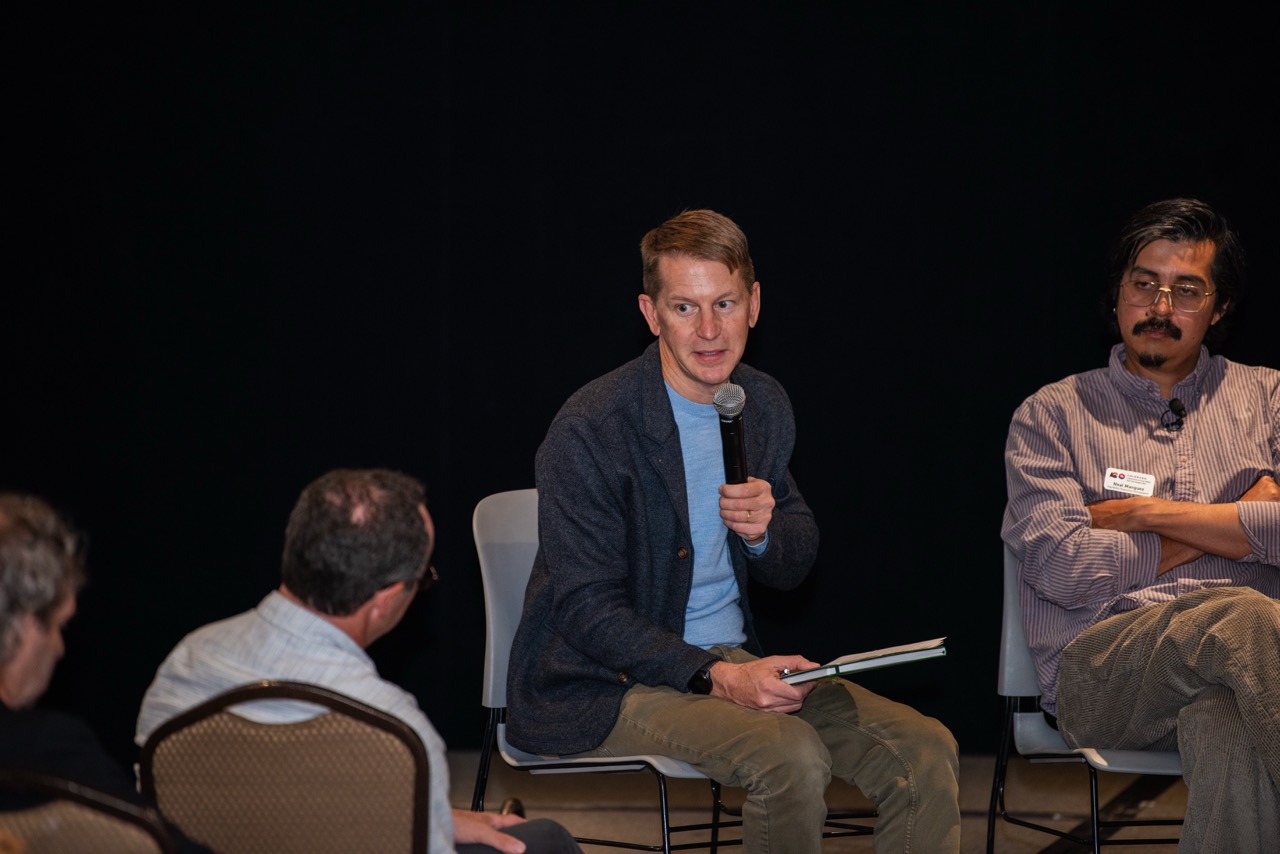
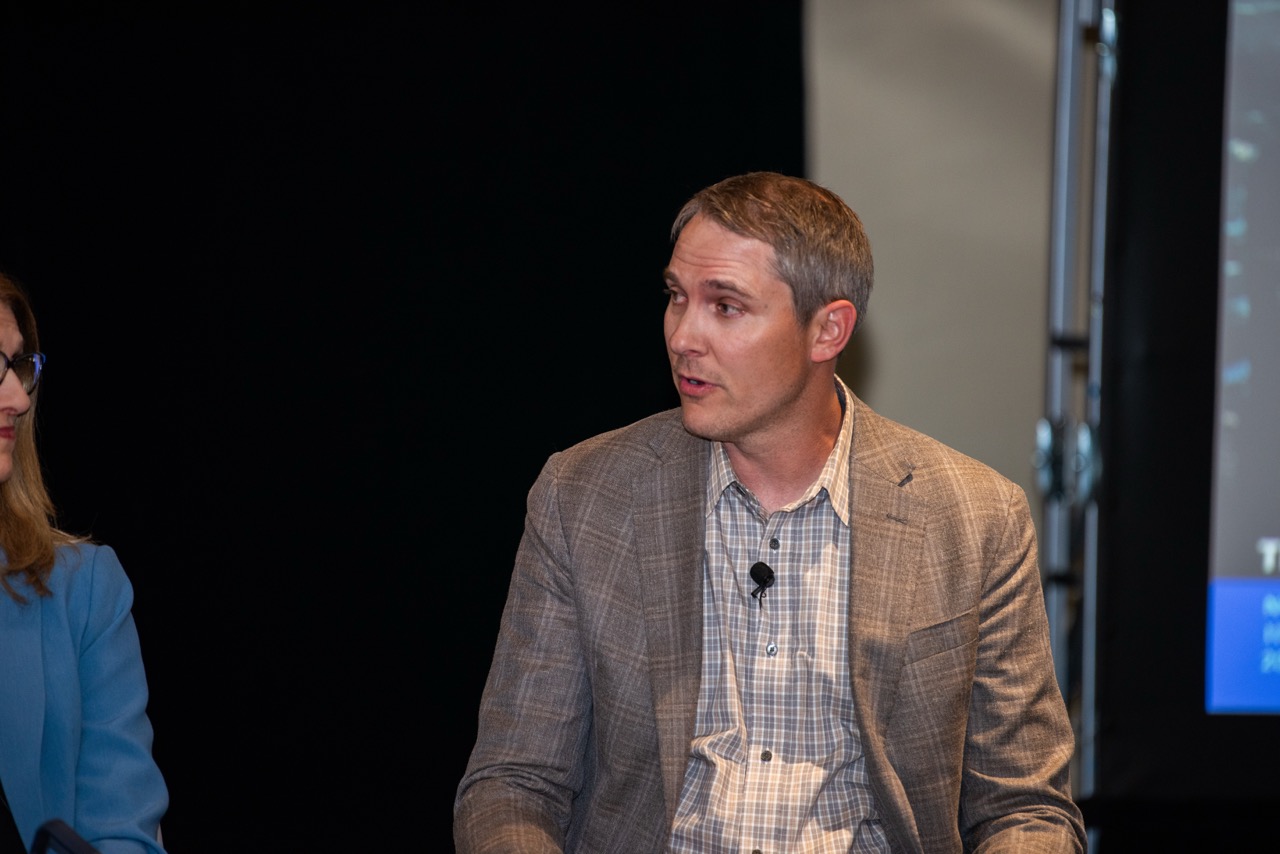
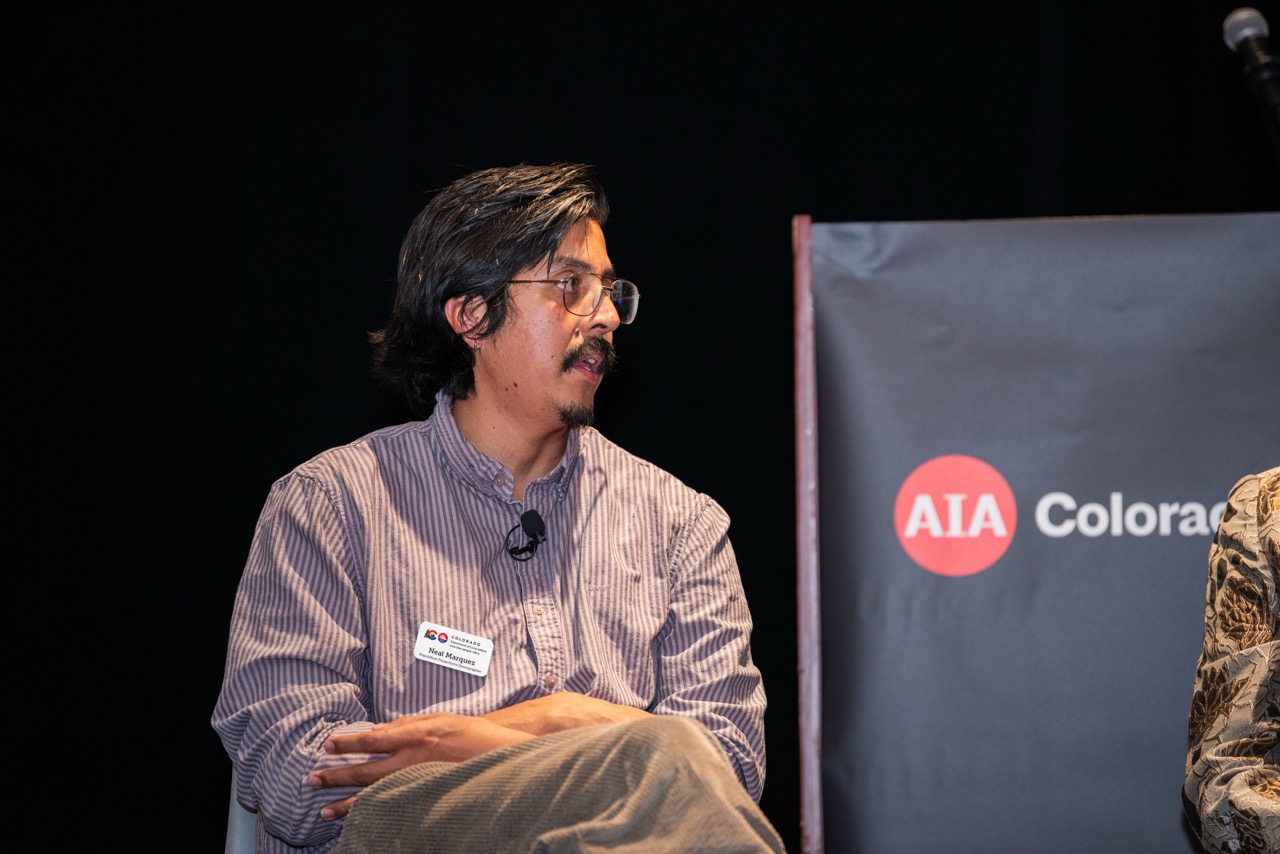
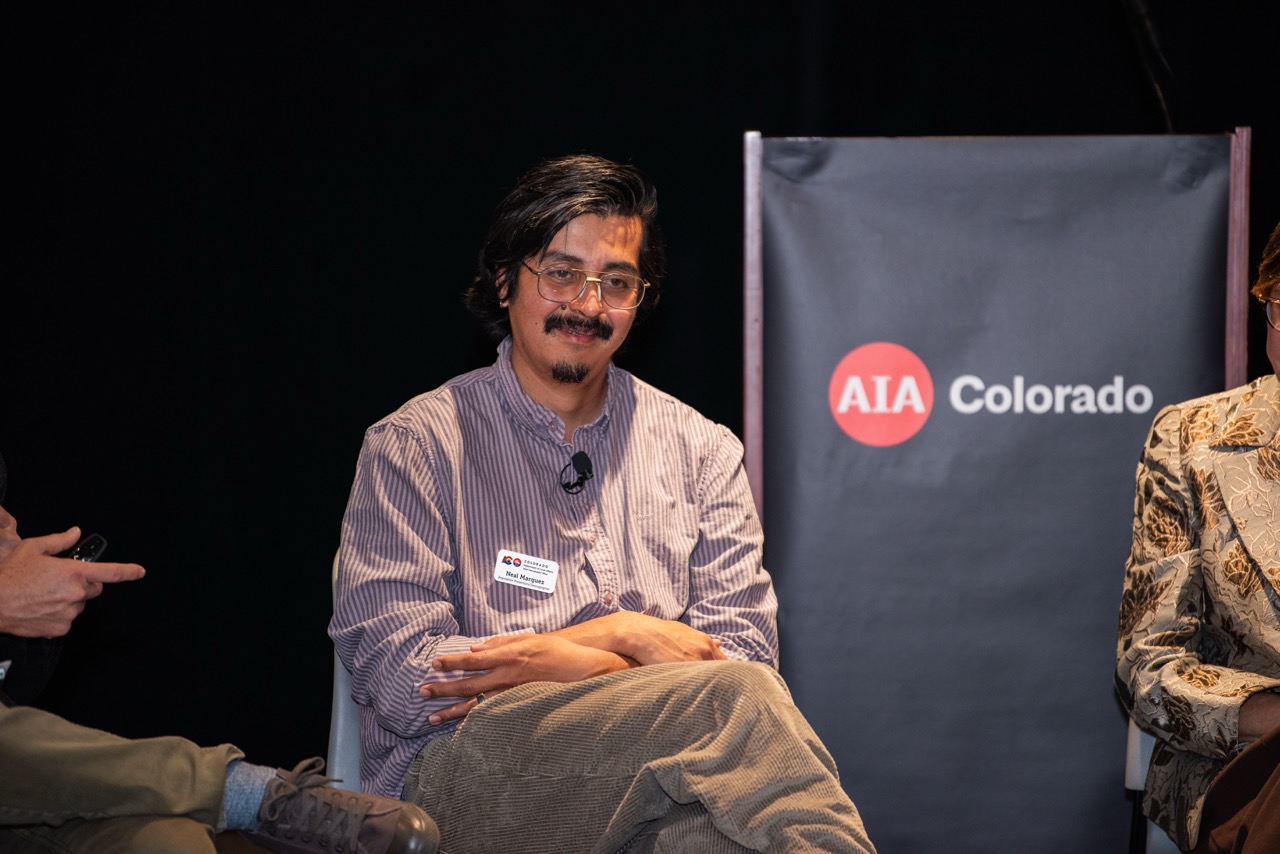
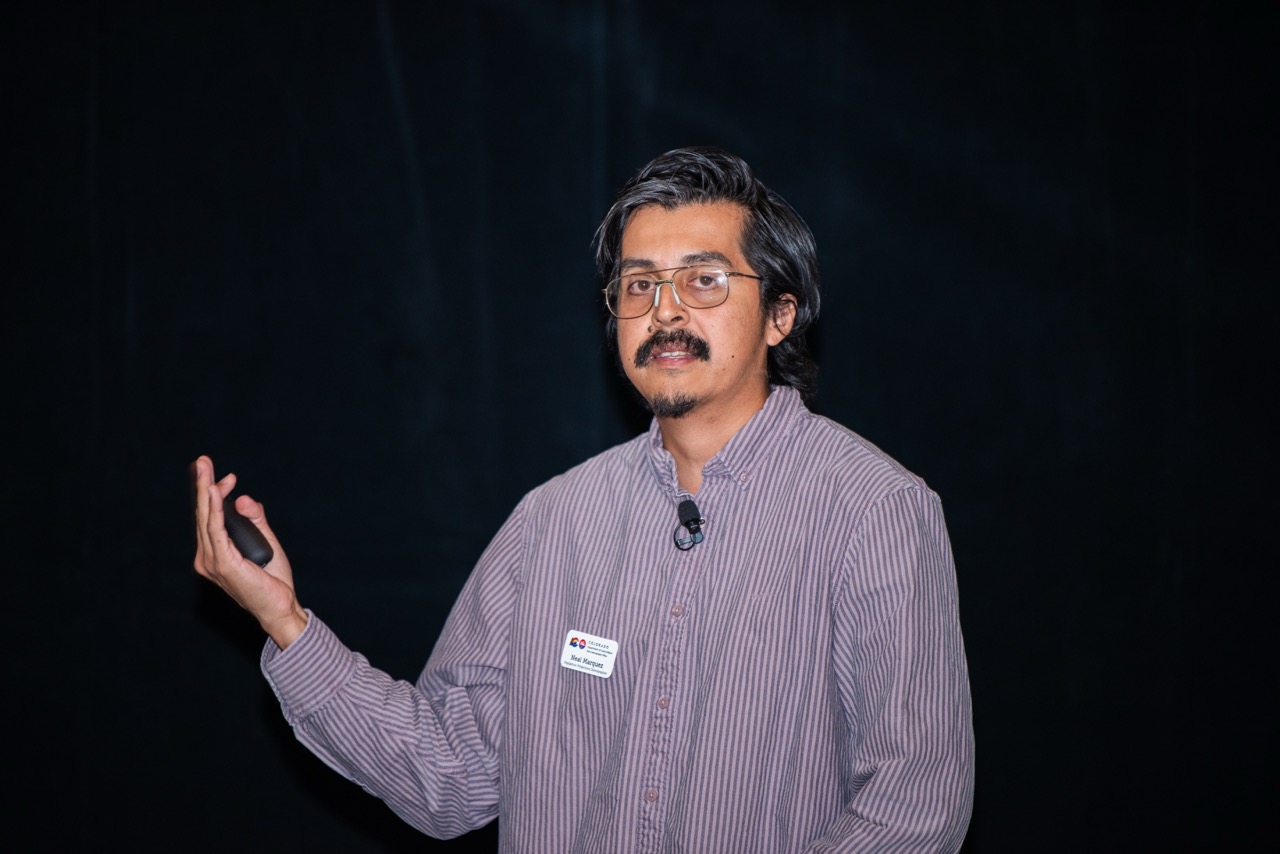
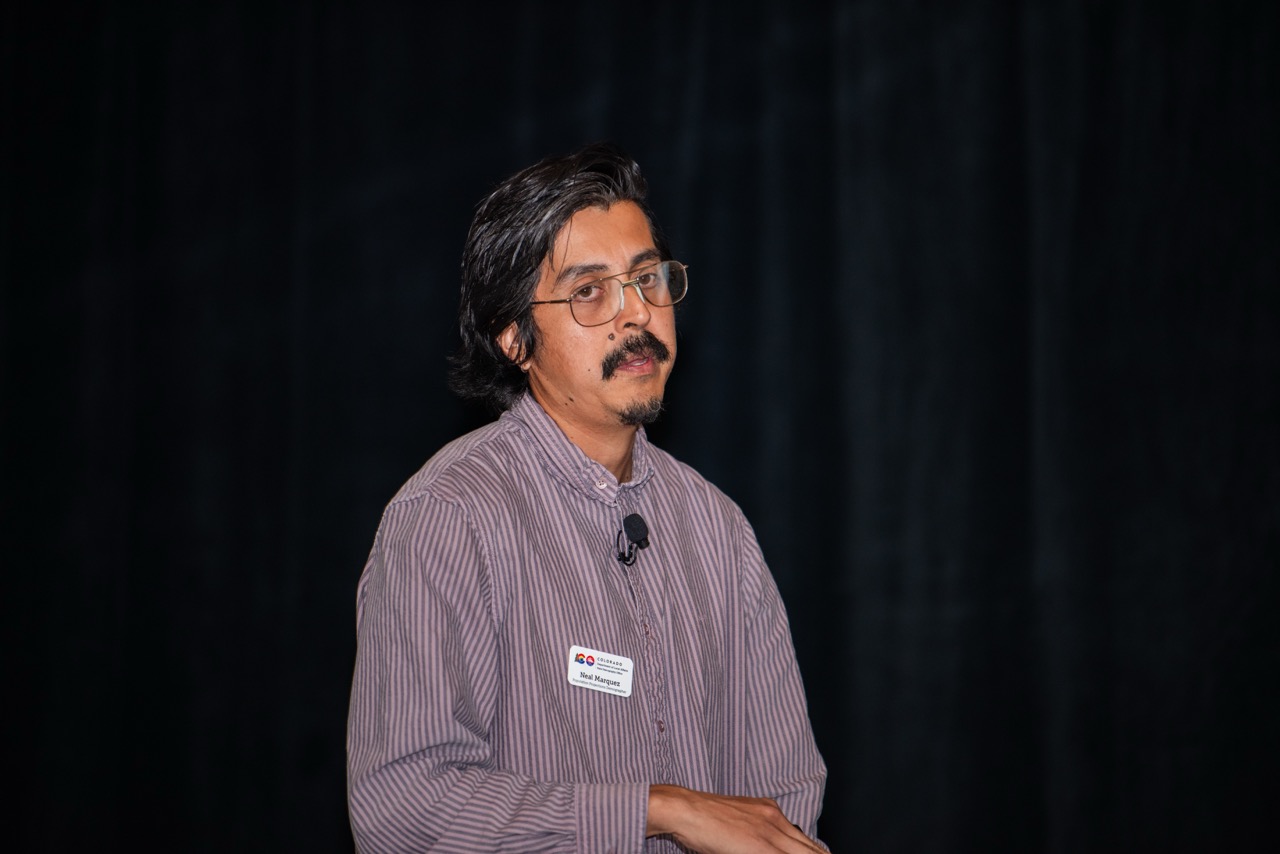
Neal Marquez | Amp Media

Neal Marquez

on a slower-growing, older Colorado

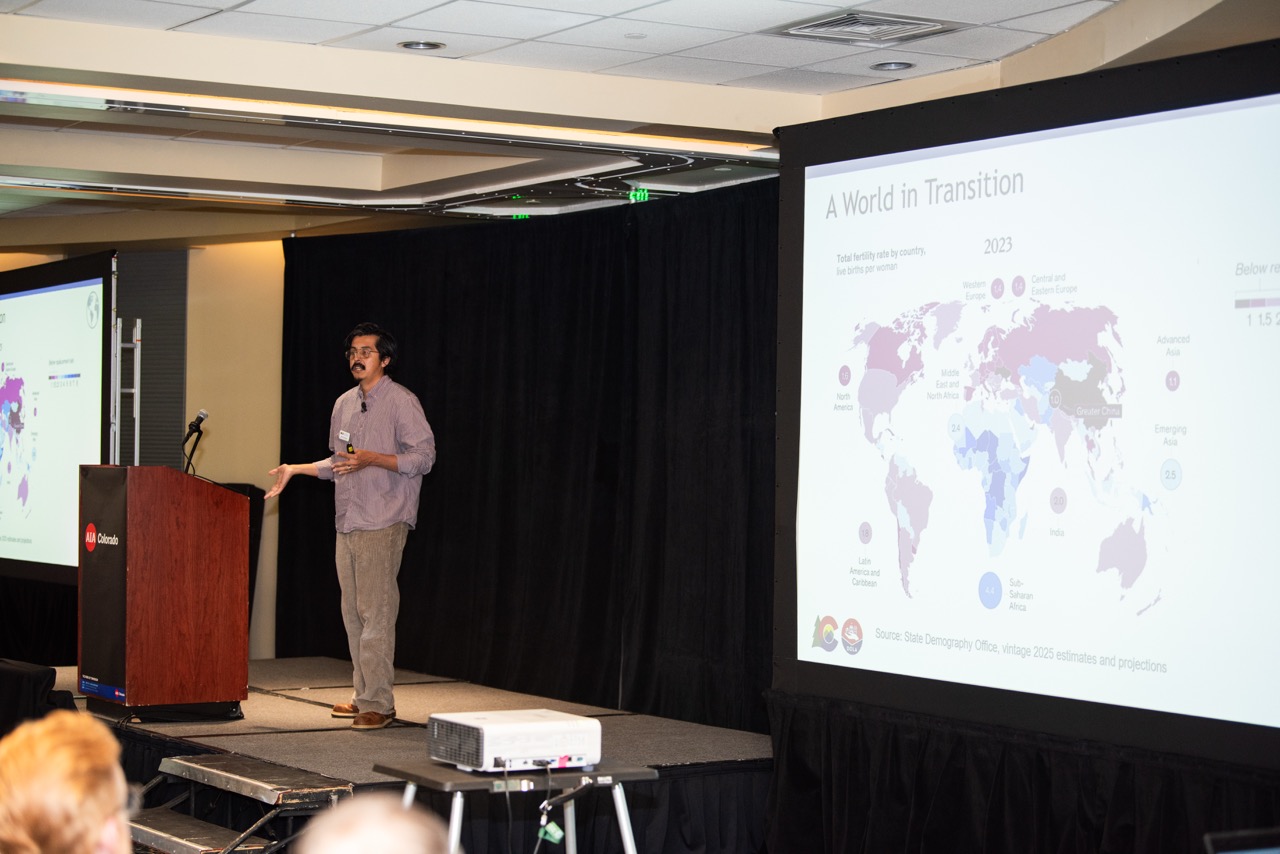
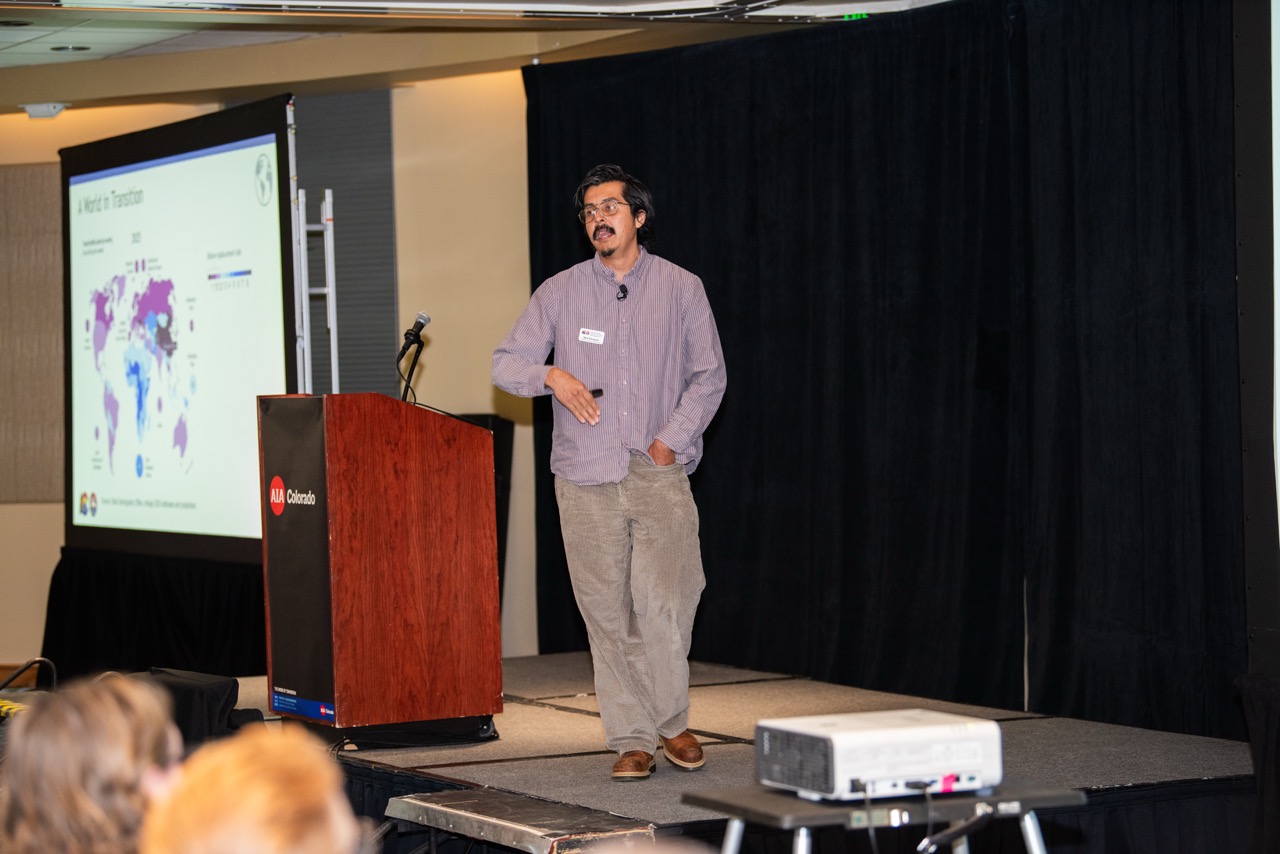
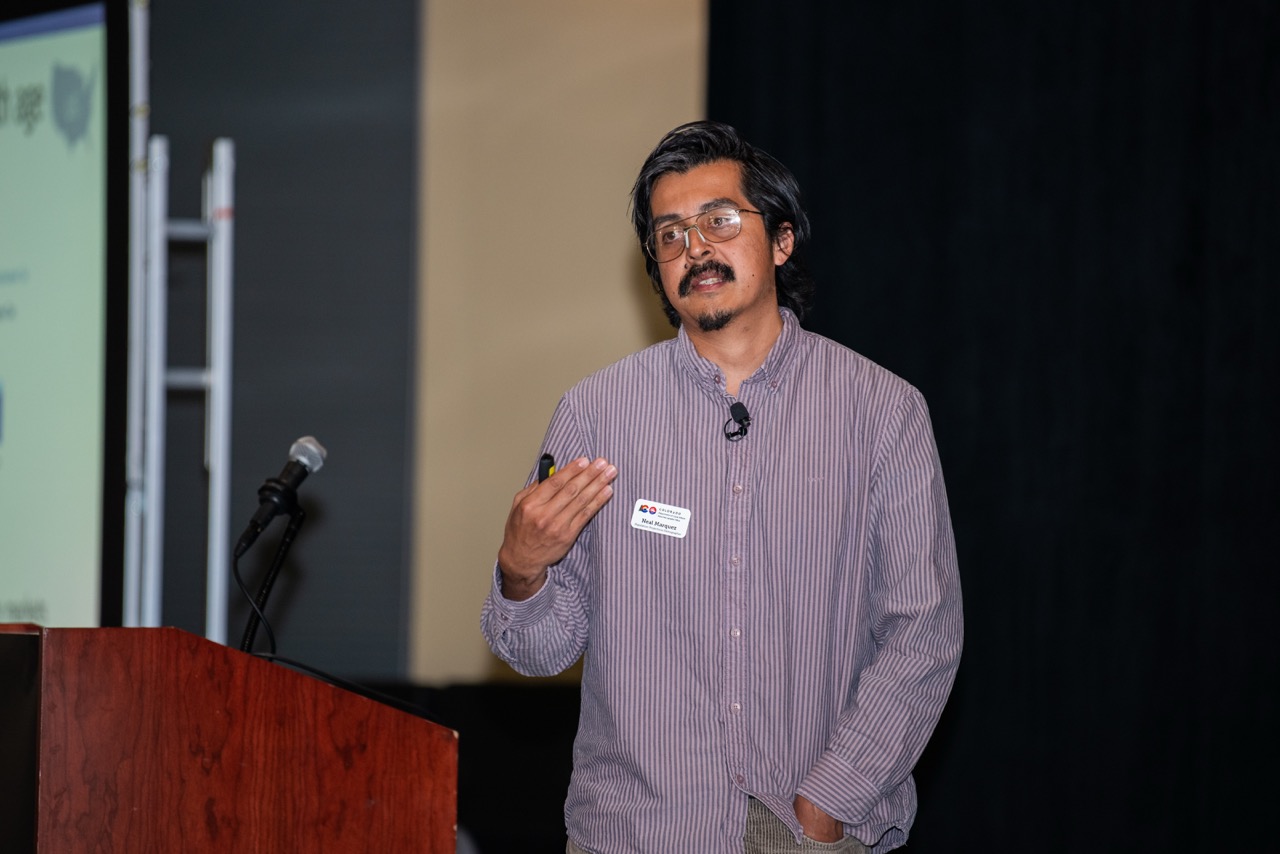
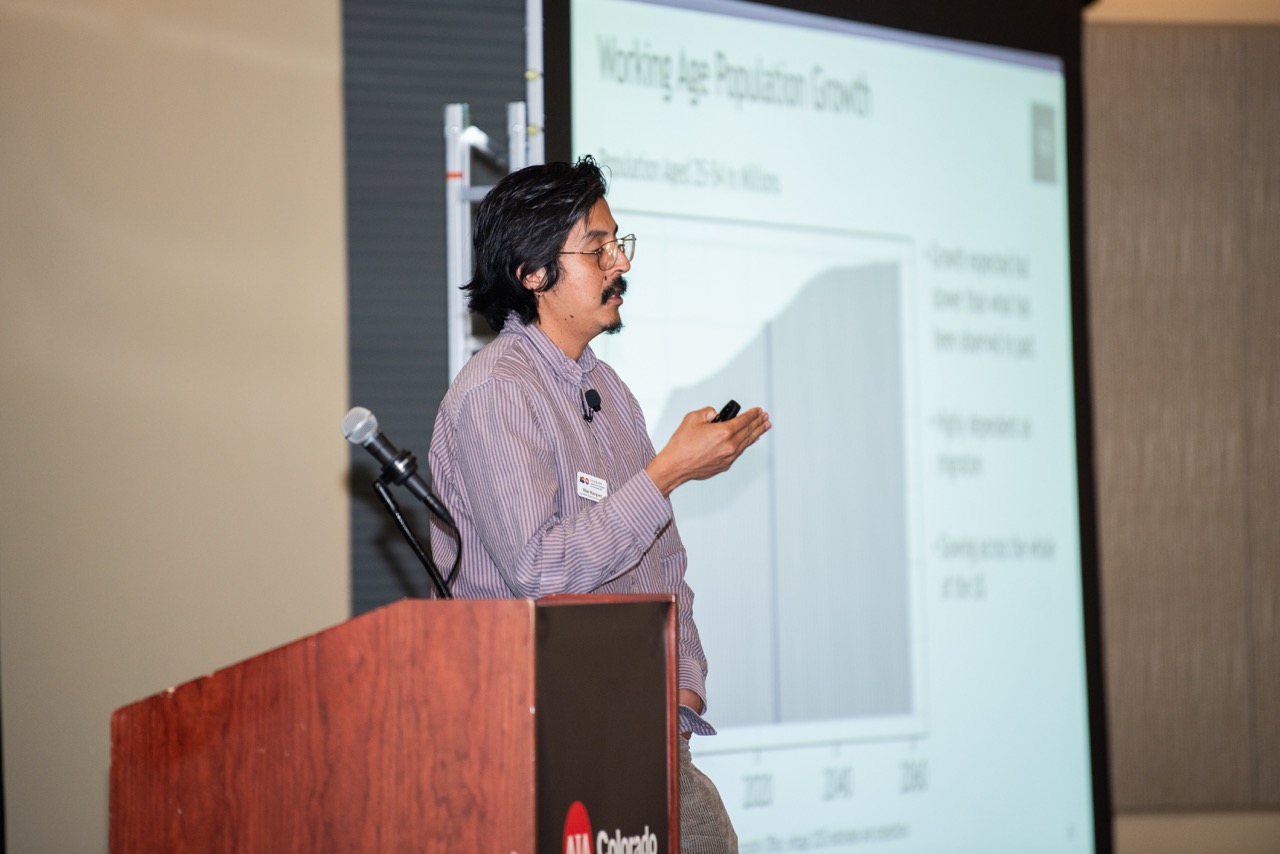
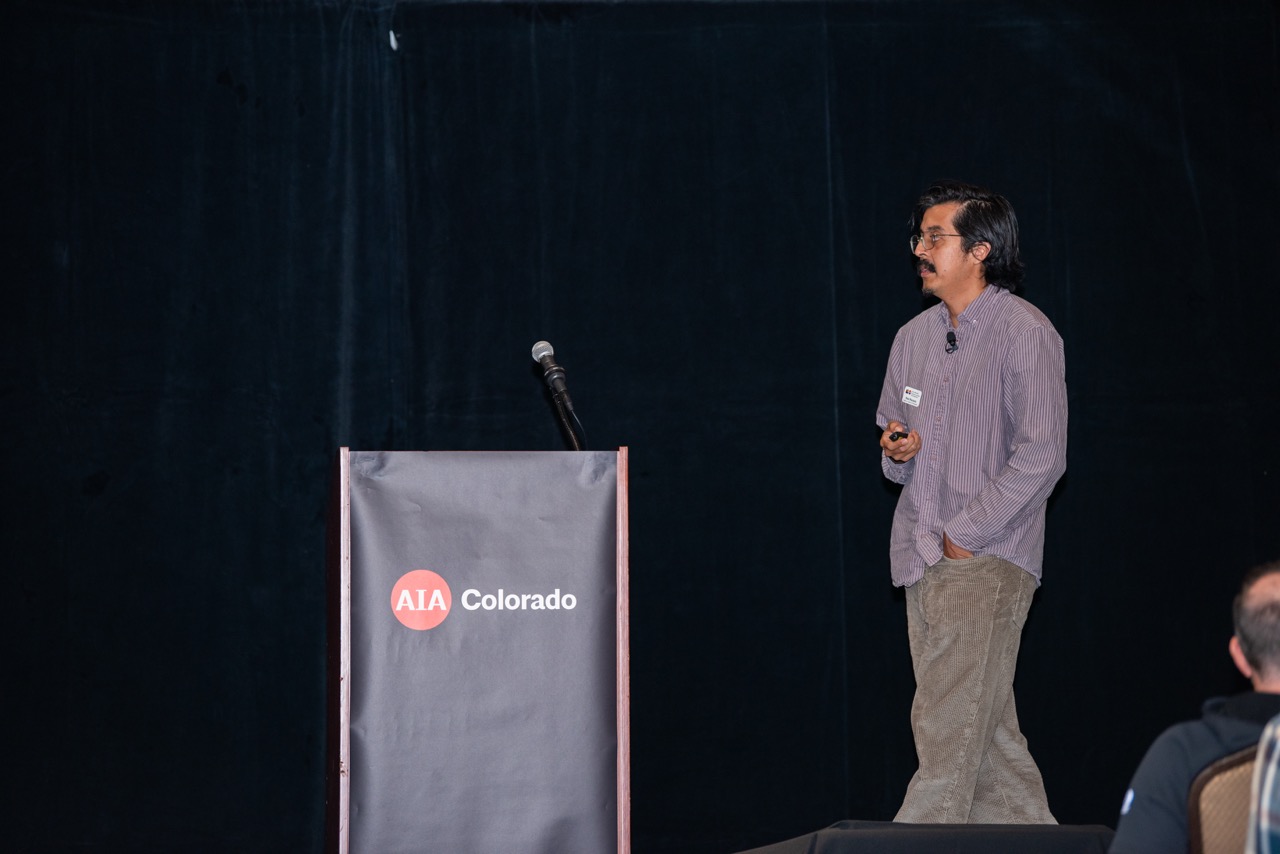
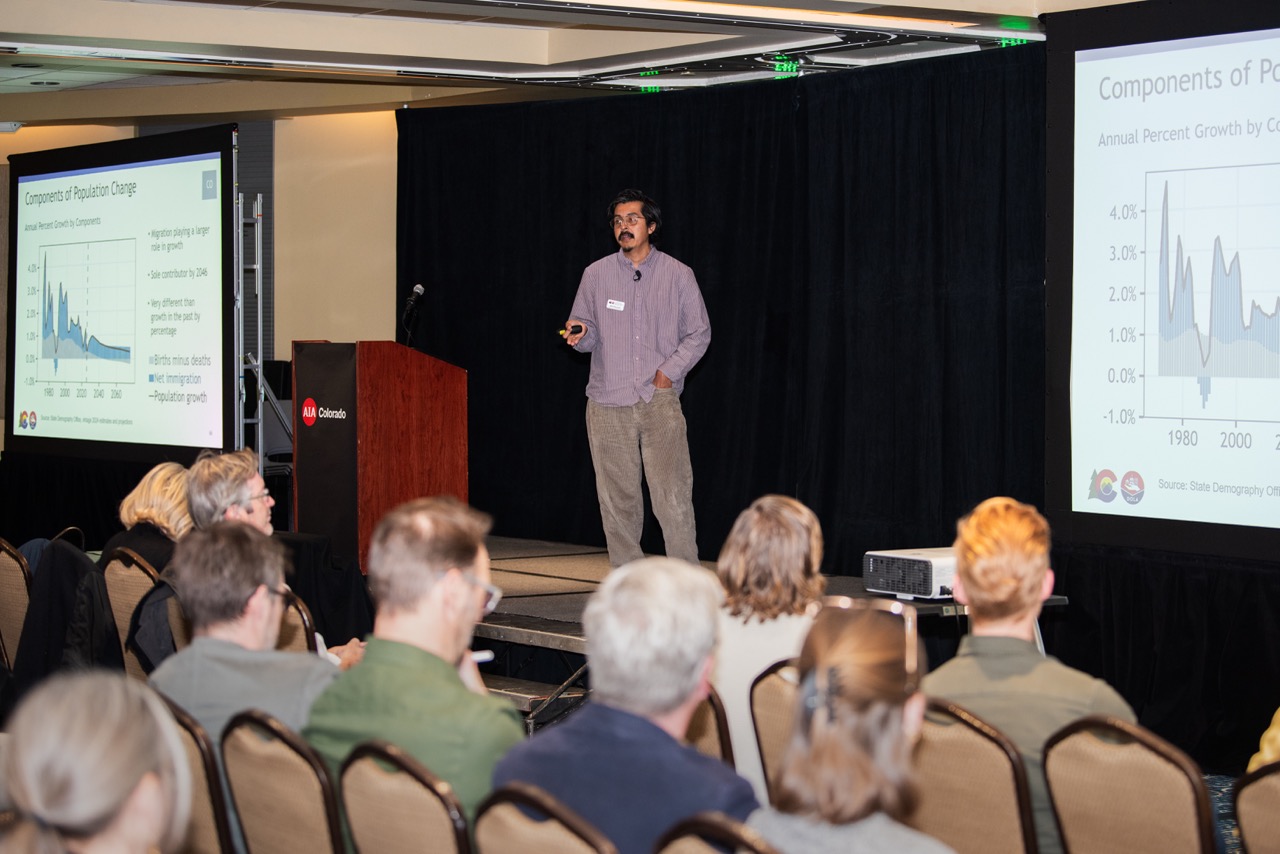
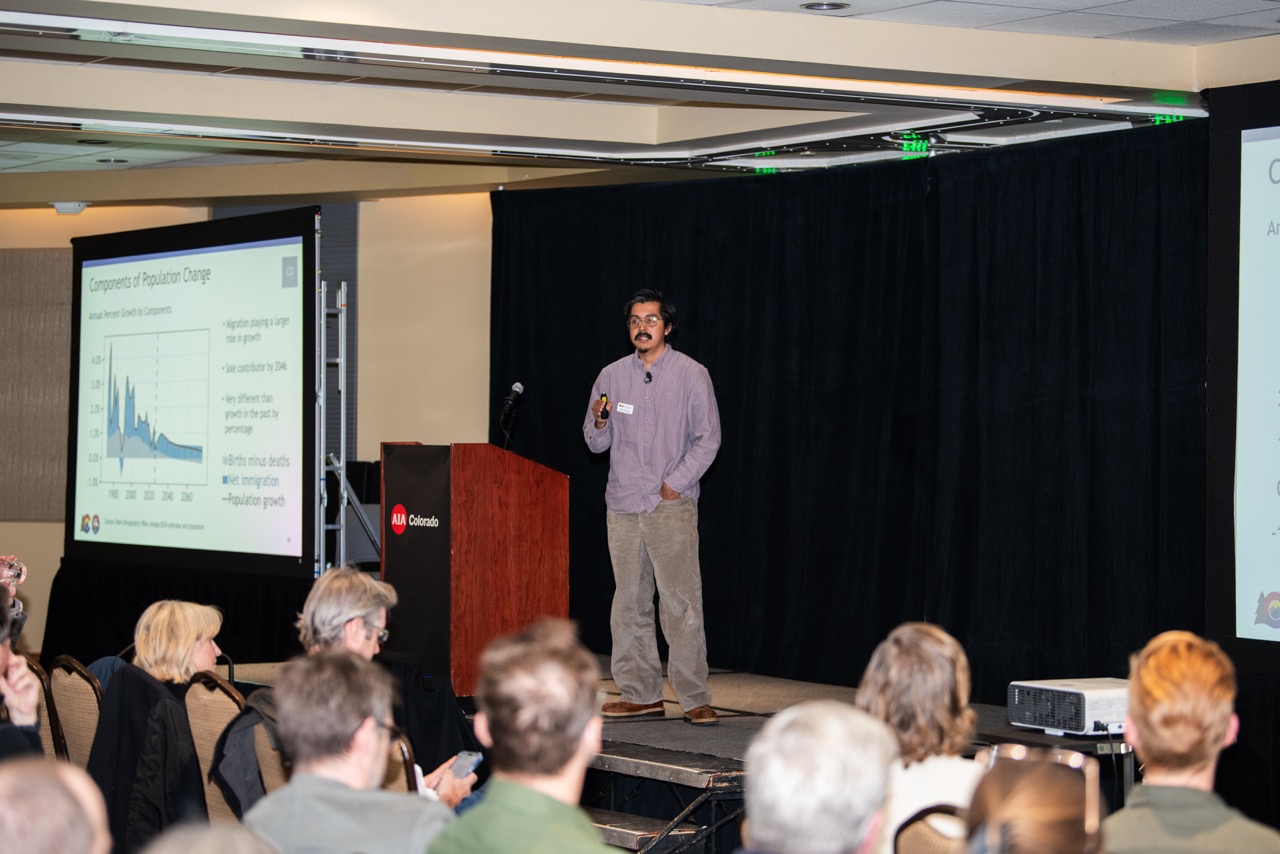
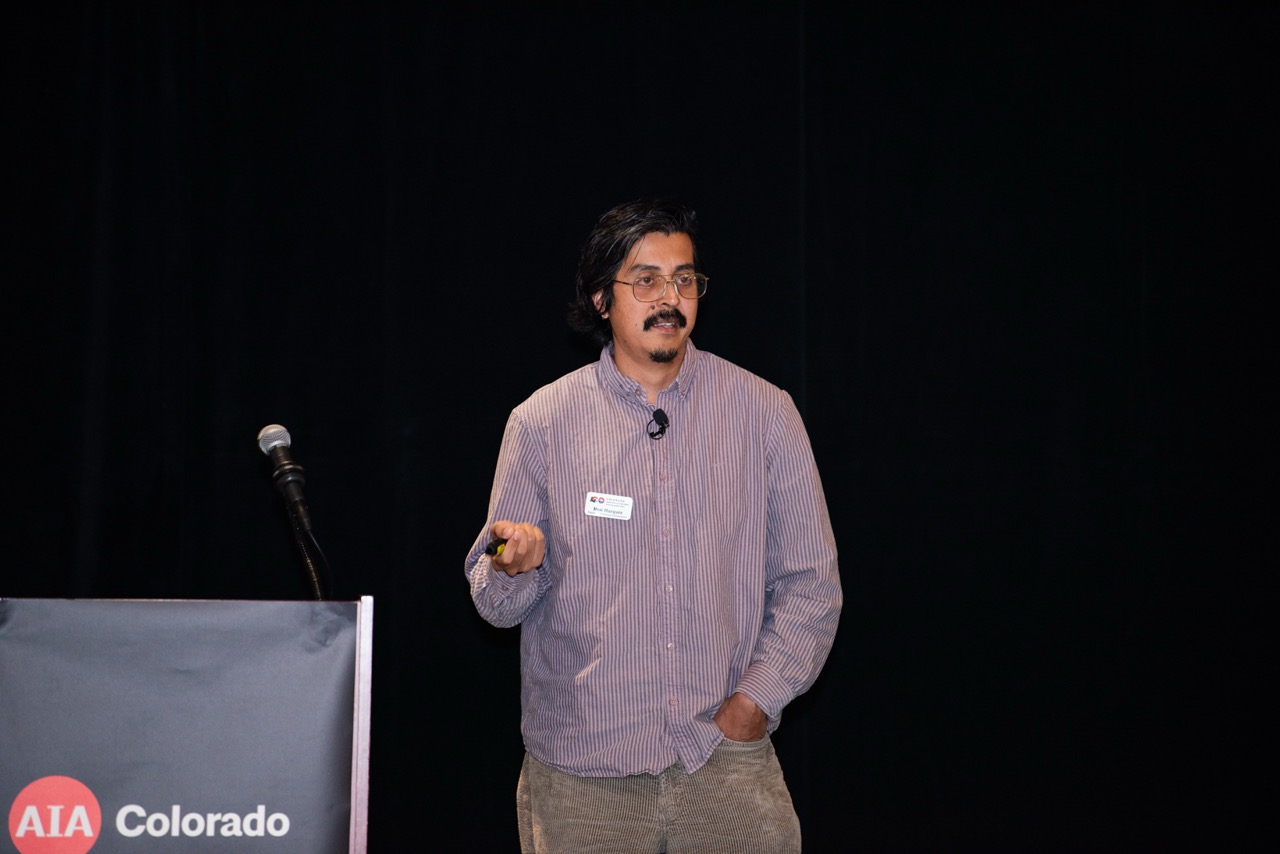
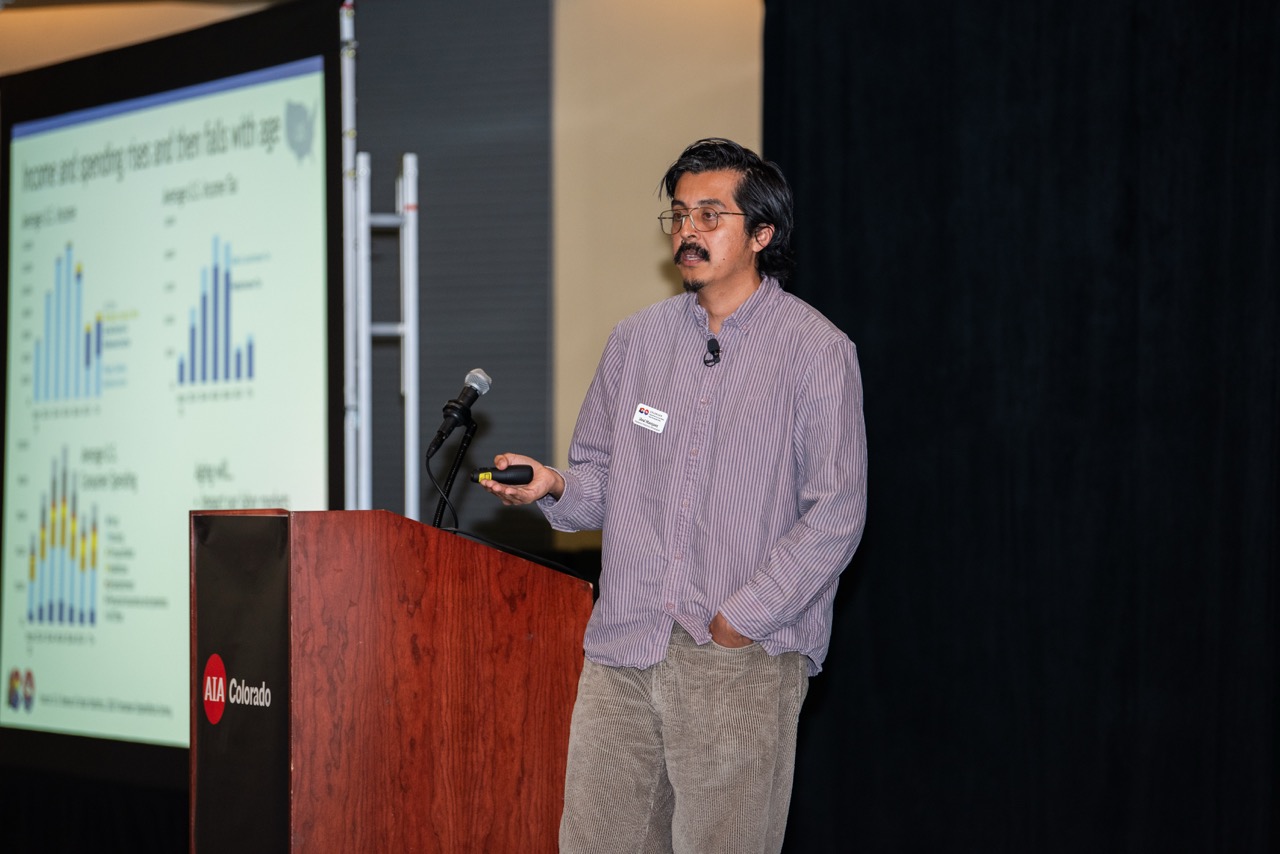
State Demographer Neal Marquez explained how Colorado reached 6 million residents in 2025 even as more people left for other states than arrived from them. International migration and more births than deaths sustained overall growth. For decades, people moving to Colorado in their 20s and 30s helped keep the population relatively young and expanded the workforce. A rebound in migration would support future growth in the working-age population, but Marquez said his office also considers what happens if migration stays low.

The number of Coloradans age 65 and older is expected to keep growing even if migration remains weak. Many of those future older adults already live here. Marquez noted that housing construction lagged population growth in the 2010s and asked how much of the housing and public space built since then can serve an aging population. The panel carried that question into a discussion of universal design, aging in place, and housing that can accommodate multiple generations.

How much of the physical built environment is ready for this growth in this 65+ population?

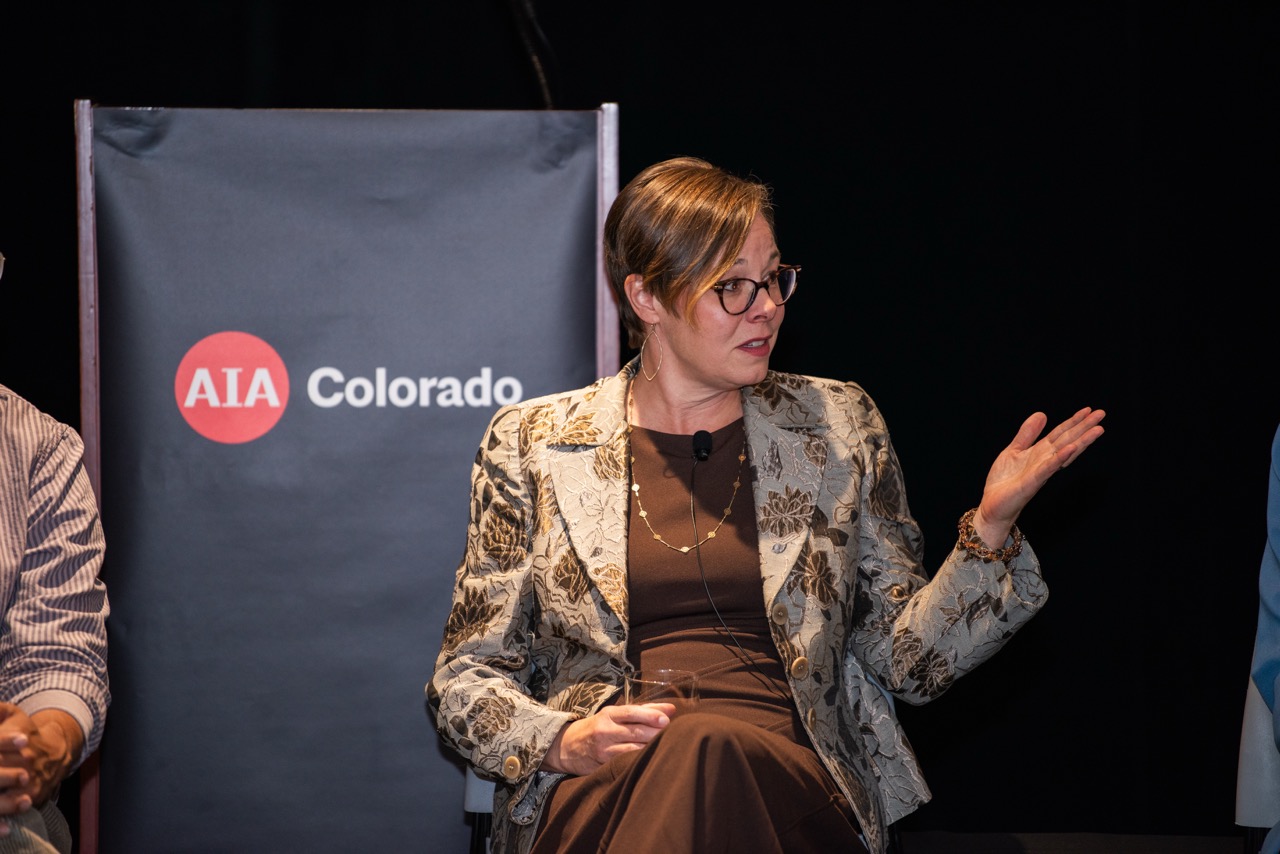
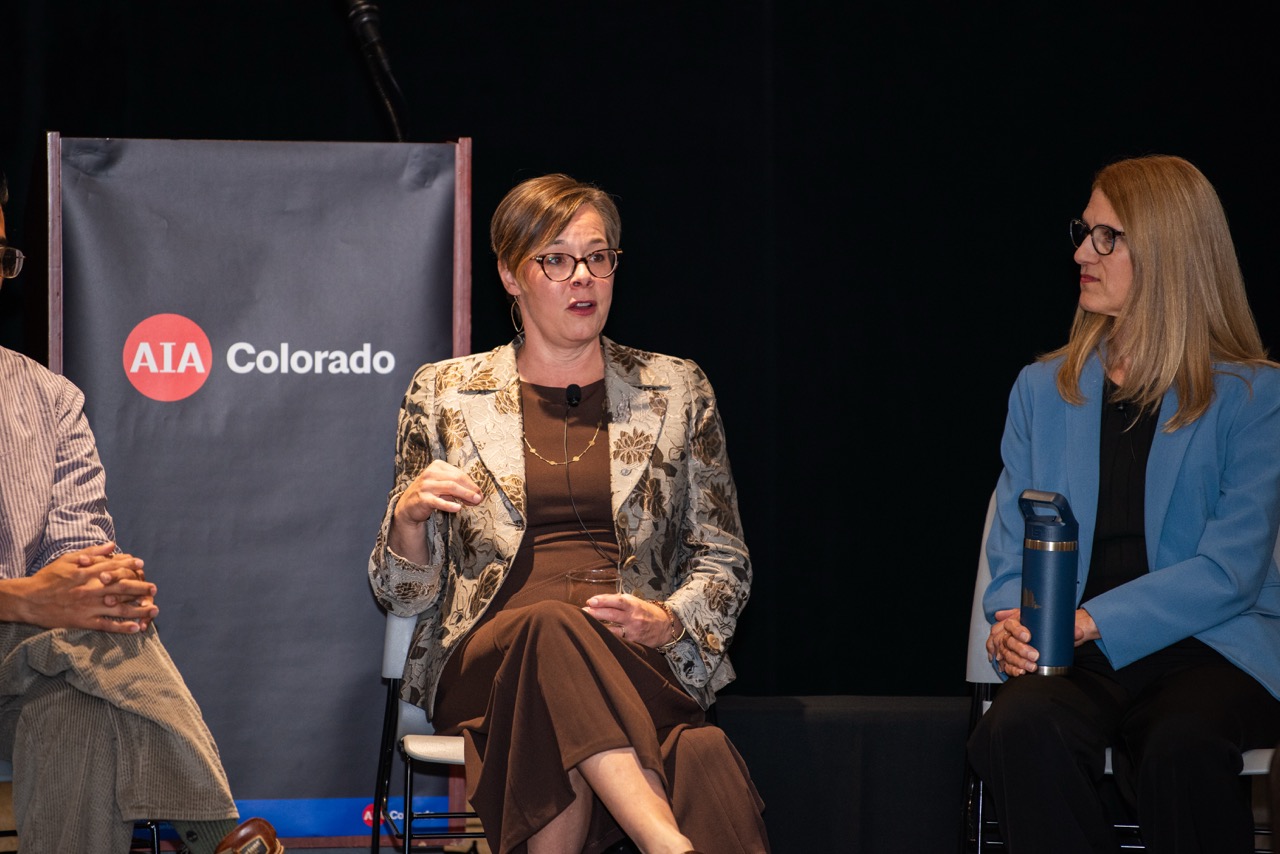
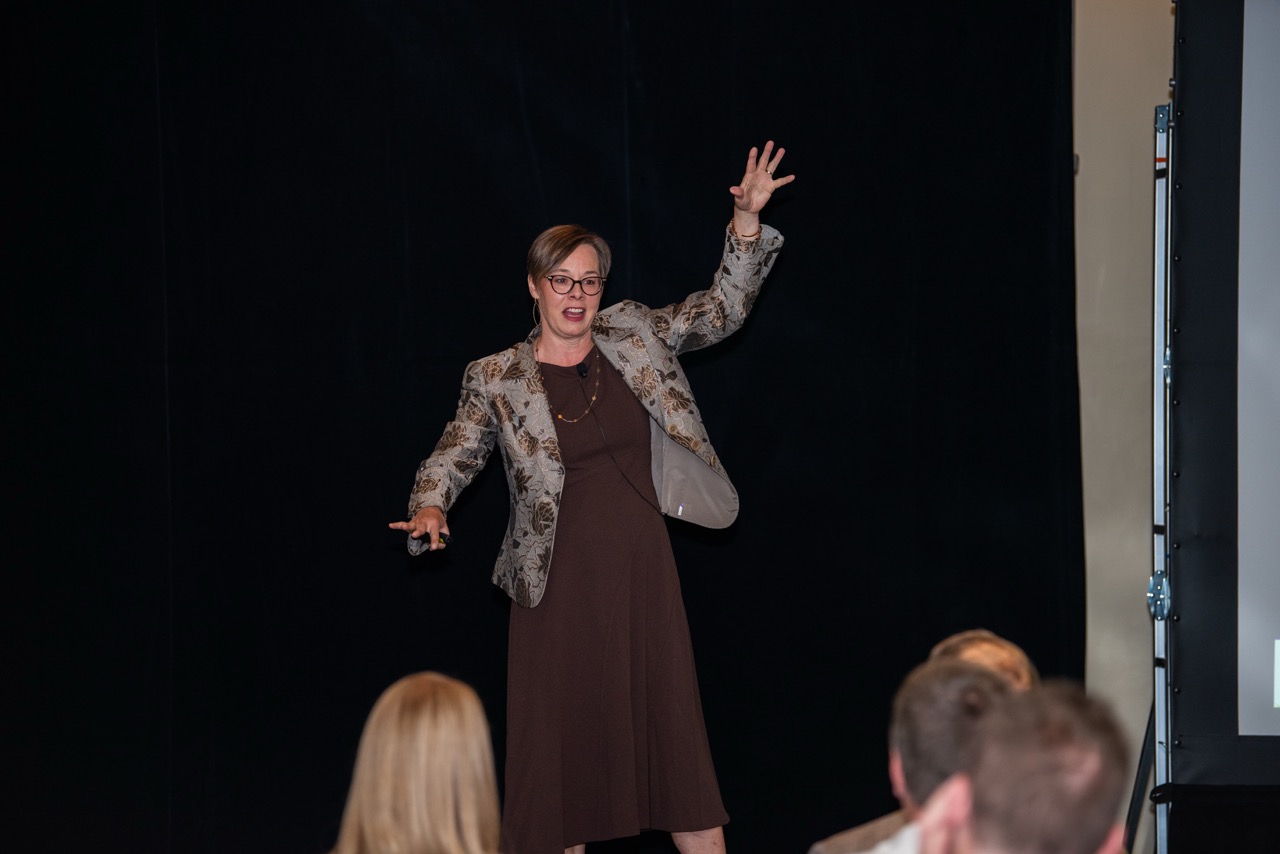
Anne Miller | Amp Media
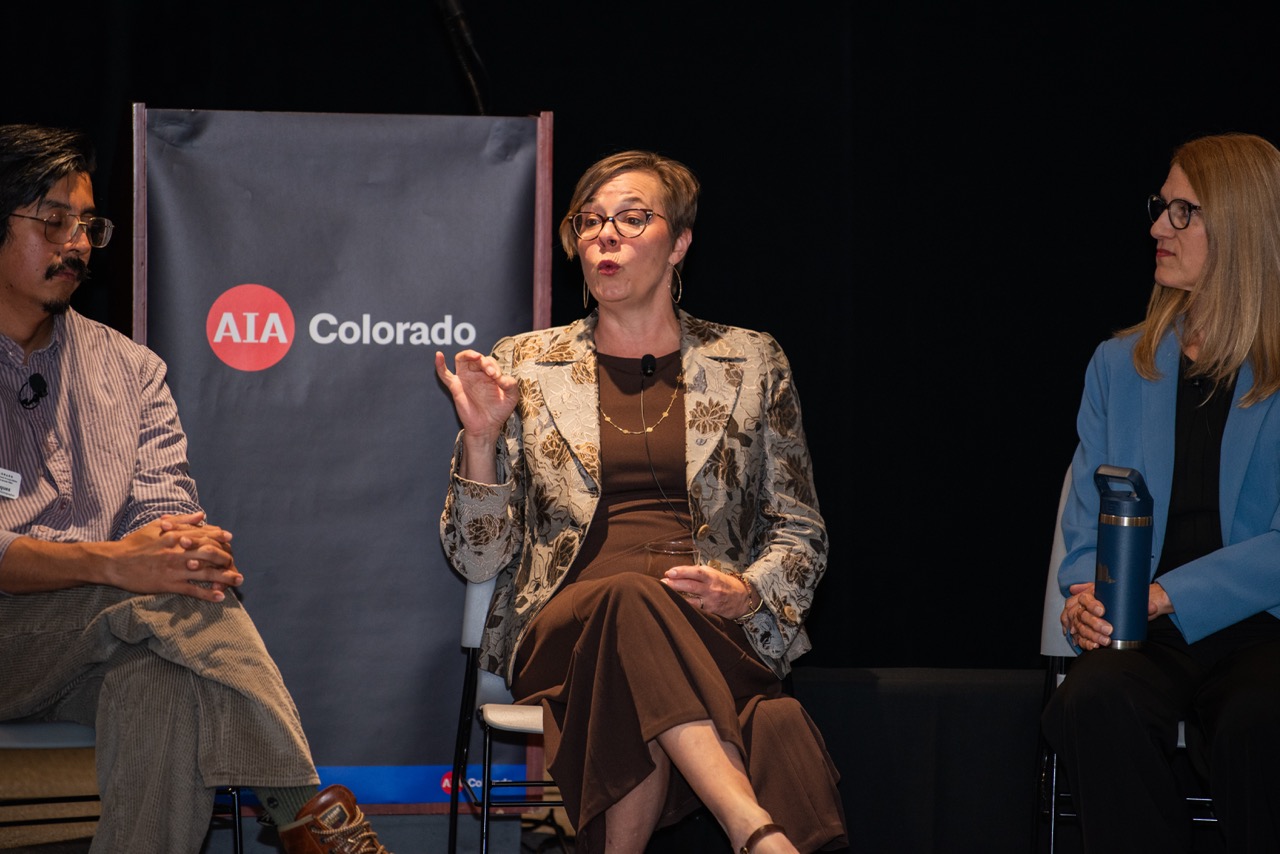
Anne Miller | AMP Media

Anne Miller, AICP

on designing for resilience

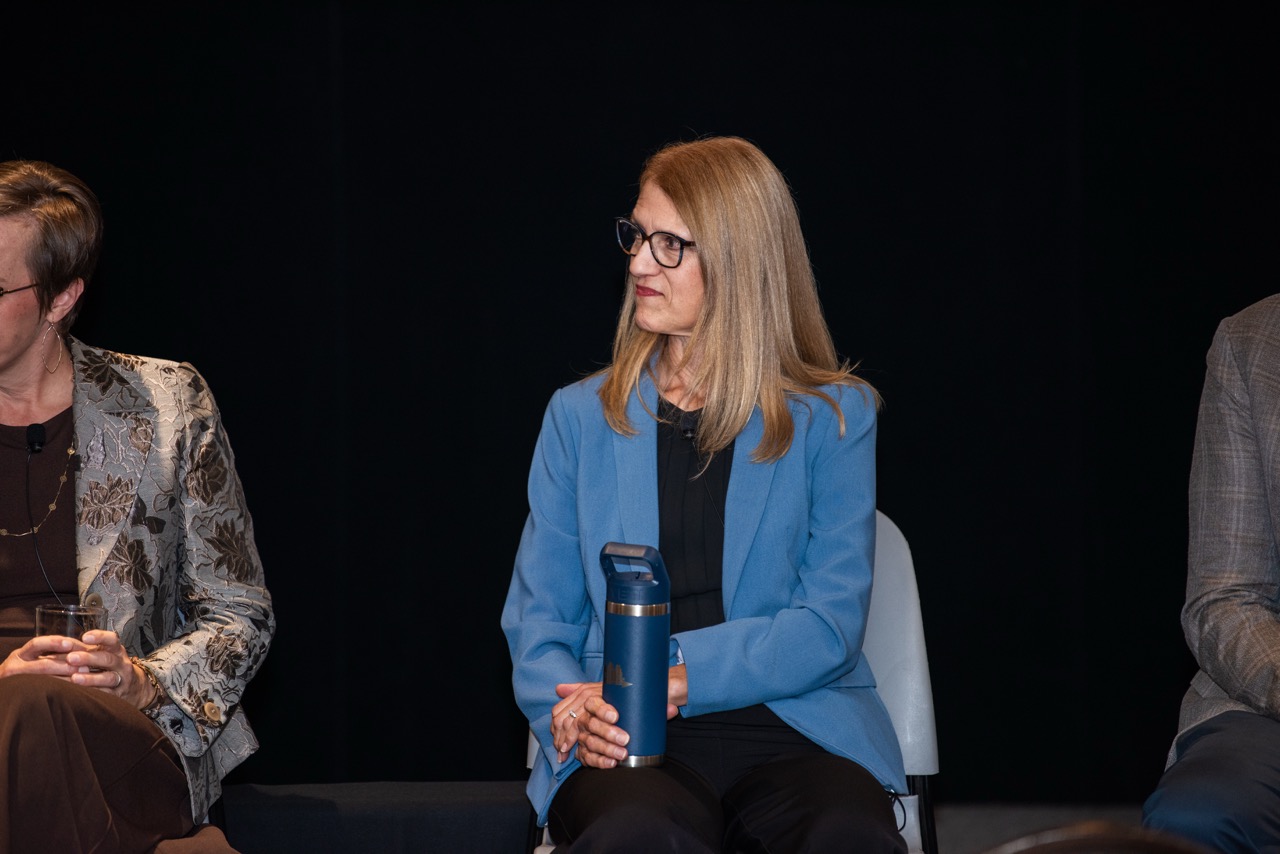
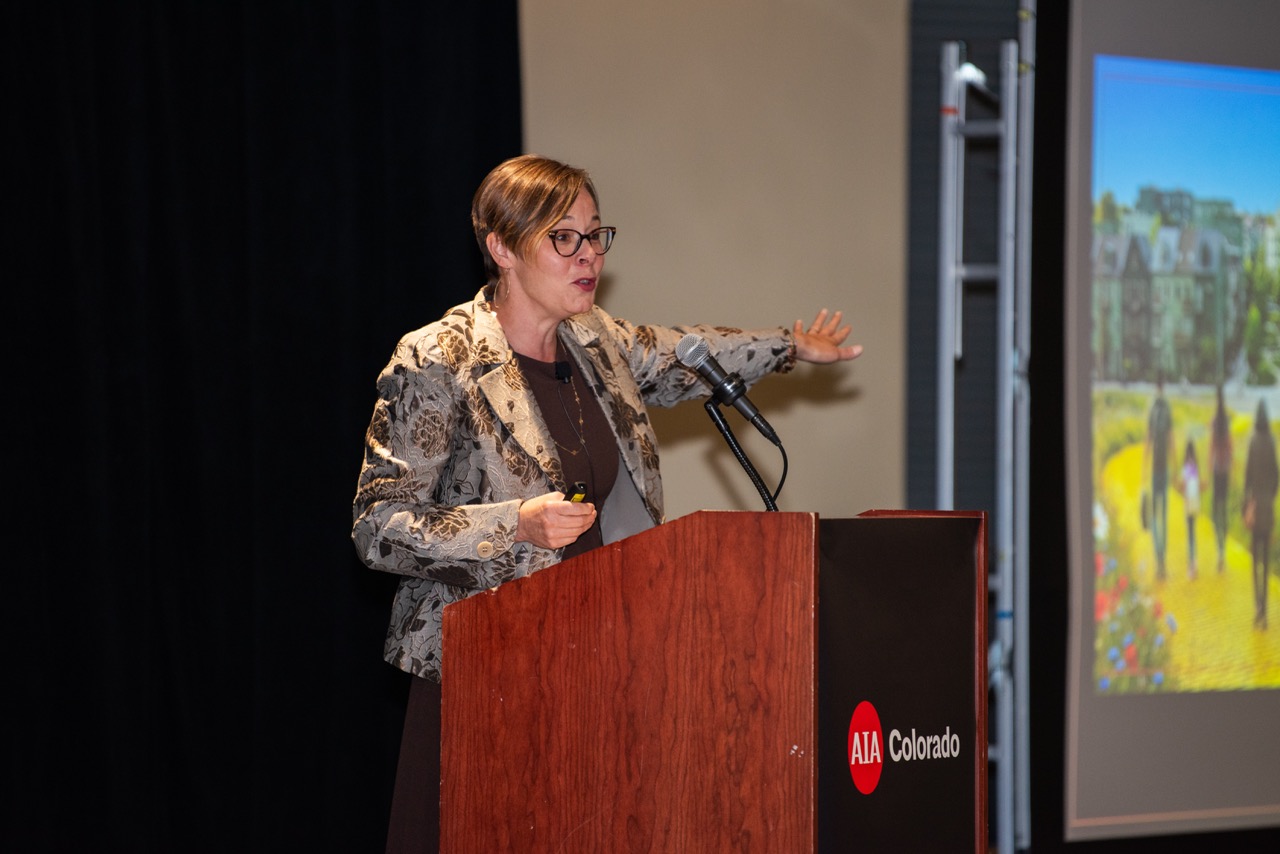
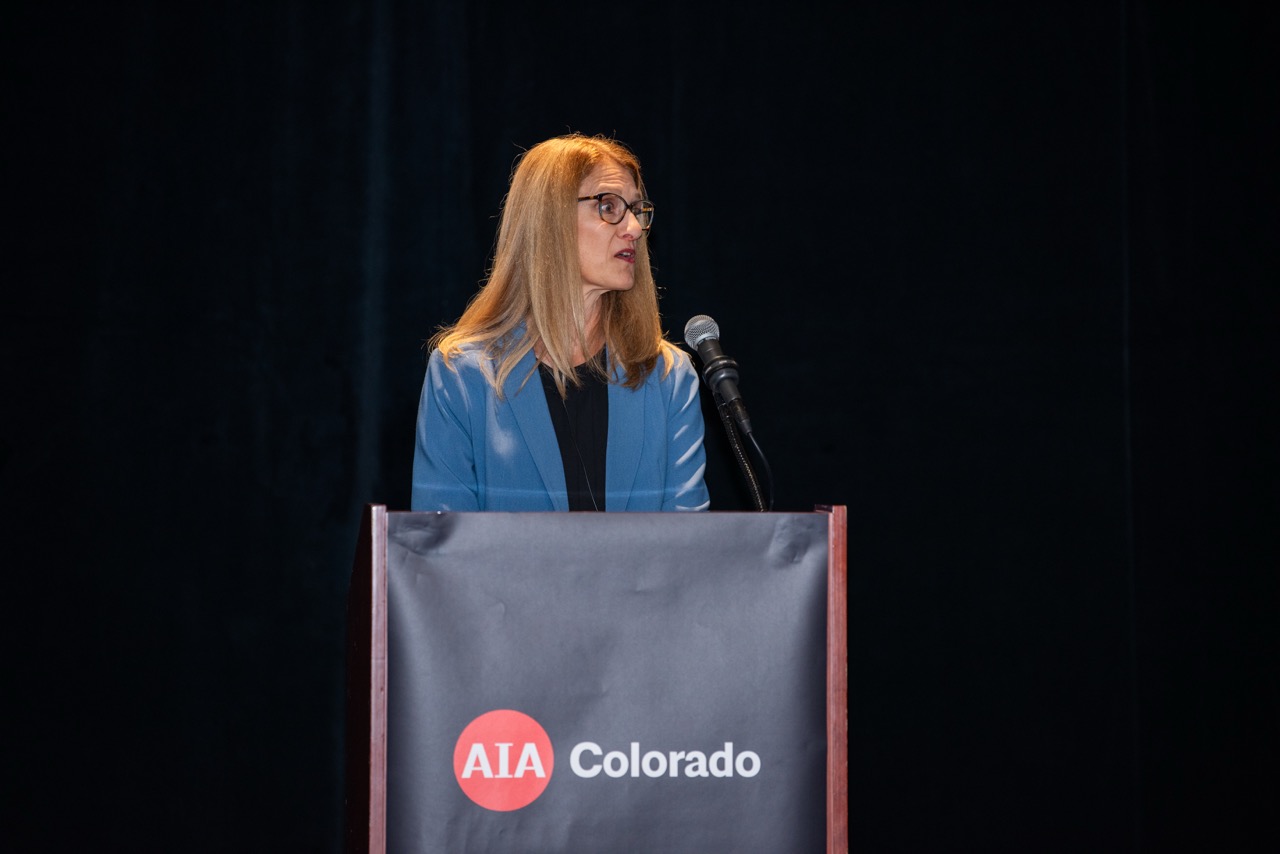
Anne Miller, AICP, Director of the Colorado Resiliency Office, recalled a wildfire demonstration in which a home built to wildfire-prepared standards withstood conditions that destroyed the comparison structure. Her examples showed how decisions at several scales can reduce risk, from where communities allow growth to how buildings and neighborhoods are designed. She pointed to resilience hubs with backup power and shade, landscape strategies that manage stormwater while providing habitat and recreation, and wildfire preparedness standards that can help protect homes and support insurability.

“Resilient by design is intentional,” Miller said. She urged architects to consider long-term performance alongside upfront costs and challenged attendees to return next year with examples of how they had embedded resilience in their practices. In the Q&A, she described a community-led cohousing effort in Brighton where shared gathering spaces and a mix of housing types, including rentals, could give residents more ways to support one another.

Resilient by design is intentional. It is not an afterthought or something that gets value engineered out of the project at the end.

Robin Kniech | Amp Media

Robin Kniech

on housing policy and public opinion

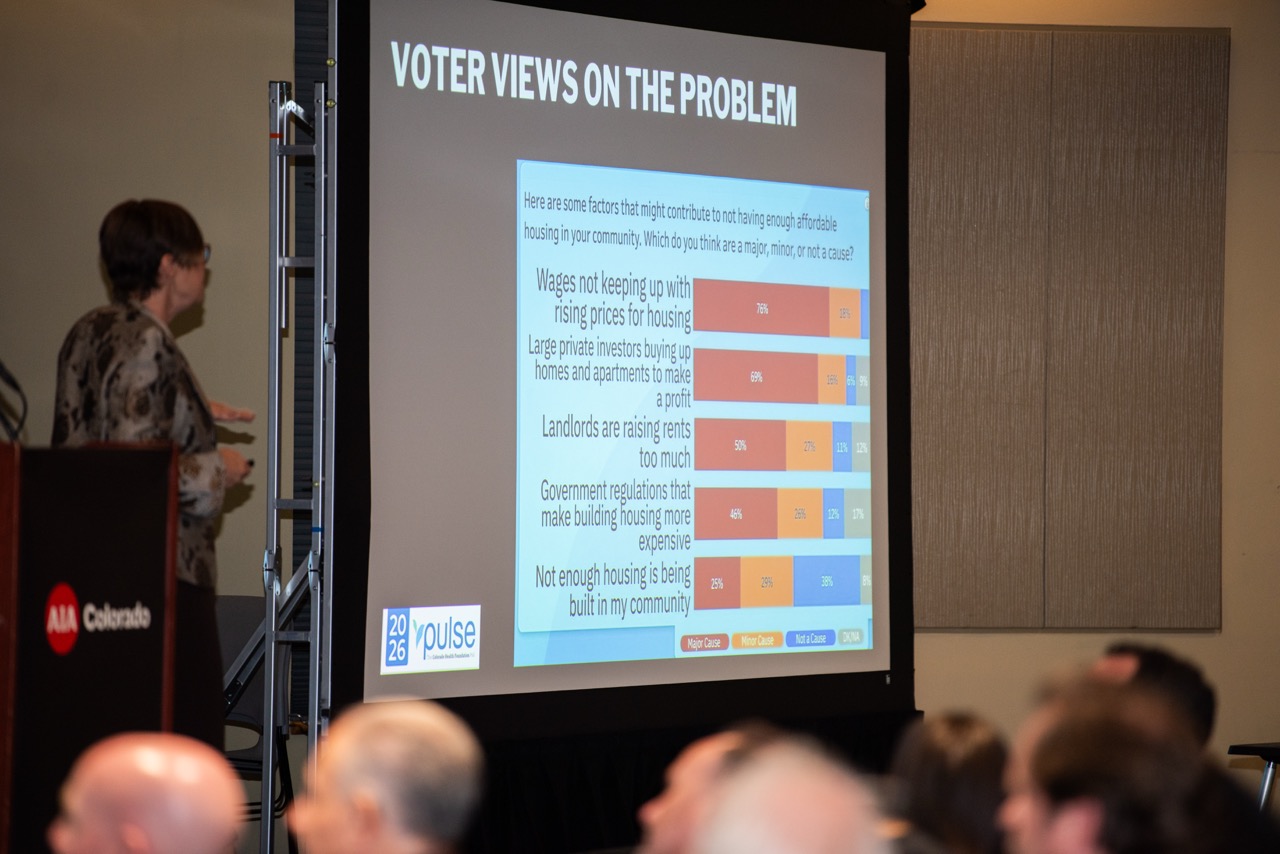
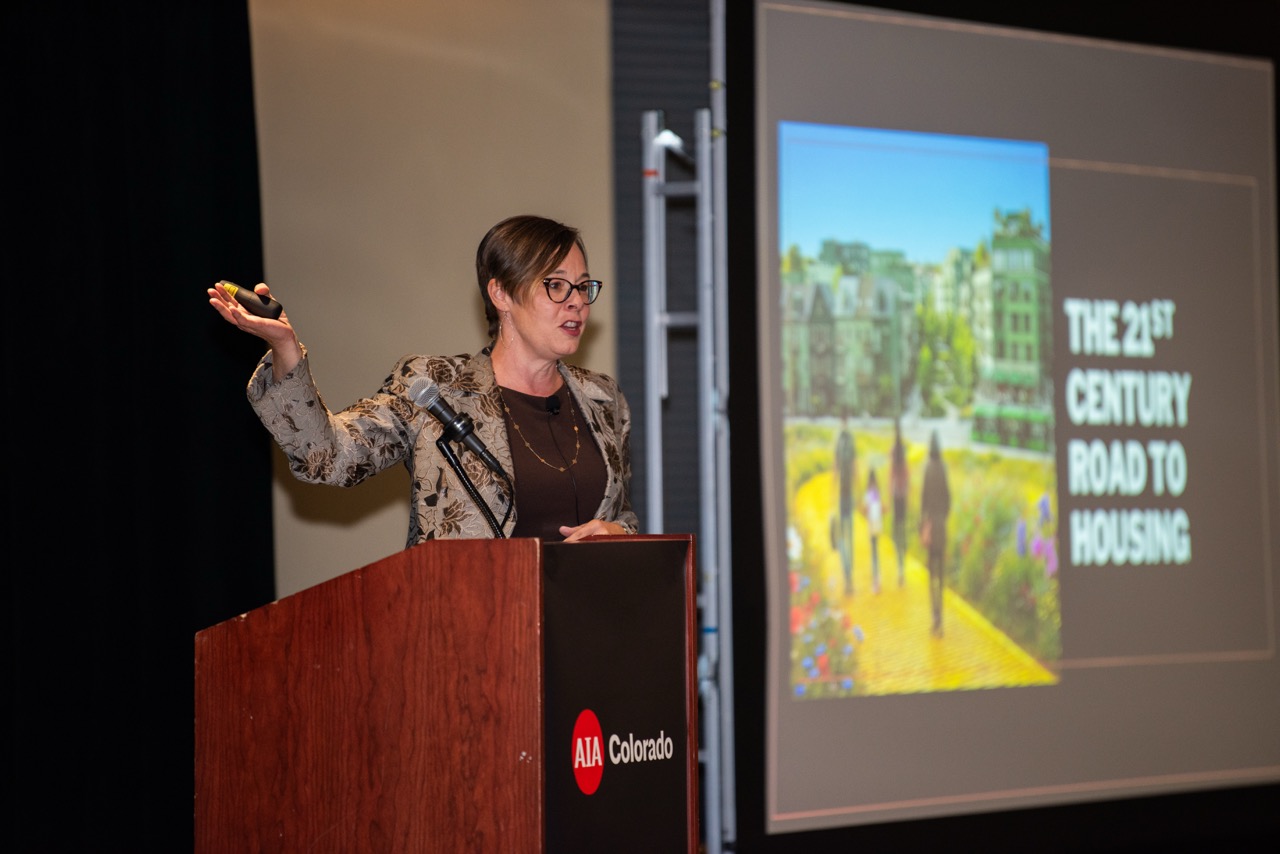
Robin Kniech, a former at-large Denver City Council member and a CU Denver lecturer in affordable housing and public policy, traced how Colorado has changed its approach to housing since 2021. The state has made room for more homes through reforms allowing accessory dwelling units and higher-density housing near transit, while expanding tools such as tax credits and housing funds to build homes that people with lower incomes can afford. Kniech put those efforts in the context of a broader strategy that also includes preserving affordable homes, helping renters stay housed, and connecting people experiencing homelessness with shelter and permanent housing.

Rents can ease across a market while the households with the lowest incomes face fewer affordable options. Kniech pointed to the Denver metro area, where average rents moderated as a record number of new apartments came onto the market in 2024 and 2025. Over a similar period, Colorado’s shortage of homes affordable to extremely low-income renters grew. And in a September 2026 poll she cited, 71% of respondents said state and local governments should do more on housing. Looking ahead, she highlighted affordable housing preservation, renter protections, and closer collaboration among governments and communities, alongside continued work on starter homes and permitting delays.

Lower prices can draw more people to a state where jobs and quality of life already attract new residents, she explained. And in communities with many second homes, the total housing count can obscure how few homes are available to the people who live and work there year-round. Kniech writes about housing and land use in her Substack, Robin Kniech’s New Take.

When we talk about supply, we like to think of Colorado as this closed system.

Key Takeaways

  • Look beneath statewide growth figures. Brian Lewandowski showed how a strong GDP ranking can coexist with softer employment growth and uneven construction demand. Even the office construction category can be misleading because it includes data centers.
  • Design for an older Colorado. Neal Marquez explained that the 65-and-older population is expected to grow even if migration remains weak. Housing and public spaces that accommodate changing mobility and household needs can help people stay in their communities.
  • Address resilience at the site, building, and neighborhood scales. Anne Miller’s examples ranged from wildfire-ready construction to resilience hubs with backup power and shade. Landscape design can help manage stormwater while providing habitat and places to gather.
  • Make room for more homes and preserve deeply affordable ones. Robin Kniech showed that average Denver-area rents moderated as new apartments opened, even as Colorado’s shortage of homes affordable to extremely low-income renters grew. The two trends point to the need for both new supply and dedicated affordability measures.
  • Treat housing affordability as a practice issue. The discussion connected housing costs to the projects firms design, where their clients can expand, and whether firms themselves can recruit and retain staff.
© AIA Colorado 2026