This website uses cookies to improve your experience. We\'ll assume you\'re ok with this, but you can opt-out if you wish. Read More
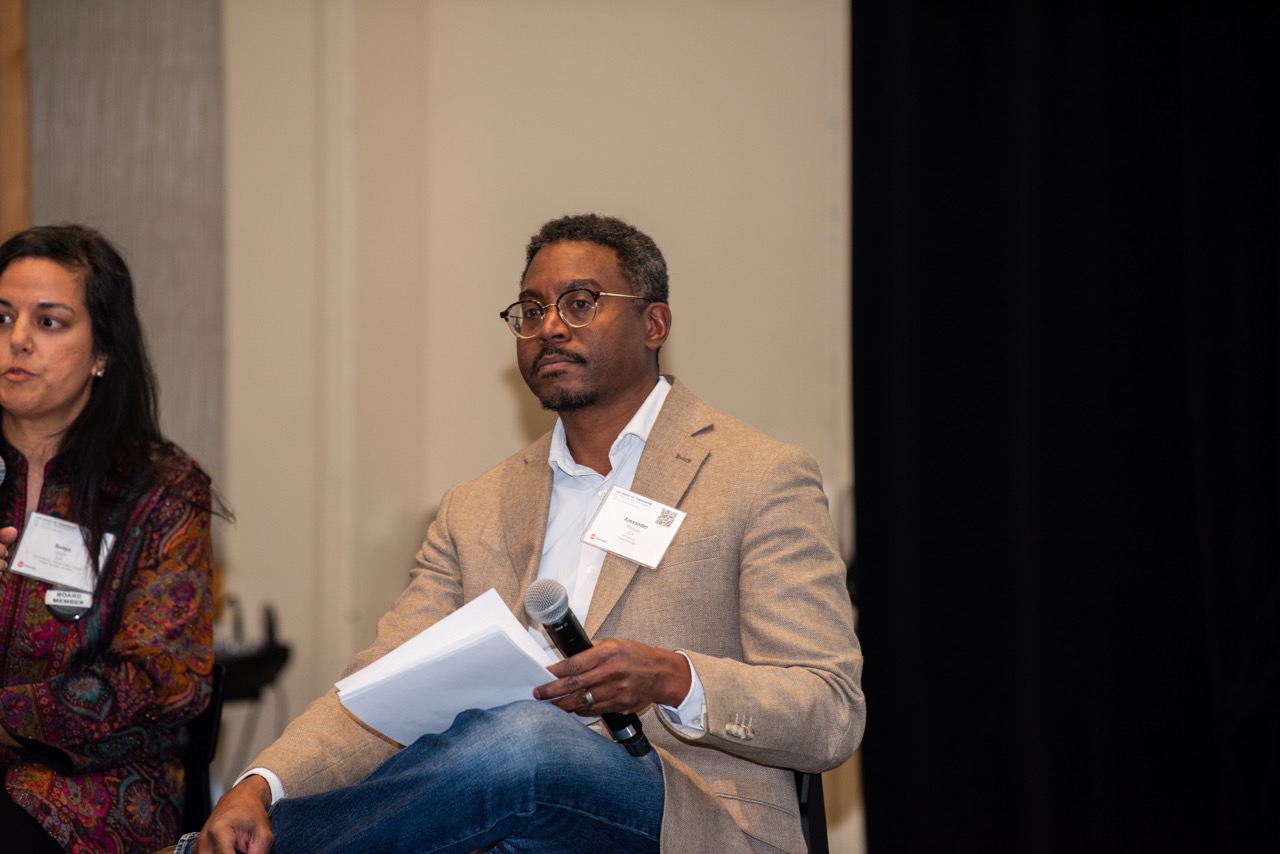
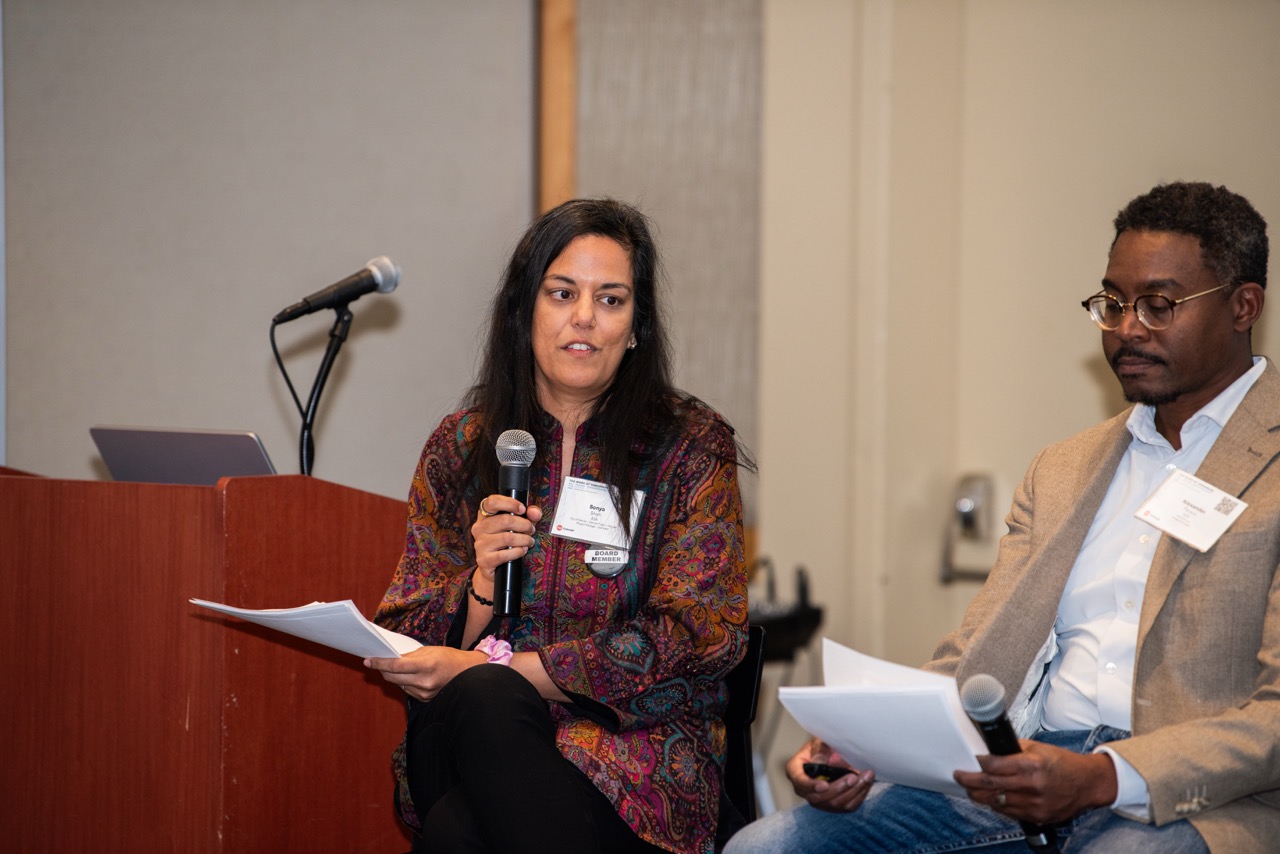
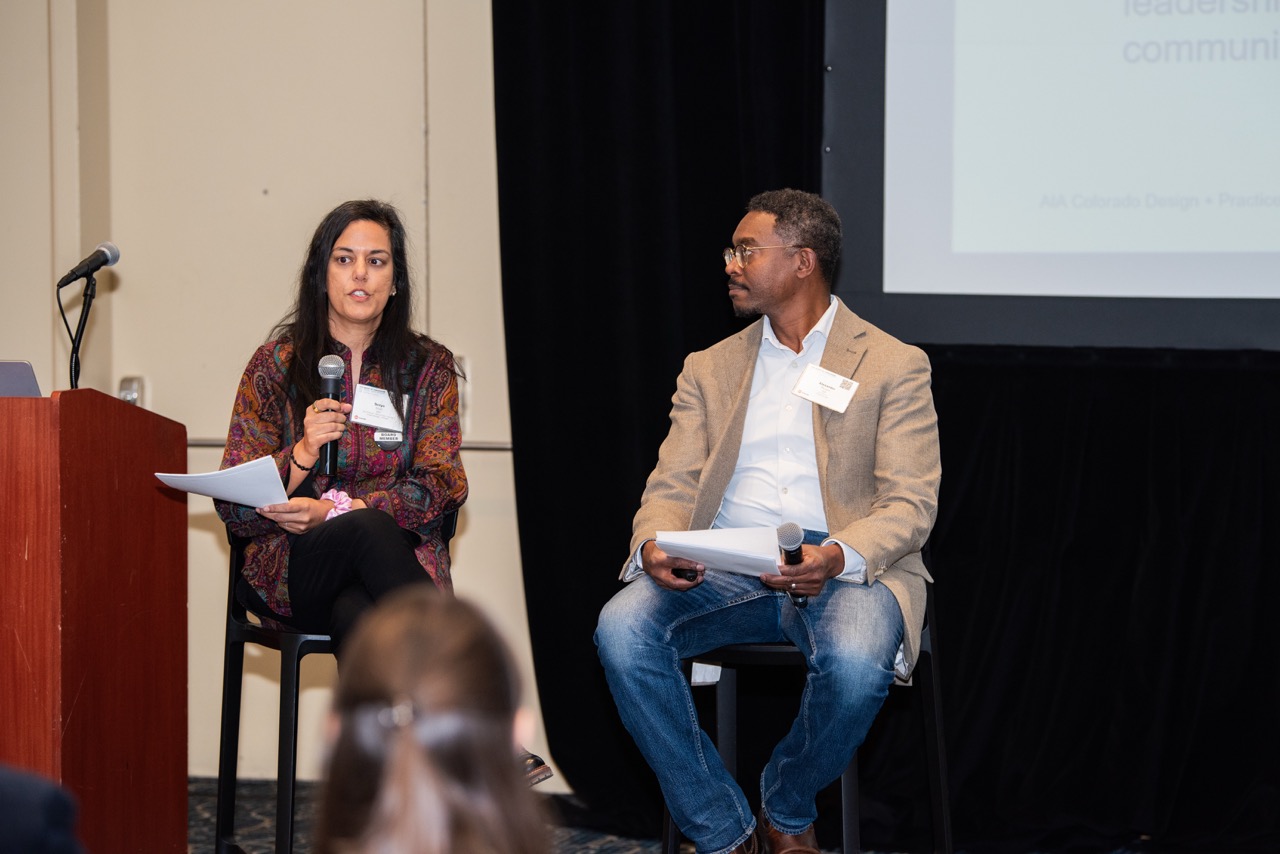
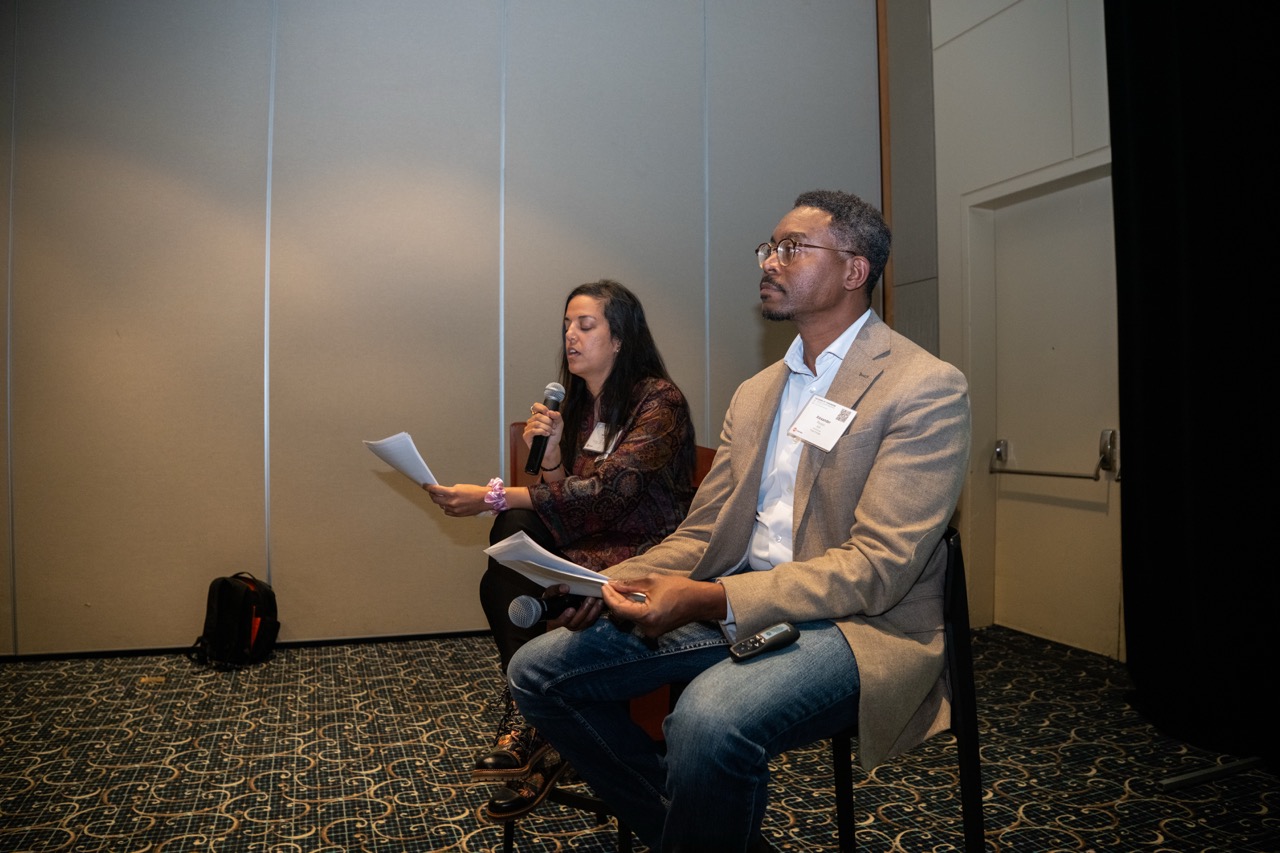
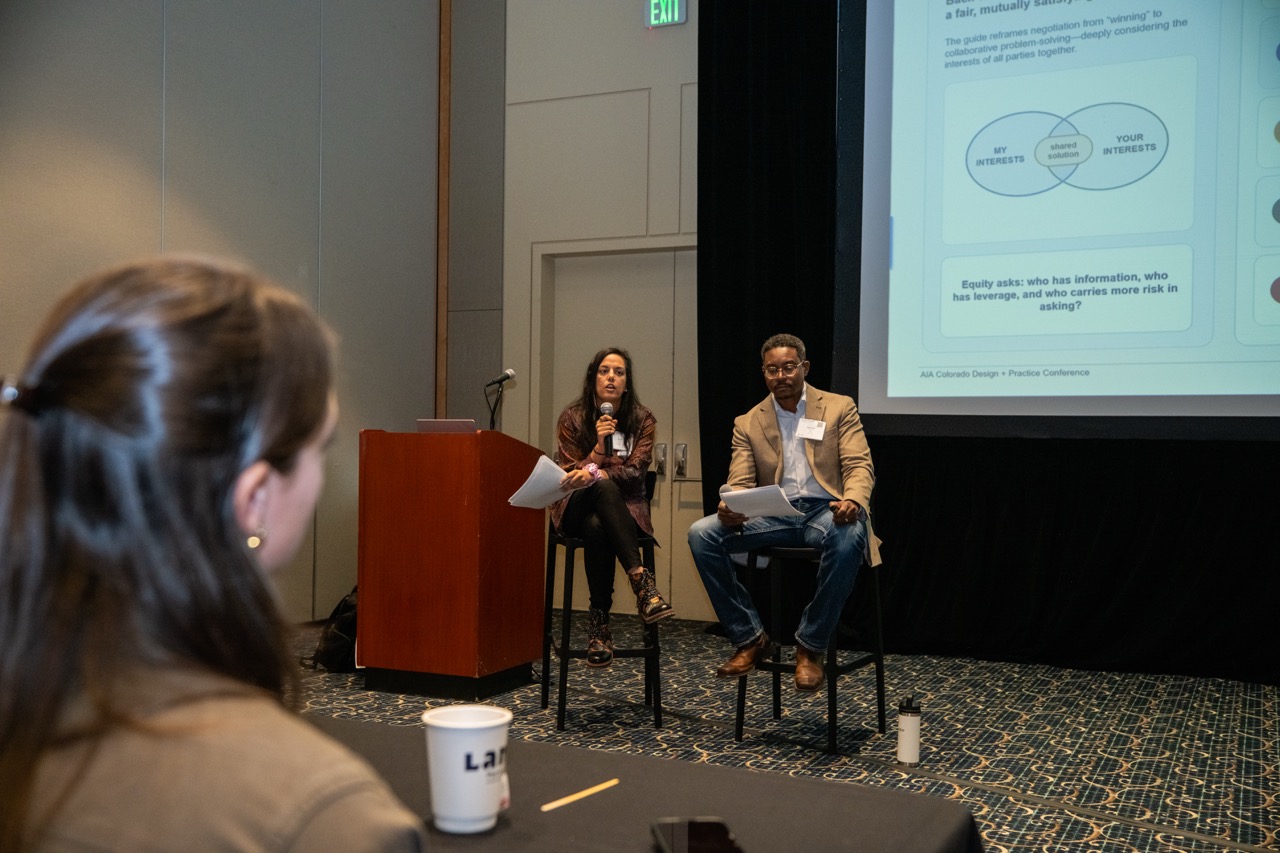
A few thousand dollars in starting pay can compound over a career. At AIA Colorado’s 2026 Practice + Design Conference, Sonya Shah and Alexander Person used that example to show how routine decisions about compensation, recruiting and advancement can produce durable differences. Drawing on the AIA Guides for Equitable Practice, they examined what firms can change in the systems behind those decisions.
The presenters began with the full value of a job, including salary, benefits, flexibility and development opportunities. They discussed how salary ranges and clear advancement criteria make it easier to identify discrepancies and give staff a common basis for a conversation. They also asked firms to examine where candidates hear about openings and how much informal networks influence whom they hire.
Hiring is followed by the harder work of keeping people. Staff need access to managers, feedback while it can still help, and a clear understanding of which responsibilities lead to advancement. In one scenario, a high performer had already taken on additional responsibilities before anyone clarified what a promotion would require. A regular check-in and explicit criteria give both the employee and the manager a place to start.
Key Takeaways:
- Pay attention to starting compensation. A difference of a few thousand dollars at hiring can grow over a career. Review salary ranges alongside benefits, flexibility, and access to professional development.
- Look at who hears about open positions. Informal networks can shape the applicant pool before a résumé is ever reviewed. Examine where the firm posts openings and who those channels reach.
- Explain advancement before responsibilities expand. The presenters described a high performer taking on more work before anyone clarified what a promotion would require. Regular feedback and explicit criteria give staff a way to gauge their progress.
- Give one measurable improvement an owner. A firm can start by reviewing its salary ranges or clarifying promotion criteria. Assign someone to follow through and check whether the change is reaching the people it was meant to help.
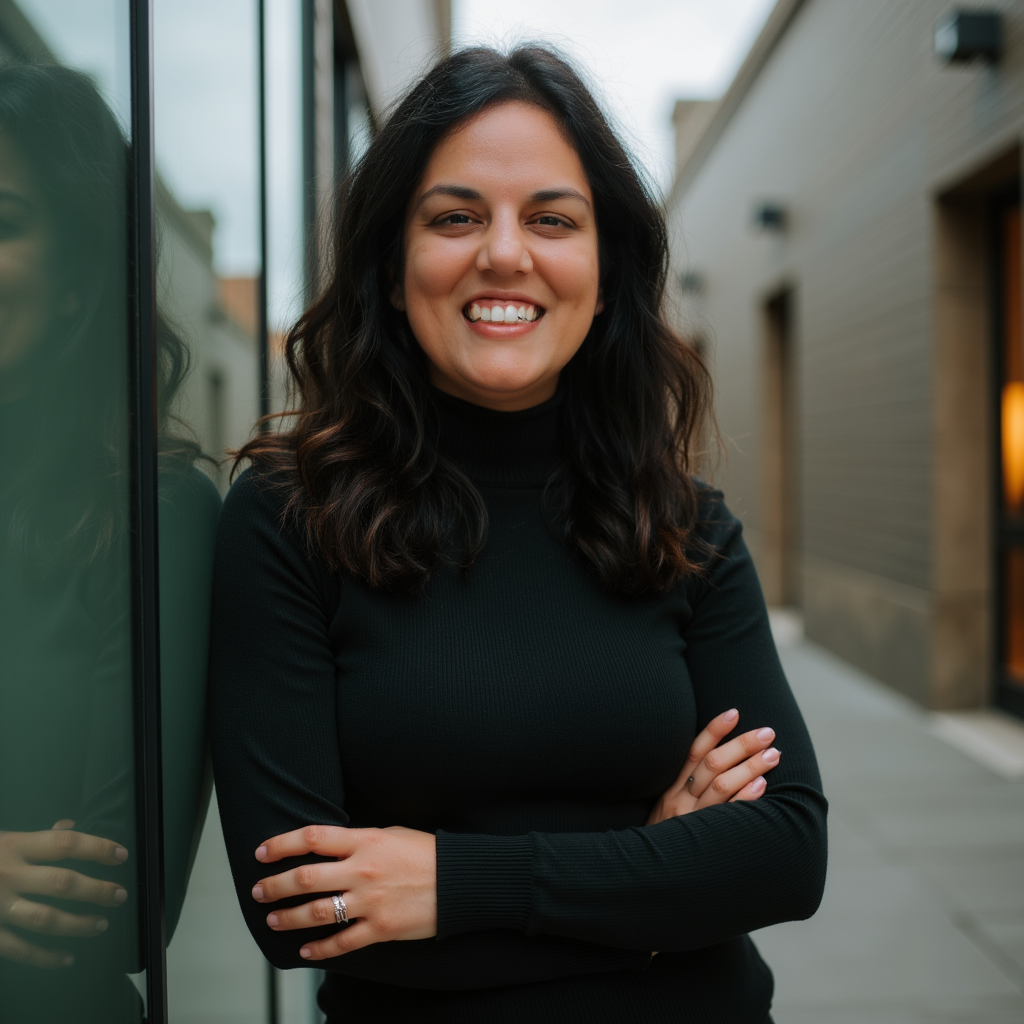
Sonya Shah, AIA, NOMA, NCARB, is a licensed architect and public-sector project manager with more than 15 years of experience in civic architecture, including libraries, public safety, and community-focused facilities. She currently works with Denver Public Library’s Facilities Planning, Design, and Construction team, where she helps shape projects that support access, belonging, and long-term community needs. Sonya’s work is grounded in the belief that public architecture should be both practical and meaningful, and that strong engagement leads to better outcomes. She is also an active AIA leader and advocate for mentorship, inclusive practice, and creating clearer pathways for emerging professionals to grow within the profession.
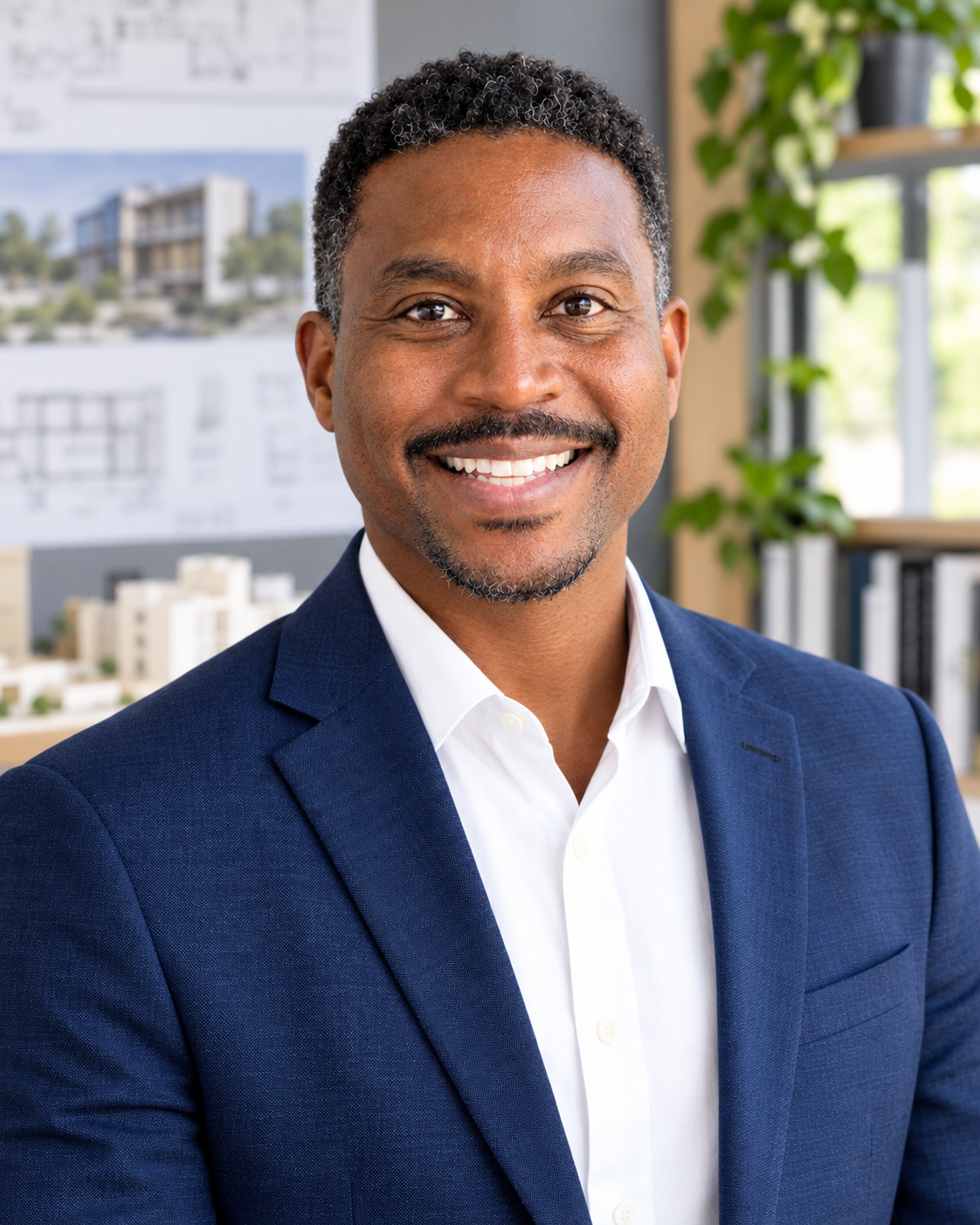
Alexander Person III, AIA, CNU-A, NOMA, is an architect, project manager, and advocate for equitable practice with more than 20 years of experience spanning architecture, urban design, and planning. Based in Denver, he leads complex projects through collaborative stakeholder engagement, strategic coordination, and community-centered design. Known for his ability to connect people, ideas, and outcomes, Alexander helps guide project teams through evolving priorities while ensuring diverse voices are reflected in decision-making and design solutions.
Beyond project delivery, Alexander is a passionate leader in advancing Justice, Equity, Diversity, and Inclusion within the profession. As President of NOMA Colorado and Co-Chair of the AIA Colorado JEDI Committee, he works to expand representation, strengthen intercultural competence, and promote inclusive leadership across the industry. His commitment to mentorship and professional development is demonstrated through his work with students and emerging professionals as a CU Denver juror and reviewer, mentor, job shadow host, and frequent contributor to industry programs and discussions.
Drawing from both his professional experience and volunteer leadership, Alexander is particularly focused on the intersection of workplace culture, employee retention, career advancement, and equitable compensation. Guided by the principles outlined in the AIA Guides for Equitable Practice, he advocates for transparent conversations around negotiation, value, and opportunity within the profession. Through mentorship, research, and industry engagement, he challenges firms to create environments where diverse talent can thrive, contribute, and build lasting careers.
A recognized voice on equitable practice, Alexander believes that retaining great talent is not a hiring challenge but a leadership opportunity. Through thoughtful conversations about workplace culture, he encourages firms to measure success not only by what they build, but by the people they impact along the way.