Academy of Architecture for Health: National Update

Academy of Architecture for Health
National Update
The Academy of Architecture for Health (AAH) Knowledge Community welcomed Pierce McVey, AIA, LEED AP, 2026 AAH National President, for an overview of the Academy’s structure, strategic priorities, national programs, and opportunities for member involvement.
Pierce described AAH’s role in advancing healthcare architecture through education, networking, research, professional development, and thought leadership. He encouraged members to become involved through the Academy’s volunteer committees, noting that committee service often provides a pathway into national leadership and board positions.
AAH maintains an active presence at the profession’s major healthcare conferences, including the Planning, Design & Construction Summit, the Summer Leadership Summit, and the Healthcare Design Conference + Expo. This year’s Summer Leadership Summit will explore equity in healthcare under the theme Bridging the Gaps and Advancing Healthcare for All. National programming also includes the Healthcare Design Awards, NextGen scholars and U40 recognition, Tuttle Fellowship research presentations, case study workshops, and student design charrettes and challenges.
Pierce highlighted several initiatives that are helping AAH develop future leaders and broaden participation in healthcare design. The Colleague-to-Colleague Mentorship Program currently connects 26 mentees with nine mentor-group leaders from a diverse range of locations, firms, and practice settings. The Academy’s HBCU Fellows program is also building connections with educators and students at historically Black colleges and universities while expanding participation in national student programs.
Members were also introduced to Spectacle, AAH’s online publication focused on healthcare design, Academy activities, emerging ideas, and opportunities for professional contribution. Now entering its second year, the publication offers members another venue for sharing projects, research, and thought leadership.
Another important national development is the upcoming release of the new Facility Guidelines Institute edition this fall. Pierce noted that the changes are expected to represent a significant evolution in how the guidelines function within healthcare design and code frameworks, making the update especially relevant to practitioners.
AAH’s 2026 presidential theme is Resilience, viewed through a broad lens that includes climate response, organizational adaptability, healthcare delivery, workforce wellbeing, community health, and the ability to recover from disruption. The Academy is developing new pathways for participation through white papers, research briefs, technical design challenges, field research, and interdisciplinary workshops. The goal is to engage emerging professionals, cultivate thought leadership, and create ideas that may eventually inform larger national programs and competitions.
Pierce closed by encouraging members to participate at the national level. In addition to providing leadership experience, national involvement offers access to a strong professional network of healthcare designers, researchers, educators, and industry partners across the country.
Academy of Architecture for Health
Colorado Update
Tim Neely, AIA, Chair of AAH Colorado, provided an overview of the chapter’s local programming, community partnerships, and volunteer opportunities for the remainder of the year.
Community service remains an important part of AAH Colorado’s work. The chapter has maintained a longstanding relationship with Denver Health’s Newborns in Need program, where volunteers assemble care packages for newborns and families. Members have also supported Project C.U.R.E. by sorting and packing surplus medical supplies for shipment to healthcare organizations and communities around the world.
Tim also highlighted AAH Colorado’s partnership with Women in Healthcare on an annual healthcare symposium. Recent symposiums have explored the future of healthcare, the relationship between technology and human-centered care, artificial intelligence, the future of nursing, mental health, and emerging models of treatment. Planning is now beginning for the next symposium, and members will have opportunities to help develop topics, identify speakers, secure sponsorships, and support the event.
The chapter’s ongoing Community Health Initiative has examined how healthcare organizations, architecture, planning, and community development intersect. Past programs have explored housing as a foundation for health, partnerships between health systems and housing organizations, community-based care, physician wellbeing, and design strategies that support healthier populations.
This year, the initiative is expanding through a volunteer-led project in Littleton. Building upon an Urban Land Institute study, AAH Colorado members are exploring redevelopment possibilities for a former retirement community site and the surrounding neighborhood. The effort is examining housing, public space, neighborhood connectivity, arts and community programming, and opportunities to incorporate preventative healthcare or other local health services.
The project is intended to continue conversations with residents, city leaders, planning officials, preservation advocates, healthcare providers, and other community stakeholders. Tim invited members, including students and emerging professionals, to participate in future study sessions and help translate broad community goals into more tangible design and planning ideas.
The session reinforced that AAH involvement can take many forms, from attending educational programs to volunteering, mentoring, writing, conducting research, supporting community initiatives, and serving in chapter or national leadership roles. Members interested in healthcare design are encouraged to connect with AAH Colorado and find an opportunity that aligns with their interests and experience.
Colorado Architecture News | 07.01.26
News from the Colorado Chapter of The American Institute of Architects
07.01.26
In this Newsletter:
- Practice + Design Conference Call for Presentations
- Business of Architecture: People Management recap
- Marketing for Architects: From Project to Publication recap
- Design Like a Girl: year 3 update
- Equity in Practice: Session 3 recap
- West Virtual Connect 2026 Legislative Session update
- Colorado ByDESIGN™ episode 4 broadcasts this Saturday
- 2026 Design + Honor Awards Celebration tickets now available
- July 2 • Goatbarn Lane tour
- July 14 • Academy of Architecture for Health (AAH) National Update
- July 22 • Committee on the Environment Water Series: Part 1
- July 29 • Highlands Ranch Senior Center tour
- Aug 5 • Committee on the Environment Water Series: Part 2
- Aug 19 • Timber Ridge Village tour in Vail
- Aug 20 • Palmer High School construction tour
- Aug 27 • Anythink Nature Library tour
- Premier Partner spotlight: KL&A Engineers & Builders
AIA COLORADO’S
NEWS
Share Your Expertise
The 2026 Practice + Design Conference Call for Presentations submission window closes July 31st!
This year’s theme, The Work of Tomorrow, explores how architects embrace uncertainty with optimism, shaping the future through innovative ideas, evolving practices, and forward-thinking design.
Share your expertise with your peers by leading a session in Keystone this fall. Submit your presentation by Friday, July 31, 2026, at Noon.
Business of Architecture: People Management recap
How do great leaders create engaged, high-performing teams? At our latest Business of Architecture Committee session, members were led through a thoughtful discussion on employee engagement, effective feedback, one-on-one check-ins, and the shared responsibility between leaders and employees for building a healthy workplace culture. Explore the key insights and practical takeaways from the conversation in our full recap.
Read the recap here.
Marketing for Architects: From Project to Publication recap
What makes an architecture project worthy of publication? In the first session of AIA Colorado’s Marketing for Architects series, editors, reporters, storytellers, and creative directors shared practical advice on pitching projects, building relationships with media, and telling stories that extend beyond great design. Read our recap to discover actionable insights you can apply to your next project here.
Design Like a Girl |
Design Like a Girl |
Design Like a Girl: year 3 update
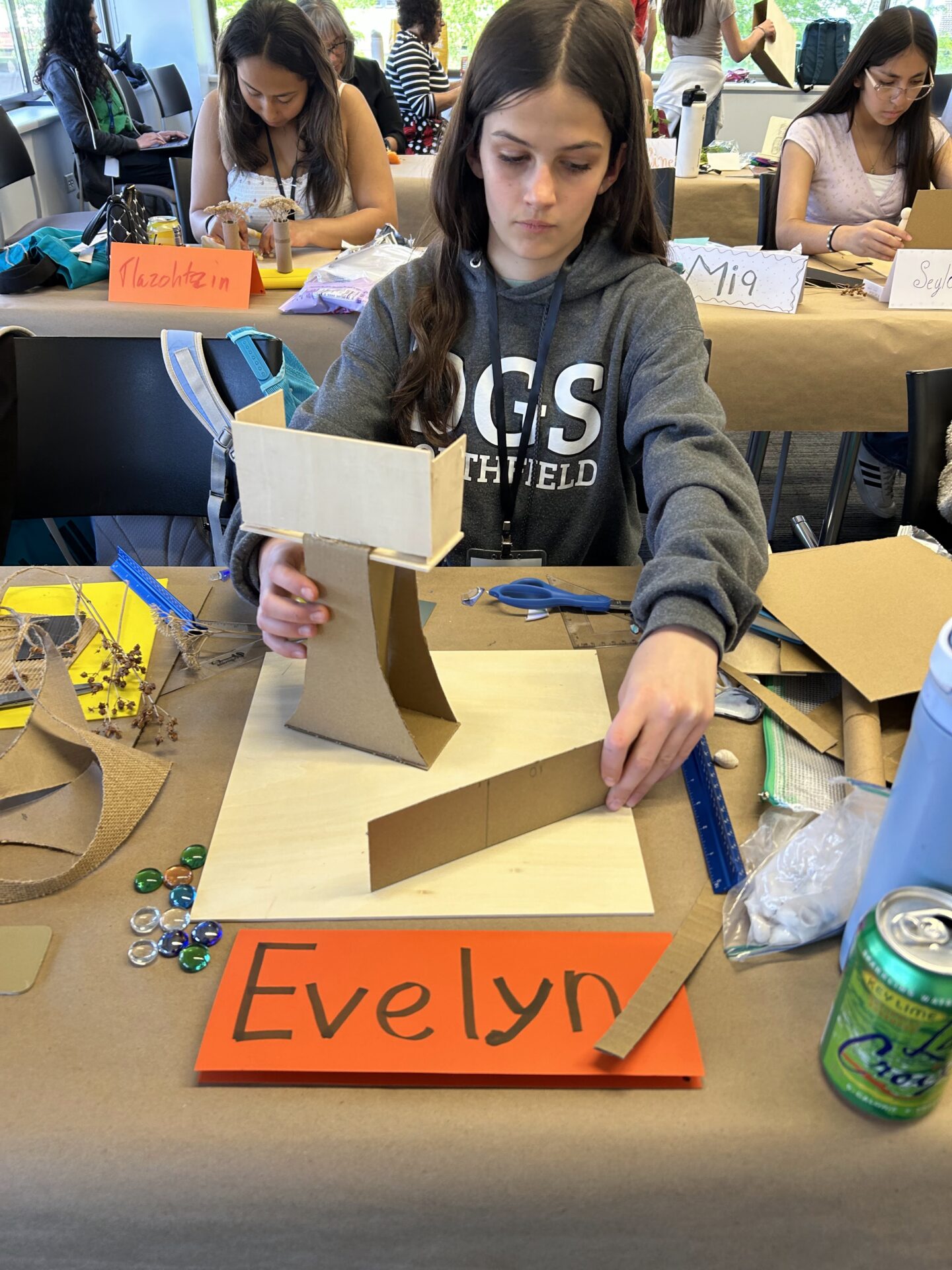
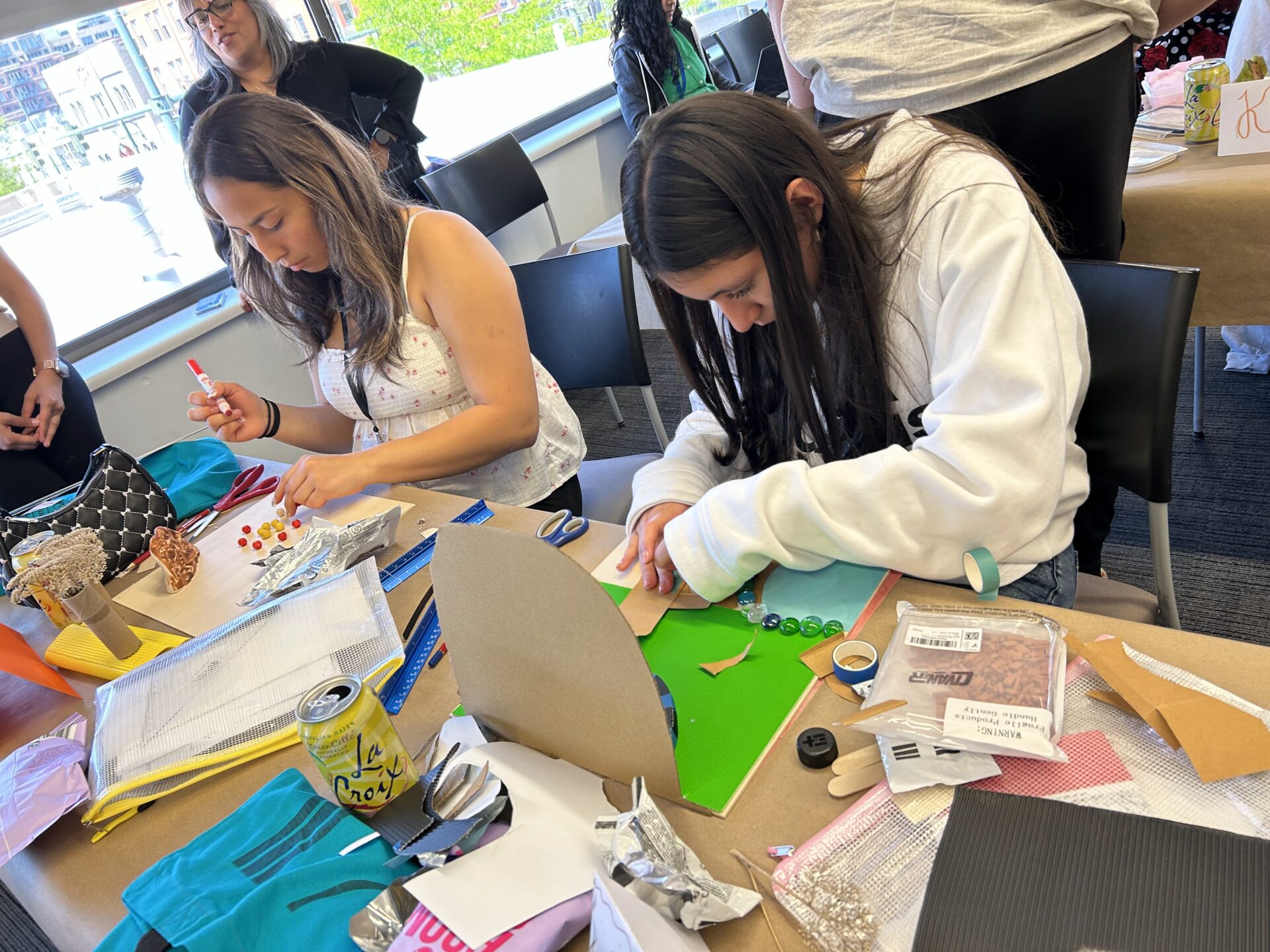
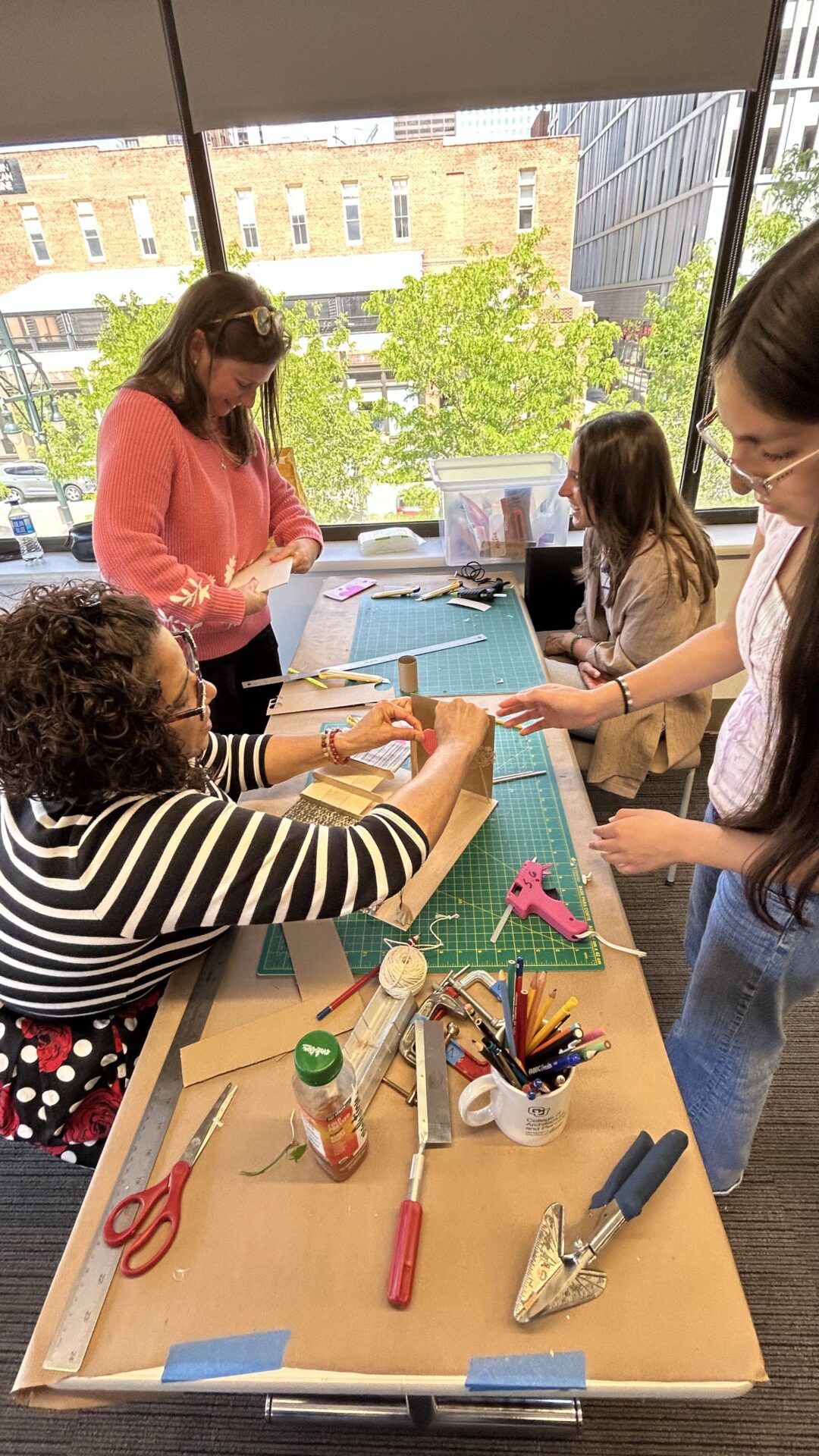
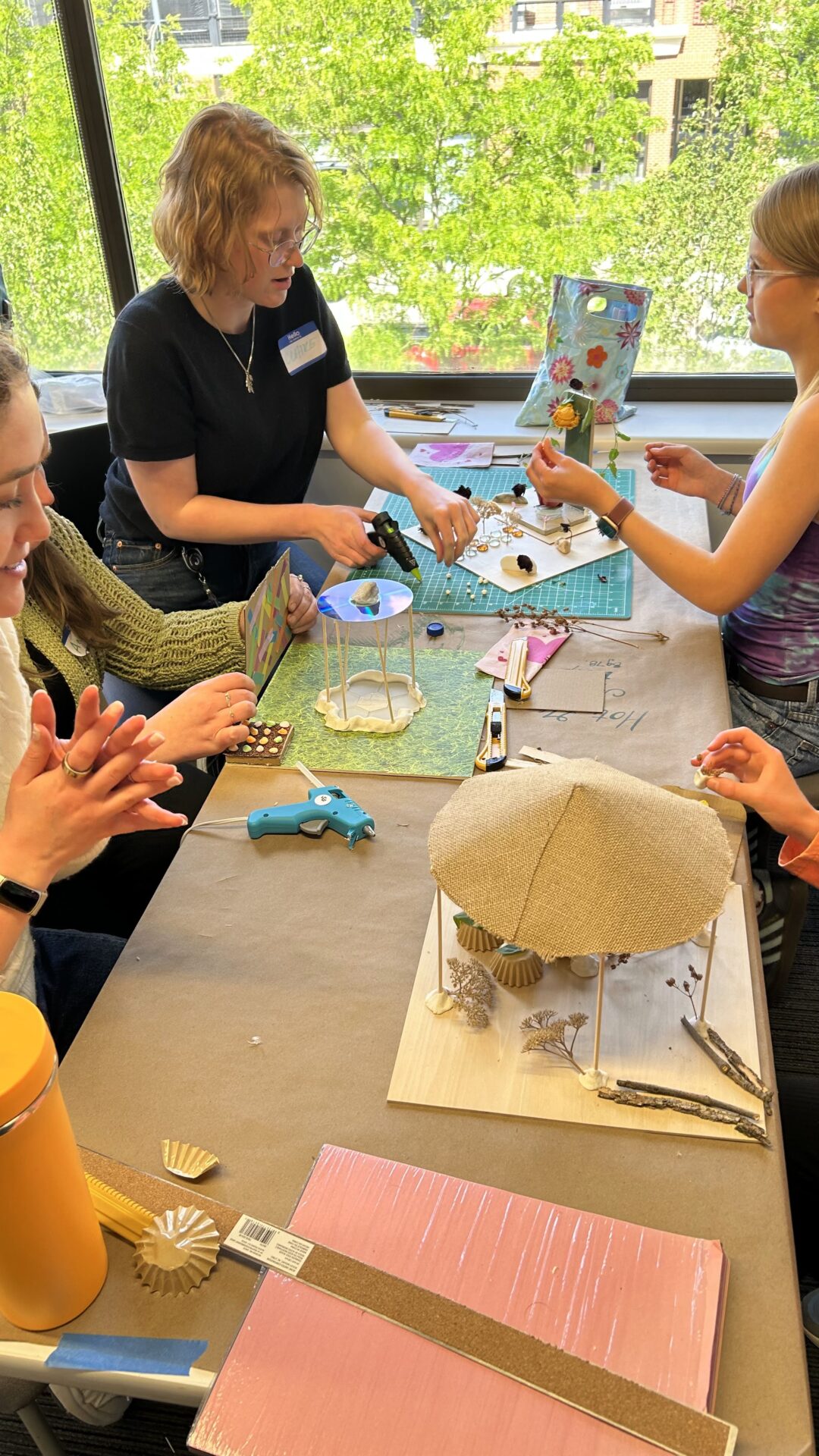
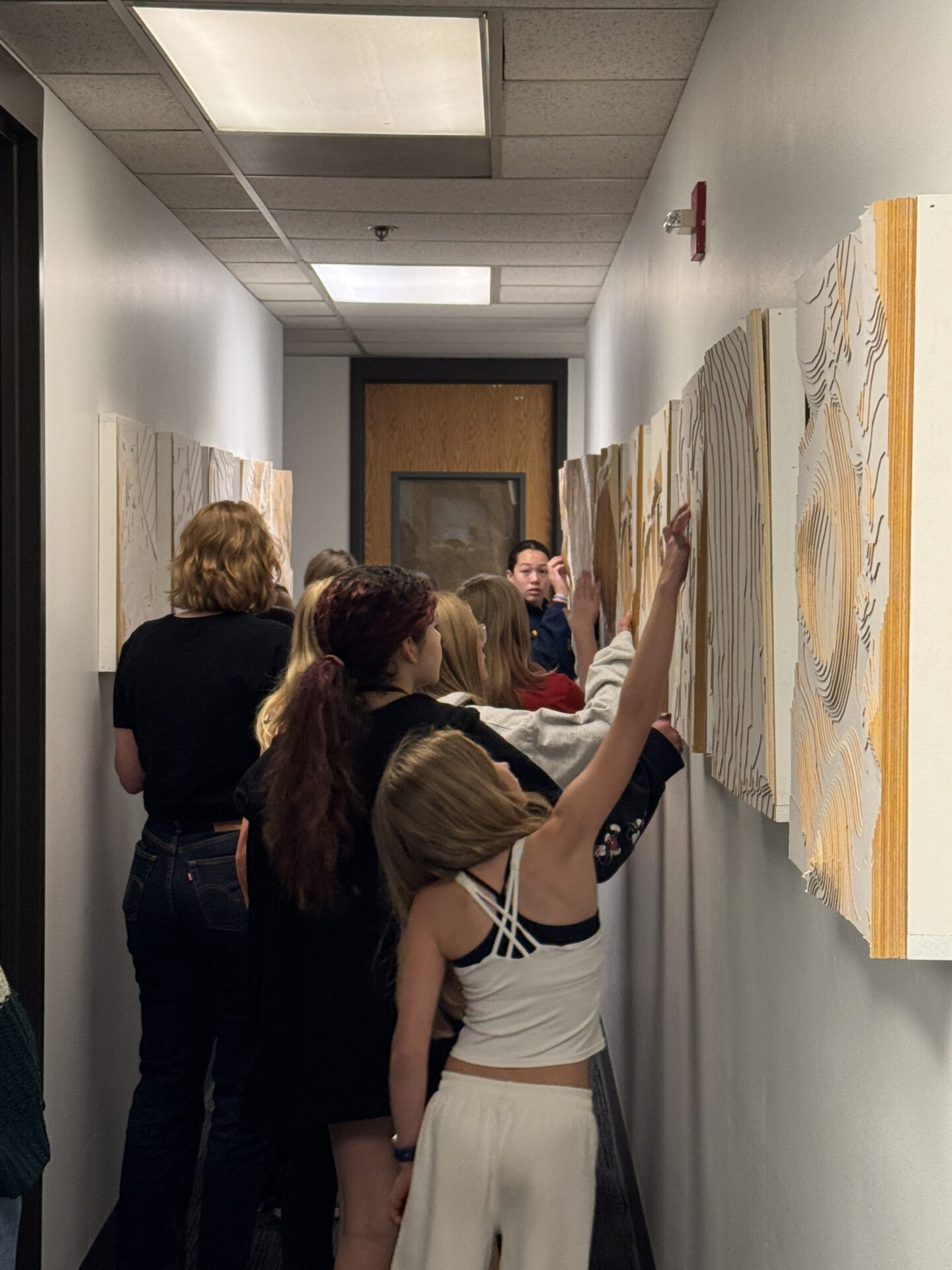
Design Like a Girl continues to inspire the next generation of female designers through hands-on workshops introducing middle school students to careers in design. Held on Fridays throughout the school year at the CU Denver College of Architecture and Planning, these all-day workshops invite students to spend the day learning about design with mentors from across the Colorado architecture and design community, with Spanish-speaking mentors providing essential translation for participants for whom English is not their primary language, significantly expanding the program’s reach. See photos and catch up with the architects growing the program here.
Equity in Practice: Session 3 recap
The final installment of AIA Colorado’s Justice, Equity, Diversity, and Inclusion (J.E.D.I.) Committee three-part Guides for Equitable Practice series shifted the conversation from understanding equity to putting it into practice. Highlighting Chapters 7-9 of the AIA Guides for Equitable Practice, presenters Jennifer Edwards, Assoc. AIA, Sonya Shah, AIA, and Margarita Gonzalez, AIA, explored how firms and individuals can create more equitable workplaces through intentional career development, meaningful community engagement, and measurable goals. Read the recap here.
West Virtual Connect 2026 Legislative Session update
Members from across Colorado’s Western Slope gathered for a West Virtual Connect roundtable focused on the outcomes of the 2026 legislative session and the issues most likely to affect architects practicing in mountain and rural communities. Led by AIA Colorado Advocacy Engagement Director Nikolaus Remus, AIA, and West Section Director Will Otte, AIA, the discussion explored housing, land use, infrastructure, sustainability, and emerging policy issues that could shape the future of practice in the region. Read the recap here.
Colorado ByDESIGN™
The fourth episode airs this Saturday afternoon on CBS Colorado (KCNC TV Channel 4 Denver) and CBS News Streaming Colorado, featuring Origami House by BOSS.architecture, the U.S. Olympic and Paralympic Museum and Park Union Bridge by Anderson Mason Dale, [au]workshop’s Confluence Fort Collins, and Meridian 105 Architecture’sThe Berkeley Hotel.
Watch the first four episodes here.
Pancratia Hall Lofts |
Pancratia Hall Lofts |
Members recently toured Pancratia Hall Lofts, where a 1930 historic landmark at Colorado Heights University has been transformed into 74 deeply affordable homes while preserving the character of the original chapel, gymnasium, and academic spaces. Thank you to OZ Architecture, Hartman Ely Investments, Proximity Green, and William Brummett Architects, P.C. for hosting such an insightful tour.
AIA COLORADO’S
EVENTS
2026 Design + Honor Awards Celebration
The AIA Colorado Design + Honor Awards Celebration is more than an awards ceremony. It’s a celebration of Colorado’s architecture community and the people, ideas, and partnerships that continue to shape the built environment across our state.
Whether you’re accepting an award, cheering on your peers, reconnecting with colleagues, or simply celebrating another remarkable year of architecture in Colorado, this is an evening you won’t want to miss.
Thursday, September 17, 2026, 5:30 – 9:00pm, at Mile High Station, Denver. Learn more about the event and buy your tickets here.
July 2 • Goatbarn Lane Tour
Thursday, July 2nd, meeting at 3:45pm, join North members for a tour of Goatbarn Lane, a AIA Colorado 2022 Design Award of Excellence Award recipient, 2022 American Institute of Architects National Small Project + Housing Award, and 2022 Residential Design Architecture Award. Designed by Renée del Gaudio, for her father, the home reflects a philosophy of living with less, prioritizing simplicity, durability, and a strong connection to the natural environment. Tour submitted for 1 LU|HSW and limited to 15 AIA members, learn more and RSVP here.
July 14 • Academy of Architecture for Heath (AAH) National Update
Tuesday, July 14th, at Noon, virtually join the 2026 Academy of Architecture for Health (AAH) Knowledge Community for an update on national initiatives, local activities, and opportunities to get involved in shaping the future of healthcare design. Special guest Pierce McVey, AIA, LEED AP, 2026 AAH National President, will provide an overview of AAH’s organizational structure, strategic priorities, and key initiatives for the year ahead. More info and RSVP here.
July 22 • Designing Within the Limits: Water Innovation & the Future of Resilient Development in Colorado
Wednesday, July 22nd, at Noon, join AIA Colorado’s Committee on the Environment (COTE) on examining how water scarcity is shaping the future of development in Colorado and explores strategies for creating more resilient, water-conscious communities. Participants will learn about innovative water management approaches, emerging technologies, and integrated planning solutions that support public health, safety, and welfare through sustainable resource stewardship and resilient infrastructure design. Session to be submitted for 1 LU|HSW. More info and RSVP here.
July 29 • Where Community Happens: A Tour of Highlands Ranch Senior Center
Wednesday, July 29th, at 5pm, join members for a tour of Highlands Senior Center, a vibrant community hub designed to support wellness, accessibility, and social connection for aging adults. Tour will be led by architects from OZ Architecture and will examine how flexible programming, intuitive circulation, natural light, and community-driven aesthetics contribute to environments that enhance health, safety, and welfare for older adults. Tour has been submitted for 1 LU|HSW. More info and RSVP here.
Aug 5 • Pursuing Net Zero Water in Colorado: Navigating Water Law, Permitting & Infrastructure Constraints
Wednesday, August 5th, at Noon, join AIA Colorado’s Committee on the Environment (COTE) on exploring the challenges and opportunities of pursuing Net Zero Water development in Colorado through a discussion of water rights, permitting requirements, and infrastructure constraints. Participants will gain insights from industry experts on lessons learned and practical strategies for advancing resilient, water-conscious projects that support public health, safety, and welfare. Session approved for 1 LU|HSW. More info and RSVP here.
Aug 19 • Timber Ridge Village tour in Vail
Wednesday, August 19th, at 2pm, join members in the West for a tour of of Timber Ridge Village in Vail, one of the most ambitious workforce housing developments undertaken in Colorado’s mountain communities. Tour to be submitted for 1 LU|HSW. More info and RSVP here.
Aug 20 • Palmer High School construction tour
Thursday, August 20th, at 4pm, join South members for a tour of the new Palmer High School, an ongoing Palmer High School project by RTA Architects and Perkins Eastman. Tour approved for 1.5 LU|HSW. More info and RSVP here.
Aug 27 • Anythink Nature Library tour
Thursday, August 27th, at 4pm, join members for a guided tour of the Anythink Nature Library, designed by Davis Partnership Architects. Situated on a 15-acre hillside adjacent to the Aylor Open Space trail network, the project explores how architecture can foster meaningful connections between people, learning, and the natural environment. More info and RSVP here.
COMMUNITY
NEWS
Colorado Springs Fire Department quarterly meetings with architects
The Colorado Springs Fire Department would like to extend an invitation to local architects to attend a quarterly meeting for collaboration and discussion of pertinent topics. If you have specific topics that you would like to discuss, please email them to Senior Fire Inspector Jacob Watson at Jacob.Watson@coloradosprings.gov at least two days before the meeting.
The next meeting will be Friday, July 24th, from 9 – 11am, at the Fire Construction Services conference room at 2880 International Circle Colorado Springs, CO 80910.
2026 Jason Pettigrew Leadership Scholarship: Call for Entries
The Jason Pettigrew Leadership Scholarship honors the legacy of Jason Pettigrew, Assoc. AIA, whose passion, leadership, and commitment to emerging professionals left a lasting impact on the Western Mountain Region. Established in 2004 following his passing, the scholarship supports Associate AIA members who demonstrate leadership potential and a commitment to service within the profession. Recipients receive funding to attend both the AIA Leadership Summit in Washington, D.C., and the AIA College of Fellows Western Mountain Region Conference, providing valuable opportunities for leadership development, networking, and engagement with the Institute. Applications are open to Associate AIA members in the Western Mountain Region states, with submissions evaluated on demonstrated leadership, AIA involvement, and future commitment to the profession. More information can be found here and applications can be started here. Application deadline is Monday, August 10th.
CAREER CORNER
JOB BOARD UPDATES
AIA Colorado Job Board
Looking for your next career move? Explore fresh job listings updated daily. Hiring? Showcase your open position for 30 days and connect with top-tier talent.
Featured listings:
NEWA FROM
AIA NATIONAL
AIA/Deltek ABI: Architecture Firm Billings Weaken Further as Economic Uncertainty Slows Projects
Architecture firm billings declined in May as economic uncertainty continued to weigh on the design sector. The latest AIA/Deltek Architecture Billings Index also saw declines in project inquiries and new design contracts. Read more at AIA.
AIA COLORADO’S
PREMIER PARTNER SPOTLIGHT

We’re proud to highlight one of AIA Colorado’s Premier Partners, KL&A, and look forward to their ongoing support and involvement serving Colorado’s architecture community.
KL&A is a firm built around the idea that structural engineers should return to a master builder role by taking ownership of structural systems. A collaborative approach and project centric behaviors are our differentiators, facilitating a more engaging design and construction process. Their philosophy of personal responsibility has generated a corporate culture of problem solving and innovation. They are engineers first and foremost, which they leverage on their steel detailing and steel construction projects. hey also take great pride in sustainability efforts, utilizing mass timber to minimize embodied carbon in our structures, and providing Life Cycle Assessments on our committed projects.
AIA COLORADO’S
ALLIED MEMBERS
Find the Right Expertise
Our Allied Members bring depth and diversity to Colorado’s design and construction community. These experienced professionals offer specialized knowledge that complements architectural practice and elevates project outcomes statewide.
Helpful Links:
- Mile High Station, Denver, CO
- Thursday, September 17
- Tickets available here
- Awards sponsorship information
2026 Practice + Design Conference
- Keystone Conference Center, Keystone, CO
- November 11 – 13
- Conference Call for Presentations
- Submission window closes July 31
- Conference sponsorship information
- Expo Hall registration
AIA Colorado Firm Directory
- Add your firm to the directory here.
Volunteer Opportunities:
Have news to share? If you or your firm have been featured in the media, published in a design outlet, received an award, or announced a major promotion, email AIA Colorado’s Communications Director Jon Bell.
West Virtual Connect: 2026 Legislative Session Update

Wednesday, June 24, 2026
West Virtual Connect
2026 Legislative Session Update
Members from across Colorado’s Western Slope gathered for a West Virtual Connect roundtable focused on the outcomes of the 2026 legislative session and the issues most likely to affect architects practicing in mountain and rural communities. Led by AIA Colorado Advocacy Engagement Director Nikolaus Remus, AIA, and West Section Director Will Otte, AIA, the discussion explored housing, land use, infrastructure, sustainability, and emerging policy issues that could shape the future of practice in the region.
A major focus of the conversation was housing. Participants reviewed several bills aimed at increasing housing opportunities across Colorado, including legislation supporting affordable housing development on underutilized public properties and efforts to encourage transit-oriented development around future rail investments. While some housing-related proposals failed to advance due to the state’s $1.5 billion budget deficit, attendees discussed how affordable housing remains one of the most pressing challenges facing mountain communities and workforce retention.
The group also examined legislation related to wildfire resilience, natural disaster mitigation, and the growing conversation around large-scale AI data centers. Members discussed the potential impacts these facilities could have on Colorado’s energy and water resources, particularly for communities that depend on mountain watersheds. While several proposed regulations did not pass this year, participants noted that many of these issues are expected to return in future legislative sessions.
Additional discussion covered updates to accessibility code references, transportation funding proposals, utility regulation, and workforce-related legislation. Throughout the presentation, Remus emphasized the importance of member engagement in AIA Colorado’s advocacy efforts, noting that input from architects practicing in rural, resort, and mountain communities helps ensure legislators understand how statewide policies affect different regions of Colorado.
The session concluded with a conversation about representation and participation in AIA Colorado’s advocacy work. West Section leaders encouraged members to engage with the Government Affairs Committee and share feedback on legislation affecting their communities, reinforcing the important role local perspectives play in shaping effective advocacy at the Capitol.
ABOUT
West Virtual Connect
Members west of the Front Range convene quarterly in a virtual setting to explore the challenges and opportunities shaping practice in the region. The West Section Advisors regularly host open roundtables, welcoming all members in the West to join and contribute.
RSVP for events at AIA Colorado’s event page.
Equity in Practice: Session 3
Session 3
Career Advancement, Community Engagement, and Measuring Progress
The final installment of AIA Colorado’s Justice, Equity, Diversity, and Inclusion (J.E.D.I.) Committee three-part Guides for Equitable Practice series shifted the conversation from understanding equity to putting it into practice. Highlighting Chapters 7-9 of the AIA Guides for Equitable Practice, presenters Jennifer Edwards, Assoc. AIA, Sonya Shah, AIA, and Margarita Gonzalez, Assoc. AIA, explored how firms and individuals can create more equitable workplaces through intentional career development, meaningful community engagement, and measurable goals.
While each chapter focused on a different topic, a common message emerged throughout the afternoon: equity is not achieved through good intentions alone. It requires transparent systems, ongoing conversations, accountability, and a commitment to continuous improvement.
Chapter 7
Advancing Careers
Jennifer Edwards, Assoc. AIA, introduced Chapter 7 by examining how firms can create career pathways that are both transparent and adaptable. Rather than viewing career advancement as a traditional ladder where success requires increasingly greater personal sacrifice, the chapter encouraged participants to consider a “career lattice” model that recognizes employees’ lives, responsibilities, and goals evolve over time.
The discussion emphasized that equitable advancement benefits both individuals and firms. When employees understand how promotions are determined, receive consistent feedback, and have access to mentorship and flexible career pathways, they are more likely to remain engaged, grow professionally, and contribute to healthier workplace cultures.
Participants were encouraged to evaluate their own organizations by asking practical questions:
- How are promotion decisions made?
- Are advancement expectations clearly documented?
- Do employees regularly discuss career goals with supervisors?
- What barriers may unintentionally prevent some employees from advancing?
Jennifer also emphasized the importance of regular one-on-one conversations throughout the year, noting that career goals should remain active discussions rather than annual performance review checkboxes.
Chapter 7 Takeaways
- Career advancement should be transparent, not mysterious.
- Flexible career pathways acknowledge that employees’ professional and personal needs change over time.
- Regular conversations between supervisors and employees create stronger accountability and better career development.
- Equitable advancement strengthens retention, motivation, and long-term leadership diversity.
Quotes
“When employees see a clear path forward, they are more likely to stay, grow, and contribute to a stronger profession.”
“Designing your career path using the lattice approach… making sure your needs and goals are getting met.”
Chapter 8
Community Engagement
Sonya Shah, AIA, shifted the conversation beyond firm culture to architecture’s responsibility to the communities it serves. She distinguished community engagement from community-centered design, encouraging attendees to think critically about who is being invited into the design process, how feedback is collected, and whether engagement continues throughout a project’s lifecycle.
Rather than treating engagement as a single public meeting or survey, Sonya encouraged architects to view it as an ongoing relationship. Community needs evolve over time, particularly on projects that span multiple years. Successful engagement means continually checking in, sharing project updates, and ensuring community voices continue shaping design decisions from concept through occupancy.
The discussion also explored practical engagement strategies, including surveys, QR codes, community festivals, voting exercises, and post-occupancy evaluations. More importantly, participants were reminded that collecting feedback is only valuable if it ultimately informs better design decisions.
Chapter 8 Takeaways
- Community engagement is a continuous process, not a single event.
- Successful engagement requires reaching people where they already are.
- Diverse participation produces stronger projects and builds public trust.
- Architects have a responsibility to translate community feedback into meaningful design decisions.
Quotes
“Authentic engagement builds trust.”
“It’s not just about performing one of these events. How do you take that information and put it into your design?”
Chapter 9
Measuring Progress
Margarita Gonzalez, Assoc. AIA, concluded the series by focusing on one of the most important questions facing equitable practice:
How do we know we’re making progress?
Her presentation emphasized that meaningful change requires measurable action. Rather than attempting to improve every area simultaneously, firms and individuals were encouraged to identify one area of focus, establish a baseline, create measurable goals, implement strategies, evaluate progress, and repeat the process.
Using SMART goals as a framework, Margarita demonstrated how equitable practice can become part of an organization’s everyday operations rather than an occasional initiative. Whether working in a large firm with dedicated human resources staff or operating a small practice, every organization can begin taking practical steps toward greater equity.
She also shared her own experience creating internship opportunities for underrepresented students, illustrating how even relatively small actions can contribute to meaningful long-term change.
Chapter 9 Takeaways
- Progress begins by establishing a baseline.
- Focus on one meaningful goal rather than trying to solve everything at once.
- SMART goals create accountability and measurable outcomes.
- Equity becomes part of firm culture when goals are communicated, measured, and revisited regularly.
Quotes
“Just start with your goal. Take that step. Take that action.”
Session 1’s Recap
Equity in Practice Series: Session 1 – Intercultural Competence, Workplace Culture, and Compensation
AIA Colorado’s J.E.D.I. Committee kicked off its three-part Equity in Practice series with a session focused on intercultural competence, workplace culture, and compensation, three interconnected forces shaping equity in the profession. This series is based on AIA’s Guide for Equitable Practice.
Co-chairs Sarah Morasso, AIA, and Alexander Person, AIA, framed the conversation by emphasizing that architecture is not neutral, and that advancing equity requires both individual reflection and systemic change.
Session 2’s Recap
Equity in Practice Series: Session 2 – Recruitment & Retention, Negotiation, and Mentorship & Sponsorship
AIA Colorado’s Justice, Equity, Diversity, and Inclusion (J.E.D.I.) Committee continued its virtual Equity in Practice Series with a discussion focused on Chapters 4–6 of the AIA Guides for Equitable Practice: Recruitment & Retention, Negotiation, and Mentorship & Sponsorship.
Committee co-chairs Sarah Morasso, AIA, and Alexander Person, AIA, were joined by Stephanie Fernandez, Assoc. AIA, exploring how workplace systems, leadership practices, and professional relationships shape career growth and equity within architecture firms. Through guided discussion and practical examples, attendees examined how firms can intentionally create more transparent, supportive environments that strengthen both individuals and organizations.
Design Like a Girl: Year 3 Update
Year 3 Update
Design Like a Girl
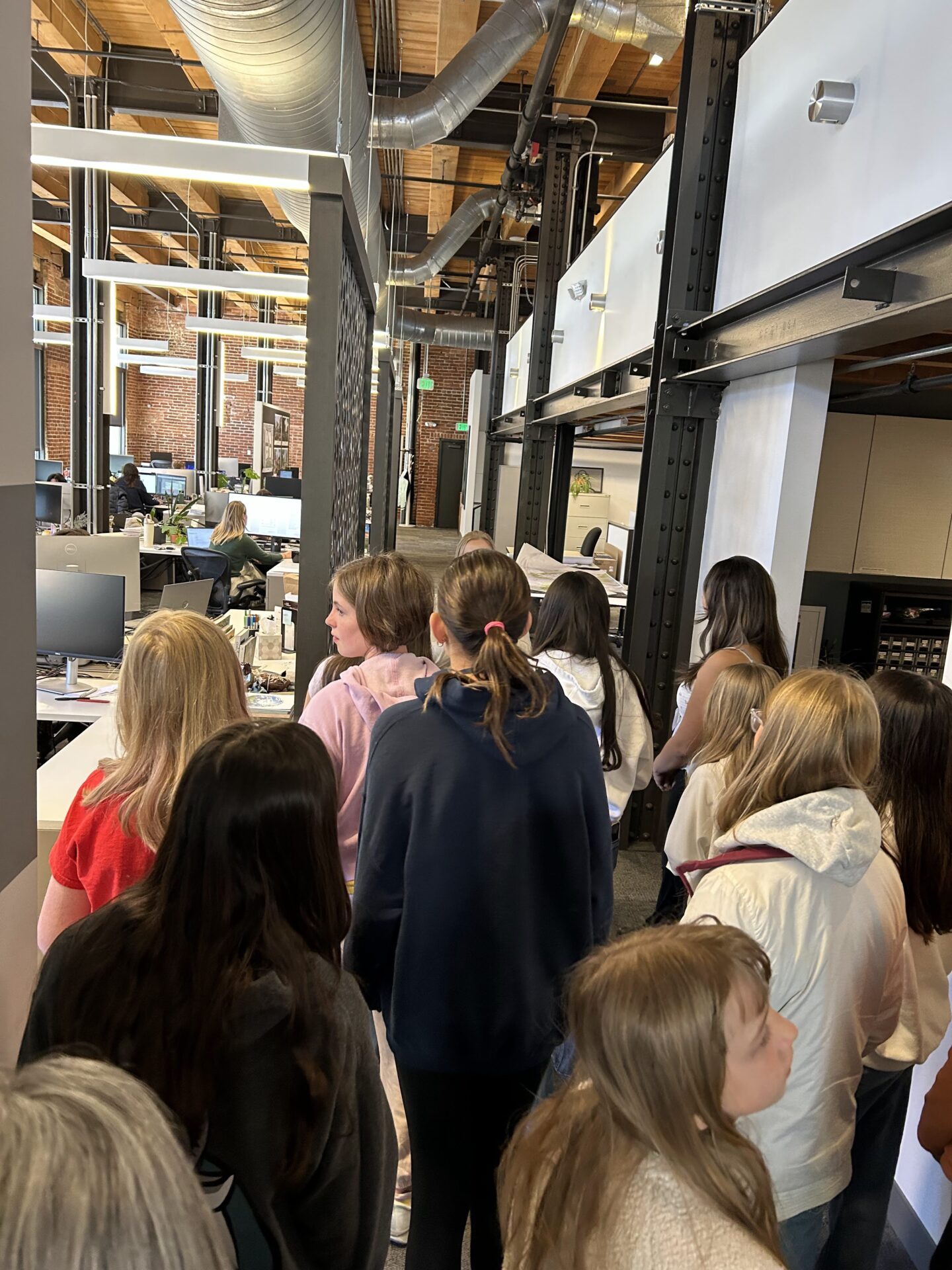
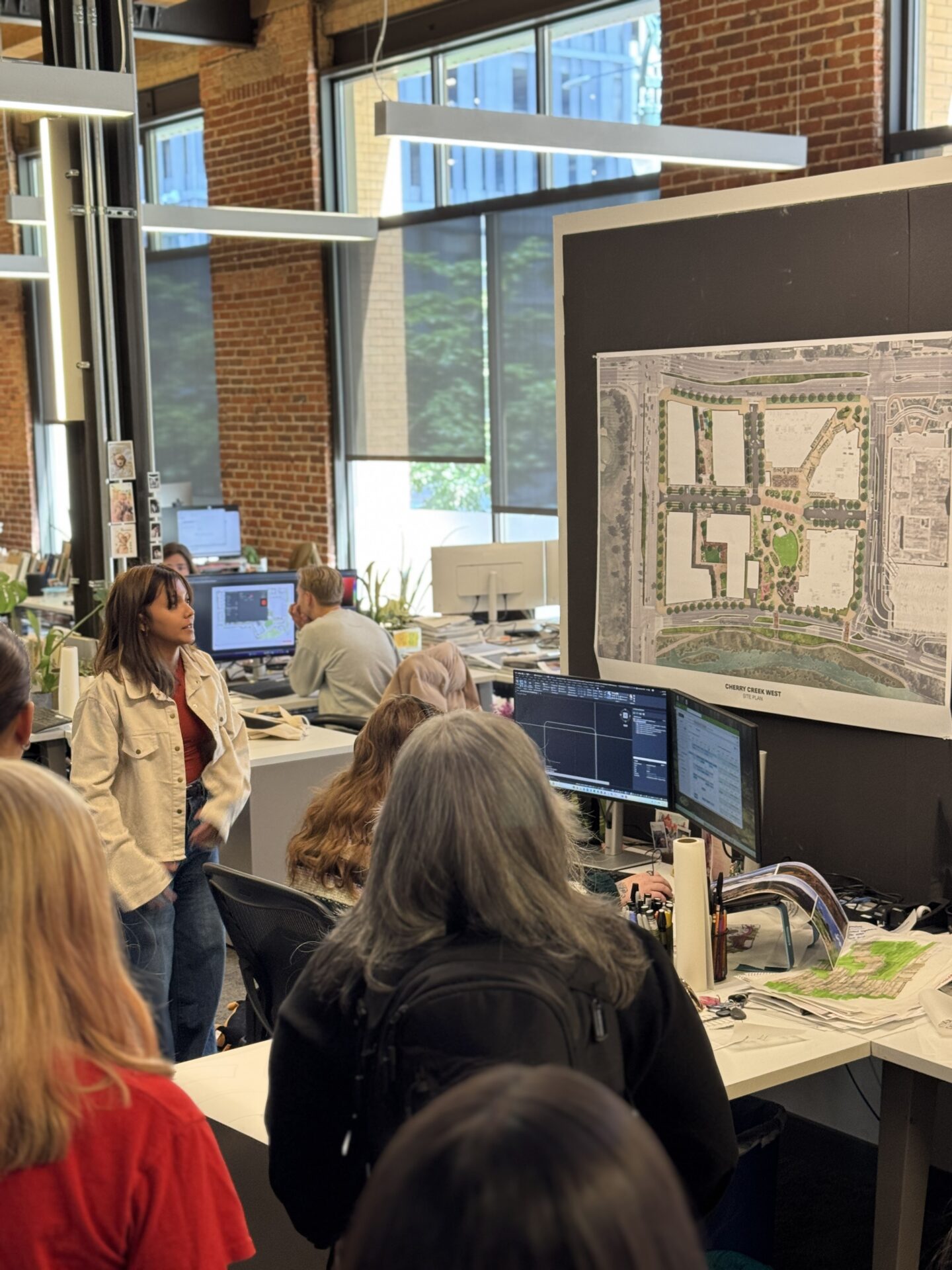
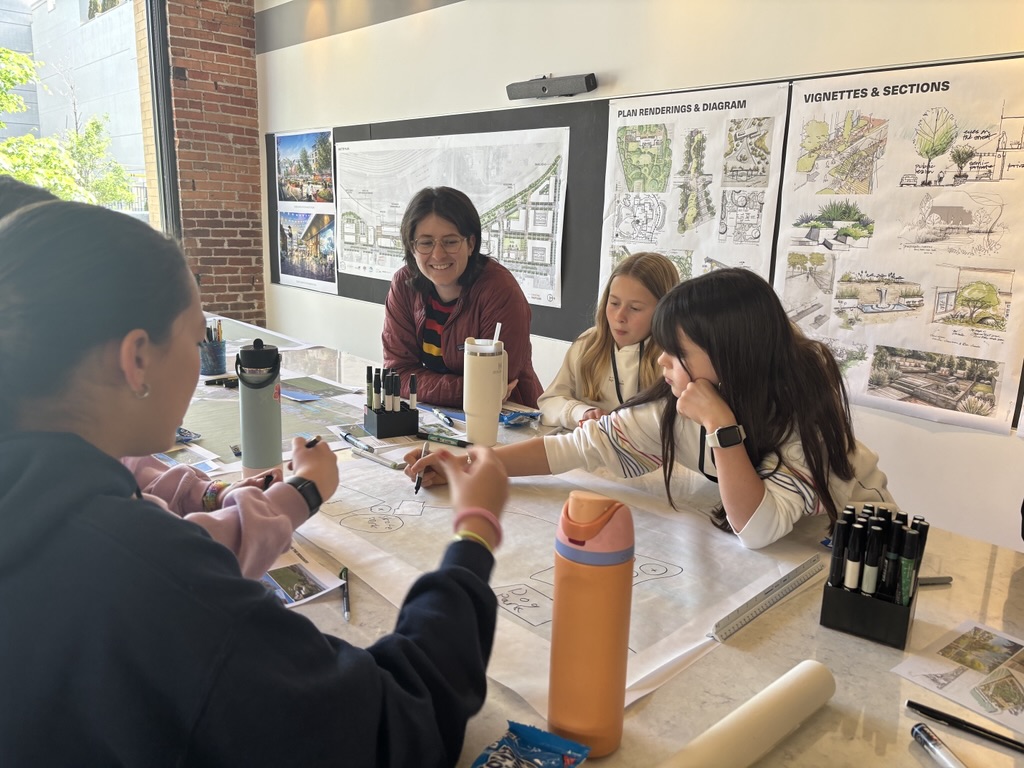
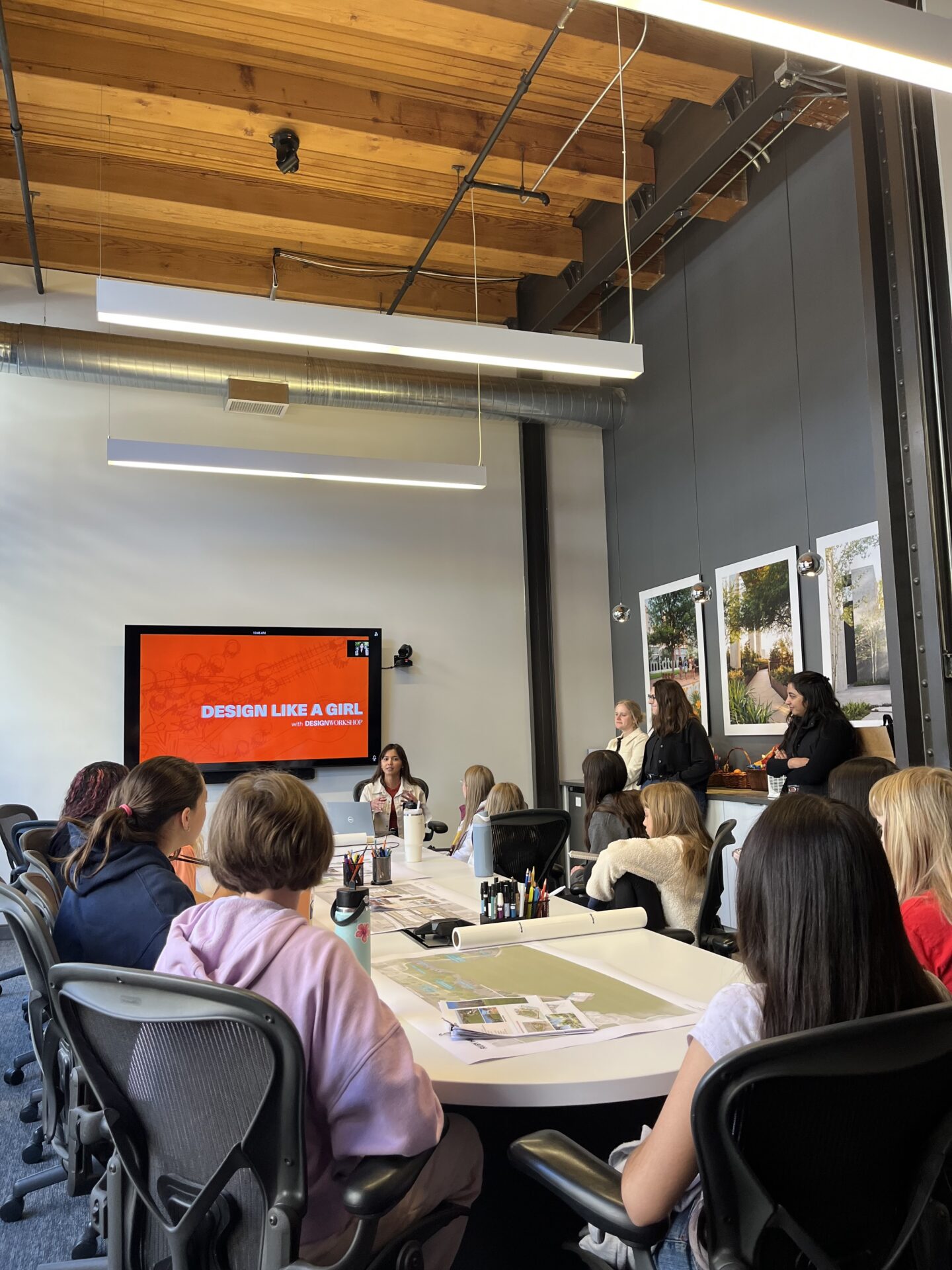
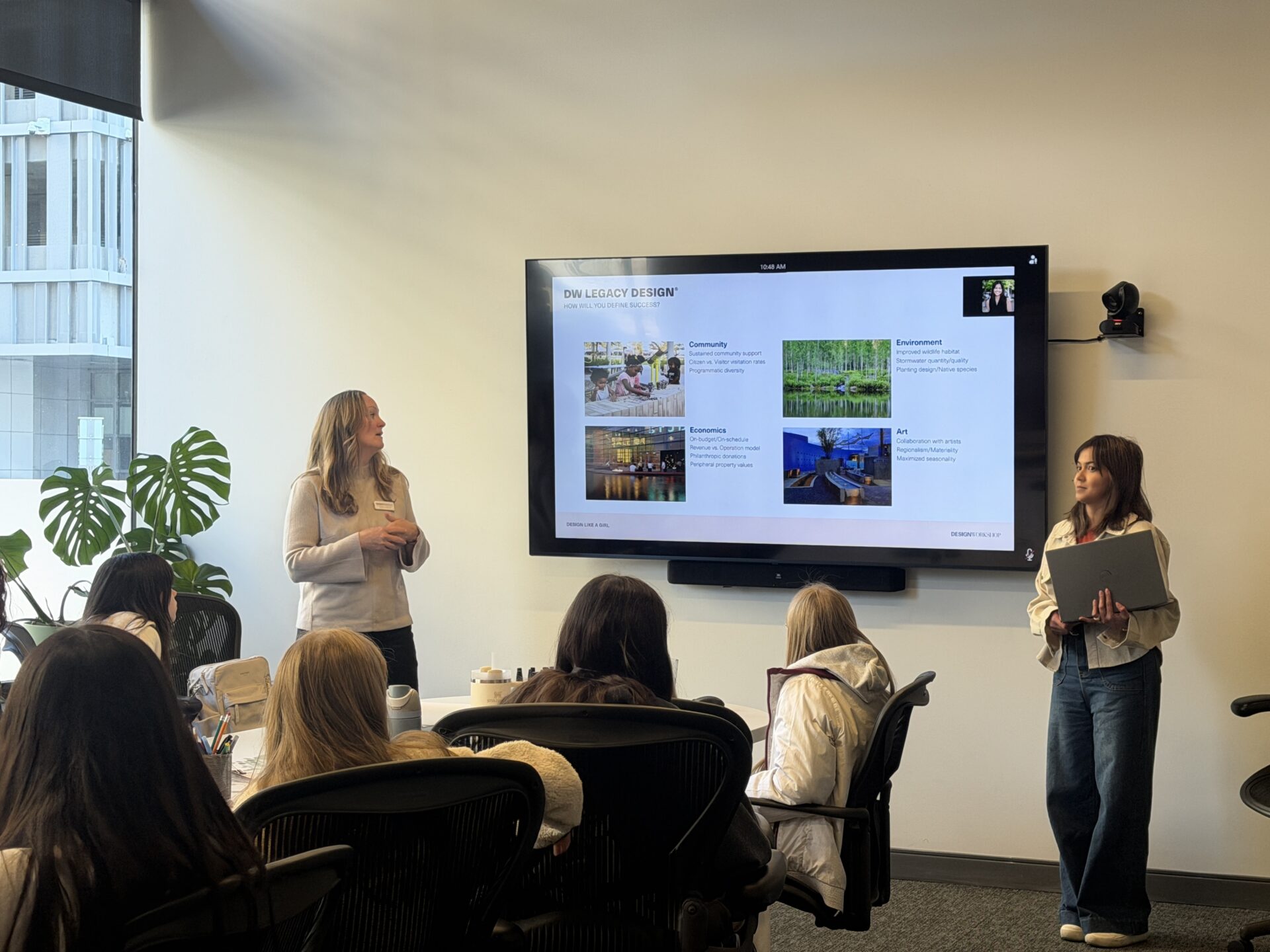
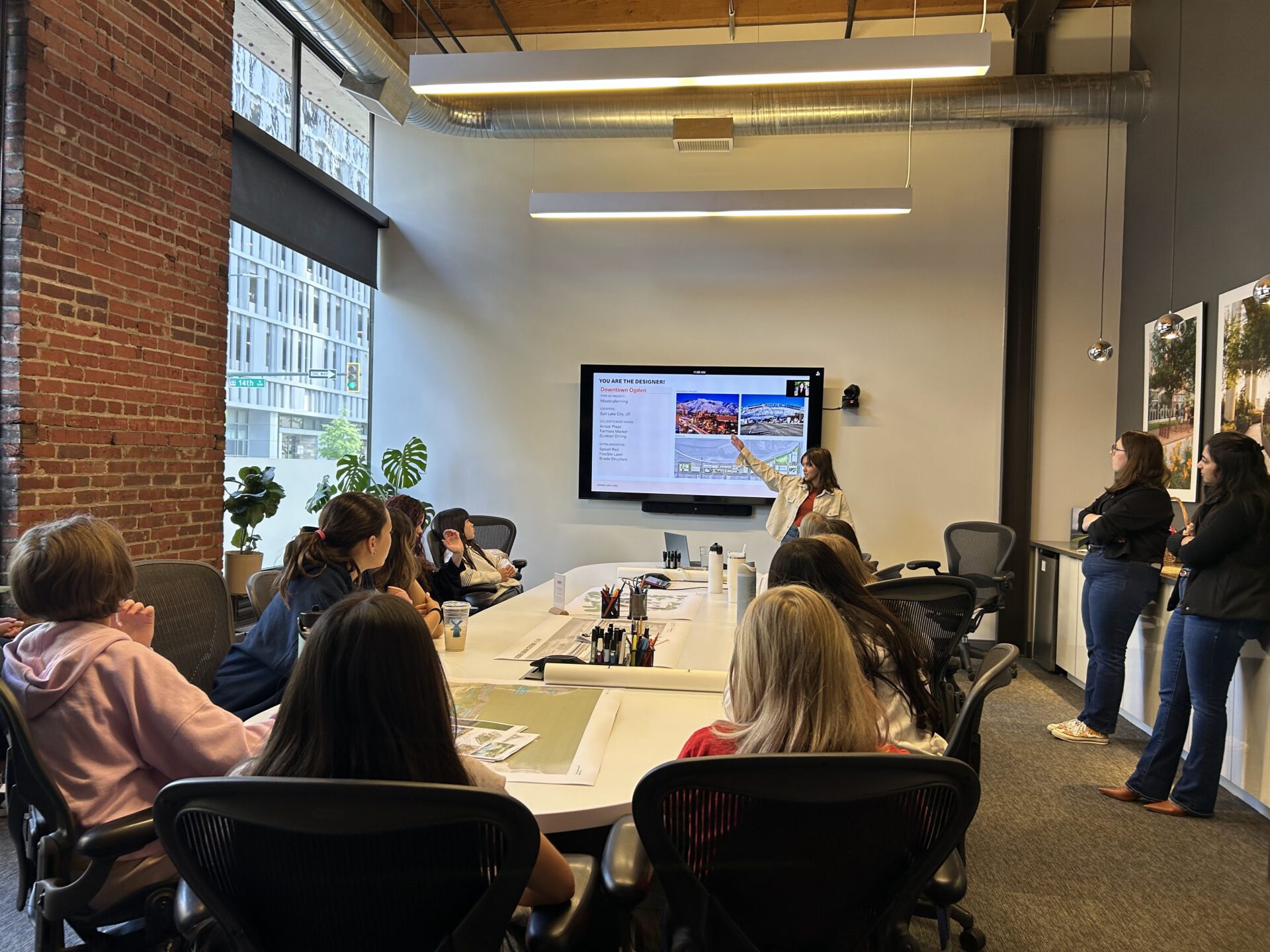
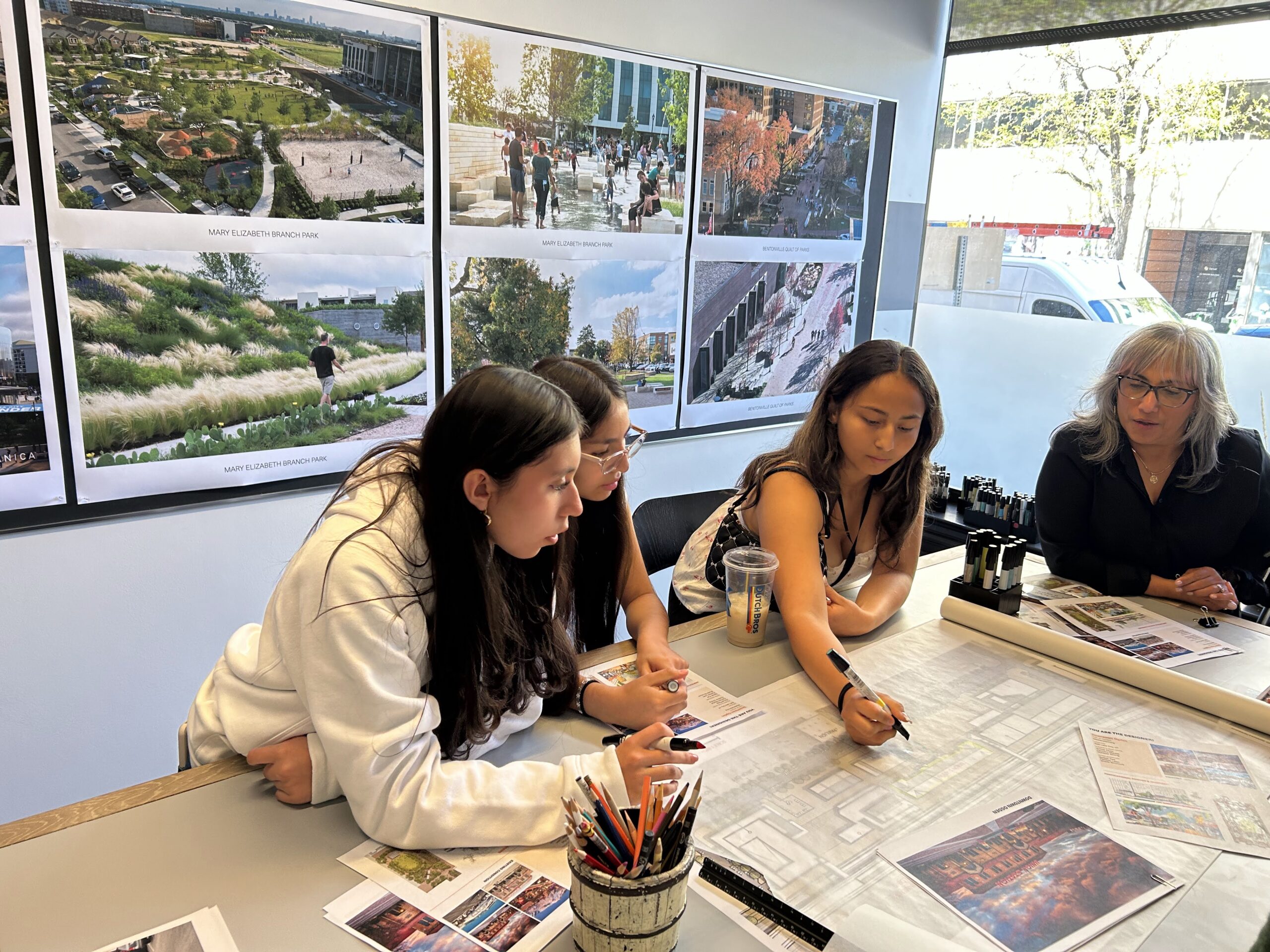
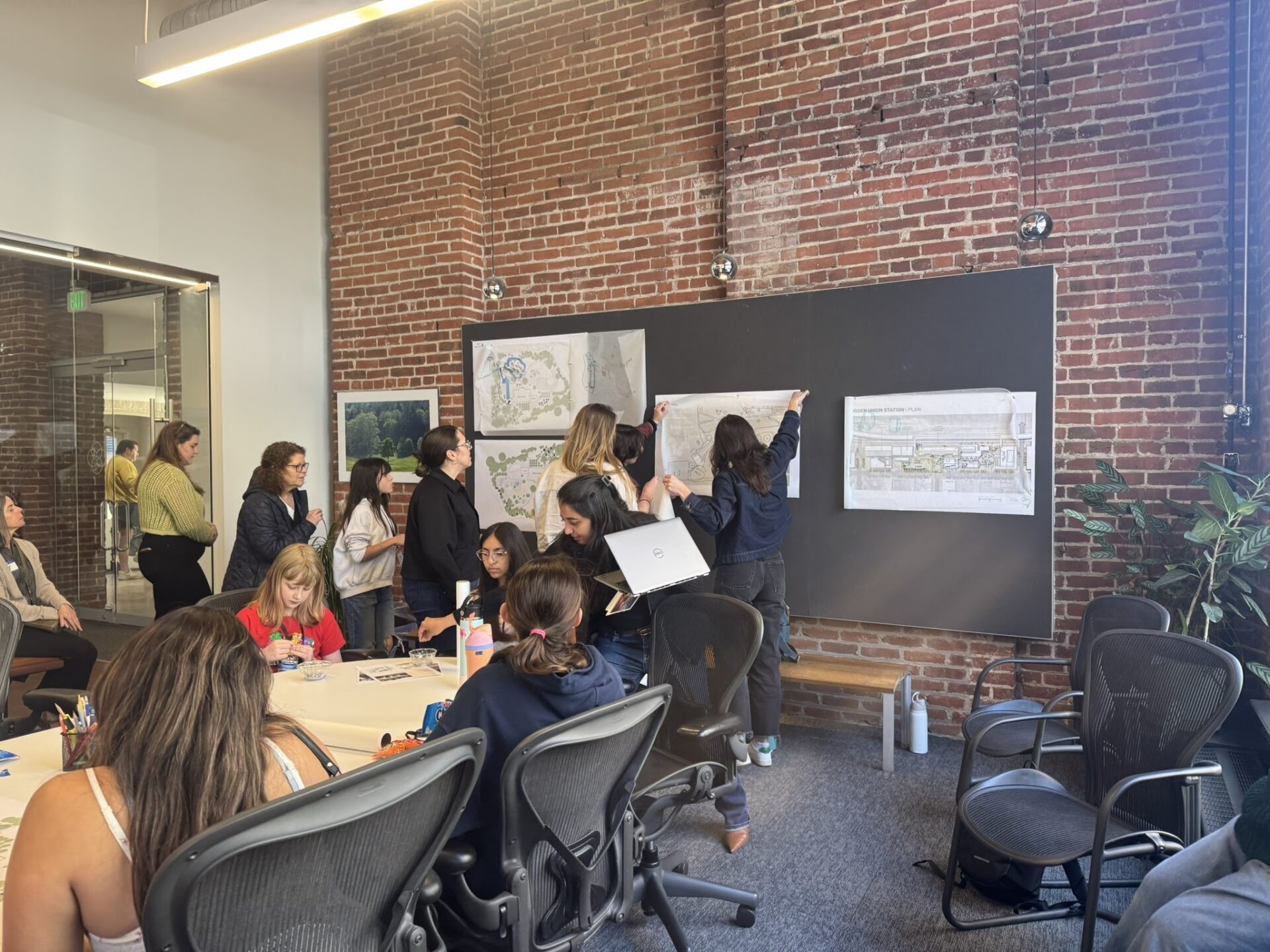
Now in its third year, Design Like a Girl continues to inspire the next generation of female designers through hands-on workshops introducing middle school students to careers in design. Held on Fridays throughout the school year at the CU Denver College of Architecture and Planning, these all-day workshops invite students to spend the day learning about design with mentors from across the Colorado architecture and design community, with Spanish-speaking mentors providing essential translation for participants for whom English is not their primary language—significantly expanding the program’s reach.
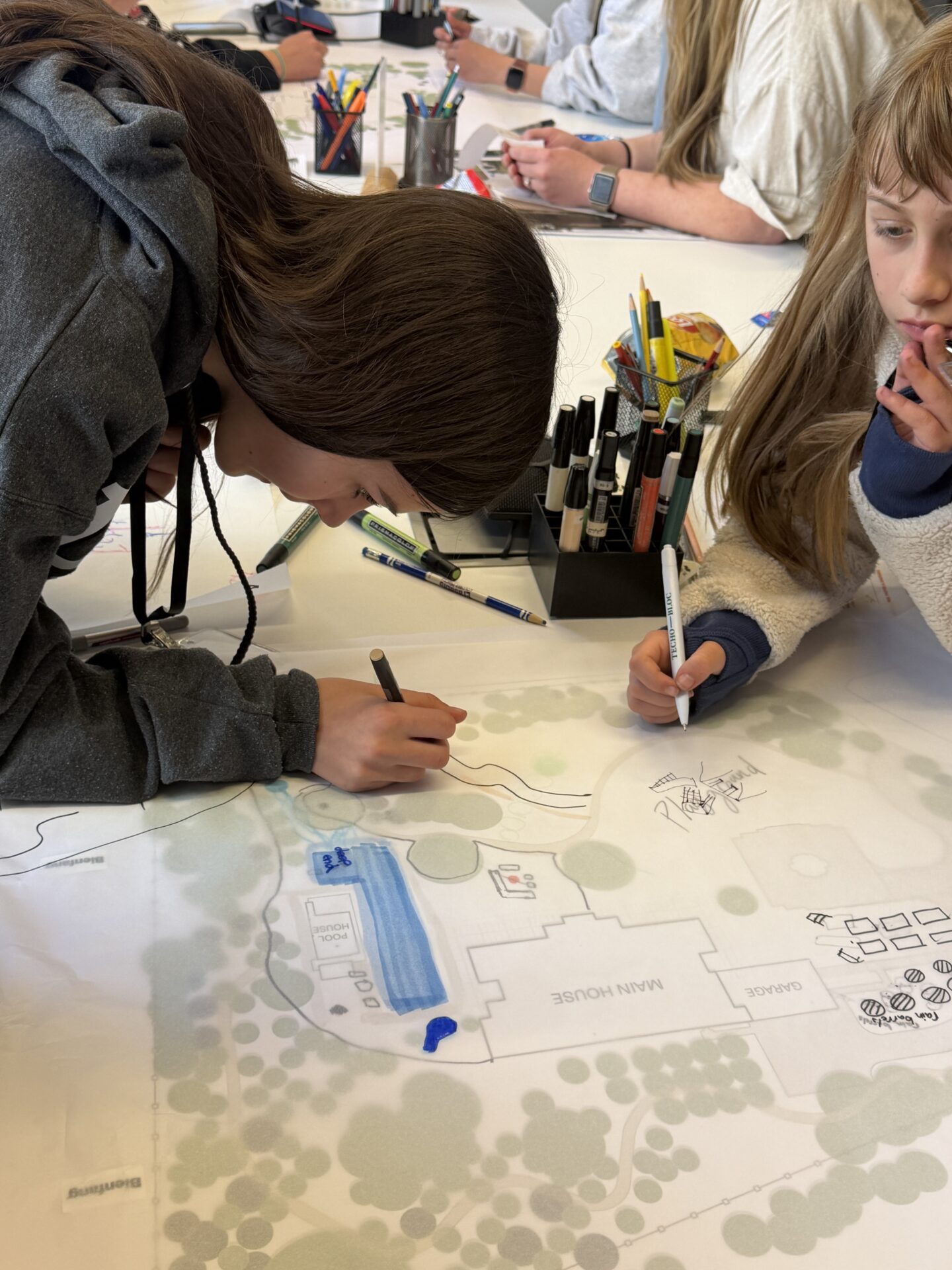
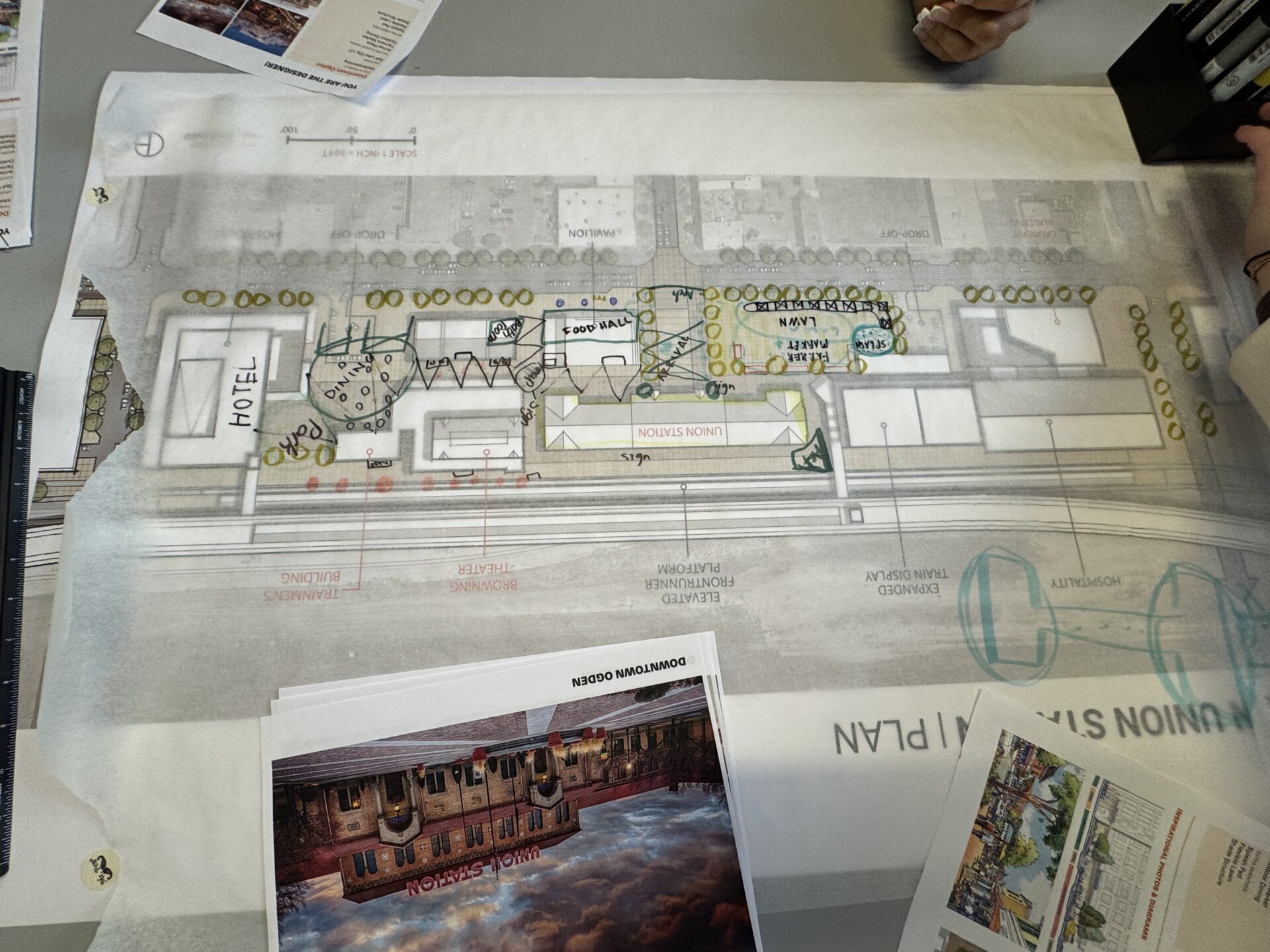
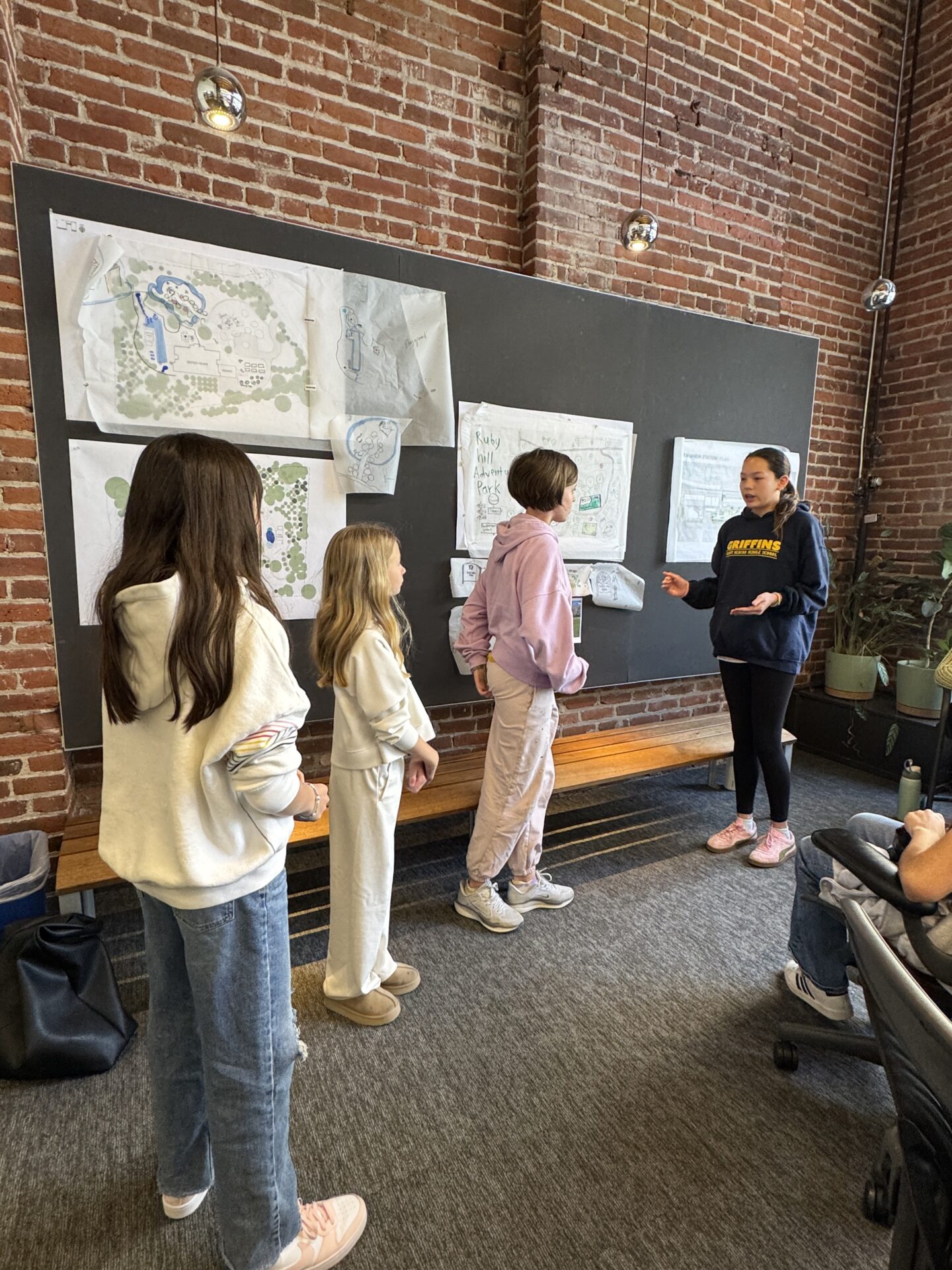
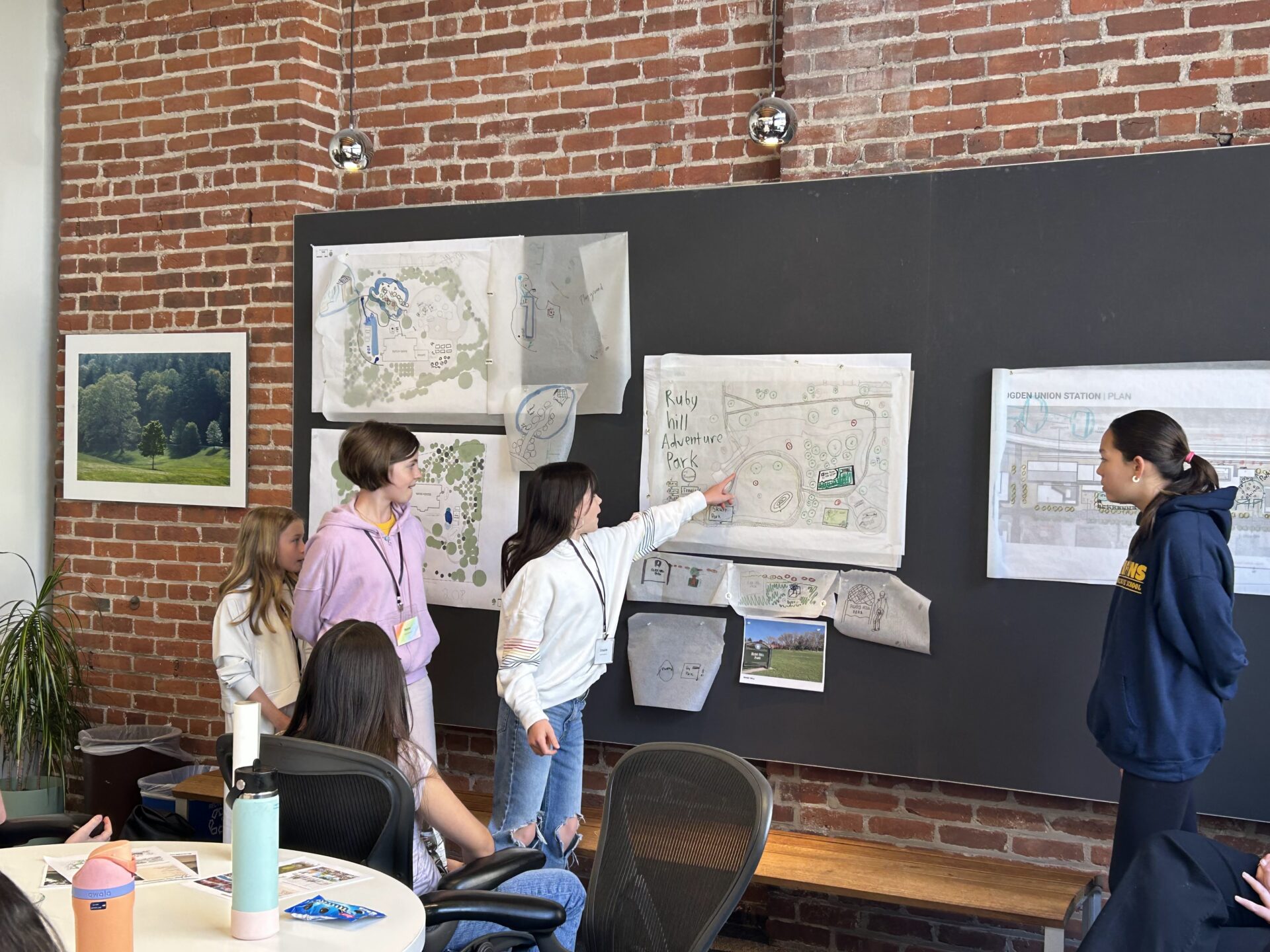
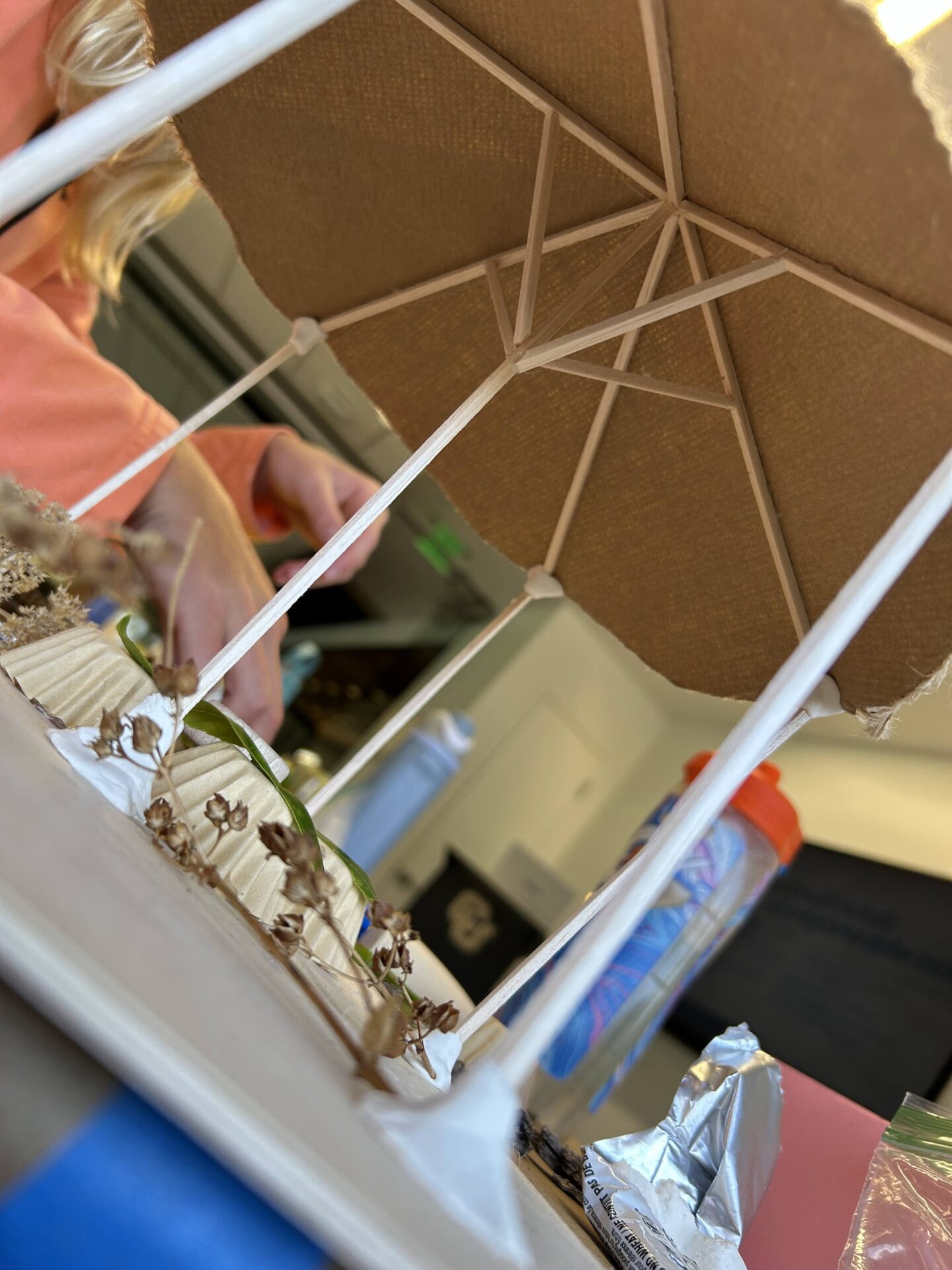
The workshops typically begin with an introductory lesson or activity in the morning, followed by an afternoon dedicated to building models inspired by the theme of the day’s workshop. Design briefs this year included an entryway for a program of the designer’s choice, a ‘she-shed’ for creativity, and an outdoor space inspired by their favorite activity. Mentors are always impressed by the imagination and thoughtfulness expressed in these projects by the young designers.
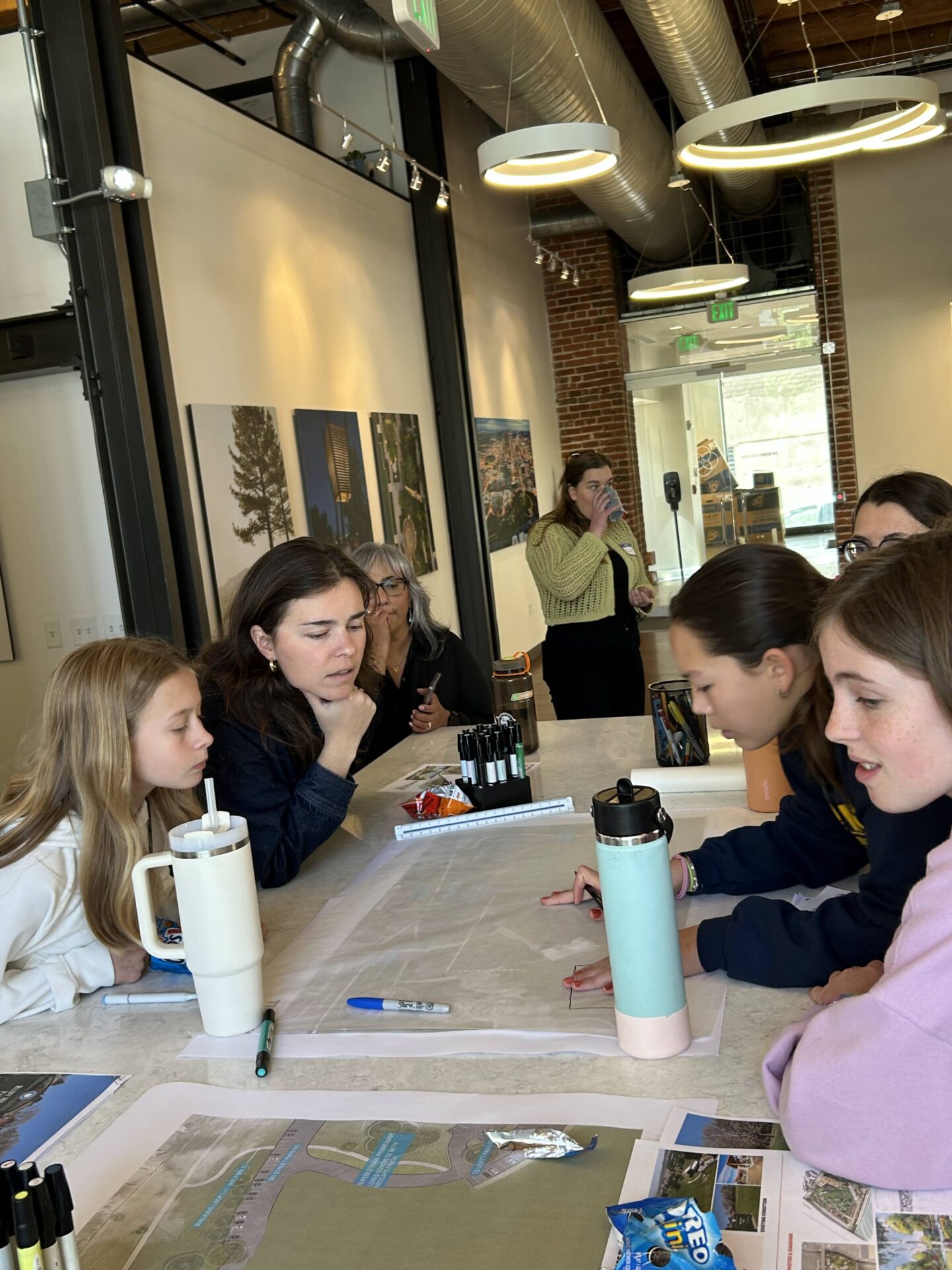
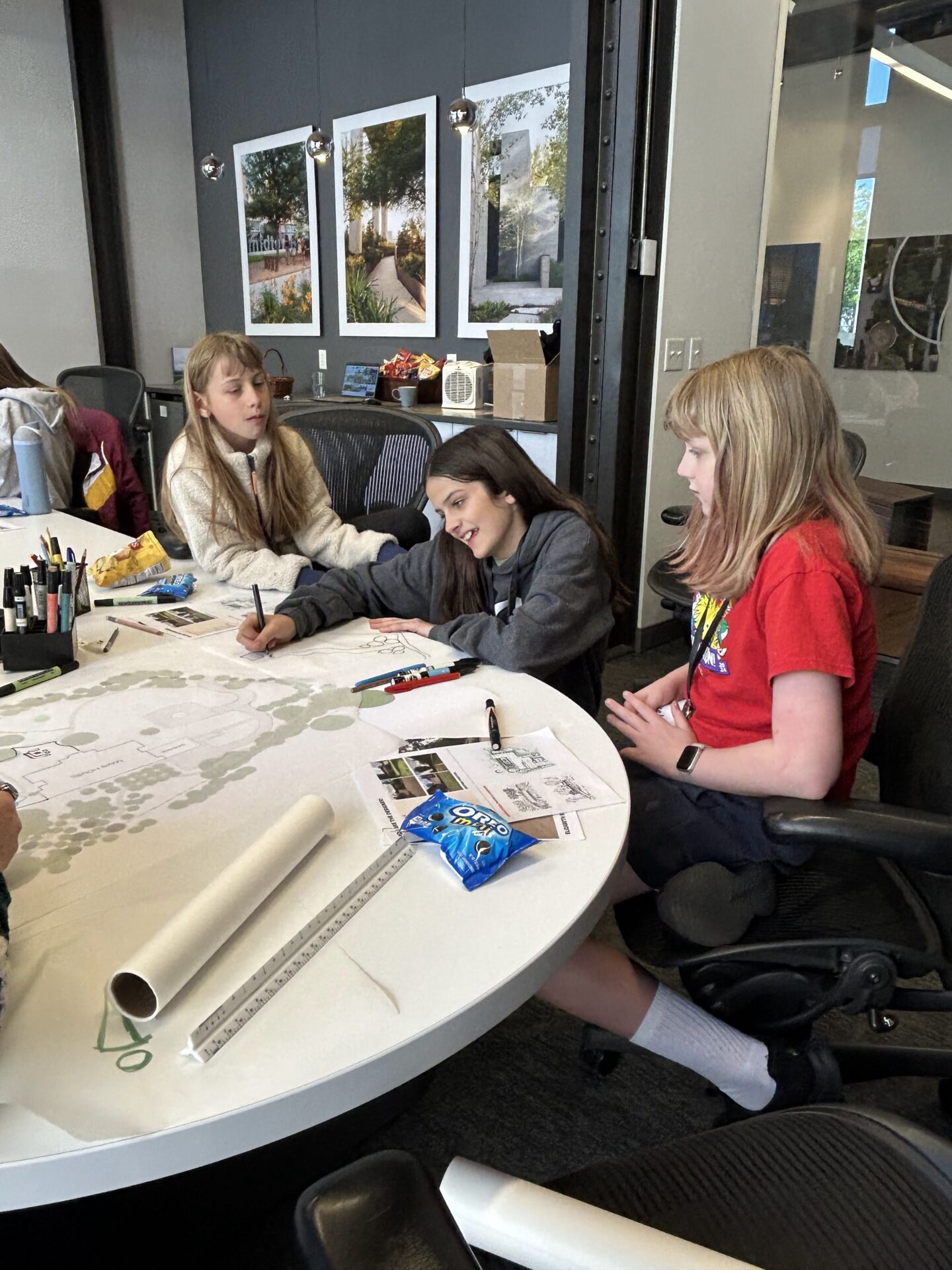
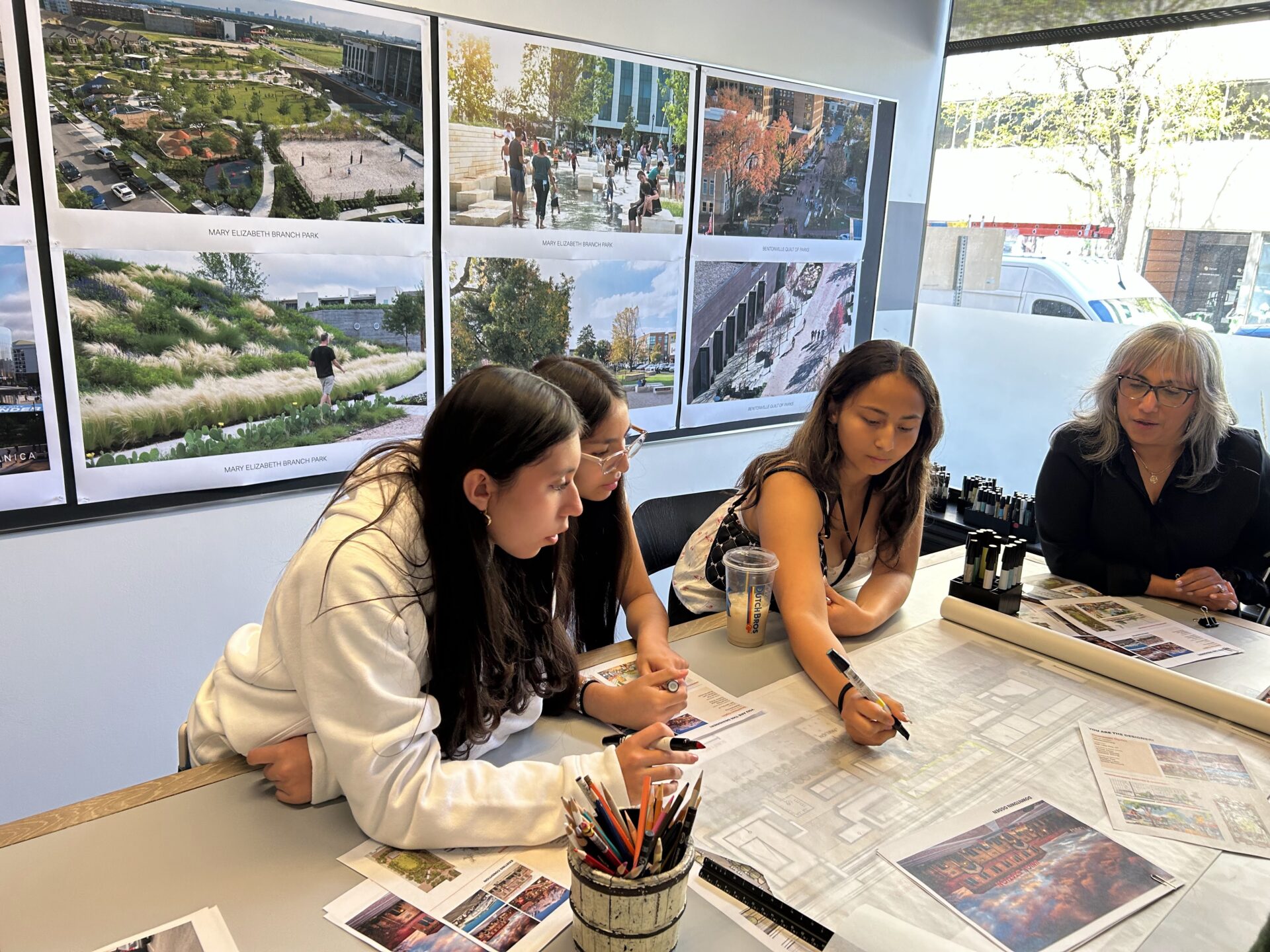
Design Like a Girl partners with Denver Public Schools to provide these workshops to students free of charge through the Spark Early Career Exploration Program, which aims to expose middle school students to professional work environments. This year, funding was also secured through an AIA Architecture Week grant for K-12 educational opportunities.
Spark Coordinator Ivonne Miranda Correa spoke to the impact of this year’s workshops: “[The mentors] did such an amazing job demonstrating how a diversity of skills, personalities and interests can lead to meaningful and rewarding careers in the field. And just as importantly, you model what it looks like for women to support and uplift one another professionally. That gives our students the opportunity to imagine a real future for themselves and to know they can find a supportive community along the way.”
Feedback from student participants is equally strong. Model making is always the highlight of the day, but the girls also love the opportunity to get out of the classroom. Site visits this year took the girls to local design firms Rowland + Broughton and Design Workshop, as well as walking tours of Larimer Square and the 16th Street Mall.
The lead organizers of the Colorado chapter of Design Like a Girl, Sarah Goldblatt, AIA, Anna Friedrich, AIA, Ely Merheb, AIA, Dawn DiMedio, AIA, and Claire Messer, Past President of All For Women in Architecture Students, would like to thank every mentor that donated their time and creativity to inspire the future designers of the built environment.
Special thanks also to:
- Joanna Schmickel, FAIA, CGS Architects (DLAG Program Founder)
- Jeana Delamarter, Manager of Undergraduate Recruitment and K-12 Outreach, CU Denver College of Architecture and Planning
- Sondra Osif, Spark Program Manager Career & College Success, Denver Public Schools
- Ivonne Miranda, Spark Middle School Coordinator, Denver Public Schools
- Guest Speaker Kati Peditto, PhD
- Nurain Rafee, Design Workshop
- Brittany Soler, Assoc. AIA
- AIA Colorado J.E.D.I. Committee
- AIA Architecture Week
- Anderson Mason Dale Architects
- Rowland + Broughton Architecture and Interior Design
- Design Workshop
- Dikeou Realty
If you are interested in participating as a mentor next year, be on the lookout for a sign-up notice in the AIA Colorado newsletter. Recruiting for the 2026-2027 school year will begin in late summer 2026. You can also contact Sarah at sarah@sarahgoldblatt.com to be notified when mentor registration opens.
Marketing for Architects: From Project to Publication

MARKETING FOR ARCHITECTS
EVENT RECAP
Wednesday, June 17, 2026
Great architecture deserves to be seen, but great design alone rarely earns media coverage.
That was the central message of AIA Colorado’s first Marketing for Architects session, From Project to Publication, where editors, journalists, storytellers, and content creators shared an inside look at how projects make their way into magazines, newspapers, websites, and social media.
Moderated by Jon Bell, AIA Colorado’s Communications & Creative Director, the panel brought together four distinct perspectives:
- Vanessa Kauffman Zimmerly, Editor, Modern in Denver
- Catie Cheshire, Commercial Real Estate Reporter, Denver Business Journal
- Parker, Founder and Creative Director, Developing Denver
- Bryant Palmer, Founder and Chief Storyteller, Oh Hey Creative
While each panelist approaches storytelling differently, they agreed on one fundamental point: architects need to think about publication long before a project is complete.
DISCUSSION
Key Takeaways
Design Solves Problems. That’s the Story.
One of the strongest themes throughout the discussion was that compelling projects aren’t defined solely by beautiful photography or striking forms.
For Modern in Denver, every project begins with a larger question.
“Design can and should solve problems.”
Vanessa Kauffman Zimmerly explained that the publication looks beyond aesthetics to understand what a project contributes. Whether addressing climate resilience, housing affordability, new building technologies, or simply improving life for a family, editors are looking for projects that advance the conversation around design.
Architects who can clearly articulate the problem they set out to solve are already telling a stronger story.
Different Publications Are Looking for Different Things
Although every outlet tells stories about architecture, each approaches them from a different perspective.
For the Denver Business Journal, newsworthiness often comes from business impact. Reporter Catie Cheshire explained that project milestones, economic impact, development trends, and compelling data all help a story stand out.
Developing Denver, meanwhile, reaches more than 100,000 followers through highly visual social media content. Founder Parker focuses on transparency, helping the public understand what’s being built, why it’s happening, and how projects affect their communities.
Bryant Palmer approaches the process from the opposite direction, helping firms identify which stories fit which publications.
The lesson for architects was simple: don’t send the same pitch to every outlet.
Understanding each publication’s audience dramatically increases the likelihood that your story will resonate.
Relationships Matter More Than Press Releases
Perhaps the biggest misconception discussed during the session was that publication begins with a single email.
Instead, every panelist emphasized relationships.
Editors appreciate hearing about projects months, or even years, before completion. Reporters value firms that consistently provide useful information. Social media creators benefit from ongoing project updates rather than one-time announcements.
Bryant Palmer summarized the public relations perspective succinctly:
“PR is a long game.”
Successful firms aren’t simply pitching projects. They’re building trust over time.
That relationship makes future conversations easier, improves communication, and creates opportunities that wouldn’t otherwise exist.
Think About Publication Before Construction Ends
One of the most practical conversations centered around preparation.
By the time a project is finished, many publication opportunities have already been shaped by decisions made months earlier.
Panelists encouraged architects to think about:
- Developing a clear design narrative.
- Investing in professional photography.
- Planning for media rights and image licensing.
- Identifying project collaborators.
- Securing homeowner or client participation when appropriate.
- Documenting construction milestones.
Zimmerly noted that architects should begin thinking about how a project might appear in a magazine spread while it is still being designed.
That foresight makes storytelling significantly easier later.
Awards Aren’t the Story
One of the most memorable moments came when the panel discussed awards.
Winning recognition is valuable, but it shouldn’t become the entire pitch.
As Catie Cheshire explained:
“Just because you won an award doesn’t mean it’s a story.”
Instead, architects should explain why the project earned recognition.
What challenge did it solve?
What community did it serve?
What innovation moved the profession forward?
The award validates the work, but the project’s impact is what captures readers’ attention.
Make It Easy to Find You
For firms with limited marketing budgets, the panel offered encouraging advice.
You don’t need a large communications department to improve your visibility.
Simple steps can make a meaningful difference:
- Keep your website current.
- Include clear contact information.
- Create an online press page with photography, project facts, and downloadable assets.
- Share project updates consistently on your own channels.
- Attend industry events and introduce yourself to editors and reporters.
As several panelists noted, opportunities are often missed simply because someone couldn’t find the right person to contact.
FIVE TAKEAWAYS
for Every Architecture Firm
Whether you’re a sole practitioner or part of a large firm, the discussion offered several practical lessons:
Tell the “why,” not just the “what.” Beautiful buildings matter, but the story behind them matters more.
Start early. Publication begins during design and construction, not after ribbon cutting.
Invest in photography. Professional imagery remains one of the most valuable marketing assets a firm can create.
Build relationships before you need them. Editors, reporters, and creators are far more likely to engage with people they know.
Think beyond traditional media. Publications, business journals, podcasts, newsletters, and social media platforms all play an important role in shaping public conversations about architecture.
For architects looking to elevate their practice, the message was both encouraging and practical: meaningful stories already exist inside every project. The challenge isn’t creating a story. It’s learning how to tell it.
WATCH
From Project to Publication

BUSINESSS OF ARCHITECTURE KNOWLEDGE COMMUNITY
Discussion Recap
Tuesday, June 16, 2026
Moderated by Mary Cipollone of Big Onion Partnerships, this AIA Colorado Business of Architecture Knowledge Committee session centered on what actually drives employee engagement, how managers shape culture, and how architecture firms can rethink “people management” as a core leadership skill rather than an administrative function.
The session blended participant discussion, research data, and practical frameworks for leading teams. A consistent thread ran through the conversation: engagement is not abstract or cultural wallpaper, but something directly shaped by everyday managerial behavior, especially communication, trust, and feedback.
DISCUSSION
Key Takeaways
Employee Engagement Is Lived, Not Defined
The discussion opened with participants sharing their own definitions of employee engagement. The responses were immediate and human-centered: conversations, participation, creativity, ownership, and simply wanting to be in the office.
A shared definition was then introduced:
“Enthusiasm for involvement in work.”
This led into research showing clear organizational outcomes: higher engagement correlates with productivity, profitability, lower absenteeism, and reduced turnover.
Participants also reacted strongly to workforce wellbeing data, including:
- “41% of employees are stressed.”
- “One in 5 employees are lonely.”
- “Half of all employees are watching for or actively seeking a new job.”
The tone in the room shifted toward recognition that these are not abstract statistics, but reflections of everyday workplace conditions.
What Great Managers Actually Do
A key reflective exercise asked participants to think about the best boss they’ve ever had. Two themes emerged repeatedly: trust and agency.
One participant noted:
“The best idea wins… providing an environment where you’re supporting design but allowing folks to have input.”
Another shared:
“It trusted me to handle it… and grow into that role.”
The facilitator emphasized that this is not incidental, it is structural:
“Holding people to high expectations is a critical piece of trusting relationships.”
The takeaway: strong managers do not reduce expectations to avoid discomfort; they expand capability through trust, feedback, and stretch opportunities.
Manager Impact on Engagement Is Disproportionately High
One of the most significant data points discussed was:
“The effectiveness of an employee’s manager accounts for 70% of the variance in employee engagement.”
And similarly:
“57% of employees have left a job because they weren’t getting what they needed from their manager.”
The implication was direct: engagement is less about perks or policy and more about the immediate relationship between managers and their teams.
This reframed “people management” as a core business lever rather than a soft skill.
Rethinking One-on-Ones and Management Rhythm
A large portion of the discussion focused on the structure and frequency of one-on-one meetings.
The facilitator advocated for weekly check-ins:
“A big fan of the weekly check-in.”
But participants challenged feasibility in architecture firms with large teams and project-based structures. Alternatives emerged, including:
- Monthly check-ins
- Quarterly formal reviews
- 5–10 minute “scrum-style” weekly touchpoints
- Informal coffee or walk-and-talk conversations
A key insight that emerged:
“The best check-ins are the check-ins that you will actually do.”
Rather than a universal cadence, the group converged on flexibility tied to team size, role complexity, and workflow reality.
Psychological Safety vs Shared Responsibility
A central tension emerged around responsibility for engagement and wellbeing.
One framing question:
“Where’s the line between what our responsibilities are to ensure engagement and where it is a shared responsibility?”
The facilitator response emphasized balance:
- Leaders are responsible for creating conditions for engagement
- Employees are responsible for communicating their needs and self-regulation
- Managers are not responsible for managing all emotional outcomes
A key statement captured this boundary:
“We are not responsible for other people’s feelings… but we are responsible for creating conditions where people can thrive.”
Another important nuance:
“The workplace is not your therapist, your psychiatrist… it cannot be all those things.”
The discussion acknowledged a cultural shift: expectations for leadership support have increased significantly, particularly post-pandemic.
Communication, Feedback, and Cultural Health
The session closed with a focus on communication layering and feedback habits. Managers were encouraged to reinforce messages multiple ways—verbal, written, and repeated touchpoints.
A guiding principle:
“You have to tell somebody something like six times… it is our job to keep communicating it.”
Participants also emphasized the importance of humility and listening:
“Listen as if you’re wrong.”
This tied back to a broader cultural theme: organizations improve not through one-time interventions, but through consistent, small behavioral practices that build trust over time.
Closing Reflection
Participants were asked to share one-word takeaways, with responses including: “empowered,” “hopeful,” “reassured,” and “balance of expectations.”
The overall sentiment of the session was not that people management is easy—but that it is learnable, improvable, and central to firm performance. The strongest managers are those who combine structure with humanity, clarity with flexibility, and expectations with trust.
ABOUT THE
Business of Architecture Knowledge Committee
Members of this committee help to organize events and learning opportunities around the business side of architecture. Topics might include marketing, HR and legal, when to hire, practice structure and organization, contracts/contract negotiation, remote work, and more.
For 2026, the committee is hosting a series of roundtables and all members are invited to attend and participate either in person or virtually.
RSVP for events at AIA Colorado’s event page.
Colorado Architecture News | 06.17.26
News from the Colorado Chapter of The American Institute of Architects
06.17.26
In this Newsletter:
- 2026 Design + Honor Awards submission window closes next week
- Colorado voices from AIA26
- Conference Call for Presentations submission window open
- Colorado ByDESIGN™ episode 2 broadcasts this Saturday
- June 18 • Pancratia Hall Lofts tour
- June 23 • Equity in Practice Series: Career Advancement, Community Engagement, and Measuring Progress
- June 23 • CKLDP Alumni Meetup at the Rockies
- June 24 • West Virtual Connect: Legislative Update
- July 2 • Goatbarn Lane tour
- July 14 • Academy of Architecture for Health (AAH) National Update
- July 22 • Designing Within the Limits: Water Innovation & the Future of Resilient Development in Colorado
- July 29 • Highlands Ranch Senior Center tour
- Premier Partner spotlight: IDEAS Awards by the American Institute of Steel Construction (AISC)
AIA COLORADO’S
NEWS
Your work. Your impact. Now’s the time to submit.
With just nine days remaining before the June 26 deadline, now is the time to begin and finalize your 2026 AIA Colorado Design + Honor Awards submissions.
For firms, the Design Awards are an opportunity to showcase projects that demonstrate excellence in architecture and design. Remember, projects remain eligible for five years after completion, and many successful entries are not first-time submissions. Each year, a new jury of esteemed architects brings fresh perspectives to the review process, which is why we always encourage firms to resubmit eligible projects. In fact, multiple Design Award winners last year received recognition in their final year of eligibility.
For members, the Honor Awards recognize the individuals, teams, and leaders whose contributions strengthen our profession and communities. Best of all, Honor Award submissions are free, making it easy to recognize a colleague, mentor, emerging professional, volunteer, or even yourself for the impact you’ve made.
If you’ve been meaning to submit, don’t wait for the final few days. Start gathering your materials, refine your narrative, and put your best work forward before submissions close on June 26 at noon.
- Meet this year’s Design Award Jury here.
- Design Awards submission instructions are here.
- Honor Awards submission instructions are here.
Submission window closes Friday, June 26th, at noon. Start your submissions here.
Colorado Night |
Sonya Shah, AIA |
Colorado voices from AIA26
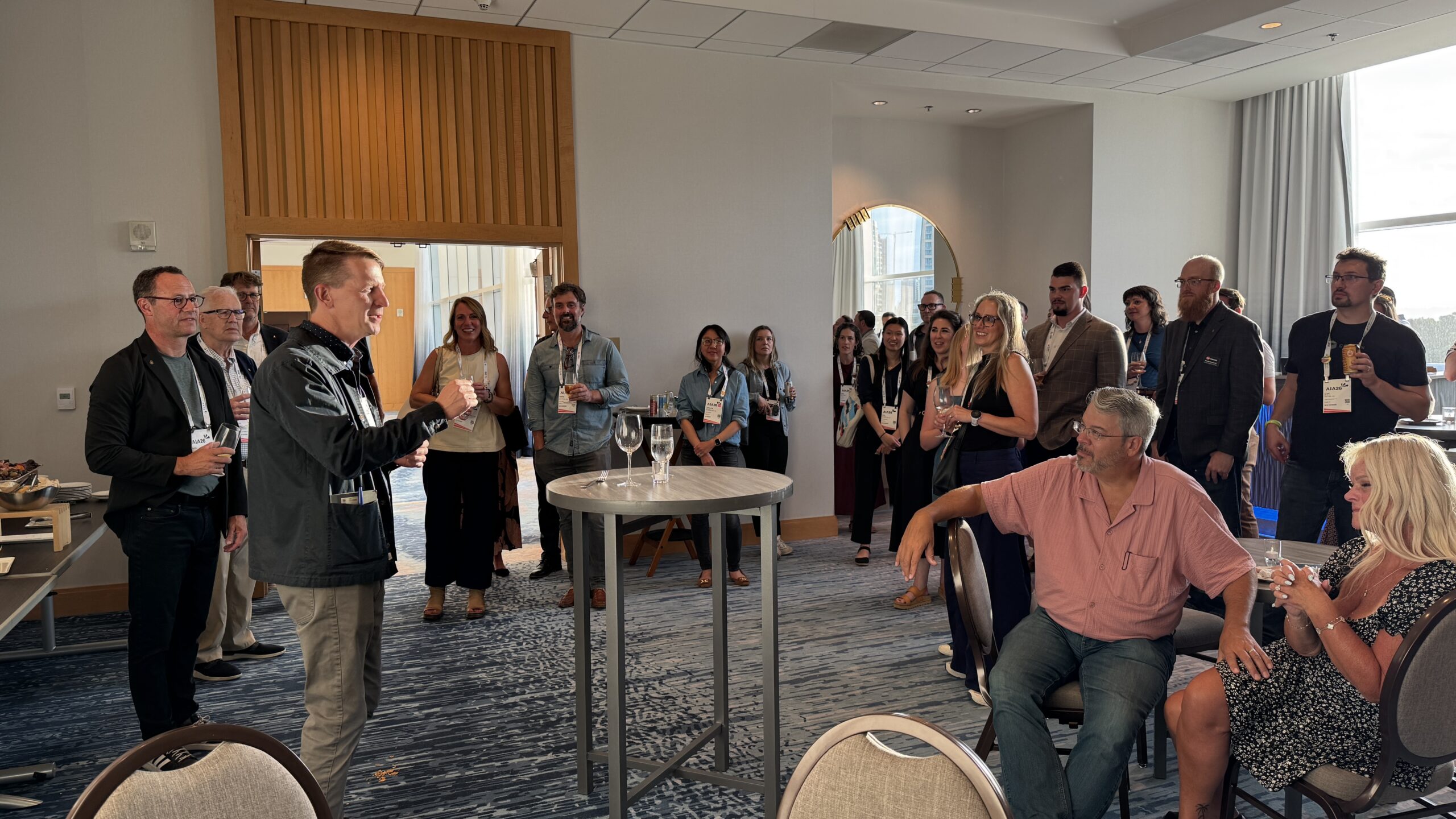
Architects from Colorado joined thousands of colleagues from across the country in San Diego for AIA26. From inspiring keynote presentations and educational sessions to project tours, networking events such as Colorado Night, and unexpected moments of connection, the conference offered plenty to remember. We asked attendees to share their favorite AIA26 experiences and photos from the week. Read their reflections and see highlights from the conference here.
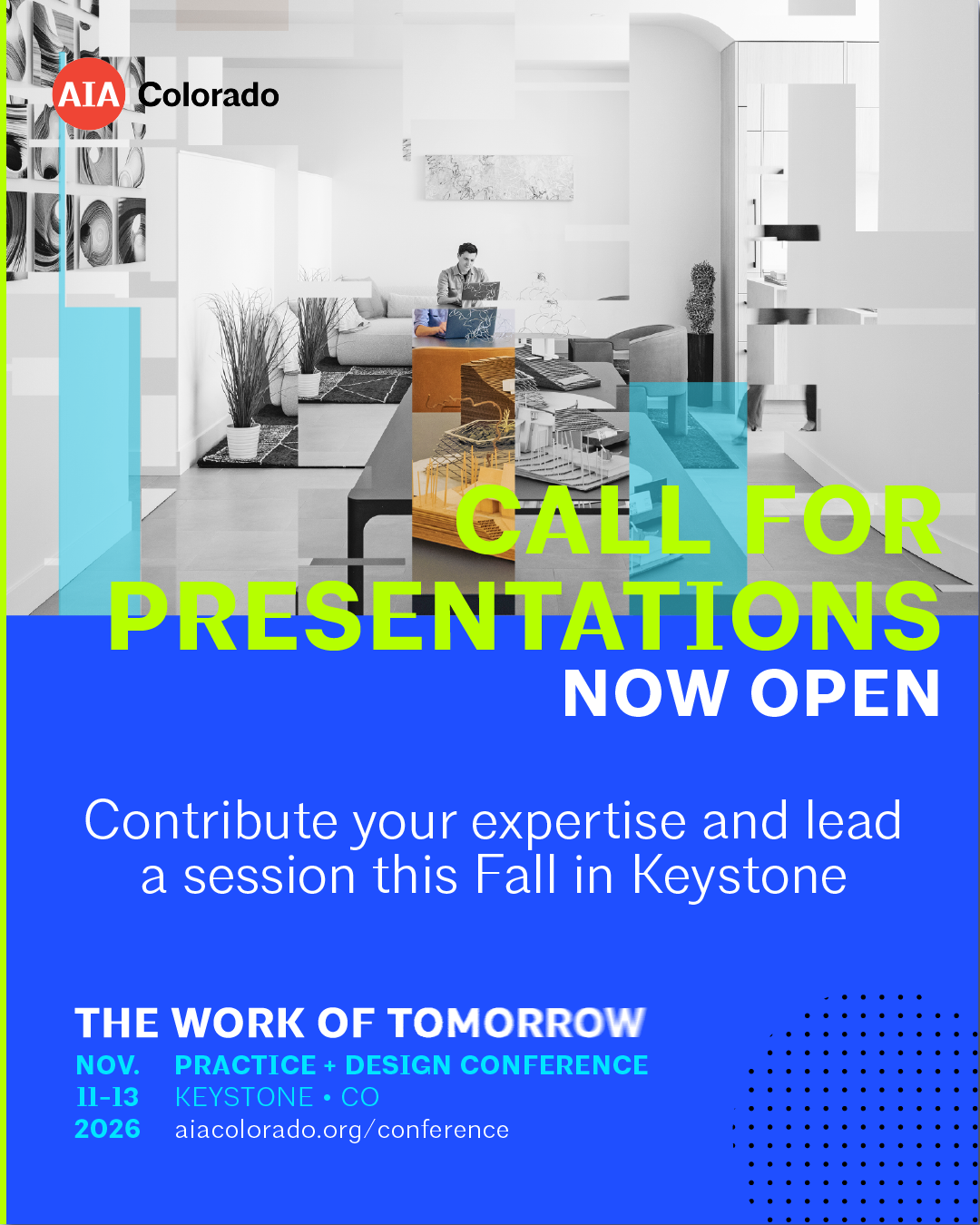
2026 Practice + Design Conference: Call for Presentations is open!
Contribute your expertise and lead a session this Fall in Keystone! Apply to present at this year’s conference by Friday, July 31, 2026, at Noon.
Submit your presentation here.
Colorado ByDESIGN™
The second episode airs this Saturday afternoon on CBS Colorado (KCNC TV Channel 4 Denver) and CBS News Streaming Colorado, featuring the Pikes Peak Visitor Center by RTA Architects, the Foothills Gold Course Clubhouse by JNS Architecture + Interior Design, and Sopher Sparn’s The Great Dharma Chan Monastery. Watch the episode before it airs here.
CRAN VR EVENT |
CRAN VR EVENT |
AIA Colorado’s CRAN hosted an event last week at Rowland+Broughton’s Denver office exploring opportunities to leverage VR for design, review, and client presentation for custom residential projects.
EP-YA Denver |
EP-YA Colorado Springs |
Recently, the Emerging Professional/Young Architect (EP/YA) Leadership Councilorganized happy hours in Denver and Colorado Springs where over one hundred young professionals were able to connect.
AIA COLORADO’S
EVENTS
June 18 • Pancratia Hall Lofts tour
Thursday, June 18th, at 4pm, join members for a tour of Pancratia Hall Lofts, an adaptive reuse of a 1930 National Register historic landmark on the campus of Colorado Heights University. Blending historic preservation, this Influence Award Winner at the 2026 ULI Colorado Impact Awards creates unique apartments in an historic chapel, gymnasium and chemistry labs, restoring stained glass, terrazzo floors and vaulted spaces. Replacing historic windows with compatible, energy efficient, operable windows, with free EV charging stations, electric demand-management system, modern all-electric HVAC systems, the building is 100% powered by off-site community solar, setting a new standard for sustainable, equitable housing. Tour approved for 1.5 LU|HSW. More info and RSVP here.
June 23 • Equity in Practice Series: Career Advancement, Community Engagement, and Measuring Progress
Tuesday June 23rd, at Noon, join members and the Justice, Equity, Diversity, and Inclusion (J.E.D.I.) committee as we journey through Chapters 7-9 of the AIA Guides for Equitable Practice, which ask heavy questions: Are we growing equitably? Are we engaging communities meaningfully? And how do we know if we’re actually making progress . . . or just making more spreadsheets? Session to be submitted for 1 LU. More info and RSVP here.
June 23 • CKLDP Alumni Meetup at the Rockies
Tuesday, June 23rd, at 6:30pm, join fellow alumni of the Christopher Kelly Leadership Development Program (CKLDP) for a fun evening at Coors Field as the Rockies take on the Boston Red Sox. Reconnect with familiar faces, meet members from other CKLDP classes, and continue building the network that makes this program so valuable. More info and RSVP here.
June 24 • West Virtual Connect: Legislative Update
Wednesday, June 24th, at Noon, join members in the West for a time to gather virtually. This session will recap key legislation from the recent session and explore how new laws may impact licensure, practice, liability, housing, and the built environment. AIA Colorado’s advocacy team will provide context and answer your questions, with a focus on implications for architects practicing in Western Colorado. More info and RSVP here.
July 2 • Goatbarn Lane Tour
Thursday, July 2nd, meeting at 3:45pm, join North members for a tour of Goatbarn Lane, a AIA Colorado 2022 Design Award of Excellence Award recipient, 2022 American Institute of Architects National Small Project + Housing Award, and 2022 Residential Design Architecture Award. Designed by Renée del Gaudio, for her father, the home reflects a philosophy of living with less, prioritizing simplicity, durability, and a strong connection to the natural environment. Tour submitted for 1 LU|HSW and limited to 15 AIA members, learn more and RSVP here.
July 14 • Academy of Architecture for Heath (AAH) National Update
Tuesday, July 14th, at Noon, virtually join the 2026 Academy of Architecture for Health (AAH) Knowledge Community for an update on national initiatives, local activities, and opportunities to get involved in shaping the future of healthcare design. Special guest Pierce McVey, AIA, LEED AP, 2026 AAH National President, will provide an overview of AAH’s organizational structure, strategic priorities, and key initiatives for the year ahead. More info and RSVP here.
July 22 • Designing Within the Limits: Water Innovation & the Future of Resilient Development in Colorado
Wednesday, July 22nd, at Noon, join AIA Colorado’s Committee on the Environment (COTE) on examining how water scarcity is shaping the future of development in Colorado and explores strategies for creating more resilient, water-conscious communities. Participants will learn about innovative water management approaches, emerging technologies, and integrated planning solutions that support public health, safety, and welfare through sustainable resource stewardship and resilient infrastructure design. Session to be submitted for 1 LU|HSW. More info and RSVP here.
July 29 • Where Community Happens: A Tour of Highlands Ranch Senior Center
Wednesday, July 29th, at 5pm, join members for a tour of Highlands Senior Center, a vibrant community hub designed to support wellness, accessibility, and social connection for aging adults. Tour will be led by architects from OZ Architecture and will examine how flexible programming, intuitive circulation, natural light, and community-driven aesthetics contribute to environments that enhance health, safety, and welfare for older adults. Tour has been submitted for 1 LU|HSW. More info and RSVP here.
MEMBER
NEWS
Camp Meeker, by Renée del Gaudio Architecture, was recently awarded an AIA Small Project Award. Congratulations!
Robert Ivy, FAIA, former chief editor of Architectural Record, has recently published Out There: New Architecture Across America profiling 50 US practices, including Colorado’s Renée del Gaudio Architecture, Dynia Architects, and BOSS.architecture. Out There is a critical survey of 50 architectural firms working across America’s regional cities and small towns. These practitioners operate at every scale and with all building types, weaving a rich architectural tapestry that reflects the breadth and diversity of the American landscape. Learn more about the book at the publishers’ website.
COMMUNITY
NEWS
City of Colorado Springs seeking architect to serve on Fire Board of Appeals
The Fire Board of Appeals is established to hear and decide appeals of orders, decisions or determinations made by the fire code official or his/her designee relative to the application and interpretation of the currently adopted International Fire Code. Applications are due this Friday, June 19th. Apply here.
Help CAP evaluate the need for internships and entry-level opportunities
The College of Architecture and Planning (CAP) at the University of Colorado Denveris collecting information about your current and ongoing hiring needs – even if your current needs are “we aren’t hiring right now.” One response per organization is requested. Please take the 5-minute survey here.
2026 Jason Pettigrew Leadership Scholarship: Call for Entries
The Jason Pettigrew Leadership Scholarship honors the legacy of Jason Pettigrew, Assoc. AIA, whose passion, leadership, and commitment to emerging professionals left a lasting impact on the Western Mountain Region. Established in 2004 following his passing, the scholarship supports Associate AIA members who demonstrate leadership potential and a commitment to service within the profession. Recipients receive funding to attend both the AIA Leadership Summit in Washington, D.C., and the AIA College of Fellows Western Mountain Region Conference, providing valuable opportunities for leadership development, networking, and engagement with the Institute. Applications are open to Associate AIA members in the Western Mountain Region states, with submissions evaluated on demonstrated leadership, AIA involvement, and future commitment to the profession. More information can be found here and applications can be started here. Application deadline is Monday, August 10th.
Opportunity to Serve on Denver’s Lower Downtown Design Review Commission
AIA Colorado is seeking interested members for nomination to a vacancy on Denver’s Lower Downtown Design Review Commission (LDDRC). This mayor-appointed volunteer commission reviews exterior alterations, additions, signage, and new construction projects within the Lower Downtown Historic District and plays an important role in preserving one of Denver’s most significant historic neighborhoods.
The current vacancy must be filled by the owner or operator of a business located within the Lower Downtown Historic District. Commissioners meet on the first Thursday of each month at 8:30 a.m. and serve three-year terms. Candidates should have an interest in historic preservation, architecture, urban design, or related fields. A job description can be found here.
If you are interested in being considered for nomination by AIA Colorado, please contact Nikolaus Remus, AIA, by June 22.
CAREER CORNER
JOB BOARD UPDATES
AIA Colorado Job Board
Looking for your next career move? Explore fresh job listings updated daily. Hiring? Showcase your open position for 30 days and connect with top-tier talent.
Featured listings:
NEWA FROM
AIA NATIONAL
AIA Awards 2026 Winners Announced in 10 Project Categories
The AIA Awards Gala brought together distinguished architects, industry professionals, and supporters to honor outstanding achievements in the 10 award categories announced during the gala, including the Architecture Award, COTE Top Ten Award, Education Facility Design Award, Healthcare Design Award, Housing Award, Interior Architecture Award, Justice Facility Award, Regional & Urban Design Award, Small Project Award, and the Twenty-Five Year Award. Learn about the recipients here.
AIA COLORADO’S
PREMIER PARTNER SPOTLIGHT
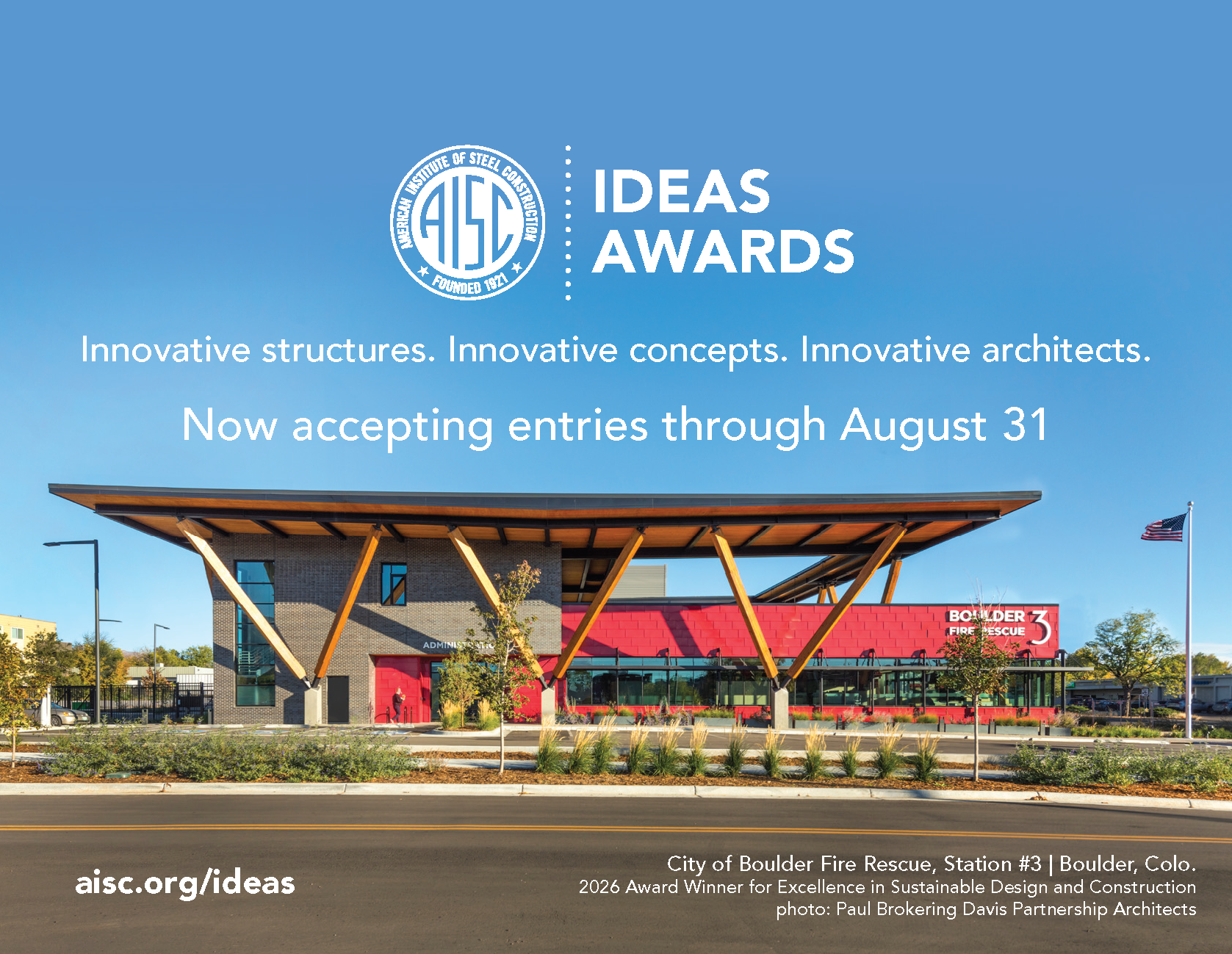
Every year, AIA Colorado’s Premier Partner, American Institute of Steel Construction (AISC) presents the IDEAS Awards to projects that illustrate the possibilities of structural steel design and construction.
AISC looking for projects that showcase the innovative use of structural steel in:
- Adaptive reuse
- Architecture
- Constructability
- Engineering
- Sustainable design and construction
You could even get recognition for your project before breaking ground! The IDEAS|next Award is your opportunity to showcase ingenious sparks, unconventional concepts, and potential technical breakthroughs that are still “on the boards” and may redefine what steel can achieve next.
AISC invites submissions that highlight innovative concepts pushing the boundaries of steel’s versatility, specific components or systems that represent pioneering uses of steel, and digital and material evolution that set a new sustainable and technological precedent in the AEC industry.
Learn more and start your submission here.
AIA COLORADO’S
ALLIED MEMBERS
Find the Right Expertise
Our Allied Members bring depth and diversity to Colorado’s design and construction community. These experienced professionals offer specialized knowledge that complements architectural practice and elevates project outcomes statewide.
Helpful Links:
AIA Colorado Firm Directory
- Add your firm to the directory here.
Save the Dates:
- 2026 Awards Celebration:
- Mile High Station, Denver, CO
- Thursday, September 17
- 2026 Practice + Design Conference:
- Keystone Conference Center, Keystone, CO
- November 11 – 13
Calls for Proposals:
- Design + Honor Awards
- Submission window closes June 26
- Conference Call for Presentations
- Submission window closes July 31
- Mile High Station, Denver, CO
- Thursday, September 17
2026 Practice + Design Conference
- Keystone Conference Center, Keystone, CO
- November 11 – 13
- Conference sponsorship information
- Expo Hall registration
Volunteer Opportunities:
Have news to share? If you or your firm have been featured in the media, published in a design outlet, received an award, or announced a major promotion, email AIA Colorado’s Communications Director Jon Bell.
Colorado Voices from AIA26
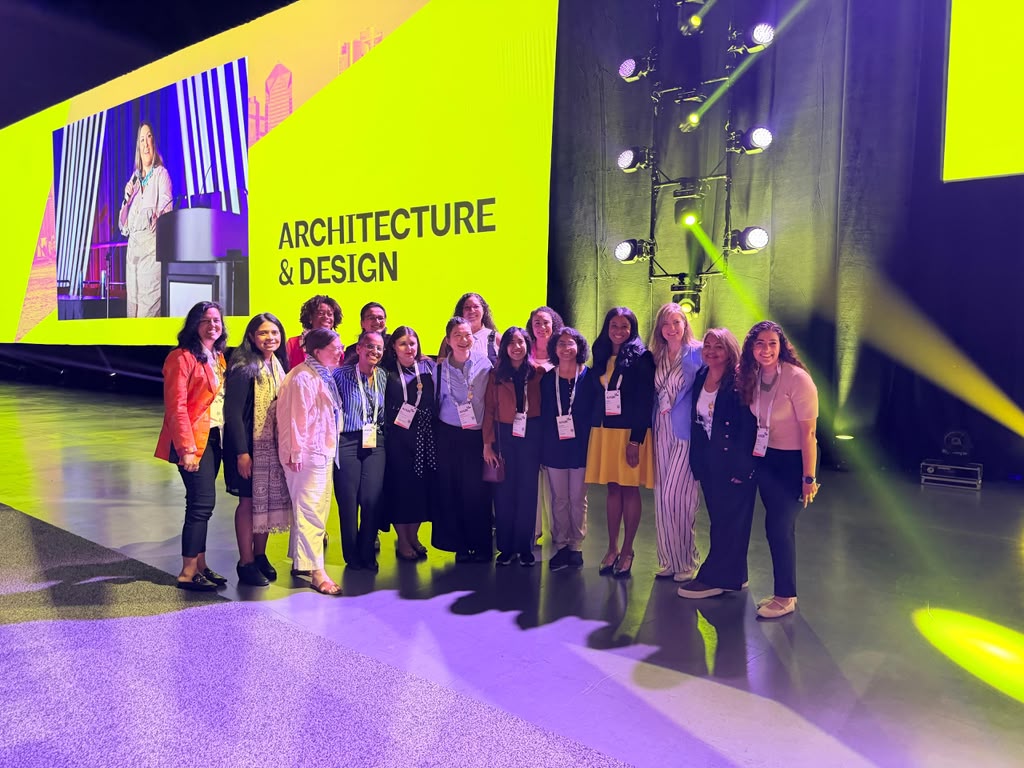
AIA26 brought the architecture profession together in San Diego for four days of learning, inspiration, and connection. Colorado architects were well represented throughout the conference, participating in educational sessions, exploring project tours, engaging with industry partners, reconnecting with colleagues, and building new relationships from across the country.
Following the conference, we invited attendees to share their favorite moments from the week. The responses reflect the wide range of experiences that make the AIA Conference on Architecture & Design such a valuable event, from thought-provoking keynote speakers and memorable project tours to meaningful conversations and chance encounters.
Colorado Night |
Colorado Night |
Colorado Night
One of the highlights of AIA26 was Colorado Night, where AIA Colorado members and University of Colorado alumni gathered to reconnect, share conference experiences, and celebrate Colorado’s strong architectural community. The event brought together architects from across generations, firms, and practice areas for an evening of conversation and camaraderie. Whether attendees were longtime conference veterans or experiencing their first AIA Conference on Architecture & Design, Colorado Night provided an opportunity to strengthen connections and create new ones while representing Colorado in San Diego.
Sonya Shah, AIA |
Sonya Shah, AIA |
Sonya Shah, AIA, AIA Colorado Denver Director
AIA ’26 in San Diego was such a meaningful reminder of why this profession matters.
As part of the AIA Next to Lead Cohort, I had the opportunity to spend a few days surrounded by incredible leaders, thinkers, and changemakers from across the country. I left feeling inspired, challenged, and deeply grateful — not only for the new connections made, but for the continued reconnections with amazing humans who make this profession feel more grounded and connected.
The keynotes and sessions were powerful reminders that architecture is not just about the work we produce, but about the purpose, intention, and responsibility we bring to it.
I am especially grateful for the support of AIA Colorado in this journey. Having a strong local community behind me while engaging in national conversations reinforced how important it is to show up, stay connected, and continue doing the work together.
Seeing architects come together with shared commitment, curiosity, and care was energizing. Even when the work feels complex, heavy, or uncertain, AIA ’26 reminded me that we are not doing it alone.
We are in this together — and we are stronger because of it.
Kaylyn Kirby, AIA |
Kaylyn Kirby, AIA |
Kaylyn Kirby, AIA, Young Architects Forum Strategy Director
I’m back in Denver following my second AIA National Conference — it was a whirl wind of a week attending sessions, meeting friends old and new, and leading my first session to close out the conference. Again, I am reminded that the power of the AIA lies in its people and the relationships you create.
I enjoyed seeing colleagues from Colorado, my fellow UMN alum, and the many Young Architects Forum representatives both past and present. Highlights included the Speed Mentoring session at the Next Gen Lounge, celebrating this year’s Award winners, and welcoming the newest national board members. Hope to see you at AIA27!
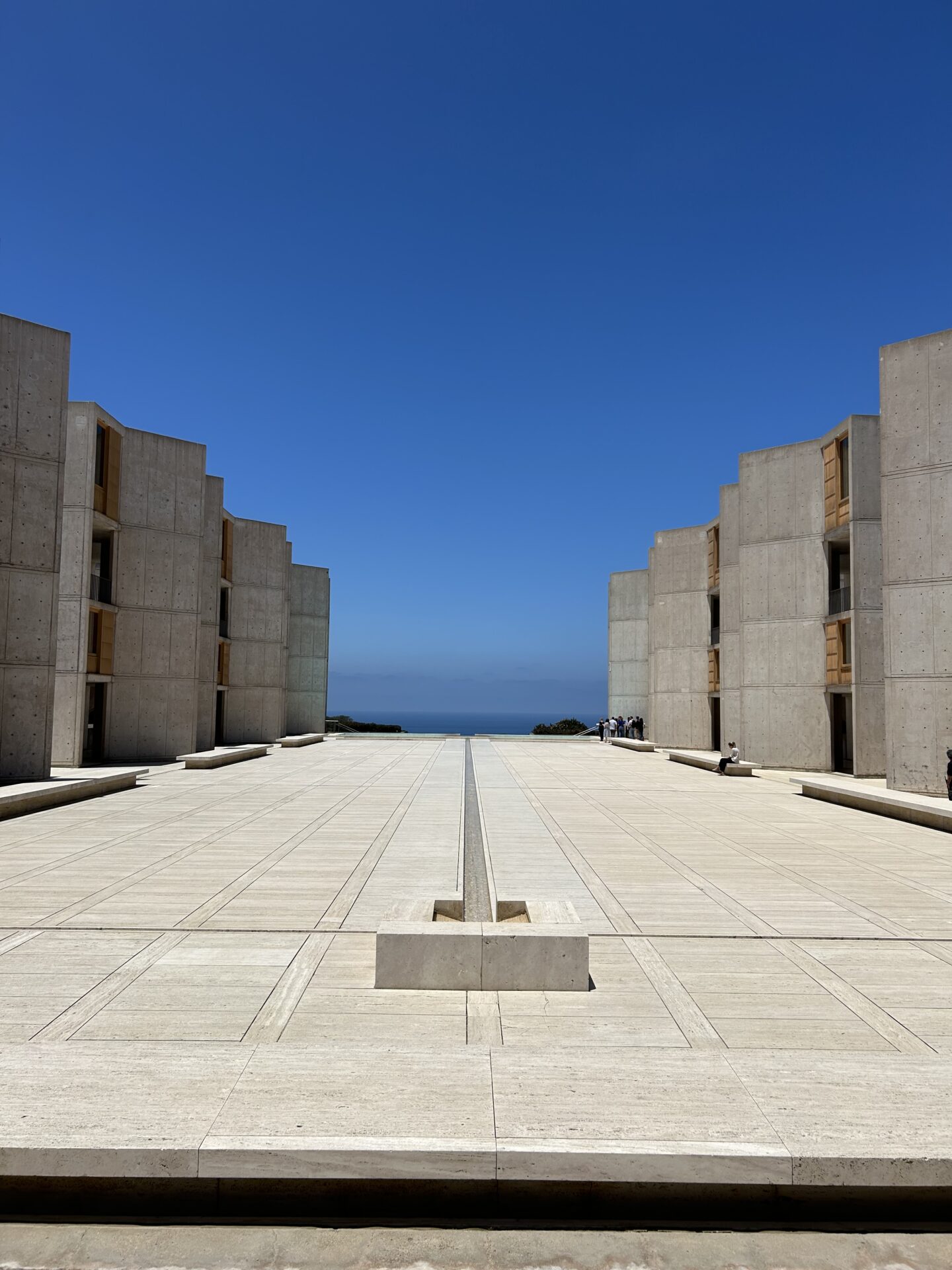
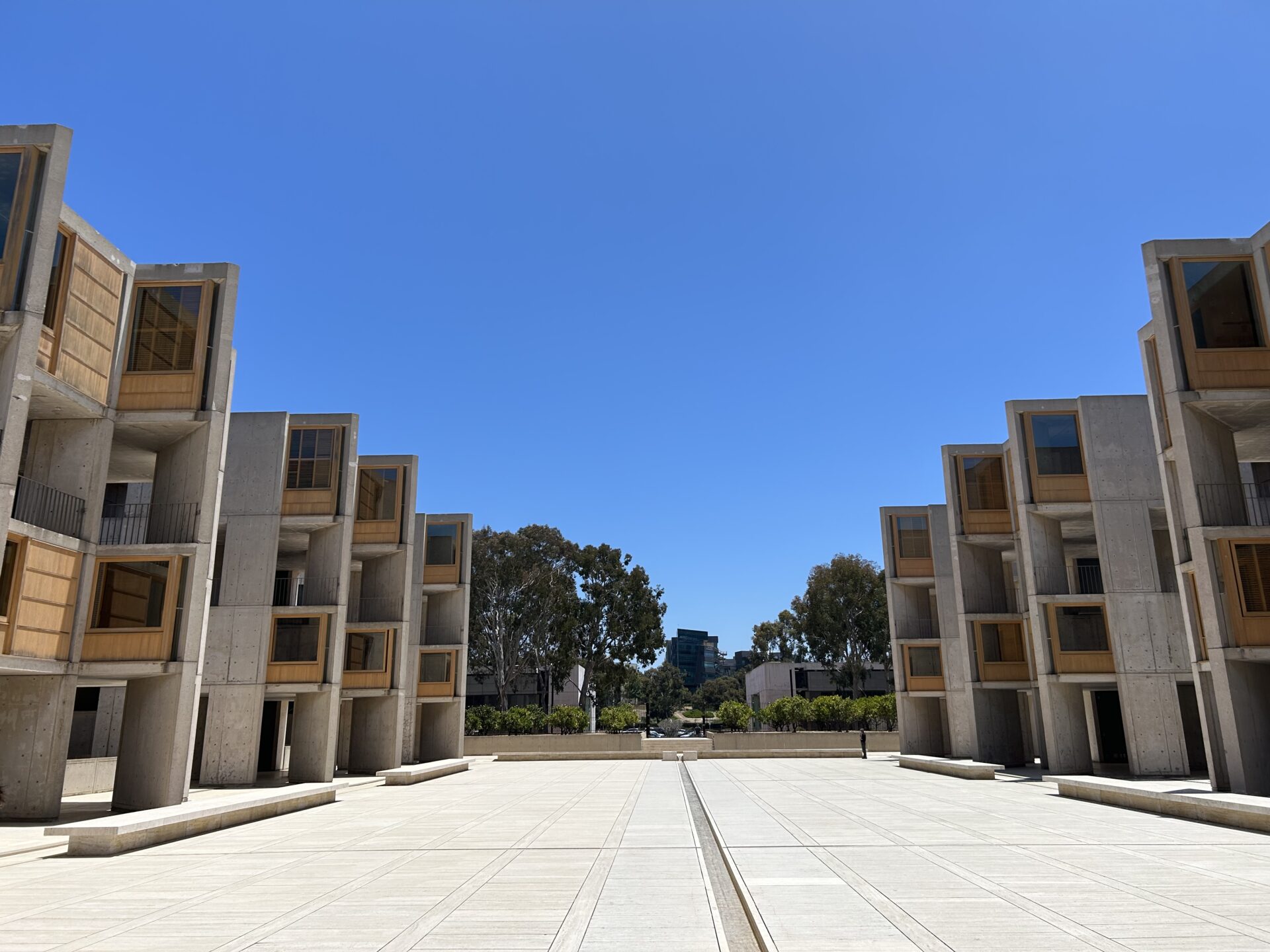
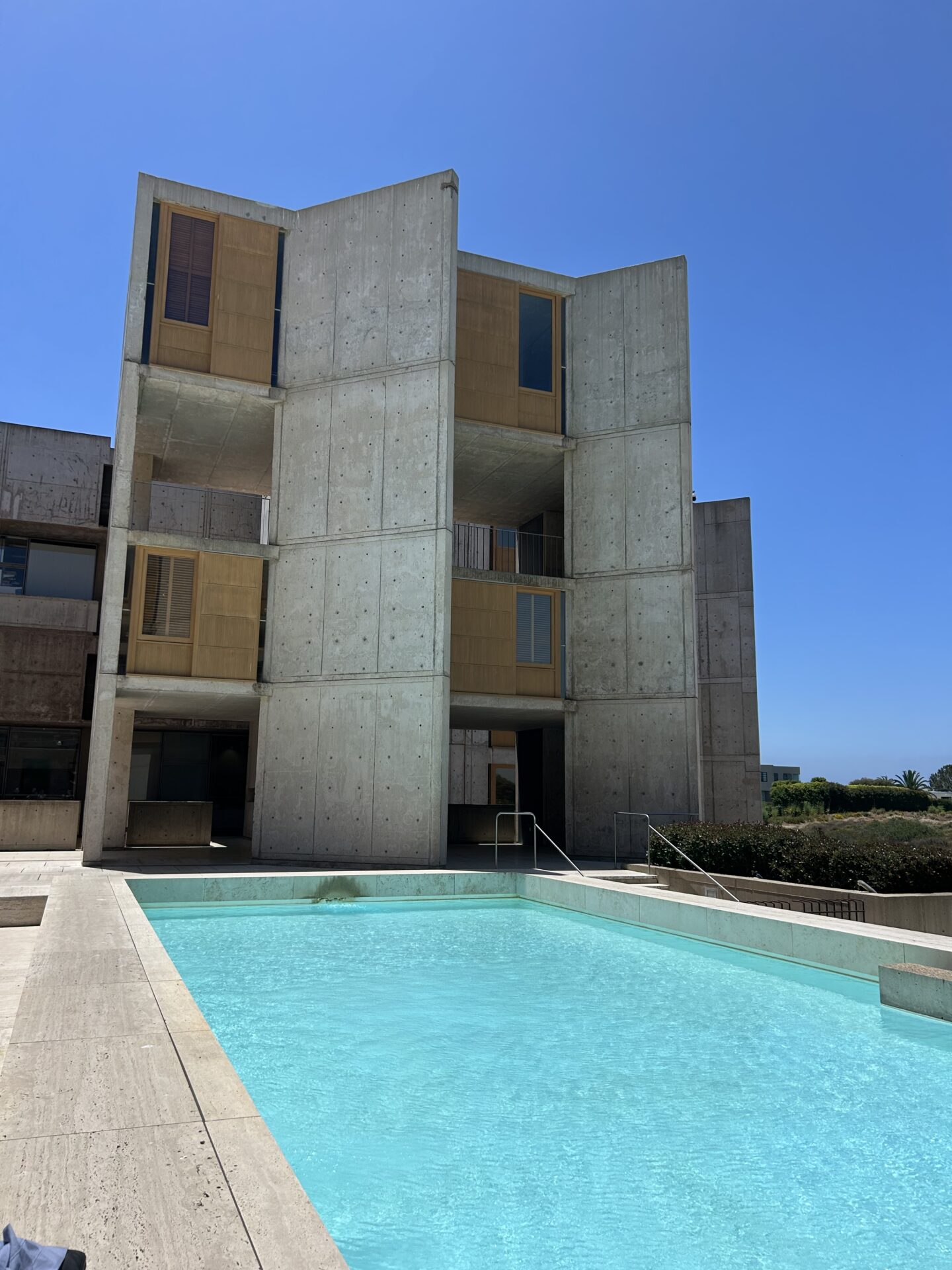
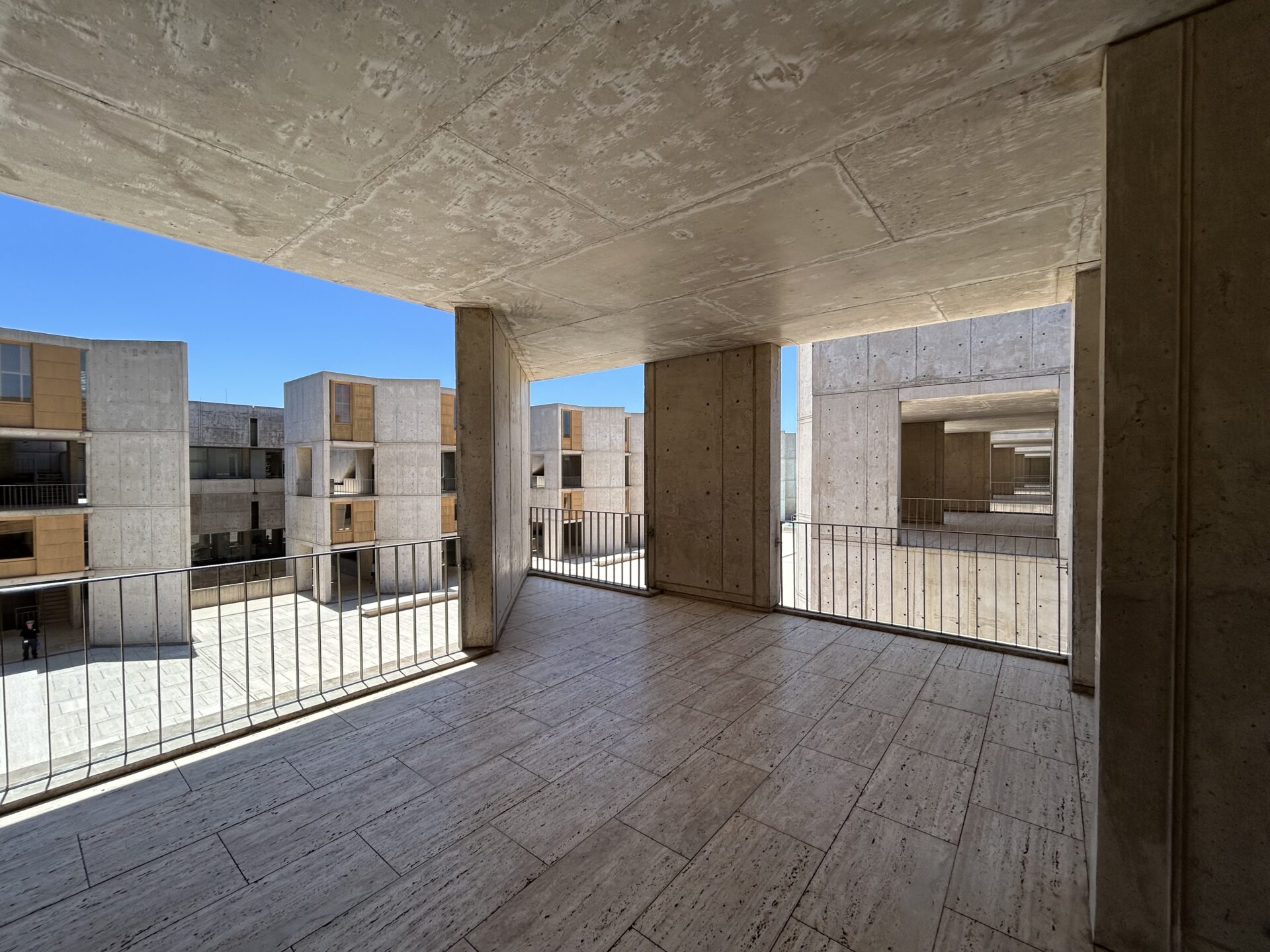
Justin McCarthy, AIA, NCARB
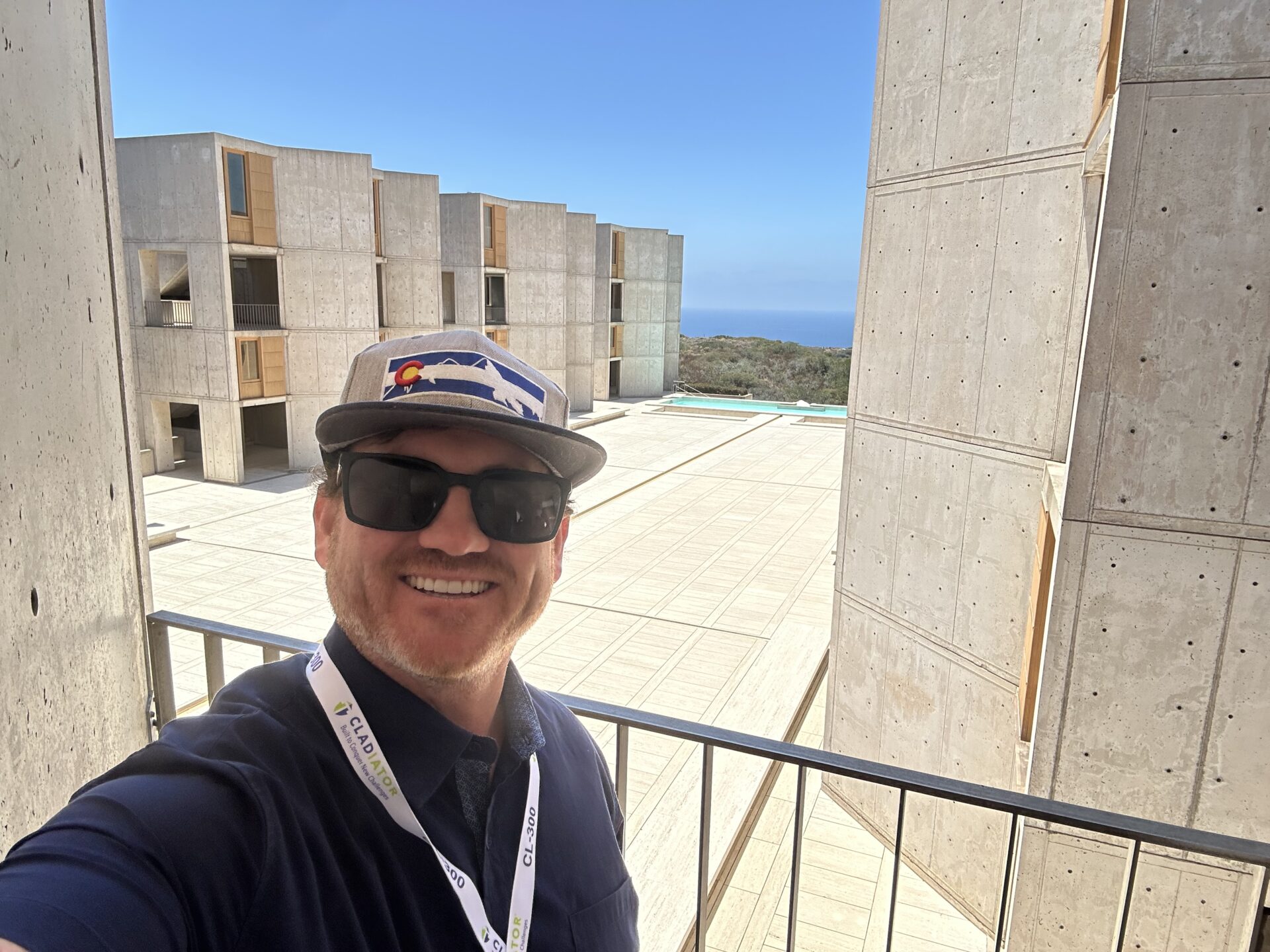
The Salk Institute has long been on my architectural bucket list and is consistently ranked among the world’s greatest works of architecture. The building and tour were incredibly inspiring. Standing in the courtyard between the mirrored sawtooth study towers and laboratory buildings, with views extending toward the Pacific Ocean, was one of those architectural experiences that will stay with me for a lifetime.
We also learned about the relationship between Louis Kahn and Jonas Salk. Kahn described Salk as one of the best clients—and friendships—of his career, a connection that helped shape one of the most remarkable buildings of the 20th century.
Marisol Gallagher, AIA, Dana Ellis, AIA |
AIA SF(x) |
Marisol Gallagher, AIA, AIA Small Firm Exchange (SFx) Executive Committee
Dana and I first worked together in 2020 and reconnected through AIA’s Business Academy, which began at last year’s conference in Boston. Through my involvement with AIA and the relationships it helped foster, I was introduced to the AIA Small Firm Exchange (SFx), where I now serve on the Executive Committee as the sustainability lead, succeeding Nathan Kipnis.
One of the most valuable aspects of AIA involvement has been seeing how connections made locally can open doors nationally. Through SFx, I’ve built relationships with small firm leaders across the country who are sharing ideas, advocating for the profession, and helping shape resources for architects nationwide.
Dania Morelli
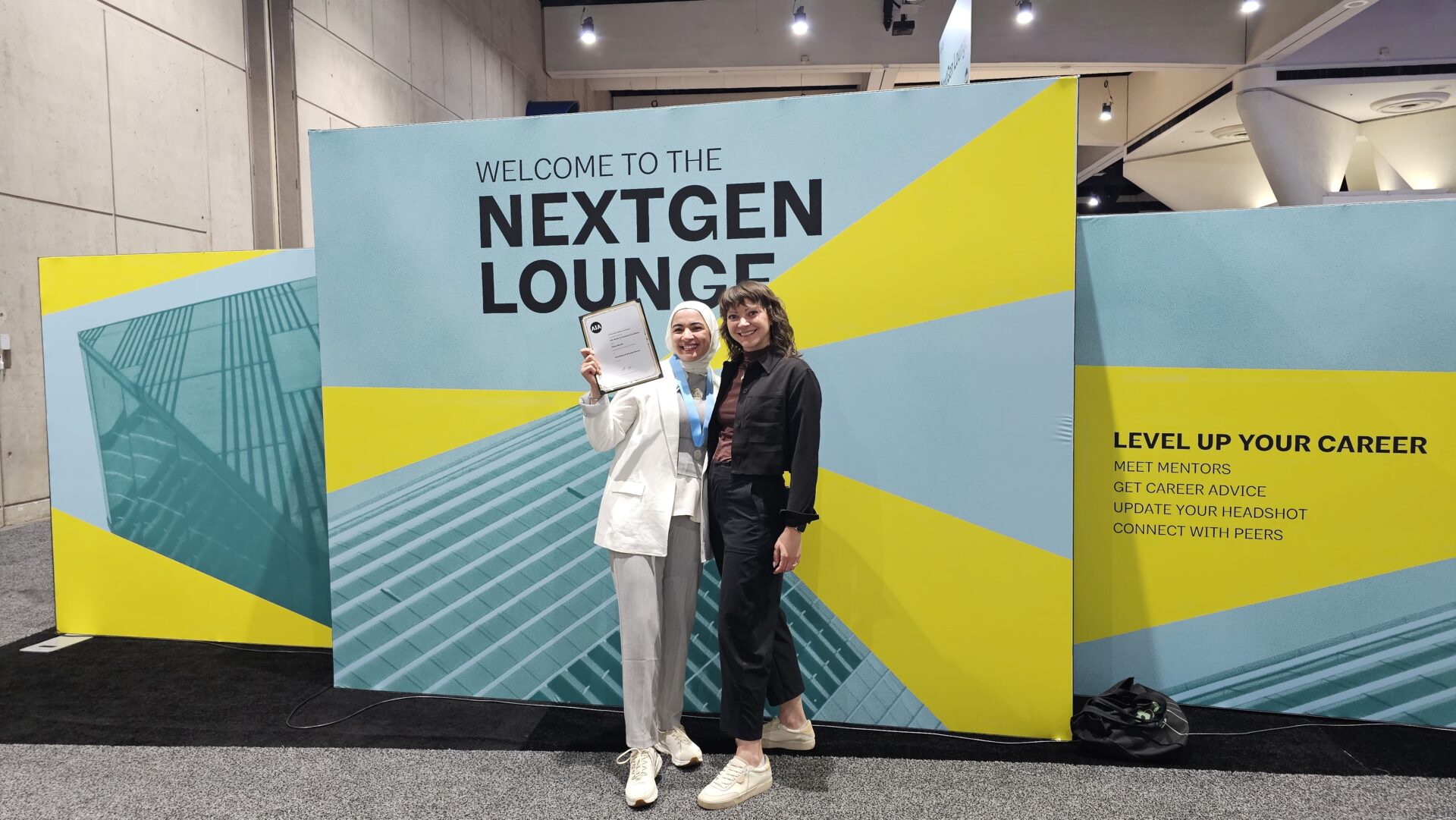
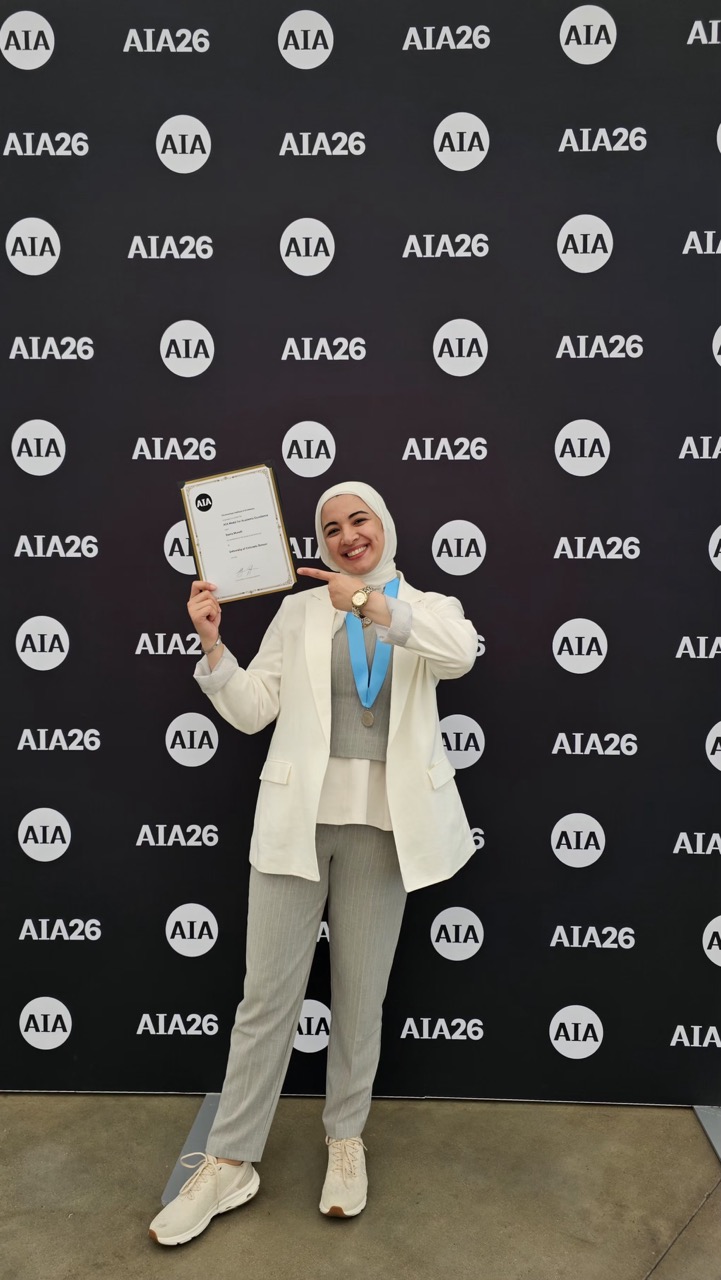
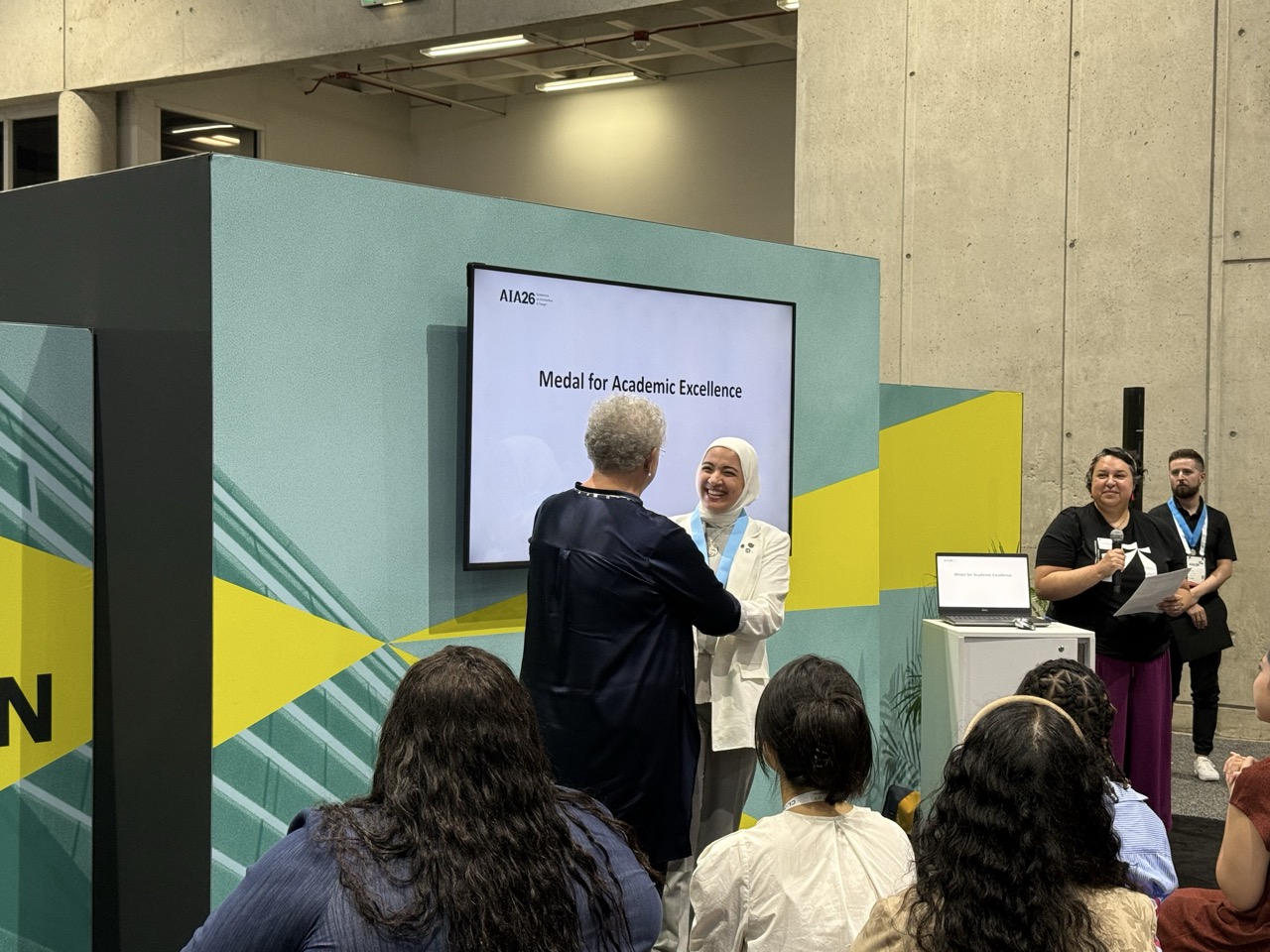
One of the most meaningful moments of AIA26 was receiving the AIA Medal for Academic Excellence as I completed my Master of Architecture degree. It was a humbling milestone that reflected years of dedication, growth, and support from mentors, peers, and family.
Equally inspiring was the opportunity to connect with architects from across the country and witness the passion, innovation, and generosity that define our profession. AIA26 reinforced my belief that architecture is not only about designing places, but also about building connections, sharing knowledge, and shaping a better future together.
I left San Diego feeling honored, grateful, and energized as I begin the next chapter of my architectural career.
Nikolaus Remus, AIA_4 |
Nikolaus Remus, AIA_2 |
Nikolaus Remus, AIA, CAE, AIA Colorado’s Advocacy Engagement Director
My first workshop was Talking Risk & Resilience with Clients: From Concept to Commitment. We presented three different client scenarios to explore different attitudes towards resilient design, including an uninterested developer, an over-enthusiastic school superintendent, and a client who would just defer every decision to the architect. After a brief skit on how these conversations might go, our audience broke out into small groups to strategize and compare experiences.
My second workshop was Winning Together: How Architects Help Communities Build Resilience. We explored how different disaster types require different ways of architect thinking and participation to be effective in prevention and response efforts. Small groups were given disaster scenarios to discuss with periodic twists (positive and negative) as they figured out how best to respond, including compounding disasters, political factors, and community partnerships (or lack thereof). Groups reported out and compared notes then we presented case studies and resources that AIA members have previously been involved with.
Colorado Architecture News | 06.03.26
News from the Colorado Chapter of The American Institute of Architects
06.03.26
In this Newsletter:
- Design + Honor Awards: submission window closes June 26th
- Equity in Practice: Session 2 event recap
- Conference Call for Presentations submission window open
- Colorado ByDesign premieres June 13th
- June 3 • EP/YA South Section happy hour
- June 4 • EP/YA Denver Section happy hour
- June 11 • CRAN VR Workshop and happy hour
- June 11 • Colorado Night at AIA26
- June 16 • Business of Architecture: People Management
- June 17 • Marketing for Architects: From Project to Publication
- June 18 • Pancratia Hall Lofts tour
- June 23 • Equity in Practice Series: Career Advancement, Community Engagement, and Measuring Progress
- June 23 • CKLDP Alumni Meetup at the Rockies
- June 24 • West Virtual Connect: Legislative Update
- June 26 • Boulder Western City Campus tour
- July 2 • Goatbarn Lane tour
- Premier Partner spotlight: IDEAS Awards by the American Institute of Steel Construction (AISC)
AIA COLORADO’S
NEWS
2026 Design + Honor Awards
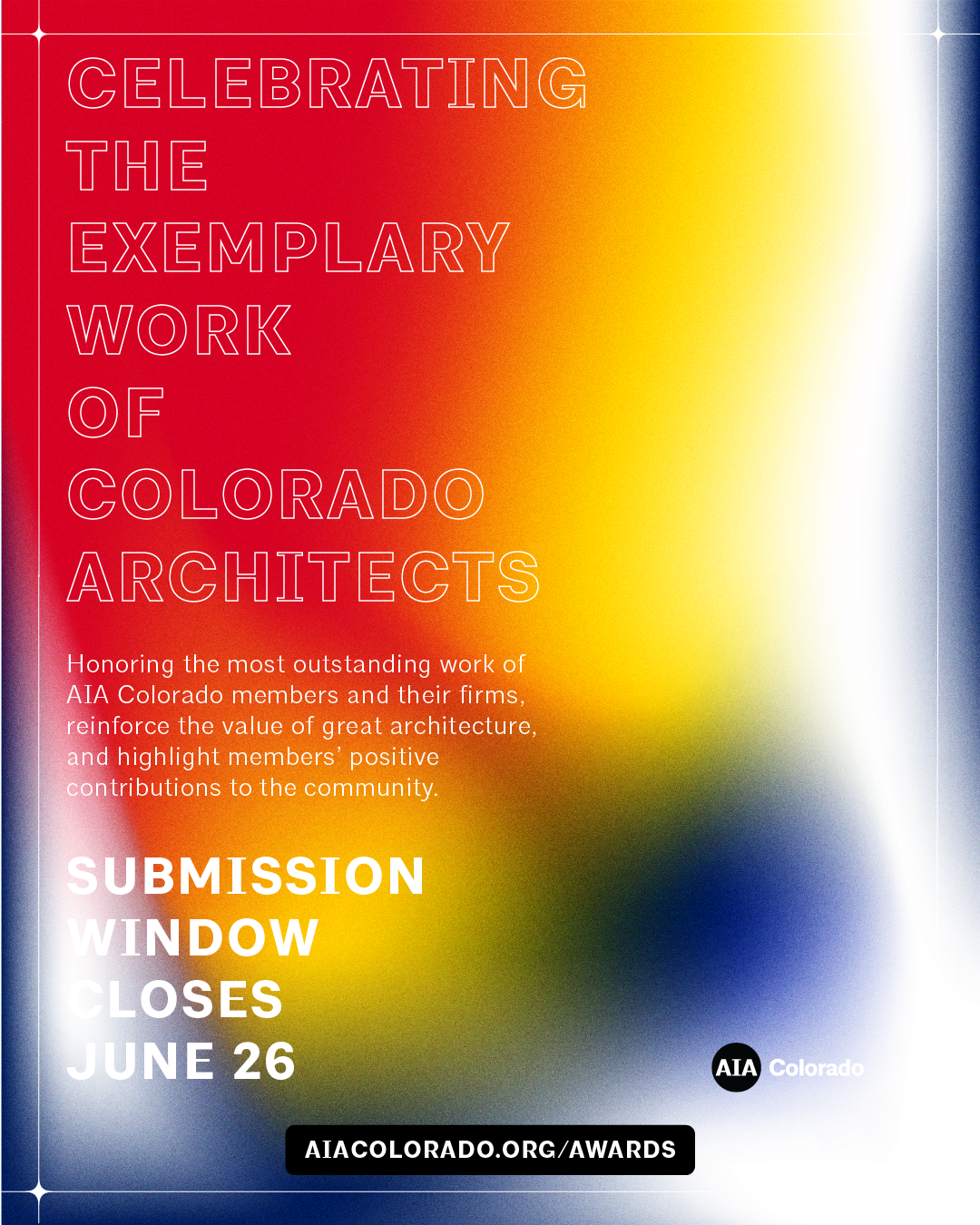
June 26 will be here before you know it! Many of our most successful submitters will tell you the same thing: don’t wait until the final week. Starting your submission now allows time to assemble materials, revisit your narrative, and put your best work forward.
View Design Awards submission instructions here. View Honor Awards submission instructions here.
Submission window closes Friday, June 26th, at Noon. Start your submission here.
Equity in Practice: Session 2 event recap
What role do recruitment practices, salary negotiations, and mentorship programs play in creating a more equitable profession? In the second installment of AIA Colorado’s Equity in Practice Series, members explored Chapters 4–6 of the AIA Guides for Equitable Practice, examining how hiring, career advancement, and professional relationships shape workplace culture and long-term success. Through thoughtful discussion and real-world examples, participants identified practical strategies for improving retention, fostering transparent negotiations, and building mentorship and sponsorship networks that support career growth.
Read the full recap for key takeaways, memorable quotes, and actionable ideas that can help strengthen your firm and the profession.
2026 Practice + Design Conference: Call for Presentations is open!
Contribute your expertise and lead a session this Fall in Keystone! Apply to present at this year’s conference by Friday, July 31, 2026, at Noon.
Submit your presentation here.
Colorado ByDesign Premiere
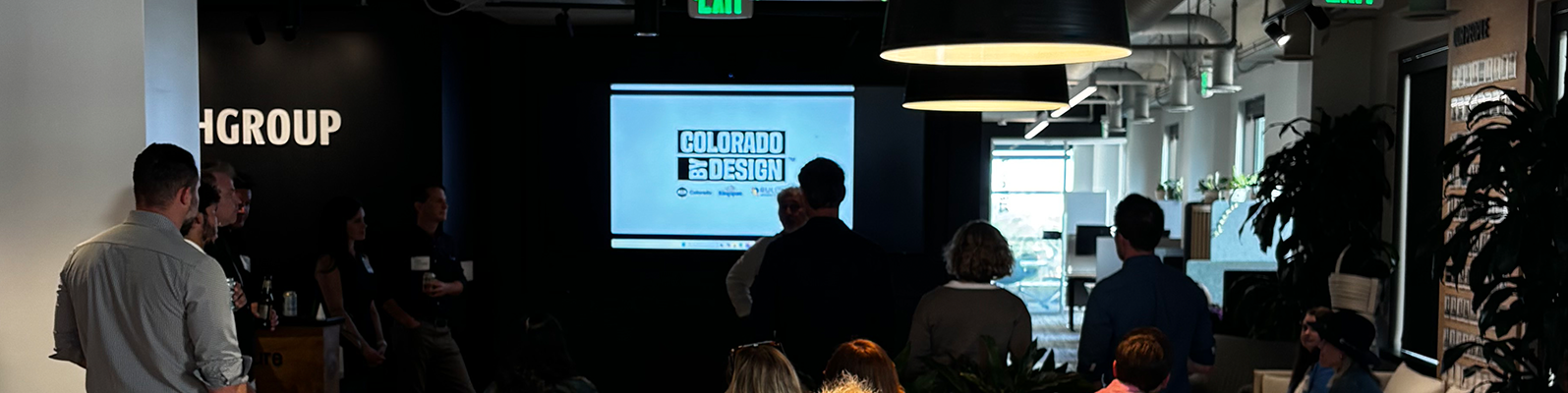
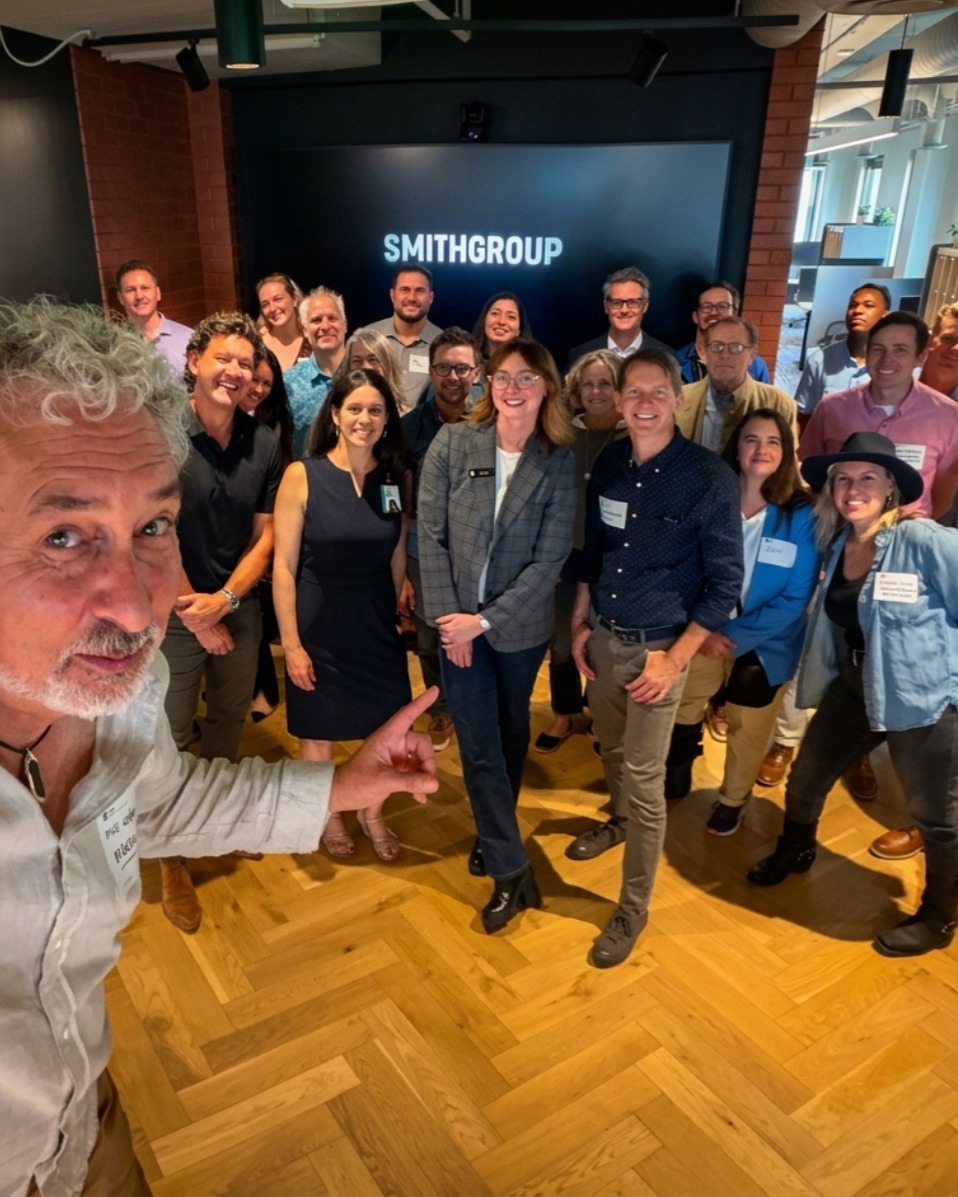
Yesterday, hosted by SmithGroup, members celebrated the launch of Colorado ByDesign, the newest regional edition of the internationally recognized ByDesign television series. The series will officially premiere on CBS Colorado (KCNC TV Channel 4 Denver) and CBS News Streaming Colorado, beginning June 13th with a five-week local broadcast run, featuring projects and stories from AIA Colorado member architects whose work is shaping communities across the state.
More series info is available here. Be sure to tune in!
AIA COLORADO’S
EVENTS
June 3 • South Section EP/YA happy hour
Wednesday, June 3rd, at 4:30, at Phantom Canyon, in Colorado Springs, join AIA Colorado South members and the EP/YA Council for a happy hour designed to connect emerging professionals. RSVP here.
June 4 • Denver Section EP/YA happy hour
Thursday, June 4th, at 4pm, at Schoolyard Beer Garden, Join AIA Colorado Denver members and EP/YA Council for a happy hour and connect with other emerging professions. RSVP here.
June 11 • Colorado Night at AIA26
Thursday, June 11th, at 6pm, enjoy connecting with fellow AIA Colorado members and University of Colorado alumni during the AIA26! Light appetizers and drinks will be provided. RSVP here.
June 16 • Business of Architecture: People Management
Tuesday, June 16th, join AIA Colorado’s Business of Architecture Committee for a roundtable discussion regarding people management. This is a hybrid event, taking place in person and online. More info and RSVP here.
June 17 • Marketing for Architects: From Project to Publication
Wednesday, June 17th, at Noon, join members for a panel discussion with media and storytelling professionals to learn how architecture firms get published, what editors are actually looking for, and why some stories get picked up while others don’t. More info and RSVP here.
June 18 • Pancratia Hall Lofts tour
Thursday, June 18th, at 4pm, join members for a tour of Pancratia Hall Lofts, an adaptive reuse of a 1930 National Register historic landmark on the campus of Colorado Heights University. Blending historic preservation, this Influence Award Winner at the 2026 ULI Colorado Impact Awards creates unique apartments in an historic chapel, gymnasium and chemistry labs, restoring stained glass, terrazzo floors and vaulted spaces. Replacing historic windows with compatible, energy efficient, operable windows, with free EV charging stations, electric demand-management system, modern all-electric HVAC systems, the building is 100% powered by off-site community solar, setting a new standard for sustainable, equitable housing. Tour approved for 1.5 LU|HSW. More info and RSVP here.
June 23 • Equity in Practice Series: Career Advancement, Community Engagement, and Measuring Progress
Tuesday June 23rd, at Noon, join members and the Justice, Equity, Diversity, and Inclusion (J.E.D.I.) committee as we journey through Chapters 7-9 of the AIA Guides for Equitable Practice, which ask heavy questions: Are we growing equitably? Are we engaging communities meaningfully? And how do we know if we’re actually making progress . . . or just making more spreadsheets? Session to be submitted for 1 LU. More info and RSVP here.
June 23 • CKLDP Alumni Meetup at the Rockies
Tuesday, June 23rd, at 6:30pm, join fellow alumni of the Christopher Kelly Leadership Development Program (CKLDP) for a fun evening at Coors Field as the Rockies take on the Boston Red Sox. Reconnect with familiar faces, meet members from other CKLDP classes, and continue building the network that makes this program so valuable. More info and RSVP here.
June 24 • West Virtual Connect: Legislative Update
Wednesday, June 24th, at Noon, join members in the West for a time to gather virtually. This session will recap key legislation from the recent session and explore how new laws may impact licensure, practice, liability, housing, and the built environment. AIA Colorado’s advocacy team will provide context and answer your questions, with a focus on implications for architects practicing in Western Colorado. More info and RSVP here.
June 26 • Boulder Western City Campus tour
Friday, June 26th, at 3pm, join North members for a tour of the new Boulder Western City Campus project, a ground-up mass timber municipal facility currently under construction on the former Boulder Community Hospital site. This one-of-a-kind project is the first of its scale to incorporate Colorado lumber into CLT panels, with more than 40% of the CLT volume sourced from Colorado timber — including select panels made from 100% Colorado lumber. Tour to be submitted for 1.5 LU|HSW. More info and RSVP here.
July 2 • Goatbarn Lane Tour
Thursday, July 2nd, meeting at 3:45pm, join North members for a tour of Goatbarn Lane, a AIA Colorado 2022 Design Award of Excellence Award recipient, 2022 American Institute of Architects National Small Project + Housing Award, and 2022 Residential Design Architecture Award. Designed by Renée del Gaudio, for her father, the home reflects a philosophy of living with less, prioritizing simplicity, durability, and a strong connection to the natural environment. Tour submitted for 1 LU|HSW and limited to 15 AIA members, learn more and RSVP here.
COMMUNITY
NEWS
Opportunity to Serve on Denver’s Lower Downtown Design Review Commission
AIA Colorado is seeking interested members for nomination to a vacancy on Denver’s Lower Downtown Design Review Commission (LDDRC). This mayor-appointed volunteer commission reviews exterior alterations, additions, signage, and new construction projects within the Lower Downtown Historic District and plays an important role in preserving one of Denver’s most significant historic neighborhoods.
The current vacancy must be filled by the owner or operator of a business located within the Lower Downtown Historic District. Commissioners meet on the first Thursday of each month at 8:30 a.m. and serve three-year terms. Candidates should have an interest in historic preservation, architecture, urban design, or related fields. A job description can be found here.
If you are interested in being considered for nomination by AIA Colorado, please contact Nikolaus Remus, AIA, by June 22.
CAREER CORNER
JOB BOARD UPDATES
AIA Colorado Job Board
Looking for your next career move? Explore fresh job listings updated daily. Hiring? Showcase your open position for 30 days and connect with top-tier talent.
Featured listings:
NEWA FROM
AIA NATIONAL
Register for AIA26 today
Join us in San Diego, June 10–13! AIA26 delivers what architects need now: Fresh insights, powerful connections, and real solutions for a changing industry. Join us in San Diego to engage with the ideas, people, products, and experiences defining the next era of practice. Register here.
Thursday, June 11th, join us for Colorado Night and enjoy connecting with fellow AIA Colorado members and University of Colorado alumni during the AIA26. RSVP here.
AIA COLORADO’S
PREMIER PARTNER SPOTLIGHT
Every year, AIA Colorado’s Premier Partner, American Institute of Steel Construction (AISC) presents the IDEAS Awards to projects that illustrate the possibilities of structural steel design and construction.
AISC looking for projects that showcase the innovative use of structural steel in:
- Adaptive reuse
- Architecture
- Constructability
- Engineering
- Sustainable design and construction
You could even get recognition for your project before breaking ground! The IDEAS|next Award is your opportunity to showcase ingenious sparks, unconventional concepts, and potential technical breakthroughs that are still “on the boards” and may redefine what steel can achieve next.
AISC invites submissions that highlight innovative concepts pushing the boundaries of steel’s versatility, specific components or systems that represent pioneering uses of steel, and digital and material evolution that set a new sustainable and technological precedent in the AEC industry.
Learn more and start your submission here.
AIA COLORADO’S
ALLIED MEMBERS
Find the Right Expertise
Our Allied Members bring depth and diversity to Colorado’s design and construction community. These experienced professionals offer specialized knowledge that complements architectural practice and elevates project outcomes statewide.
Helpful Links:
AIA Colorado Firm Directory
- Add your firm to the directory here.
Save the Dates:
- 2026 Awards Celebration:
- Mile High Station, Denver, CO
- Thursday, September 17
- 2026 Practice + Design Conference:
- Keystone Conference Center, Keystone, CO
- November 11 – 13
Calls for Proposals:
- Design + Honor Awards
- Submission window closes June 26
- Conference Call for Presentations
- Submission window closes July 31
Volunteer Opportunities:
Have news to share? If you or your firm have been featured in the media, published in a design outlet, received an award, or announced a major promotion, email AIA Colorado’s Communications Director Jon Bell.