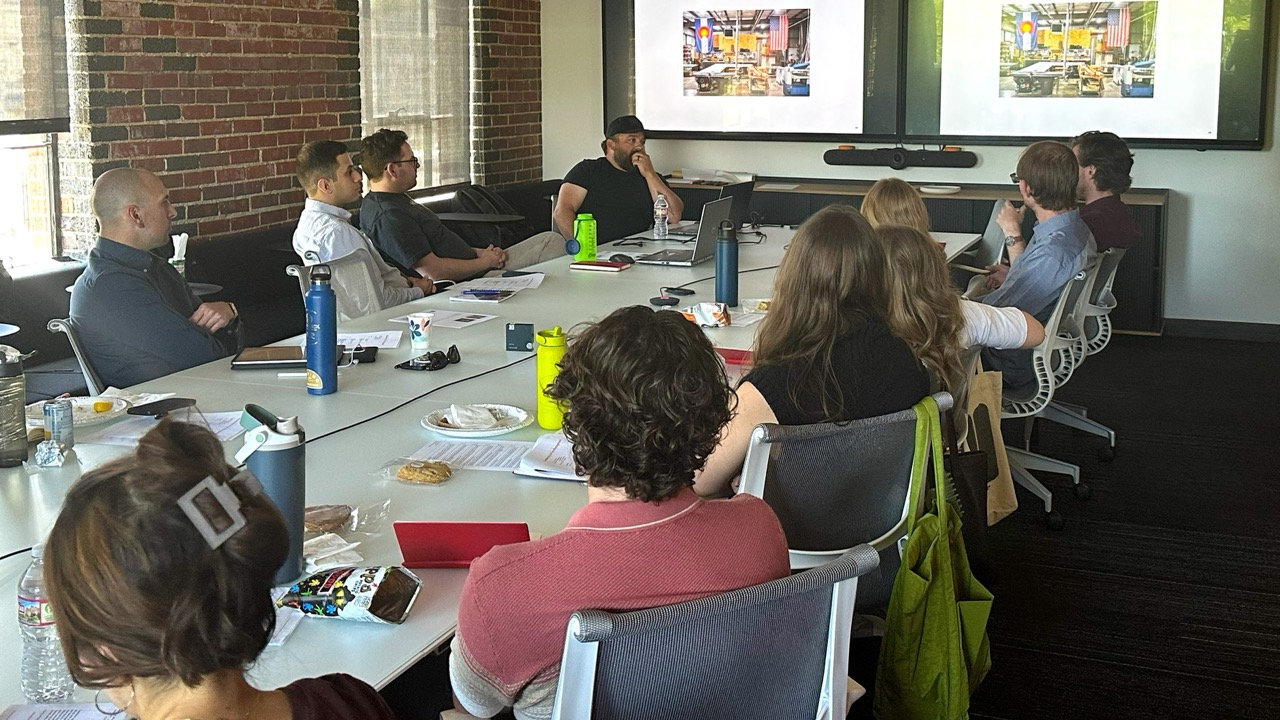
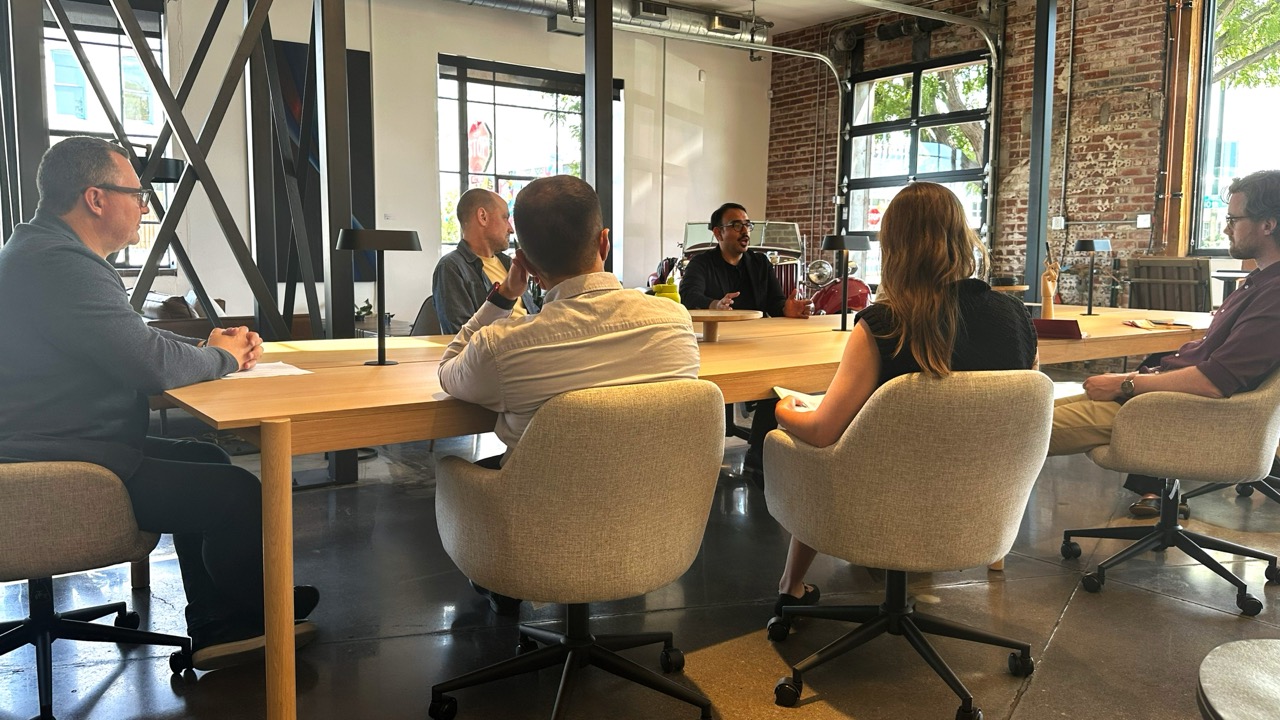
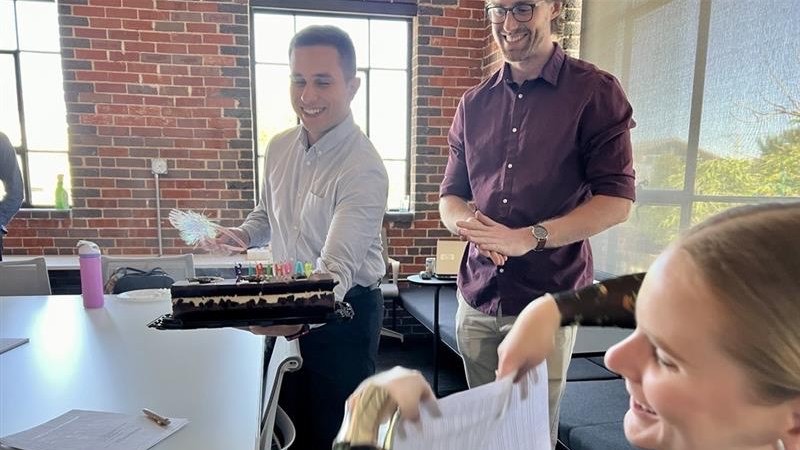
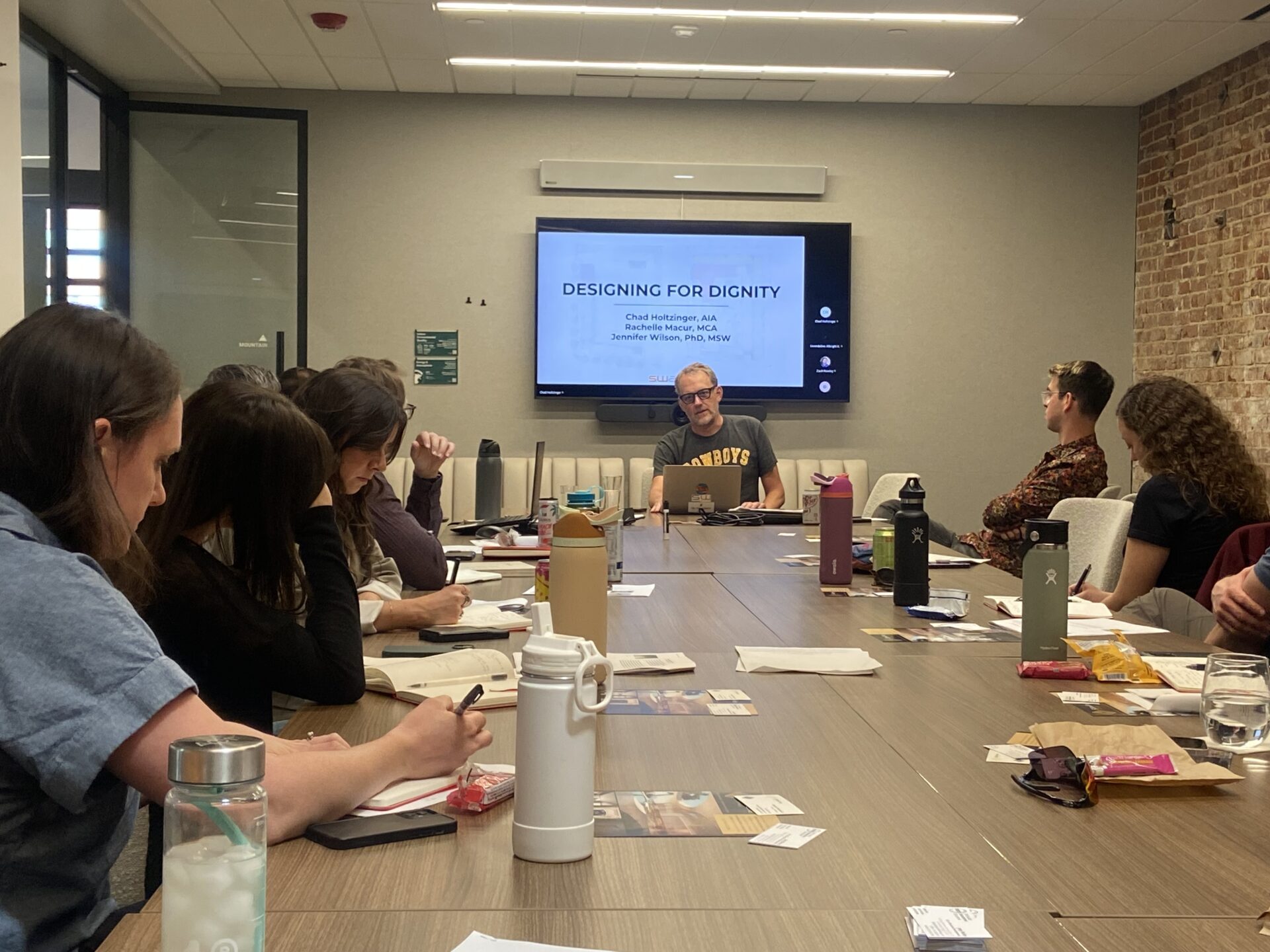
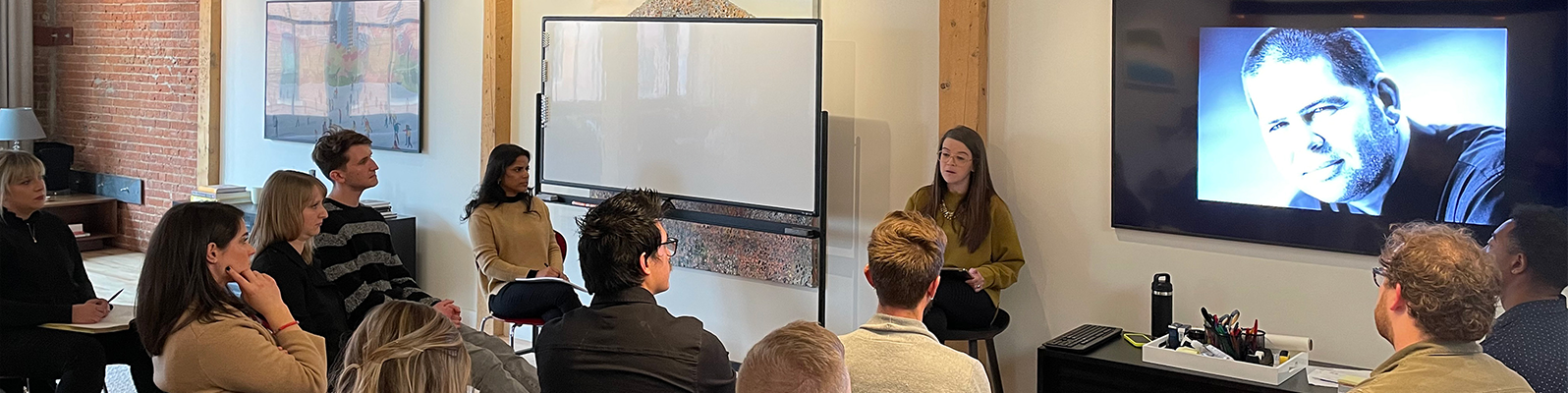
CKLDP 2026 Recap

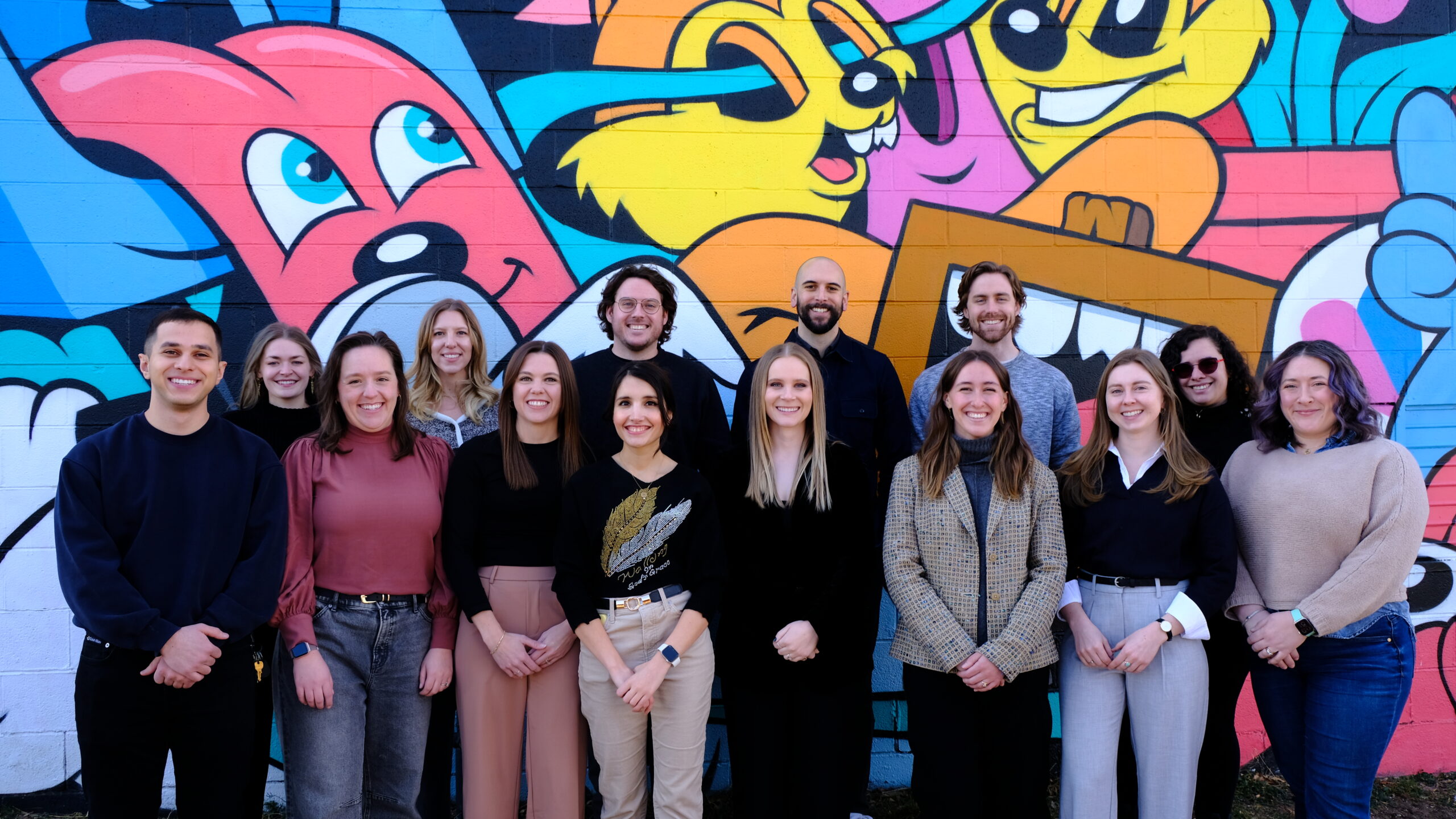
AIA Colorado’s Christopher Kelley Leadership Development Program provides participants with the opportunity to form a cohort with other emerging professionals in the field of architecture (sixteen are selected each year from a group of well-qualified applicants), developing their skills on several focused topics in the once-a-month sessions throughout the year. The program honors Christopher Kelley’s legacy, an influential architect in the Washington D.C. community and an advocate for furthering the profession through mentorship. The program originated in Washington D.C., however local chapters now exist across the country, with additional chapters continuing to be established each year (Colorado’s first program year was 2017).

The 2026 Christopher Kelley Leadership Development Program has come to a close following eight sessions of learning, collaboration, and professional growth. Throughout the year, scholars explored the many dimensions of architectural practice, looking beyond design and technical expertise to better understand the broader forces that shape the profession. From business and leadership to community impact and emerging technologies, the sessions brought together a diverse range of industry perspectives and experiences. Through these conversations, participants were encouraged to challenge their assumptions, expand their understanding of the industry, and recognize the many opportunities they have to grow as professionals and leaders within the architecture community.

See below for a summary and highlights from all eight sessions of the 2026 program year.

SESSION 1

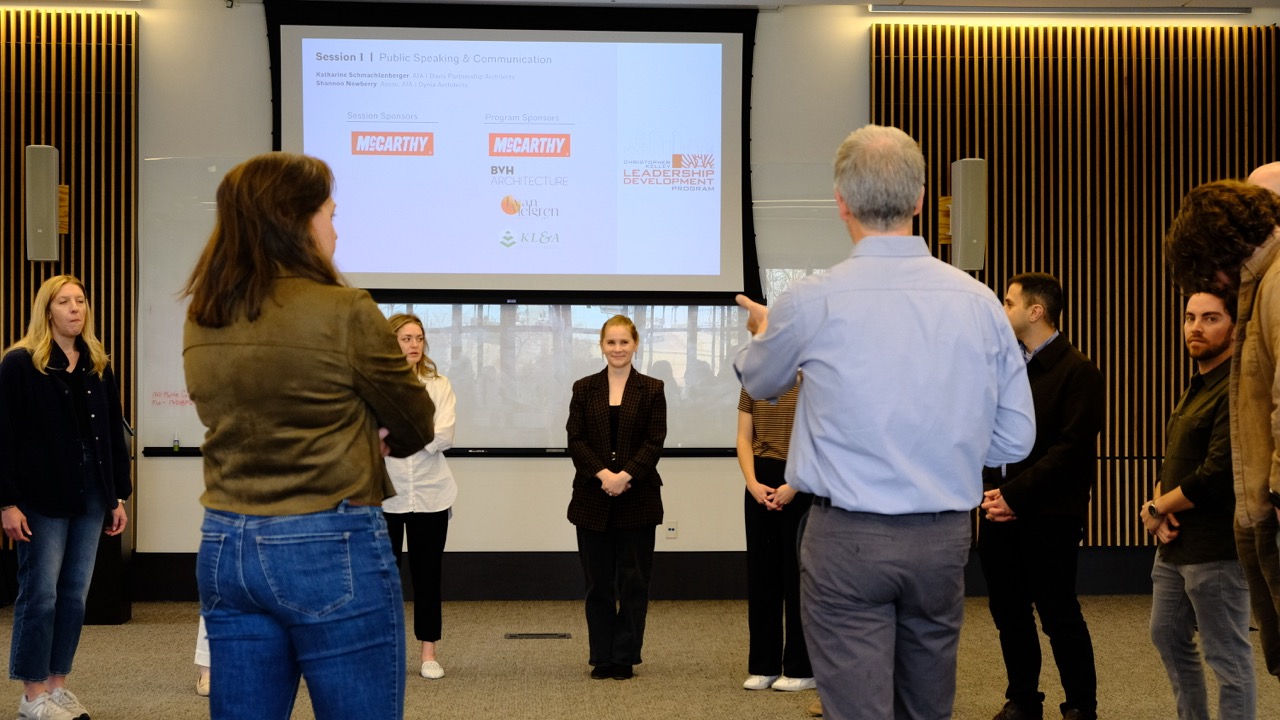
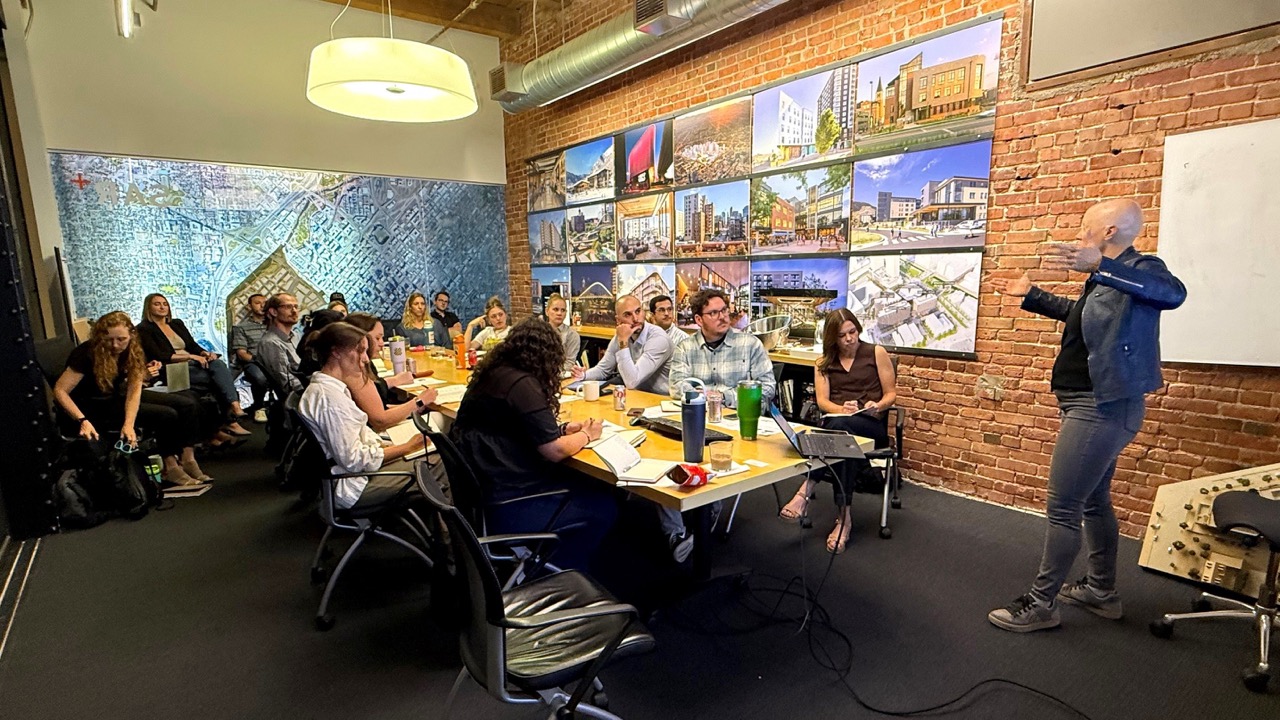
Public Speaking & Communication

SESSION DATE: 3/13/2026
LOCATION: McCarthy Building Companies
HOSTED BY: Shannon Newberry, Assoc. AIA & Katharine Schmactenberger, AIA
RECAP BY: Fatemah Dashti, Assoc. AIA & Rob Cleary, Assoc. AIA

PRESENTERS

Presence & Power: Public Speaking with a Performer’s Edge – Timothy McCracken, Denver Center for the Performing Arts

Introductions that Connect – Mark Hageman, AIA, Davis Partnership Architects

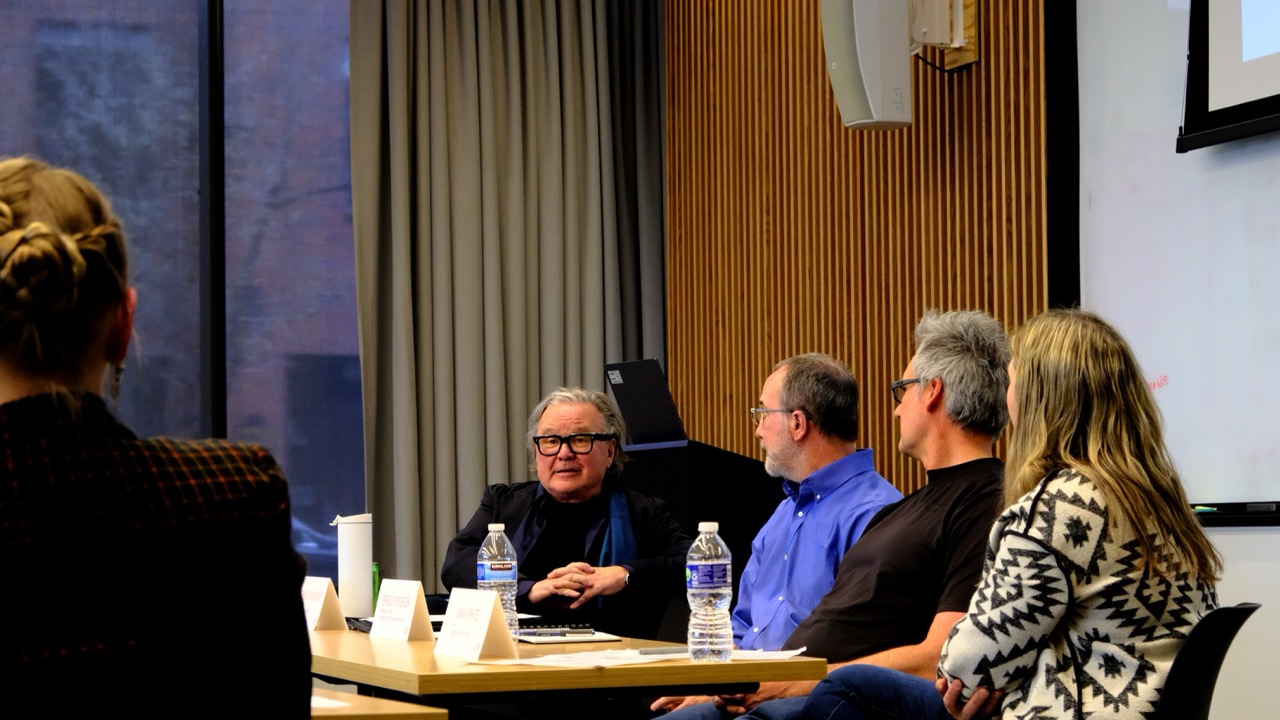
Articulating Vision: The Power of Communication in Practice

Panelists:

  • Brad Tomececk, FAIA, Tomececk Studio Architecture
  • Stephen Dynia, FAIA, Dynia Architects
  • Chris Wineman, Semple Brown Design
  • Ana White, RA, BOSS.architecture (moderator) 

SESSION DESCRIPTION

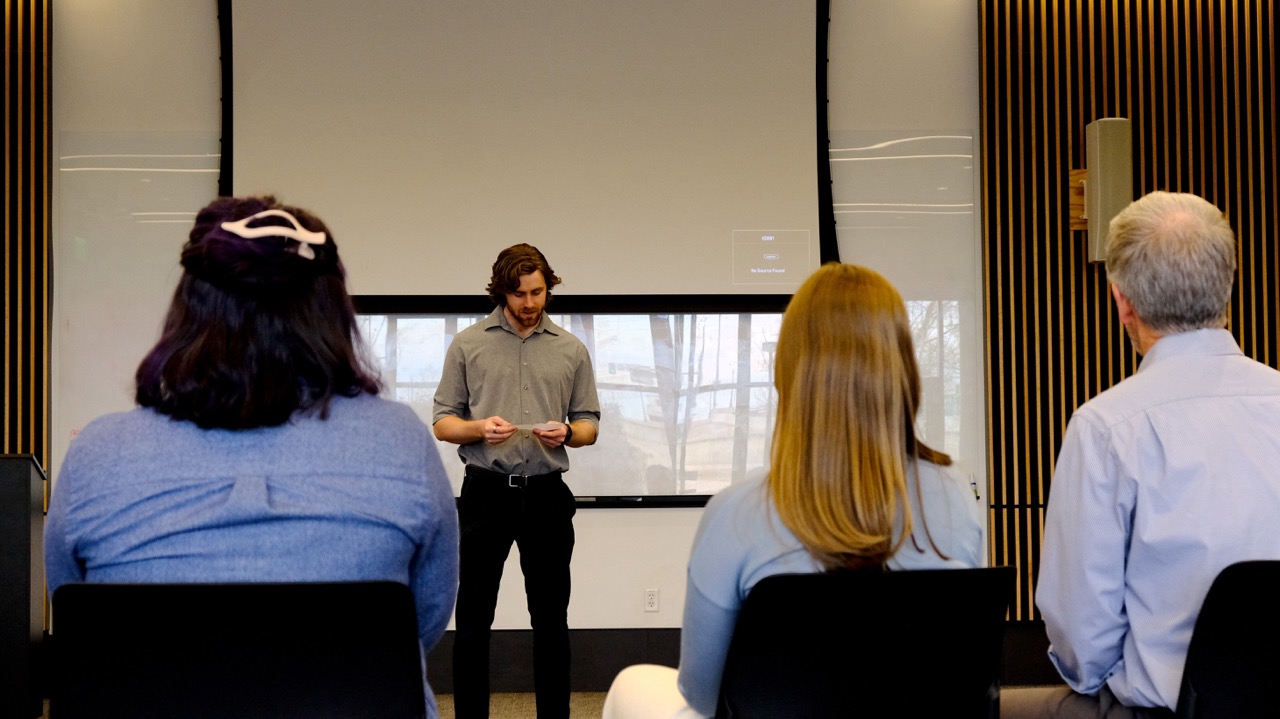
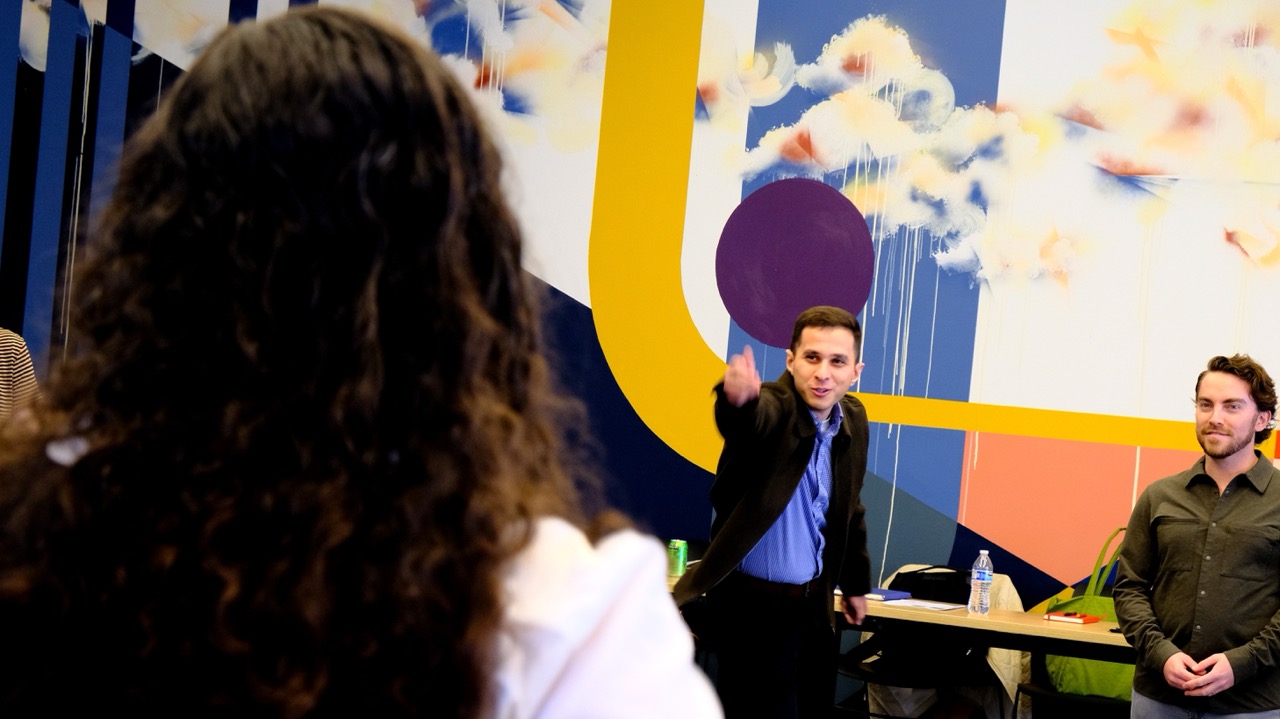
Session one focused on strengthening communication skills in professional settings, with an emphasis on presence, clarity, and connection. It combined practical techniques like eye contact, storytelling, and structured messaging, with real world strategies for presenting ideas, engaging clients, and handling feedback. The session was hands-on and geared toward building skills that can be applied immediately in presentations and day-to-day interactions.

KEY TAKEAWAYS

  • Effective communication is not only about the words we articulate, but also about body language, which plays a key role in conveying nonverbal messages.
  • Communication is a skill one can actively develop. Small adjustments in how you present yourself can make a big difference in how the ideas are received.
  • A good personal introduction is tailored to the client and project. Rehashing your resume is a missed opportunity to communicate your value and personality.
  • Trust is built through empathy, clear, communication and a client-focused approach.

SESSION 2

Business Development & Entrepreneurship

SESSION DATE: 4/17/2026
LOCATION: HNTB Corporation
HOSTED BY: Mo Zaina, Assoc. AIA & Kendra Oester, AIA
RECAP BY: Shannon Newberry, Assoc. AIA & Katharine Schmactenberger, AIA

PRESENTERS

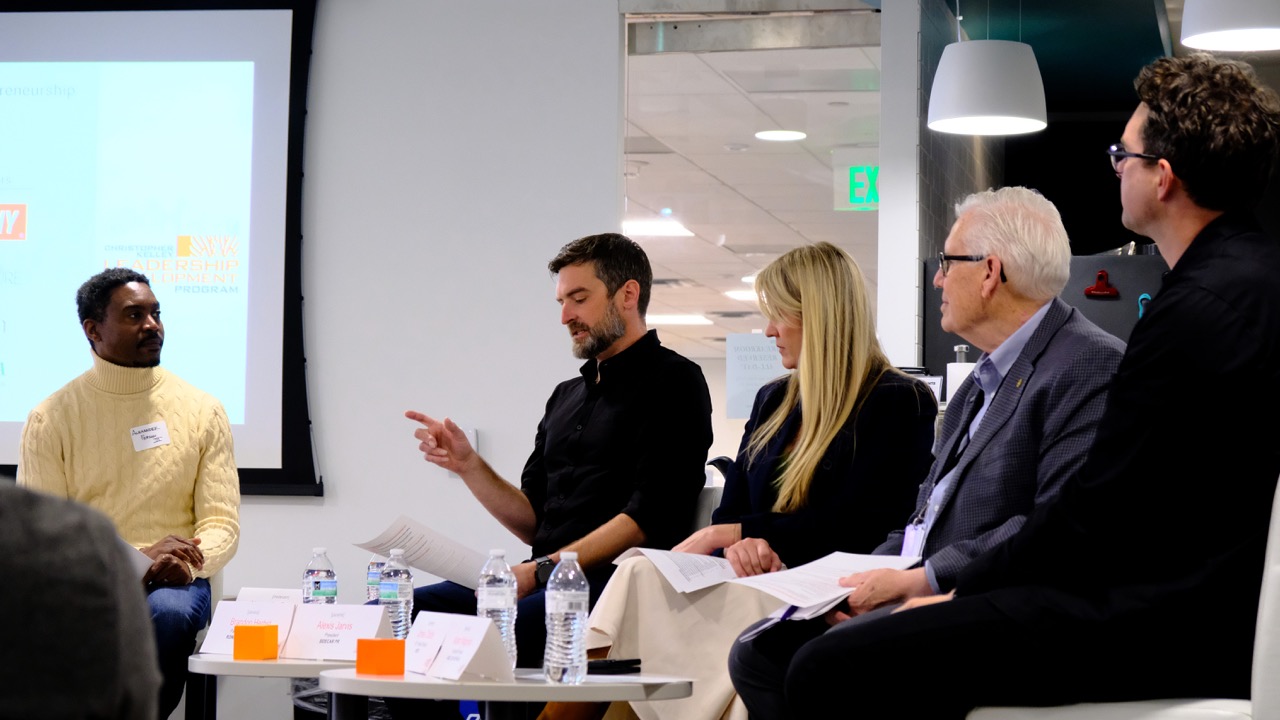
Start. Struggle. Scale: Behind the Drywall of Building a Practice

Panelists:

  • James Childs, AIA, NCARB, HNTB Corporation
  • Brandon Herbst, AIA, Rowland+Broughton
  • Adam Wagoner, AIA, CPHT, High Low Buffalo
  • Alexis Jarvis, SideCar Public Relations
  • Alexander Person III, AIA, CNU-A, NOMA, SmithGroup (moderator)

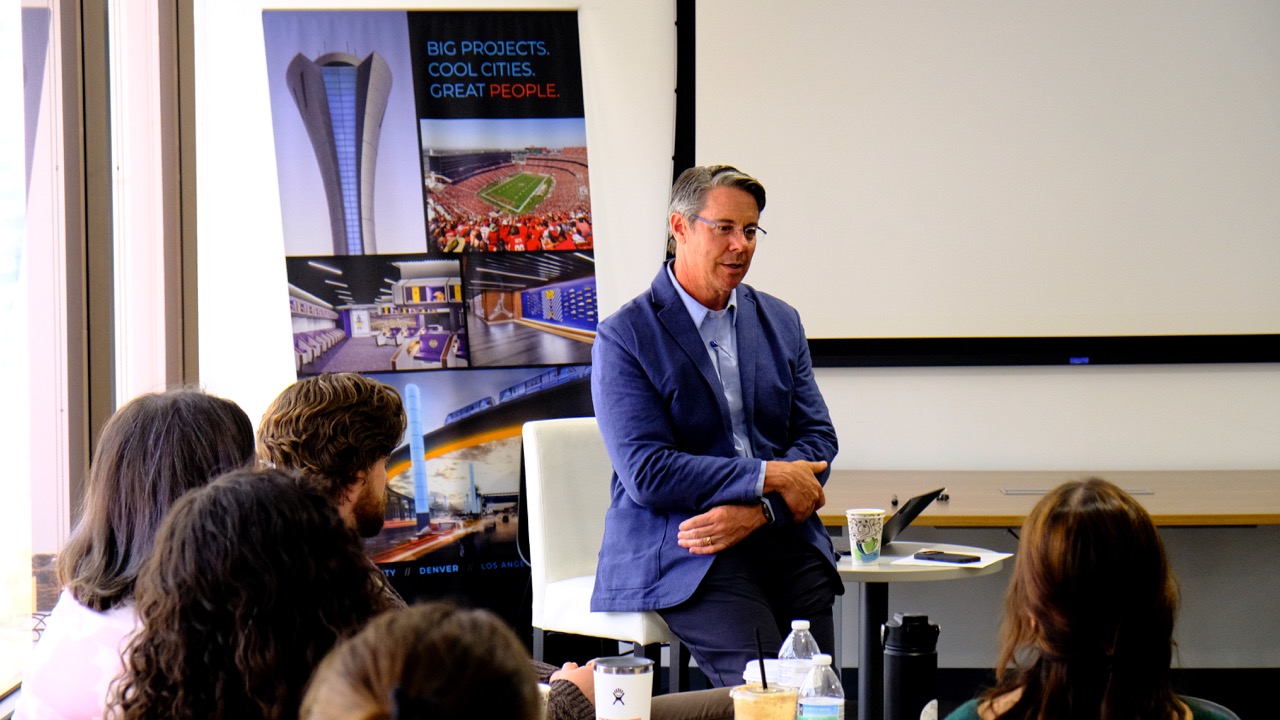
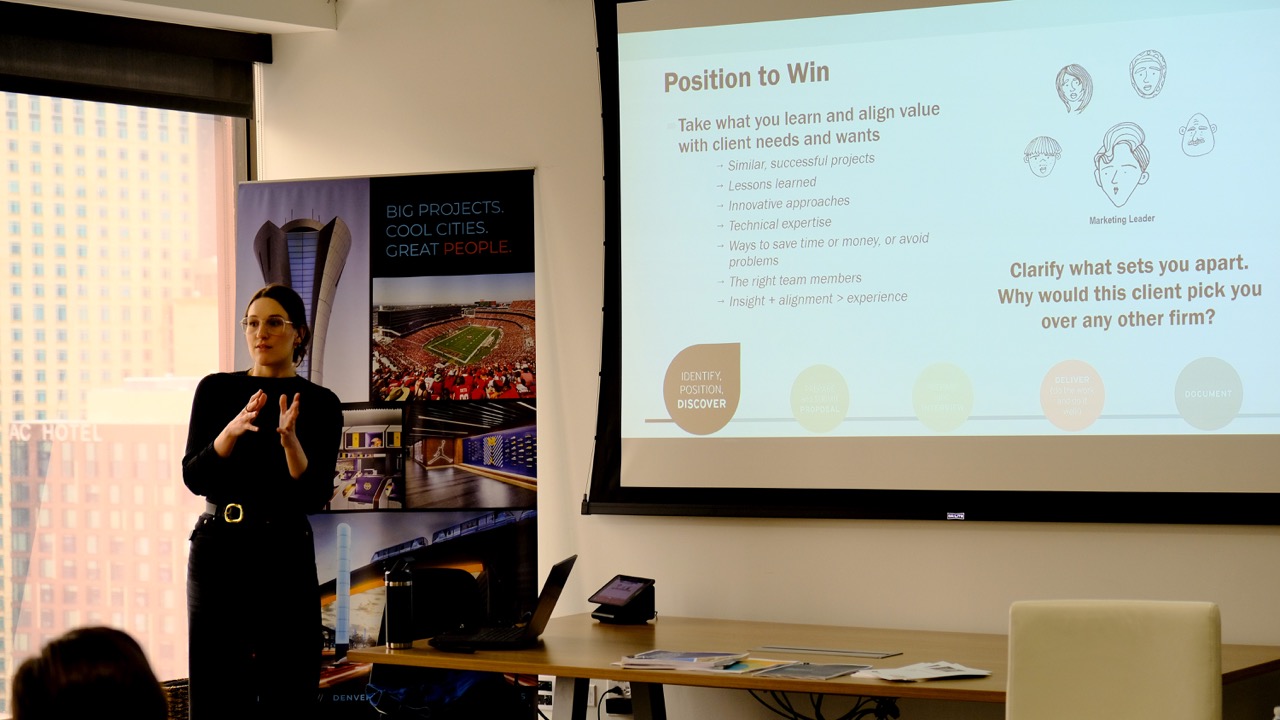
Shape Your Brand, Win the Work – Leeds Mallinckrodt-Reese, HNTB Corporation

Failure is Not an Option – Jesse T Adkins, AIA, SAR+ Architects 

SESSION DESCRIPTION

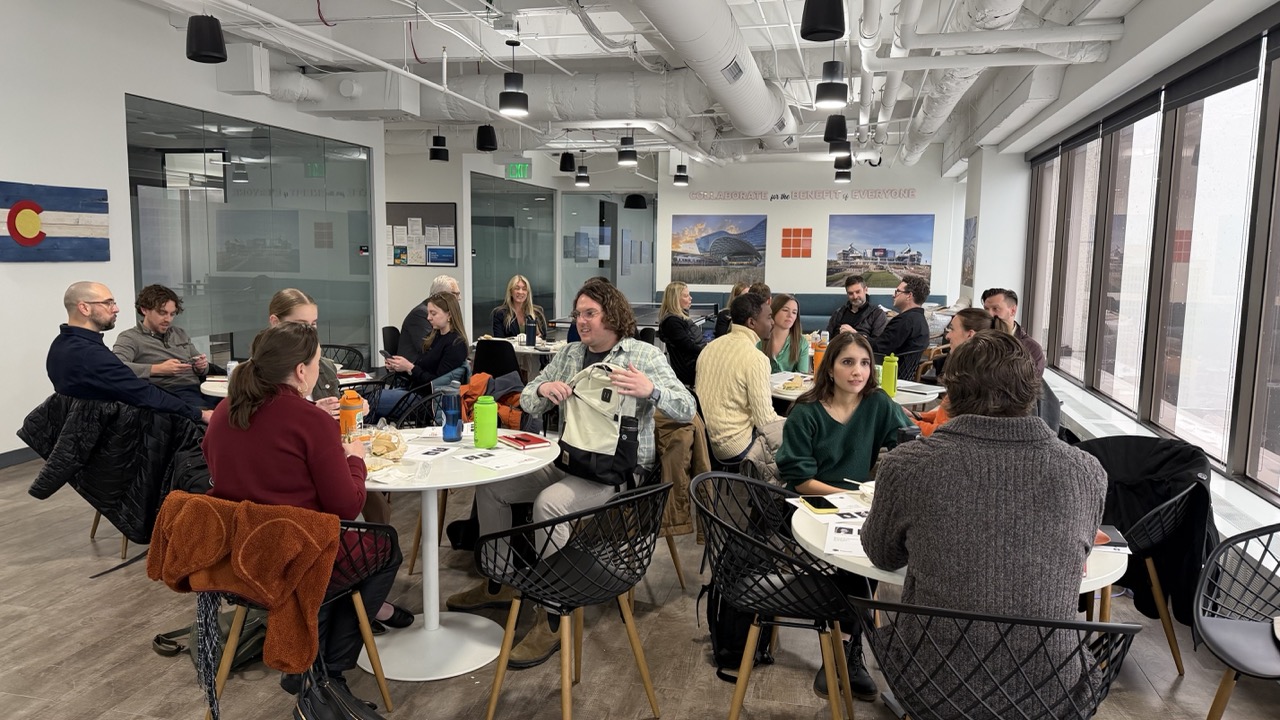
This session focused on understanding the business side of architecture: emphasizing how firms secure work, build client relationships, and sustain long-term practice. It explored key areas such as business development, marketing and branding, financial decision-making, and leadership pathways across firms of different sizes.

Through panel insights, interactive exercises, and real-world examples, the session highlighted how architects communicate value, navigate risk, and contribute to firm growth beyond design work. Overall, it reinforced the idea that success in architecture depends not only on design excellence, but on the ability to align creative work with strategy, relationships, and financial realities.

KEY TAKEAWAYS

  • Relationships drive opportunity: Across all sessions, success in architecture and AEC is rooted in long-term relationship building. Most work comes through trust, referrals, and sustained engagement, making early and consistent networking essential.
  • Communication is a core business skill: Translating complex ideas into clear, compelling narratives—through storytelling, graphics, and conversation—is critical to building trust, differentiating teams, and securing projects.
  • Failure and risk are necessary for growth: Taking calculated risks, learning from mistakes, and being willing to walk away from unproductive situations are essential to long-term success and stronger decision-making.

SESSION 3

Community Engagement

SESSION DATE: 5/15/2026
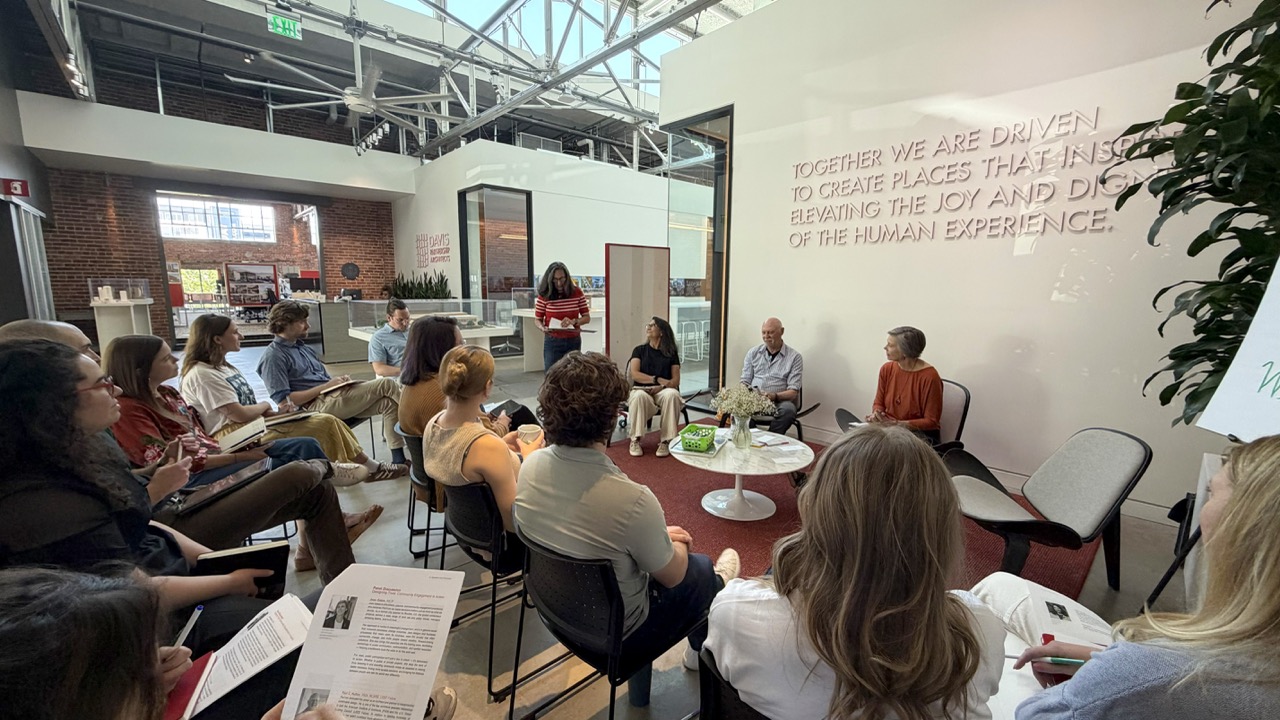
LOCATION: Davis Partnership Architects
HOSTED BY: Gina Frenette, Assoc. AIA & Kelly Ryan, AIA
RECAP BY: Mo Zaina, Assoc. AIA & Kendra Oester, AIA

PRESENTERS

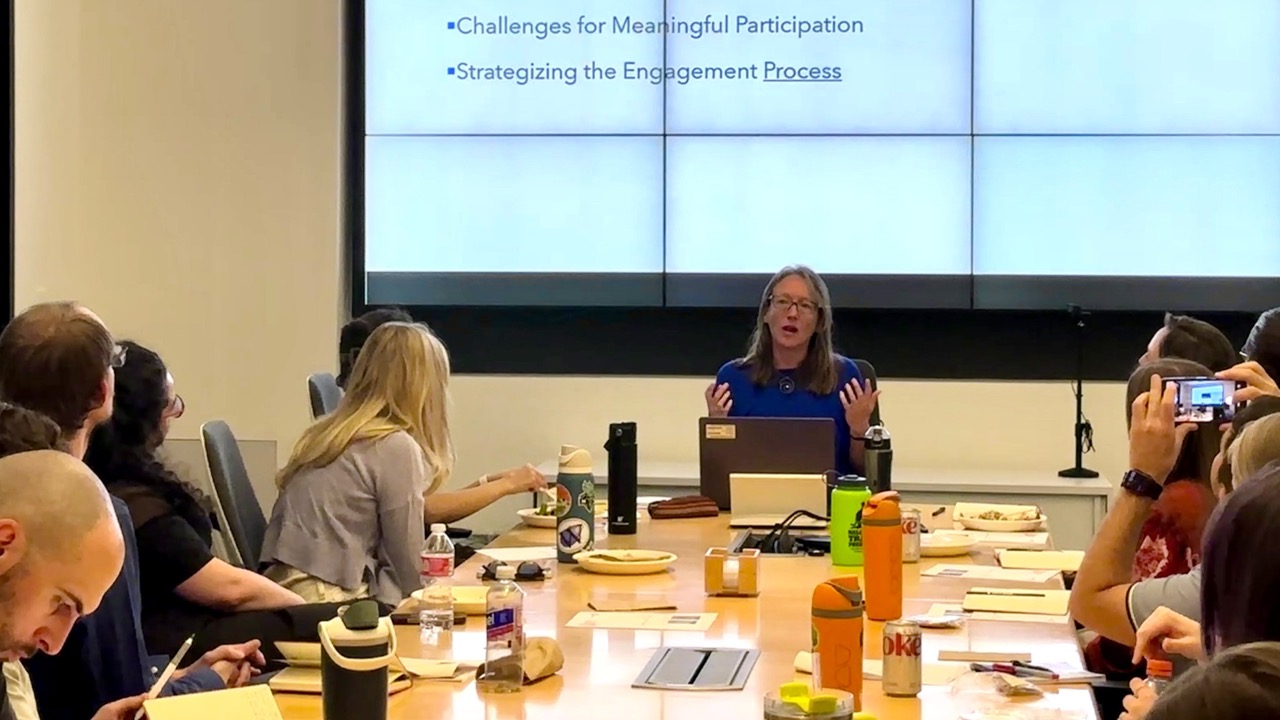
Community Engagement Challenges and Opportunities – Jennifer Steffel Johnson, PhD, University of Colorado Denver

Designing Trust: Community Engagement in Action

Panelists:

  • Jean Gatza, AICP, CDR Associates
  • Paul C. Hutton, FAIA, NCARB, LEED Fellow, Entropy Design
  • Lisa Langer, ASLA, CPRA, A4LE, Design Concepts
  • Lynn Orosco (moderator), Cuningham

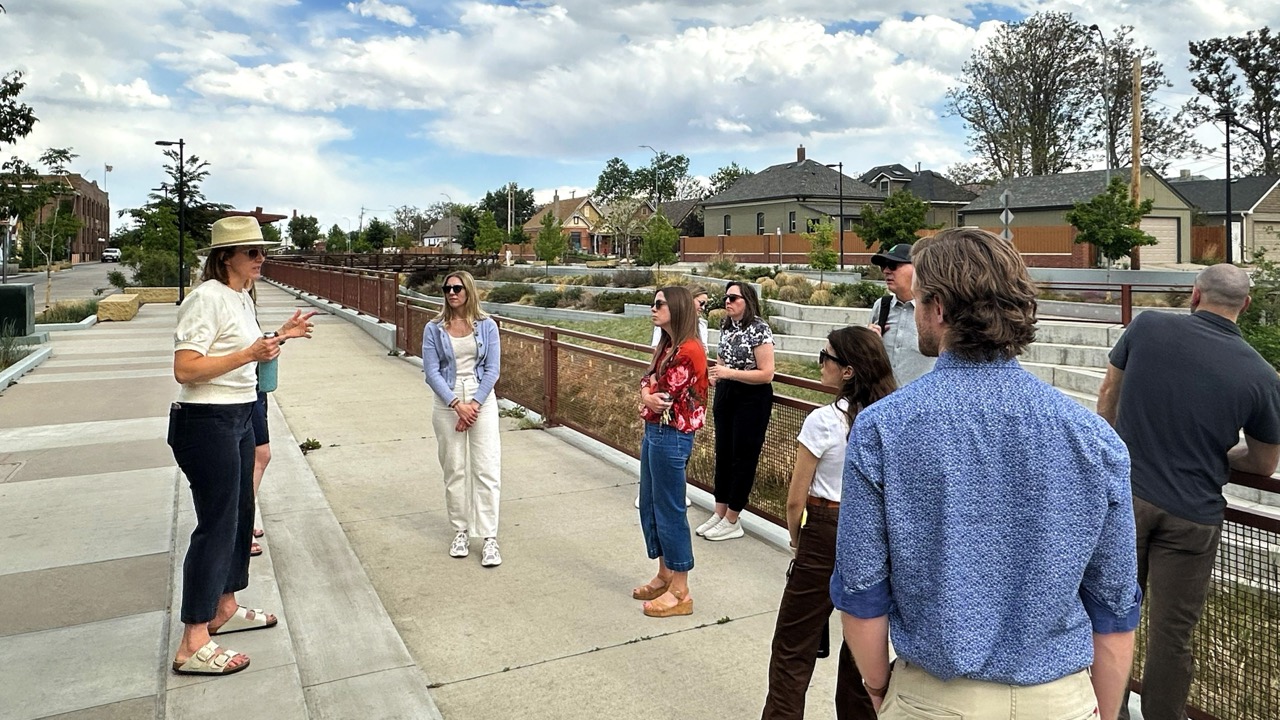
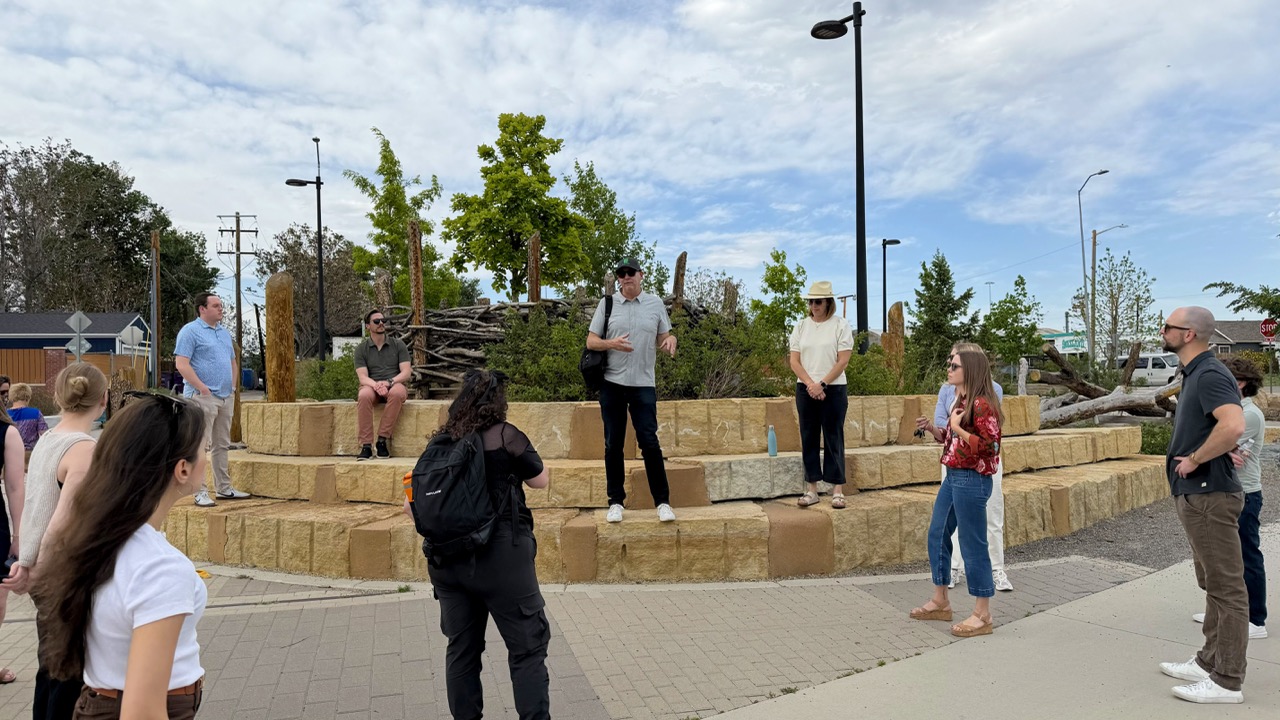
39th Avenue Greenway Walking Tour – Meredith and Todd Wensoski, Livable Cities Studio

SESSION DESCRIPTION

This session focused on community engagement as a foundational component of architectural practice, emphasizing the role of designers as facilitators of dialogue, trust, and shared decision making. Through a lecture, panel discussion, and site tour, the session explored how engagement is not a singular event, but an ongoing and iterative process shaped by relationships, context, and transparency.

The day highlighted both the opportunities and challenges of engaging communities meaningfully, particularly in navigating power dynamics, addressing mistrust, and ensuring that diverse voices are not only heard but actively shape outcomes. Throughout the day, a central theme emerged: successful design is not defined solely by technical or aesthetic quality, but by how well it reflects and responds to the needs, values, and lived experiences of the communities it serves.

KEY TAKEAWAYS

  • Engagement is a process, not a moment: Meaningful community engagement requires continuous effort, iteration, and reflection rather than one time input or outreach. 
  • Trust is foundational to participation: Historic inequities and past planning decisions have created a legacy of mistrust, making transparency and consistency critical to building authentic relationships. 
  • Designers must listen before they lead: Effective engagement begins with understanding community perspectives, avoiding assumptions, and creating space for dialogue before proposing solutions. 
  • Clarity and honesty shape expectations: Clearly communicating what can and cannot be influenced helps establish credibility and prevents disengagement.

SESSION 4

Leadership & Firm Management

SESSION DATE: 6/12/2026
LOCATION: OZ Architecture
HOSTED BY: Alexander Blum, AIA & Leo Borasio, AIA
RECAP BY: Gina Frenette, Assoc. AIA & Kelly Ryan, AIA

PRESENTERS

Forging an Unconventional Path Through Design & Fabrication – Mike Blea, AIA, Raw Creative

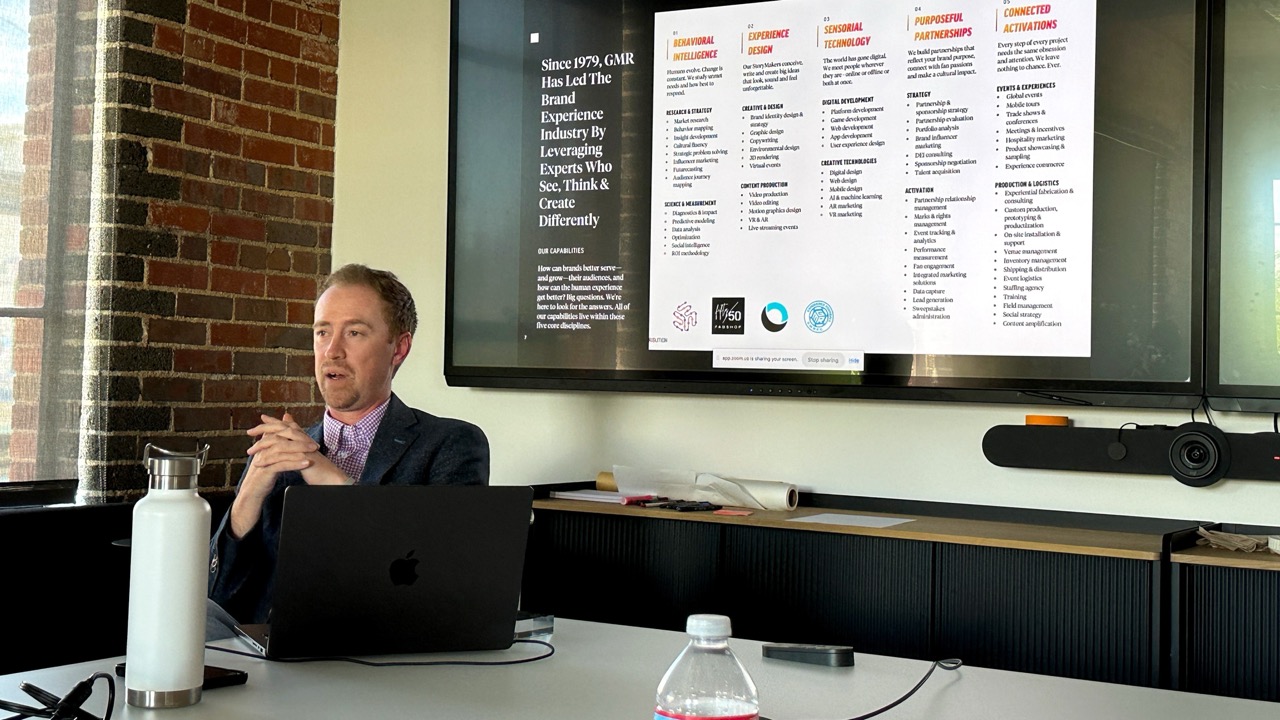
Creative Account Management for Architects – Dave Oakes, GMR Marketing

Propelling Projects Through People-Forward Management

Panelists:

  • Brent Carr, Assoc. AIA, OZ Architecture
  • Ramiro Lorenzo Diaz, AIA, NCARB, Beck Group
  • Aaron Tweedie, Tweed Studio
  • Ryan Goold, AIA, NCARB, Sopher Sparn Architects (moderator)

SESSION DESCRIPTION

Firm leaders from a variety of backgrounds and experiences shared their approaches to practice management and relationship building. Individualization emerged as a big theme, noting that a tailored approach to mentorship, client relations, design, and fabrication can propel interest and energize workplace culture. Staying humble and relying on the expertise of others will yield greater innovation and allow the profession to modernize. 

Drawing from practices commonly used in advertising agencies, the session emphasized the “creative brief” as a leadership and organizational tool for aligning large, complex teams. Architects have the opportunity to be story makers, not just storytellers, and a clear vision will help maintain design direction throughout the life of the project.

KEY TAKEAWAYS

  • Strong outcomes begin with people. Whether managing projects, mentoring staff, or serving clients, success depends on understanding individual motivations, communication styles, and goals while creating an environment where people can contribute their best work. 
  • Culture is a strategic advantage. Hiring for passion and cultural fit, celebrating milestones, fostering mentorship, and building complementary teams creates stronger organizations and more resilient project teams. 
  • A clear vision should guide every decision. From a creative brief to project goals and team expectations, establishing alignment early and consistently revisiting the guiding vision helps teams stay focused and make better decisions throughout the process.

SESSION 5

Diversity, Equity, & Inclusion

SESSION DATE: 7/10/2026
LOCATION: DLR Group
HOSTED BY: Andrea Arias & Julia Lecy, AIA
RECAP BY: Alexander Blum, AIA & Leo Borasio, AIA

PRESENTERS

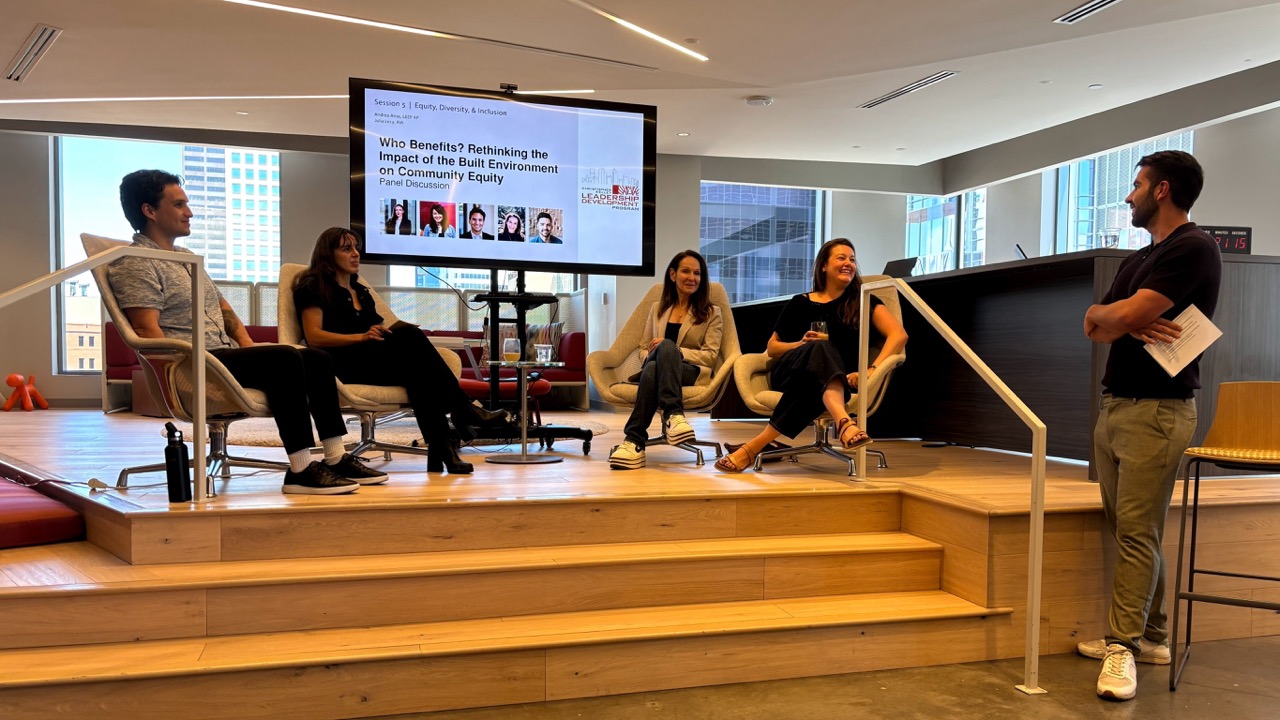
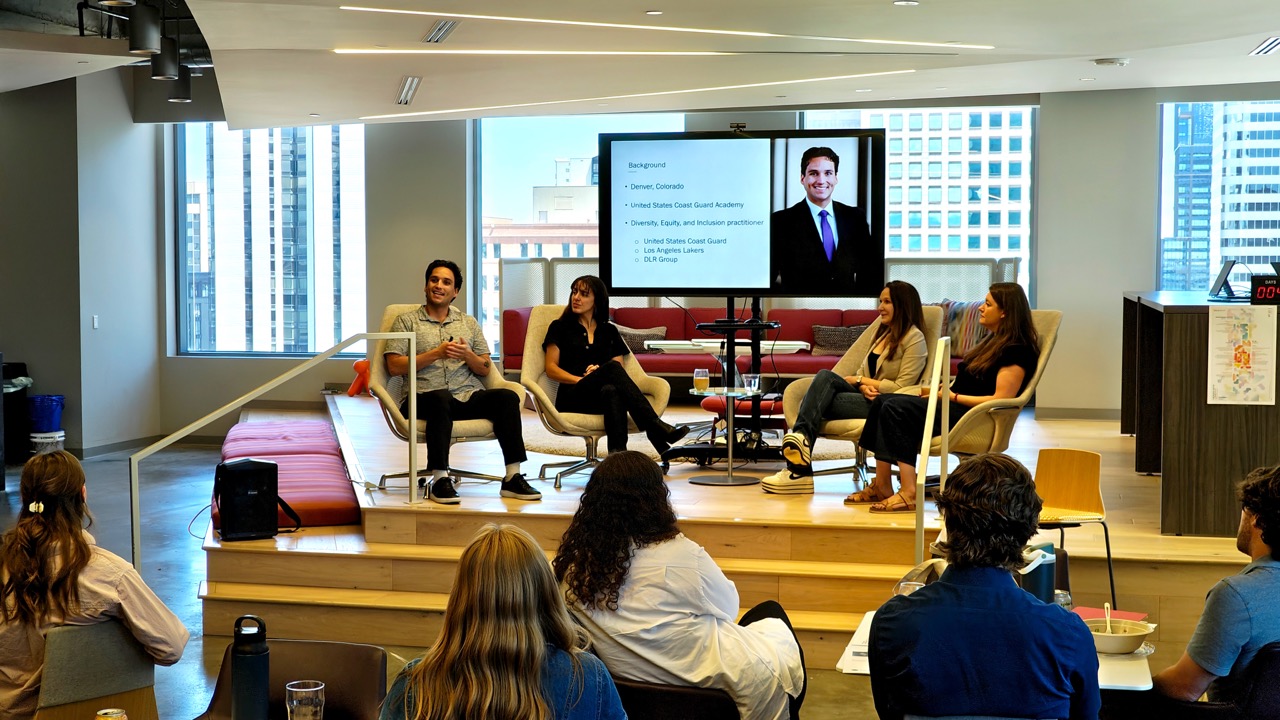
Who Benefits? Rethinking the Impact of the Built Environment on Community Equity

Panelists:

  • Rebecca Horton, PG, MillerKnoll
  • Jamson Escobar, DLR Group
  • Ana Varela, GES Coalition
  • Dee Dee DeVuyst, Radian Inc. 
  • Geoff Leewaye, PE, DLR Group (moderator)

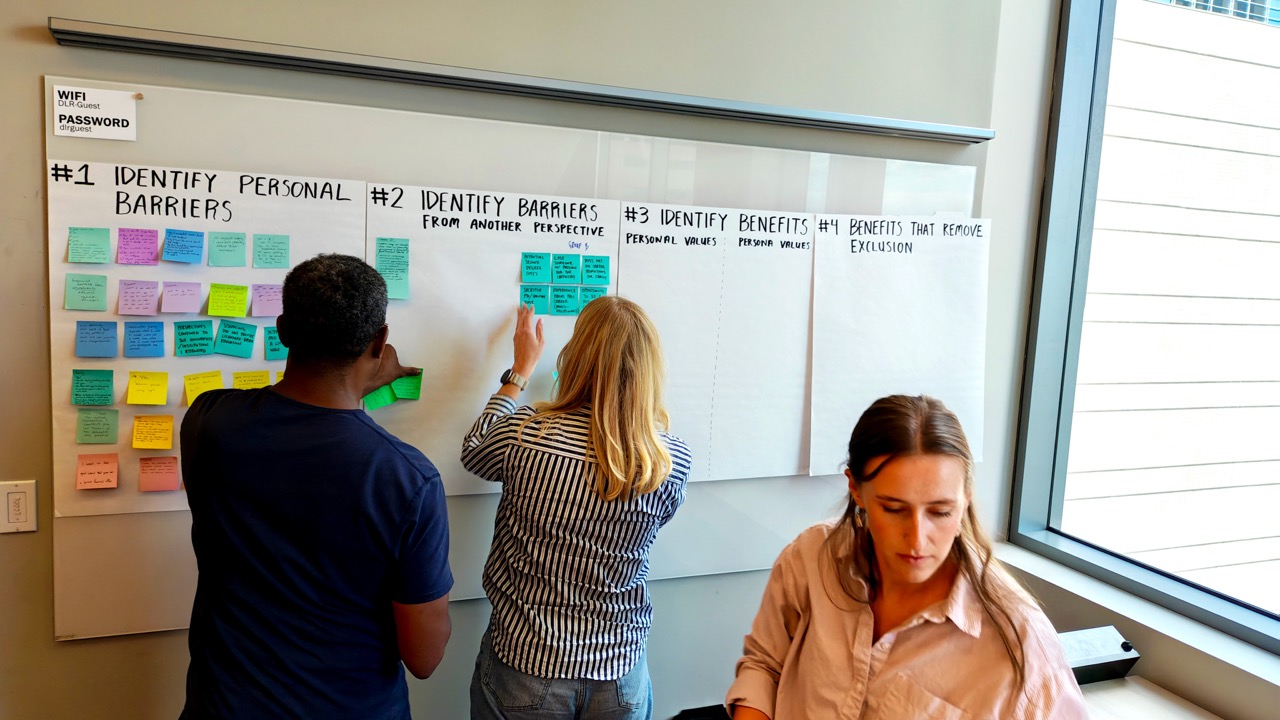
Barriers to Equity

Workshop:

  • Sarah Morasso, AIA, NCARB, Munn Architecture
  • Alexander Person III, CNU-A, NOMA, SmithGroup
  • Sonya Shah, AIA, NOMA, NCARB, Denver Public Library

SESSION DESCRIPTION

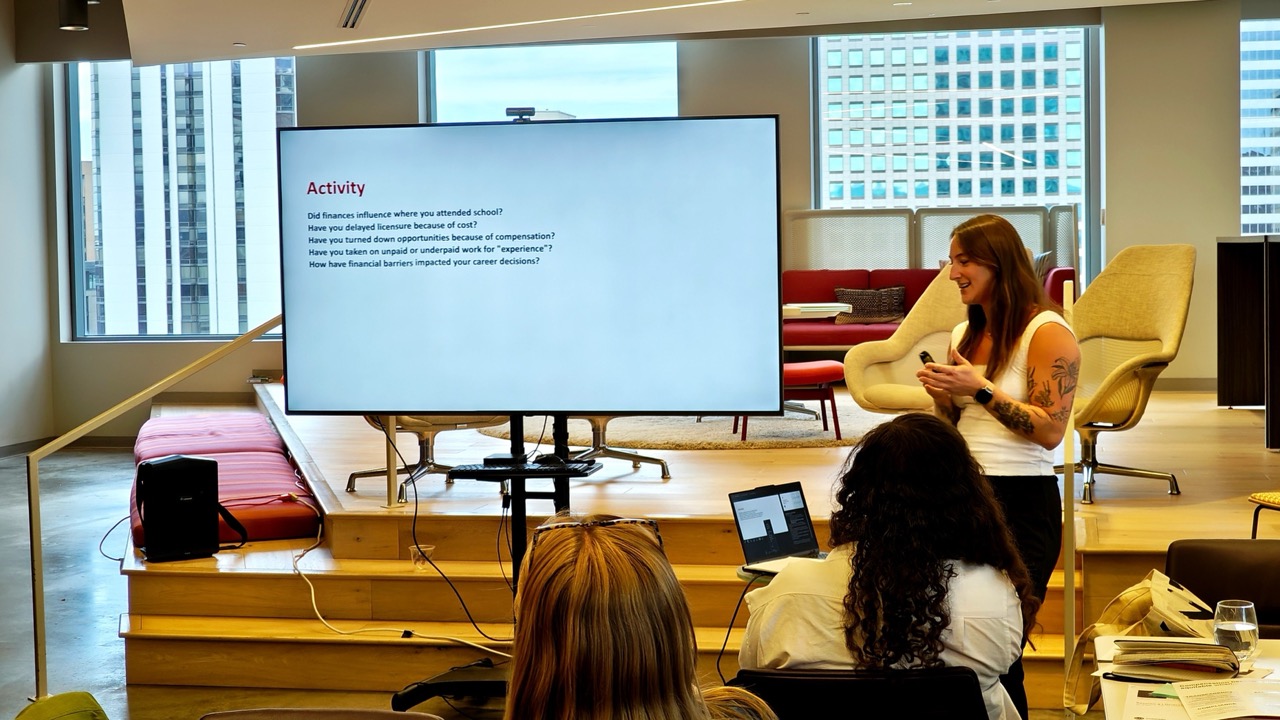
This session examined how diversity, equity, inclusion, and access shapes both the practice and business of architecture. Through panel discussions, facilitated conversations, and interactive activities, participants explored the impact of inclusive decision-making on workplace culture, project success, and community outcomes. 

Discussions emphasized the power of community organizing and collective action as tools for creating meaningful change within the profession. Panelists encouraged participants to move beyond relying solely on demographic statistics to measure the success of DEI initiatives, and instead focus on workplace culture, retention, mentorship, opportunity, and long-term career growth. Conversations also reinforced the importance of advocating for oneself and for others, particularly when addressing compensation, benefits, career advancement, and the financial barriers associated with education and licensure.

KEY TAKEAWAYS

  • Ask whether you’re designing with, or for communities. As architects, it’s important to ensure you’re listening to the community, and not just going through the motions.
  • DEI needs to move beyond metrics. While corporations and leadership may tout these metrics as progress, it’s about the people, not just the numbers.
  • Transparency regarding compensation allows for equity and fairness. Transparency ensures ethical compensation standards are being met, and while talking about pay may feel taboo, it’s the best way to gather data, and advocate for yourself.

SESSION 6

Contracts & Negotiations

SESSION DATE: 8/14/2026
LOCATION: SAR+ Architects
HOSTED BY: Geoff Mittler, AIA & Macy Huffaker, AIA
RECAP BY: Andrea Arias & Julia Lecy, AIA

PRESENTERS

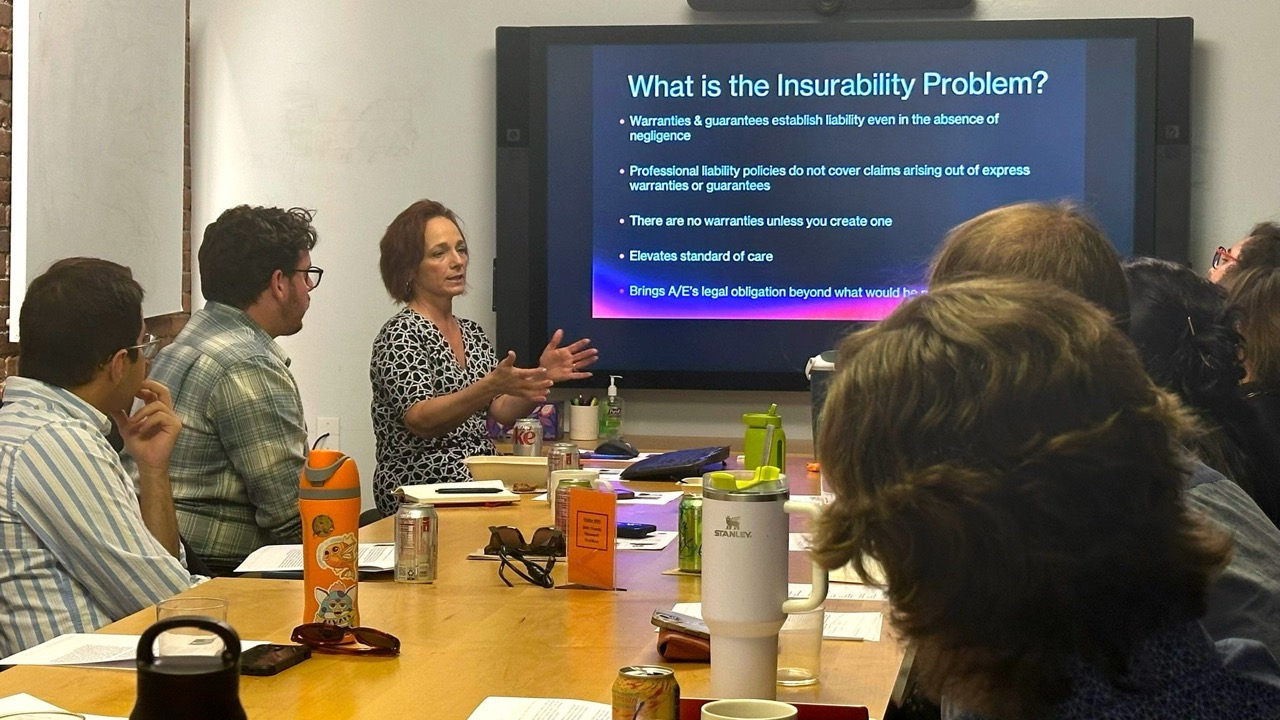
Designing the Deal – Jacqueline C Pons-Bunney, Esq., W&D Law

High-Stakes Learning: Legal & Contractual Pitfalls – Christian Stover, AIA, NCARB, Marx Okubo

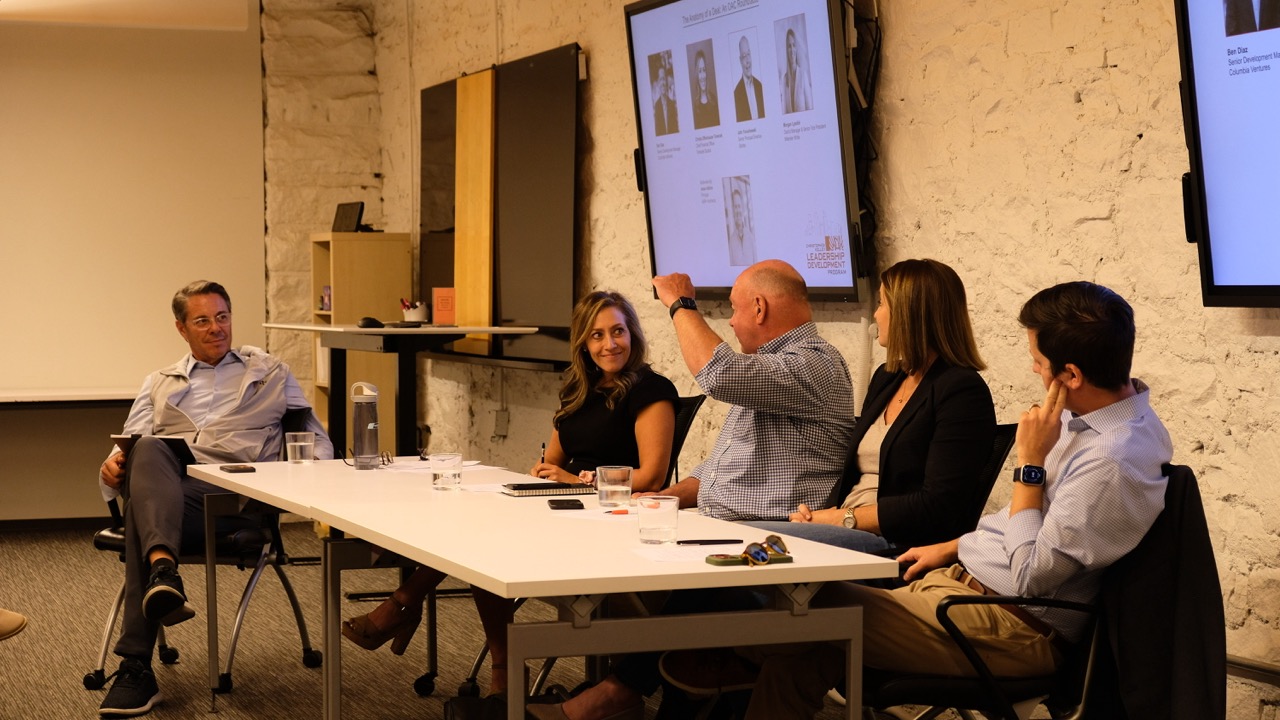
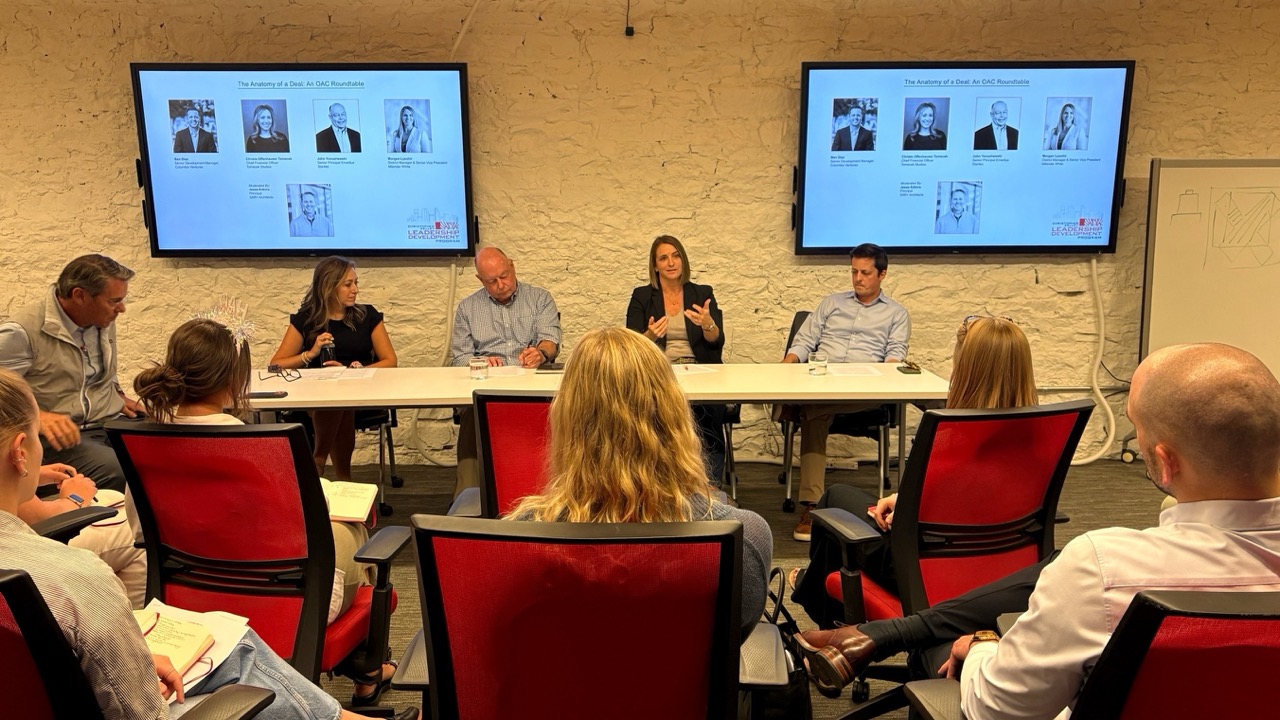
The Anatomy of a Deal: An OAC Roundtable

Panelists:

  • Ben Diaz, Columbia Ventures
  • Christa Offenhauser Tomececk, Tomececk Studios
  • Morgan Lysohir, Milender White
  • John Yonushewski, FAIA, Stantec

SESSION DESCRIPTION

This session focused on developing a stronger understanding of contracts, risk, negotiation, and ethical decision-making in architectural practice. The learning objectives emphasized applying key legal concepts, identifying common contractual pitfalls, addressing scope, fee, and liability issues early, and confidently advocating for ourselves and our firms during negotiations. A major theme was understanding the perspectives of owners, con-tractors, and architects while navigating power imbalances and competing interests. The sessions also reinforced the importance of recognizing when legal permissibility and professional responsibility may differ. Overall, the day encouraged thoughtful risk management, confident negotiation, and ethical leadership while protecting both professional relationships and the firm’s interests.

KEY TAKEAWAYS

  • Understand your contracts and identify potential risks early by clearly defining scope, liability, payment terms, and professional responsibilities.
  • Know your value and advocate confidently by understanding your services, fees, and position during negotiations.
  • Build strong project relationships through trust, communication, respect, and an understanding of each team member’s perspective.
  • Lead with integrity and professional responsibility by balancing legal requirements, ethical considerations, and the best interests of your firm and clients.

SESSION 7

Sustainability in Design

SESSION DATE: 9/11/2026
LOCATION: Workplace Resources
HOSTED BY: Alexandra Addesso, AIA & Ben Charpentier, AIA
RECAP BY: Geoff Mittler, AIA & Macy Huffaker, AIA

PRESENTERS

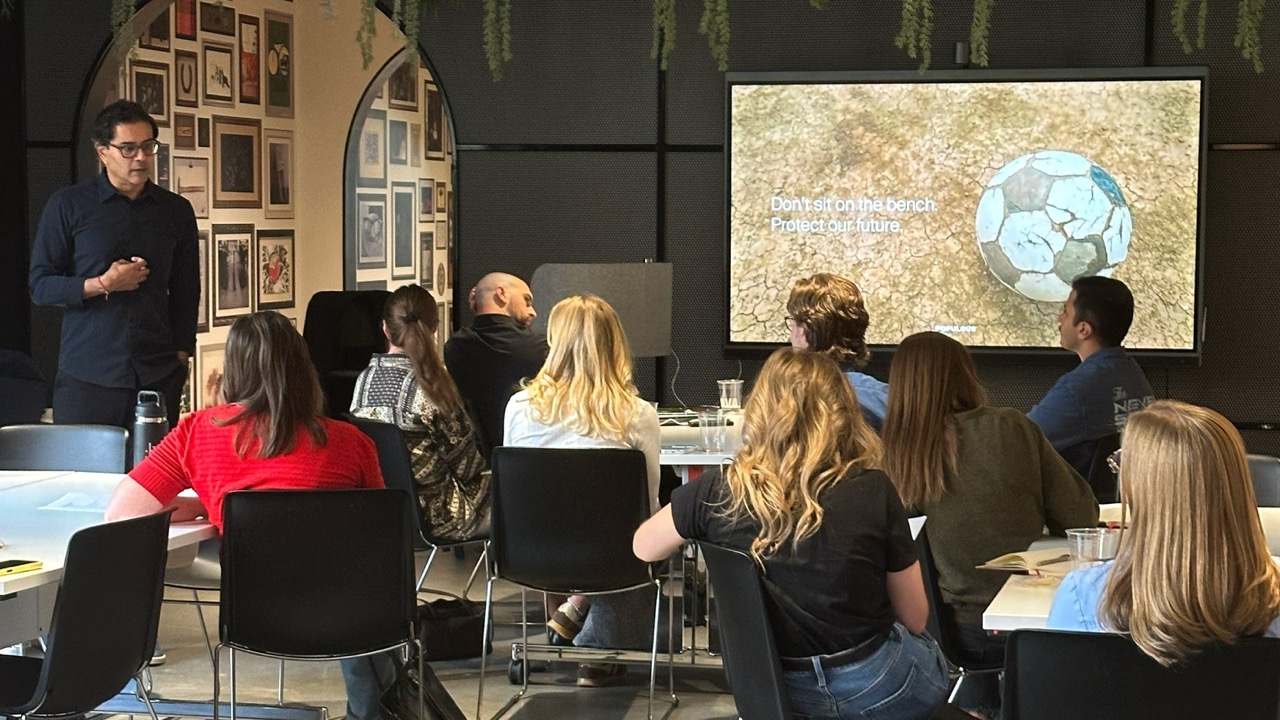
Science & Simplicity: Selling Sustainability – Mohit Mehta, BEMP, ASHRAE, LEED BD+C, Populous

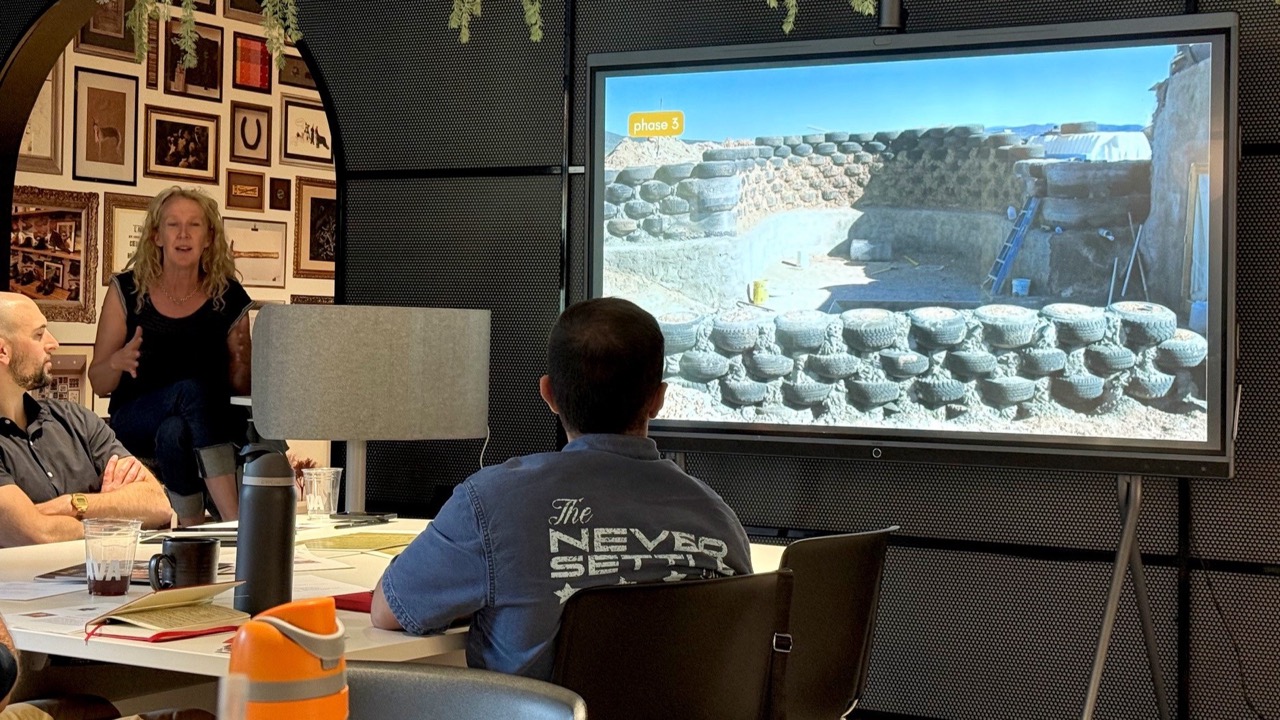
Build Outside the Box: Passive Home Design – Kirsten Jacobsen, Eco Build Lab

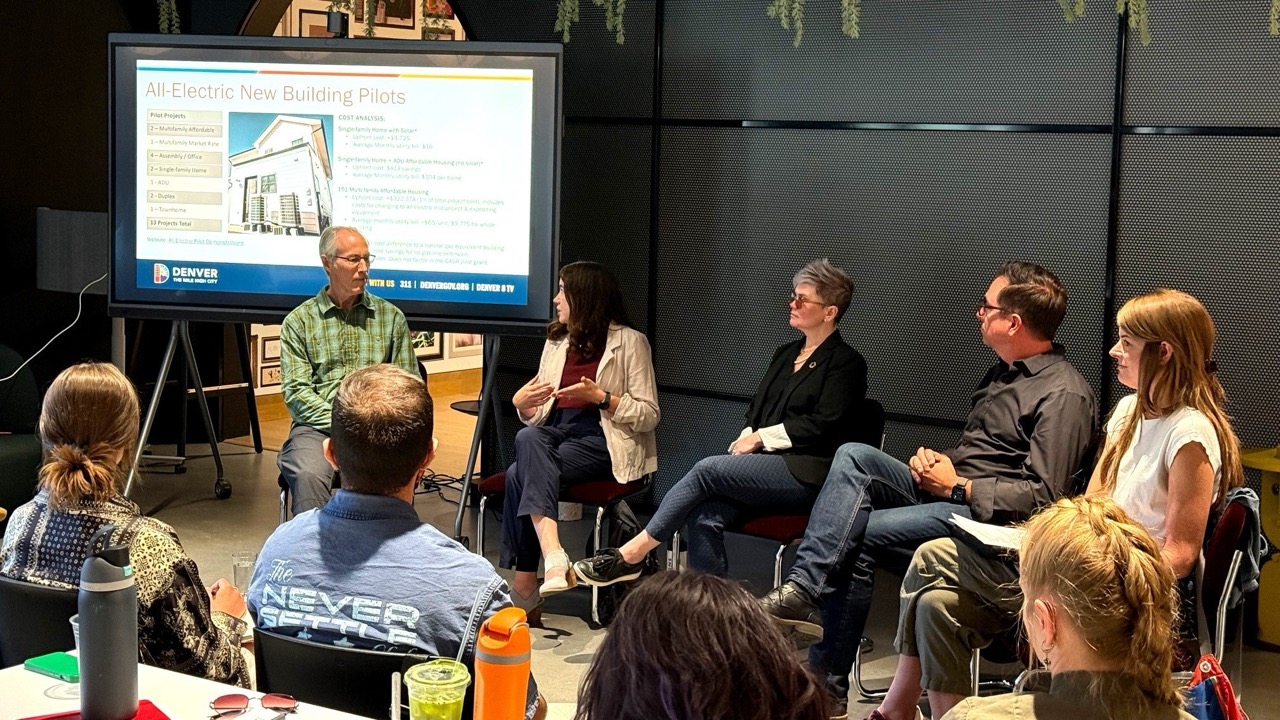
How to Achieve Highly Sustainable Buildings

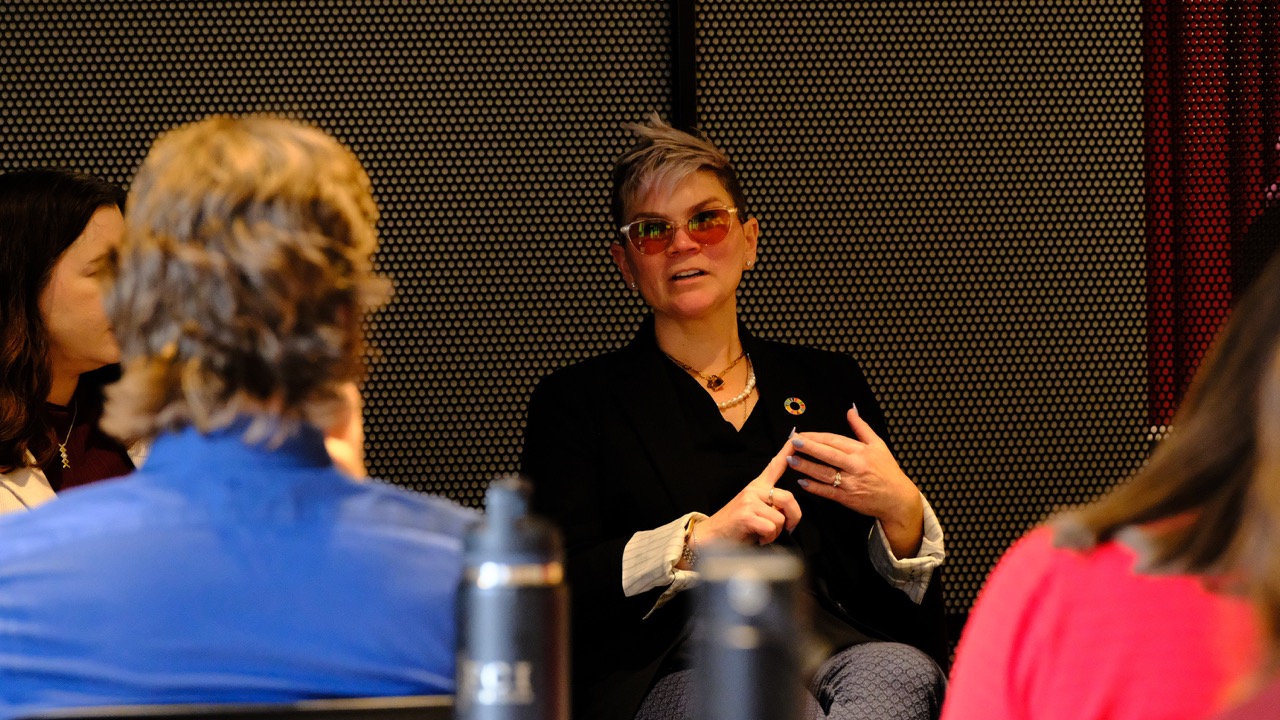
Panelists:

  • Courtney Anderson, RA, CASR Denver
  • Luc Bamberger, AIA, AMD Architects
  • Jim Hartman, Hartman Ely Investments
  • Natalie Terrill, LEED Fellow, WELL AP, Fitwel Ambassador, CMI Certified Sustainability (ESG) Practitioner, The Beck Group 
  • Lauren McNeill, LEED AP BD+C, WELL AP, LFA, Group 14 (moderator)

SESSION DESCRIPTION

The day’s sessions traced sustainability in design from its regulatory and historical roots through hands-on alternative construction to a closing panel on implementation. The first presentation covered the milestones that built today’s green-building landscape (AIA COTE, LEED, the Living Building Challenge, ILFI) alongside the case for resilient design, given that codes and energy-modeling data are dangerously outdated relative to how fast the climate is changing. A more in-depth discussion then grounded these ideas in Earthship construction, true off-grid, passive solar buildings using low-tech materials and natural building methods like cob, rammed earth, and strawbale, several of which double as carbon sequestration.

The day closed with a panel on how to actually achieve highly sustainable buildings, emphasizing that architecture is only one piece of the sustainability picture, that the best outcomes come from integrated project delivery, and that Denver’s code committees are actively working toward electrification and possible embodied-carbon reporting requirements ahead of 2030 goals.

KEY TAKEAWAYS

  • Stop selling, start solving. Across the session, the message was to steer conversations away from pitching sustainability solutions and toward understanding client problems and ROI, “sell the brownie, not the recipe.”
  • The data and codes we rely on are outdated. Historical climate data (like TMY3) and existing codes don’t account for the last 25 years of accelerated change, so resilient design needs to look forward, not backward.
  • Perfection isn’t the goal, progress is. Whether in Earthship construction or policy compliance, panelists and speakers repeatedly stressed pushing sustainability forward incrementally rather than waiting for an ideal, all-or-nothing solution.

SESSION 8

The Future of Architecture

SESSION DATE: 10/16/2026
LOCATION: HKS Architects
HOSTED BY: Fatemah Dashti, Assoc. AIA & Rob Cleary, Assoc. AIA
RECAP BY: Alexandra Addesso, AIA & Ben Charpentier, AIA

PRESENTERS

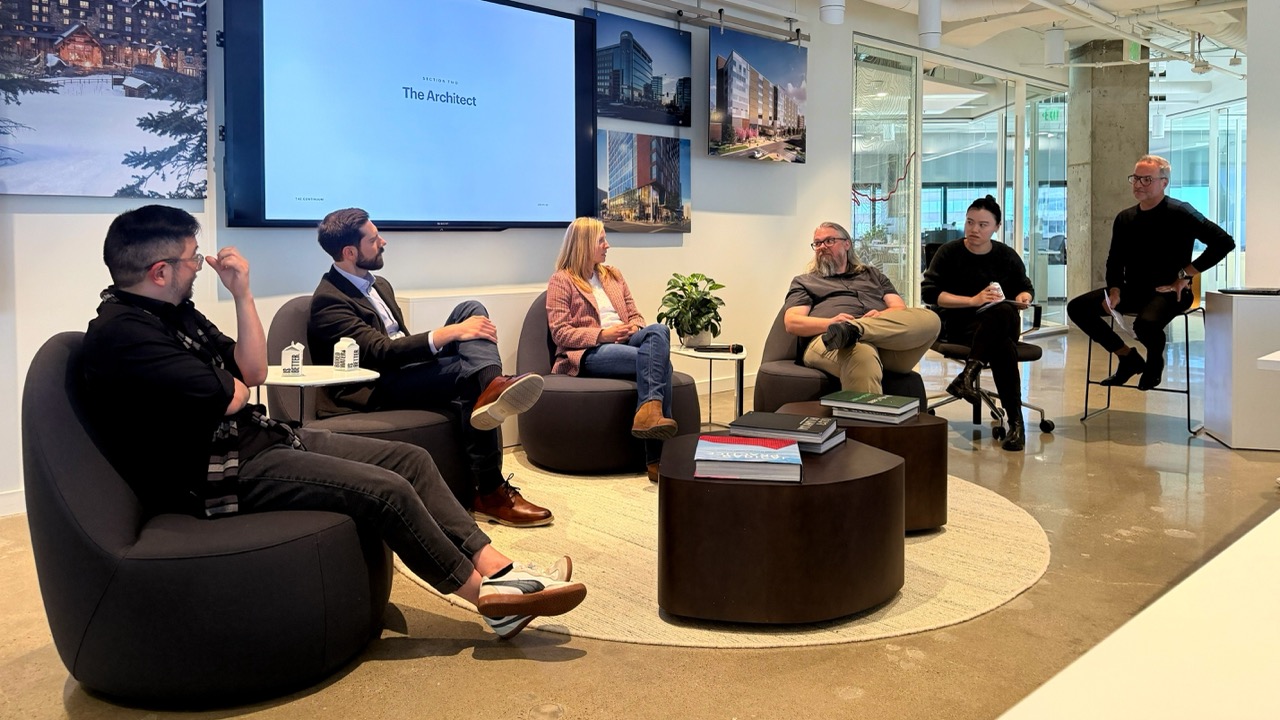
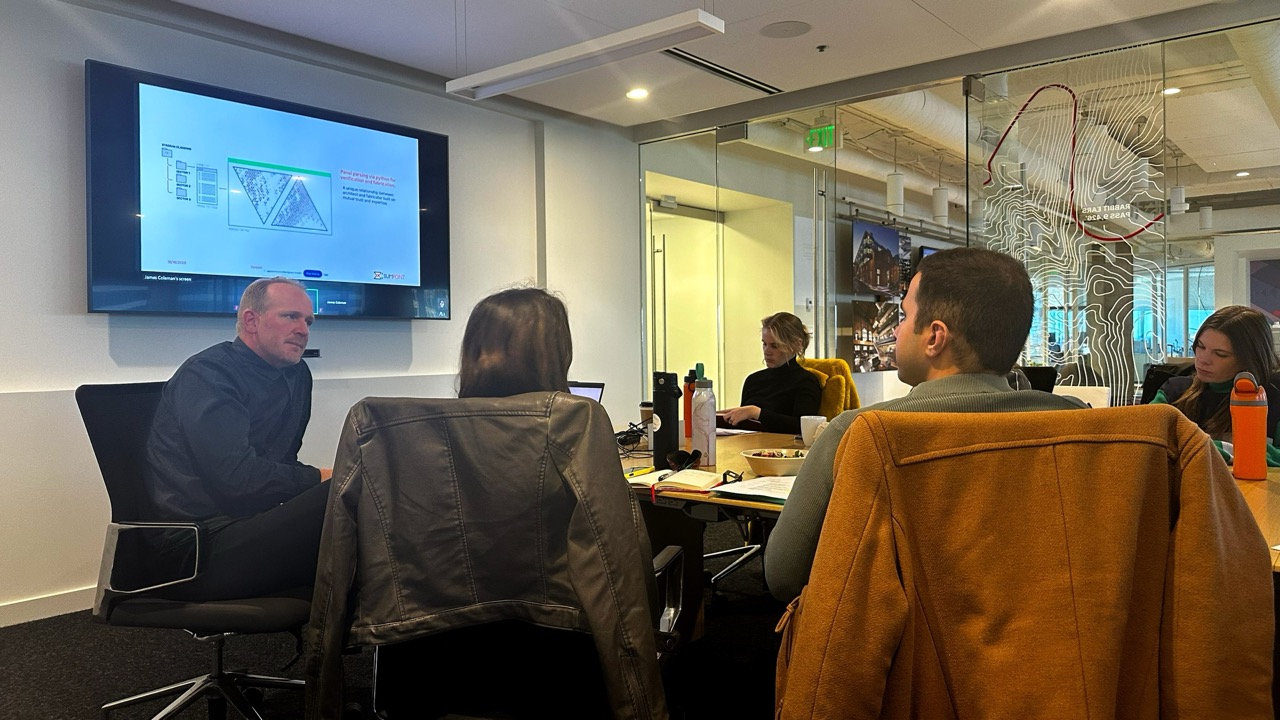
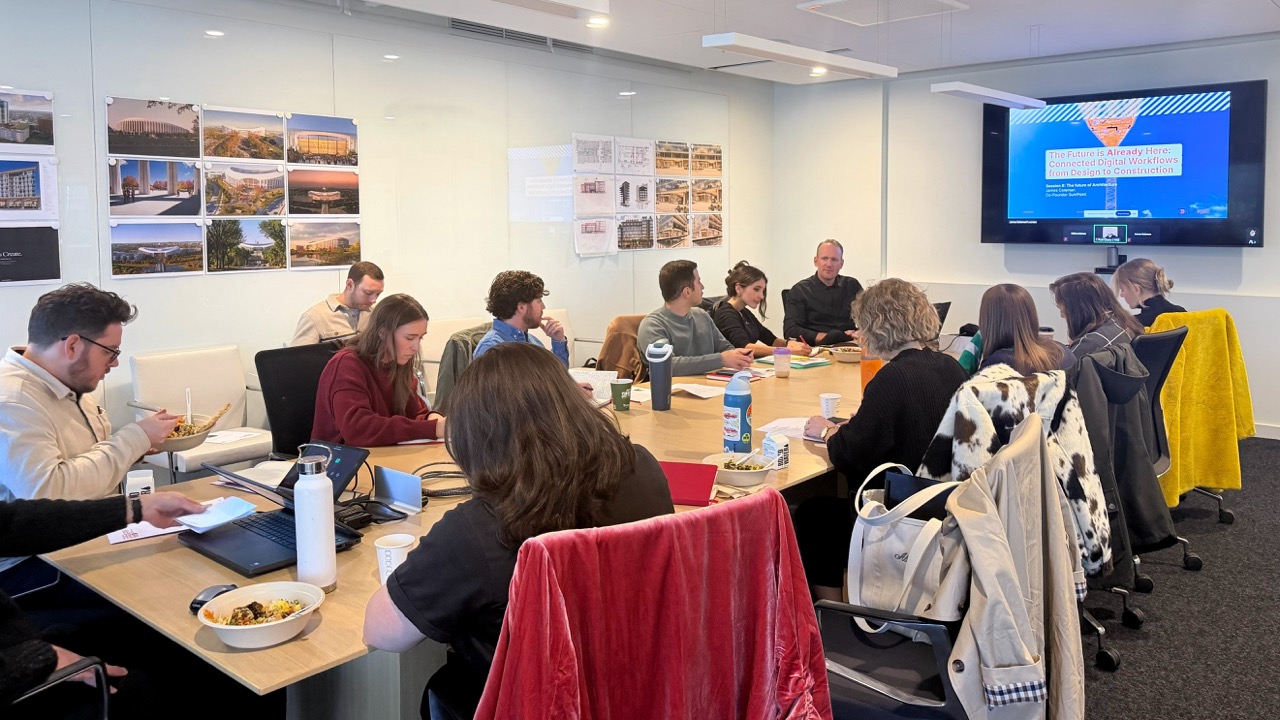
The Future is Already Here: Connected Digital Workflows from Design to Construction – James Coleman, SumPoint

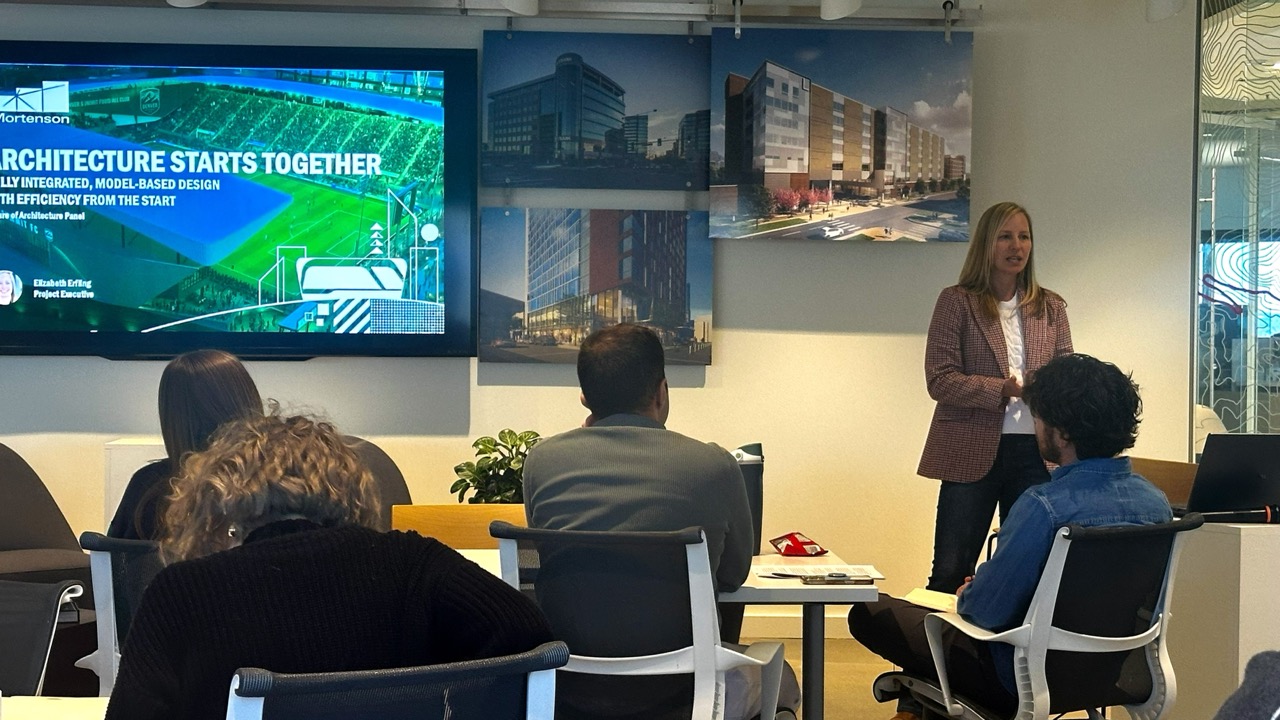
The Continuum: A Conversation About Who Owns the Future of Architecture

Panelists:

  • Maxine Hu, AIA, LEED AP, HKS Architects
  • Joe Marchiafava, AIA, Autodesk
  • Elizabeth Erfling, Mortenson
  • Alejandro Ogata, AIA, LEED AP, Populous
  • David Morris, AIA, LFA, HKS Architects (moderator)

SESSION DESCRIPTION

The day explored how emerging technologies are reshaping architectural practice, improving collaboration, and connecting design with construction. Discussions highlighted opportunities to streamline project delivery, strengthen coordination, and reconsider how firms operate and develop future leaders. The day began with a presentation in which James Coleman demonstrated how computational tools can solve complex challenges while emphasizing the importance of trust, communication, and 

purposeful innovation. The following panel expanded on these ideas, examining how AI and automation may influence professional development, documentation, and the evolving responsibilities of architects. Ultimately, both discussions emphasized preparing architects to embrace technological change while strengthening the critical thinking, leadership, and relationships that are essential to the profession.

KEY TAKEAWAYS

  • Technology is most powerful when paired with empathy, collaboration, and a clear understanding of real-world problems. Designers can improve project outcomes by using technology to streamline workflows, build trust with contractors and clients, and reduce inefficiencies between design and construction.
  • AI is likely to transform how architecture firms operate, preserve knowledge, conduct research, and deliver projects. However, architects will continue to provide leadership, professional accountability, critical thinking, and the human connection necessary for successful project outcomes.
  • We as designers can leverage technology to improve design processes, coordination, and construction outcomes. It is imperative that we learn and apply these tools to understand their potential. “The future is here; it just isn’t evenly distributed.”

CKLDP 2025 Summer Recap

AIA Colorado’s Christopher Kelley Leadership Development Program provides participants the opportunity to form a cohort with other emerging professionals in the field of architecture (sixteen are selected each year from a group of well-qualified applicants), developing their skills on several focused topics in the once-a-month sessions throughout the year. The program honors Christopher Kelley’s legacy, an influential architect in the Washington D.C. community and an advocate for furthering the profession through mentorship. The program originated in Washington D.C., however local chapters now exist across the country, with additional chapters continuing to be established each year (Colorado’s first program year was 2017). 

The program is well underway in its ninth year, with Opening Ceremony, Spring Sessions 1 – 3, and now Sessions 4, 5, and 6 having occurred, where participants engaged in knowledge sharing from industry experts, team building and collaborative activities, and overall improving upon their professional skills.

See below for a summary and highlights of this year’s Summer sessions.

Session 4

Contracts & Negotiations

SESSION DATE: 6/13/2025
LOCATION: SAR+
HOSTED BY: Christina LoConte, AIA, and Charles de Pottere, Assoc. AIA
WRITE UP BY: Quinn McFadden, Assoc. AIA, and Zach Rowley

Presenters

Construction & Architecture Law 101 – Matt Archuletta, Regional Director, The Beck Group

Our Proposal Said What? – Managing Risk Through Proposals – Patty Huntley, Retired Risk Manager, AXA XL

High Stakes Learning – Legal and Contractural Pitfalls – Christian Stover, Vice President, Marx | Okuba Associates, Inc.

Open Forum- Negotiation Strategies – Panelists:

  • Linnaea Stuart, AIA, Principal Architect, Arch11
  • Kate Strauss, Partner, Galvanize Law
  • Jesse Kajer, Principal and COO, Indicate Capital
  • Adam Fenton, Managing Partner, Narrate Holdings

Session Description

This session on Contracts and Negotiation in Professional Practice gave scholars a practical and applied understanding of how contract structure, risk management, and business strategy intersect in the architectural profession. Through the use of AIA contract documents and real world examples, participants analyzed core components such as scope of services, payment terms, and risk clauses. The session emphasized how thoughtful contract language can help align agreements with firm goals, avoid over promising, and mitigate liability while setting projects up for success.

In addition to technical knowledge, scholars explored the interpersonal side of contract work, learning how to identify key players in negotiations, apply effective communication strategies, and approach difficult conversations around scope changes, additional services, and disputes. Exercises and case studies underscored the value of clear, proactive dialogue and strategic decision making. Scholars left with actionable tools for contract evaluation and negotiation, reinforcing that successful practice requires both legal clarity and strong client relationships.

Key Takeaways

  • Explored contracts as essential tools for communication, risk management, and relationship-building in architecture.
  • Featured insights from architects, attorneys, and developers on legal fundamentals and negotiation strategies.
  • Emphasized the importance of clarity, intentionality, and confidence in all contractual and professional communication.
  • Highlighted the architect’s role in managing expectations, defining scope, and understanding the standard of care.
  • Key takeaway: Protect your scope, know your worth, speak clearly, and keep learning—especially from those in the room.

Session 5

Business Development & Entrepreneurship

SESSION DATE: 7/11/2025
LOCATION: CSU Spur Terra
HOSTED BY: Ryan Detroit, AIA, and Hans Davis, AIA
RECAP BY: Christina LoConte, AIA, and Charles de Pottère, Assoc. AIA

Presenters

Architect-ing – Adam Wagoner, AIA, Founding Principal, High Low Buffalo 

Guided Tour of SCU Spur Hydro – Jennifer Cordes, AIA, LEED AP, Market Sector Principal, Hord Coplan Macht 

You don’t need to be a natural at BD. You just need to start. – Victoria Hatfield, Founder, The Growth Plan LLC 

Business Development & Entrepreneurial Thinking for Emerging Professionals – Panelists:

  • Victoria Hatfield, Founder, The Growth Plan LLC (Moderator)
  • Julianne Scherer, AIA, NCARB,LEED AP BD+C, IPMA-, Managing Pricinipal, HDR 
  • Bill Turner, AIA, Founding Principal Path21 
  • Kurt Lloyd Basford, AIA, NCARB, LEED AP BD+C, GGP, Principal, Stantec 

Session Description

This multi-part session explored the evolving landscape of business development and entrepreneurship in architecture through two lectures, a guided site tour, and a panel discussion. One lecture addressed the personal and professional considerations involved in launching an independent practice, offering candid insights into the challenges, mindset shifts, and key steps in starting a firm. The other focused on alternative business models, highlighting how firms are rethinking traditional structures to adapt to shifting industry demands.

During the guided tour of a local project, participants examined how business development strategies directly influence design, delivery methods, and client engagement. The session concluded with a panel
of leaders from architecture and engineering firms of various sizes, who shared practical strategies for scaling operations, navigating risk, and integrating innovation into business practices. Attendees left with a broadened understanding of entrepreneurial thinking and tools to apply these concepts in their own careers.

Key Takeaways

  • Business development is built on relationships. Small, genuine moments and consistent follow-up often leave a stronger impression than any formal pitch. 
  • There is no single path to entrepreneurship. Career growth comes from self-awareness, taking risks, and being open to learning through experience. 
  • Collaboration can be a competitive advantage. Strategic partnerships can strengthen proposals, broaden expertise, and help win complex projects. 
  • Design and business strategy are closely connected. Project delivery, user experience, and client engagement should inform design decisions from the start. 
  • Adaptability is key to long-term success. Embracing change— whether in roles, firm structures, or client expectations—leads to resilience and growth. 
  • Invest in people, including yourself. Emotional intelligence, mentorship, and personal development are essential for leadership and lasting impact. 

Session 6

Sustainability in Design

SESSION DATE: 8/15/2025
LOCATION: HOK, Denver Water
HOSTED BY: Claire Padilla, AIA, and Nathan Allen, AIA
RECAP BY: Hans Davis, AIA, and Ryan Detroit, AIA

Presenters

Panel Discussion: The Lifespan of Sustainable Innovation through Research, Policy Making, Education, and Implementation 

  • Suzanne Minear, AIA Principal, Anderson Mason Dale 
  • Lauren McNeill, Associate Principal, Group 14 Engineering 
  • Valerie Presley, Director of Sustainability, Summit Brick 
  • Brian Gorman, Professor, Colorado School of Mines 
  • Courtney Anderson, Director, City of Denver CASR 
  • Dawson Jones, Chief Estimator, Swinerton 

Building our Climate: Embodied Carbon  – Victor Olgyay, FAIA, Principal, Green Design Collaborative 

Building Tour – Denver Water Campus – Steve Snyder, Public Affairs, Denver Water, and Tony Thornton, AIA, Principal, Stantec 

Native American Living Sustainable Practices – Brian Fagerstrom, AIA, Founder/CEO, Amaktoolik Studios 

Session Description

Session 6 explored sustainability, material innovation, and cultural engagement in architecture through a series of interconnected discussions and experiences. The first session was a panelist discussion, where experts from architecture, engineering, policy, and academia examined how interdisciplinary collaboration and traditional ecological wisdom shape low-carbon, high-impact solutions in the built environment. Topics included carbon-sequestering materials like Carbon Core bricks, Denver’s electrification goals, and the challenges of client education.The second session focused on carbon storage strategies, disassembly-friendly design, and the importance of environmental product declarations in material selection. Together, these sessions emphasized the convergence of research, policy, and design in building healthier, more resilient, and equitable communities. 

Before the final session, we toured the Denver Water campus, gaining firsthand insight into how sustainability was embedded in its development. The tour showcased water reuse systems, energy-efficient design, and systemic strategies that reflect civic responsibility and environmental stewardship. The day concluded with a session centered on tribal engagement in the Fishers Peak State Park project, where participants explored Indigenous sustainability practices, traditional building methods, and the importance of early and respectful consultation with tribal communities. The conversation highlighted the need for policy adaptation, cultural sensitivity, and long-term relationship-building to support inclusive and sustainable land stewardship. 

Key Takeaways

  • Architects, engineers, policymakers, and researchers must work together to move sustainable innovations from concept to implementation. 
  • Academic innovations often stall before reaching industry; stronger faculty-industry partnerships are needed to bridge this divide. 
  • Sustainability depends on selecting materials with clear environmental product declarations, availability, and cost-effectiveness. 
  • The campus demonstrated integrated systems for water reuse, energy efficiency, and public health in civic architecture. 
  • Onsite sessions built trust with tribal participants, showing the value of co-creation and responsive engagement. 

CKLDP 2025 Spring Recap

AIA Colorado’s Christopher Kelley Leadership Development Program provides participants the opportunity to form a cohort with other emerging professionals in the field of architecture (sixteen are selected each year from a group of well-qualified applicants), developing their skills on several focused topics in the once-a-month sessions throughout the year. The program honors Christopher Kelley’s legacy, an influential architect in the Washington D.C. community and an advocate for furthering the profession through mentorship. The program originated in Washington D.C., however local chapters now exist across the country, with additional chapters continuing to be established each year (Colorado’s first program year was 2017). 

The program is well underway in its ninth year, with Opening Ceremony, Sessions 1, 2, and 3 having occurred, where participants engaged in knowledge sharing from industry experts, team building and collaborative activities, and overall improving upon their professional skills. See below for a summary and highlights of the events thus far. 

Session 1

Management & Mentorship

SESSION DATE: 3/14/2025
LOCATION: McCarthy Building Companies
HOSTED BY: Noelle Wilhite, AIA & Lyris Sanchez
WRITE UP BY: Amanda Hansen, AIA & Jenni Lane

Presenters

Managing Interdisciplinary Teams – Rick Sommerfeld, AIA, Architect, Associate Professor, and Directorof ColoradoBuildingWorkshop at the University of Colorado Denver

Leadership & Management Panel + Q&A. Panelists:

  • Byron Zick, AIA, Associate, Davis Partnership Architecture
  • Jim Kehoe, Founding Principal, KEO studioworks
  • Jonas Philipsen, Design Director/Principal, Gensler
  • Elena Scott, Principal, Norris Design

Mentorship + Support Challenge Exercise – Isiah Leyshon, CAGE Civil Engineering

OZ Architecture Mentorship Program – Kiley Baham, OZ Architecture

Session Description

Management and mentorship play crucial roles in the development of an emerging professional in order to gain awareness of the current state of the industry and guidance through project role advancement. Scholars engaged with professionals who work in the education, architecture, and consultant industries to gain their perspectives on managing interdisciplinary teams, firm sizes and management structures. Scholars learned about what makes a good mentor-mentee relationship, how to have difficult conversations, and how to be on track to becoming a successful leader.

Key Takeaways

  1. A successful mentor-mentee relationship relies on the proper balance of challenge and support.
  2. A good leader must prioritize Relationships, Communication, Respect, Patience, Inclusion, and Reflection.
  3. People come first. The power of a mentor relationship starts with understanding their why, and above all what truly works for them.
  4. Embarrassment is the cost of entry…to learn to grow and become the mentor, one must be willing to take the chance and make mistakes in order to get outside of your comfort zone and gain mastery and resilience.
  5. Give perspective, not advice, and meet disagreements with curiosity.

Session 2

Equity, Diversity, & Inclusion

SESSION DATE: 4/18/2025
LOCATION: TAXI Community, Flight Building
HOSTED BY: Gwendoline Albright Ndikumagenge, Assoc. AIA, & Monica Mong
RECAP BY: Noelle Wilhite, AIA, & Lyris Sanchez

Presenters

Design in Mind: Psychology for Neuroinclusive Environment – Kati Peditto, PhD, EDAC, DLR Group

Cultural Proficiency in Times of Change: Strategies for Leaders – Paola Baglietto, Inclusive Culture LLC

Energize Denver: Putting the Human Touch on Building Decarbonization – Berenice El Gharamti, CAS

Voices of Change: Shaping Equity, Diversity & Inclusion in Our Professions and our Communities Panelists:

  • Jen Skidmore, University of Colorado Denver
  • Alexander Person III, AIA, CNU-A, NOMA, JEDI, Smith Group
  • Jovina Amor, LEED AP, Associate Principal at JNS
  • Flory Hamstra, Assoc. AIA, NOMA, Project Manager at AE Design

Session Description

The Equity, Diversity, and Inclusion (EDI) session introduced three keynote speakers and a panel with four professionals within the architecture industry addressing a series of topics including unconscious bias in design, neuroinclusive design, strategies for fostering inclusive workplaces, and ensuring equitable hiring and leadership representation. Scholars learned how to include the minority voice with highly involved real-world case studies. Scholars gained an understanding on how to engage culturally sensitive topics with leadership and provide productive paths to move forward. Through this course scholars learned that community engagement can give a deeper understanding to different perspectives, privileges, and lifestyles that people identify with and perhaps apply these topics within design.

Key Takeaways

  1. Acknowledging that privilege is a special advantage within social classes.
  2. Empathy is the first step in putting yourself in other people’s shoes to understand their struggle and inform your leadership decision.
  3. Equity is how well your practices align with the reality of people’s lives, while it may seem unattainable, we can strive to improve social economic factors.
  4. Understanding bias contributes to “social norms” and how we constantly judge people and make decisions on them. This a?ects hiring practices and should educate those on bias.
  5. As a professional, be open to inviting leadership to co?ee for the opportunity to learn about each other and gain useful experiences if struggling with a problem.

Session 3

Community Engagement

SESSION DATE: 5/16/2025
LOCATION: Perkins&Will
HOSTED BY: Quinn McFadden & Zach Rowley
RECAP BY: Gwendoline Albright Ndikumagenge, Assoc. AIA & Monica Mong

Presenters

Community-Centered Design: Engaging Partnerships for Accessible Healthcare and Housing. Panelists:

  • Rainey Hughes, EDAC, Healthcare Strategic Account Exec, MillerKnoll
  • John J. White, AIA, Associate COO, Denver Health
  • Christine Kennedy, Space Planning Utilization Administrator, Denver Health
  • Haley Jordhal, Dr. of Development, Perry Rose LLC
  • Courtney Burns, Public Realm Manager, RiNo Art District

Empowering Through Art: LCAC’s Mission of Culture and Community Engagement – Alfredo Reyes, Executive Director, Latino Cultural Arts Center

Access to Housing – Chad Holtzinger, AIA, President, ShopWorks

Civic Leadership 101 – Plugging In & Standing Out – Amy Tarczynski, Dr. of Civic Engagement & Development, Downtown Denver Partnership

Session Description

This session on Community Engagement offered scholars a rich and multi-dimensional look at how design, leadership, and civic participation intersect to support equitable, inclusive, and resilient communities. Through a panel discussion and individual speaker presentations, scholars explored the nuanced distinctions between placemaking and placekeeping, emphasizing the importance of designing with communities—not just for them. Case studies such as the Sun Valley redevelopment and 655 Broadway highlighted how collaboration between design professionals and local organizations can transform public housing, healthcare access, and wellness facilities.

From practical engagement strategies to a deeper understanding of community-rooted design, scholars left with actionable tools, a renewed sense of purpose, and an invitation to action. The session reminded all attendees that effective leadership begins with listening, showing up, and building spaces that reflect the needs, values, and pride of the communities they serve.

Key Takeaways

  • 1. Understanding the nuances between placemaking (creating new spaces) and placekeeping (honoring and preserving the existing culture and community)
  • 2. It’s not about the buildings; it’s about the people – listen and gather input from all stakeholders.
  • 3. Think about the end user of the space.
  • 4. The power of showing up – a lot of learnings come from walking the site in-person and being immersed in the community
  • 5. Build out a toolkit – to remember what has worked well on projects
  • 6. Consider how the building can create a point of identification and pride for the community

Christopher Kelley Leadership Development Program: 2025 Opening Ceremony

2025 Opening Ceremony

The 2025 inaugural session of AIA Colorado’s Christopher Kelley Leadership Development Program (CKLDP) was held on January 17th at OZ Architecture. It was an exciting day getting to know the cohort and set the stage for an engaging year of growth and learning. 

The first presenter, Rachael Yee, AIA, SmithGroup is the founder of AIA Colorado’s CKLDP and former AIA Colorado President. In addition to an introduction to the program’s history, evolution and purpose, Rachel presented on  “Following Your Why”, emphasizing the importance of identifying your purpose in order to foster not only professional growth but also personal transformation, setting an inspiring tone for the sessions to come. 

1 |
4 |

Our second speaker, Jamie Perkins, led an engaging workshop focused on defining the 2025 Scholar Group’s goals, values, and expectations for the year. Participants engaged in discussions to identify key objectives they wanted to achieve as a cohort, including fostering a collaborative environment and embracing diverse perspectives. Core values such as dependability, engagement, and communication were highlighted as central to the group’s culture. The session also covered the importance of establishing clear expectations to guide behavior, communication, and teamwork throughout the program. The workshop was interactive, with participants sharing their insights and contributing to a collective framework that will guide future sessions. 

The session concluded with a strong sense of shared purpose and commitment to the values and goals established, ensuring alignment as the group moves forward into the next phases of the program. 

3 |
2 |

The next session for the 2025 Class will be Friday March 14th covering Management & Mentorship. 

Thank you to sponsors Martin/Martin, McCarthy Construction, and Schluter Systems.

AIA Colorado CKLDP 2024 – Summer Recap 

AIA’s Christopher Kelley Leadership Development Program provides participants the opportunity to form a cohort with other emerging professionals in the field of architecture (sixteen are selected each year from a group of well-qualified applicants), developing their skills on several focused topics in the once-a-month sessions throughout the year. The program honors Christopher Kelley’s legacy, an influential architect in the Washington D.C. community and an advocate for furthering the profession through mentorship. The program originated in Washington D.C., however local chapters now exist across the country, with additional chapters continuing to be established each year (Colorado’s first program year was 2017). 

At this stage in the summer, the program is now officially past the halfway mark. Sessions 3, 4 and 5 focused on topics as detailed in this summer’s recap, continuing to build skills in areas that are oftentimes beyond daily exposure for emerging professionals. Through the program, the topics for each session are predefined, with a few loose guidelines, but each year is shaped by the participants, who organize, plan and host each session following bootcamp along with a partner from the program. It’s been exciting to see how this year’s scholars have pushed the session topics and content to new heights! 

Session 3_Photo1 |
Session 3_Photo2 |

Session 3

Community Engagement

Date + Location

  • May 10, 2024
  • Dahlia Campus for Health + Well-Being

Speakers

  • Marc Swackhamer, AIA, Chair of Architecture Department and Professor, CU Denver
  • Hansel Bauman, Human-Centered Design Specialist, Founder and Principal, HB/A+P
  • Dee Dee DeVuyst, Executive Director, Radian
  • Lydia Prado, PhD, Former Vice President of Child and Family Services for the Mental Health Center of Denver, Founder, Lifespan Local
  • Cath Bellem, Architect, Founder, Collective Potential

Organizers

  • Mallory Esselman, AIA, and Zachary Sherrod, AIA

Through the lenses of subject matter experts engaged my Mallory and Zachary, in this session, scholars looked at best practices for engaging within their community, at the various scales and spheres by which a “community” may be defined. Design backed by research, an effort requiring process and dedication before a building or space is ever drawn, was a highlight of the session and a common theme through each speaker’s content. Real-life examples where shared through a walking tour of the North Park Hill neighborhood and of the Dahlia Campus, where the session was hosted. 

Session 4_Photo1 |
Session 4_Photo2 |

Session 4

Business Development + Entrepreneurship

Date + Location

  • June 14, 2024
  • Interior Environments 

Speakers

  • Krista Trofka, National Business Development Leader, Senior Associate, DLR Group
  • Sarah Cullen, President, Sidecar PR
  • Adam Wagoner, AIA, Principal of High, Low, Buffalo, Host of Architect-ing Podcast
  • Chris Holzwart, AIA, Principal and Owner of Holzarch
  • Haily Tweedie, Founder, Tweed Studio
  • Jennifer Olson, Partner, ForumPhi
  • Samantha Hunt-Duran, Owner and Founder, Mountain Museum Management LLC

Organizers

  • Sara Zezulka, AIA, and Sonya Shah, AIA, NOMA

Sara and Sonya developed this session to start with building a few key understandings with “Designing Your Impact” and “Starting with Why” presentations. Scholars were presented with effective business development and growth strategies, those that are driven by intention and purpose, then were encouraged to discuss and think about application of these ideas with a follow-up break out reflection period. Throughout later portion of the afternoon, additional conversation and perspective was shared via a panel moderated by Sara and Sonya. Participants in the panel discussed their varied experiences as entrepreneurs and industry leaders – Their successes, and their lessons learned. 

Session 5_Photo1 |
Session 5_Photo2 |

Session 5

Contracts + Negotiation

Date + Location

  • July 12, 2024
  • Flight Building

Speakers

  • Daniel T. Buelow, Managing Director, WTW A&E
  • Jacqueline Pons-Bunney, Esq.,Managing Partner and Owner, W&D Law, LLP
  • Kelly Smith, AIA, Owner, Studio | Shop
  • Bryan Schmidt, AIA, LEED AP – Principal at Semple Brown
  • Deborah Tan Lucking, FAIA, LEED AP BD+C, Director of Sustainability, Fentress

Organizers

  • Erich Dernbach, AIA, and Taylor Higgins, AIA  

In this session, hosted at the Flight Building by Erich and Taylor, the scholars learned more about the art of contracts and negotiation. Though not what may first come to mind in considering what it means to be an architect, understanding liability, legal consequences and the role of architect as advocate are all critical components to successful practice within the industry. Terms and responsibilities, the nuances in contracts, key items to be aware of, were shared during the session, as well as a number of legal case studies. The panel discussion, comprised of industry leaders, shed light on the architect’s part in educating prospective clients on the duties performed by the architects as well as how a well-executed contract is the best way to mitigate risk. 

AIA Colorado CKLDP 2024 – Spring Recap 

AIA’s Christopher Kelley Leadership Development Program provides participants the opportunity to form a cohort with other emerging professionals in the field of architecture (sixteen are selected each year from a group of well-qualified applicants), developing their skills on several focused topics in the once-a-month sessions throughout the year. The program honors Christopher Kelley’s legacy, an influential architect in the Washington D.C. community and an advocate for furthering the profession through mentorship. The program originated in Washington D.C., however local chapters now exist across the country, with additional chapters continuing to be established each year (Colorado’s first program year was 2017). 

The program is well underway in its eighth year, with Bootcamp, Sessions 1 and 2 having occurred, where participants engaged in knowledge sharing from industry experts, team building and collaborative activities, and overall improving upon their professional skills. See below for a summary and highlights of the events thus far. 

Bootcamp

CKLDP 2024 | Bootcamp

Date + Location

  • January 19, 2024
  • AlA Colorado – The Alliance Center

Speakers

  • Rachel Yee, AIA, NCARB, EDAC – Architect, Founder of CKLDP Colorado Chapter, and former President of AIA Colorado
  • Jamie Perkins – Communications Consultant, Jackalope Strategy
  • Rebekah Wagoner, AIA – Architect, CKLDP Colorado Alumni and Former Chair, AIA Colorado Young Architect of the Year 2024

Organizers

  • CKLDP Colorado Executive Committee

This year’s program started with the “bootcamp session” hosted by AIA Colorado at The Alliance Center. Scholars (program participants) introduced themselves PechaKucha style, met the executive committee and learned the program’s expectations and responsibilities for the year to come. They were joined by guest speakers Rachel Yee, AIA, and Rebekah Wagoner, AIA, who were both able to share their experiences with CKLDP, some history of the program, and their advice to emerging professionals in the field of architecture. The session also included a workshop led by Jame Perkins of Jackalope Strategy to set group norms around values, decisions making, conflict resolution, meetings and communication/tools to be applied throughout the year.

Session 1

Management + Mentorship

CKLDP 2024 | Session 1

Date + Location

  • March 8, 2024
  • McCarthy Construction

Speakers:

  • Michele Raftery, FSMPS, CPSM, WELL AP – Principal and Partner 4240 Architecture
  • Rick Peterson, FAIA, LEED AP – Principal Oz Architecture; Geneva Kowalski, NCARB, LEED AP, CPHT – Principal and Partner Studio K2 Architecture
  • Todd Afflerbaugh, RA, LEED AP – Senior Associate BVH Architecture
  • Bob Binder, AIA, LEED AP BD + C – SW Region Leader DLR Group; Katelyn Wager, PE – Commercial Division Leader EVstudio Structural Engineering
  • Jordan Swisher – Commercial Real Estate Brue Baukol; Jason Coughlin – VP of Operations McCarthy Constructions

Organizers

  • Hannah Hobbs, AIA, and Mackenzie Huber, AIA

The first session hosted by scholar pairing Hannah Hobbs, AIA, and Mackenzie Huber, AIA, included presentations by architectural leaders and principals in our local community covering topics such as the importance of active listening in leadership, improving interpersonal connections, balancing the team, client and architectural design stakeholders in projects, creating a supportive environment, and informal/formal mentorship. The session wrapped up with a panel comprised of representatives from the A/E industry where participants discussed their experiences with mentorship, where the relationships and benefits to be had, go both ways. 

Session 2

Equity, Diversity + Inclusion

CKLDP 2024 | Session 2

Date + Location

  • April 12, 2024
  • DLR Group

Speakers: 

  • Tom I. Romero II, Ph.D, J.D. – Director of Interdisciplinary Research Institute for the Study of (in)Equality at the University of Denver
  • Brian J. Fagerstrom, AIA, Inupiaq – Founder and CEO Amaktoolik Studios
  • Adriana Medina-López-Portillo, Ph.D, CMC, ELI-MP Founder and CEO Pangea Training
  • Summer Westbrooks – Owner and CEO Aloha Spirit Marketing
  • Jessica Bantom – Global Leader of Equity, Diversity, and Belonging DLR Group, Interior Design consultant

Organizers

  • Wei Zhao, AIA, and Ash Baldwin, AIA

The second session, hosted by Wei Zhao, AIA, and Ash Baldwin, AIA, focused on ways to be more inclusive as a design professional and how to better understand others’ perspectives, unpacking biases within ourselves and the industry. The session began with “A Brief History of the Color Line in Colorado” by Dr. Tom Romero, discussing architecture’s connection to the land, organization by law, the history and recognizing impacts. The second speaker, Brian Fagerstrom, AIA, shared the Native American land perspective, and one particular project, where a large effort was made to bring together more than 30 tribes from six states to be consulted prior to the start of design for Fishers Peak State Park. Adriana Medina-López-Portillo facilitated a workshop with Summer Westbrooks to unpack how explicit and implicit biases occur. Jessica Bantom presented “6 Habits of Culturally Competent Designers”, reminding the group that consistent effort is needed to embody cultural competence. Lastly, the session wrapped up with a Safe Place Discussion, asking “Where do we go from here?” joined by members of the AIA Colorado JEDI Committee.

Christopher Kelley Leadership Development Program: Session 1 Recap

Christopher Kelley Leadership Development Program
Session Date: 3/8/2024 
Location: McCarthy Construction Denver Office 
Hosted by: Hannah Hobbs &  Mackenzie Huber 
Recap written up by: Kari Lawson & Caleb Leftin 

Recap

Session 1: Management & Mentorship

Session Description

  • Define elements & importance of active listening 
  • Describe key ways to manage an effective team 
  • Define importance of mentorship 
  • Discuss different ways mentorship can show up throughout the A/E industry 

Key Takeaways

  • Key Takeaway 1
    • Active listening, crucial for job success and relationship quality, involves attentiveness and understanding verbal and non-verbal cues to foster trust and empathy. Overcoming barriers and adopting strategies for effective listening can enhance communication and interpersonal connections. 
  • Key Takeaway 2
    • Effective team management hinges on fostering empathy, agency, and accountability, along with clear expectations and goals, to cultivate ownership and pride. Addressing common issues like unmet expectations and role mismatches through strategic communication and empowerment is crucial for creating a supportive and successful team environment. 
  • Key Takeaway 3
    • Mentorship can show up in many different forms. It is up to the individual seeking mentorship to know what is right for them, and to be dedicated to learning, personal, and career growth. A mentor is an invaluable resource throughout one’s career. 

Resources

  • Edgar Dales Cone of Experience 
  • Maslow Hierachy of Needs 
  • Linda Phillips-Jones Meente’s Guide & Mentor’s Guide 
  • Emotional Intelligence 2.0 

Key ways to manage an effective team 

  • Build empathy. Care about who you are working with – and for.
  • Agency + accountability = Ownership.
  • Clearly state expectations. People can’t read minds.
  • Clearly state goals. Design parti, project vision, and defining principles.
IMG_2817 |

Listening to Learn: A Pathway to Rewarding Leadership

Michele Raftery, a partner/principal at 4240 Architecture, shared her insight and wisdom on active listening. Effective listening is key to job performance and enhancing relationships. It’s a critical but often overlooked skill necessary for information gathering, understanding, and learning. Edgar Dale’s ‘Cone of Experience’ shows we remember only 20%-50% of what we hear, underlining the importance of active listening. This involves attentiveness, minimizing distractions, understanding verbal and nonverbal cues, and engaging with the speaker through questions and clarifications. 

Active listening fosters trust and empathy, essential for building strong relationships. Recognizing and overcoming barriers like environmental distractions and personal biases can improve listening skills. Strategies to enhance active listening include embracing positive habits, conducting self-checks, and actively seeking feedback to foster a culture of open communication. 

Addressing personal needs as outlined in Maslow’s Hierarchy can also prepare individuals for better listening, making it a cornerstone of effective teamwork and interpersonal connections. 

IMG_2818 |

Managing the Trifecta: Teams, Projects, and Clients

Rick Peterson, FAIA, Principal at OZ Architecture, led a presentation with refreshing candor on what it takes to balance the moving targets of project relationships. Managing a successful team requires a balance of empathy, agency, and accountability, fostering a sense of ownership among team members. Setting clear expectations and goals is essential. Addressing issues. Effectively involves taking responsibility, careful scheduling to avoid overcommitment, and empowering team members to take ownership and feel proud of their work. Effective communication and collaboration, especially in person, create an atmosphere of opportunity and enjoyment, aiming to make everyone successful. Common challenges include misplaced optimism by architects, unmet expectations, and mismatches of roles or team dynamics, such as having the right people in the wrong seats or incompatible team members. Overcoming these hurdles through strategic management and a supportive environment is key to team effectiveness. 

IMG_2819 |

The Importance of Mentorship

Geneva Kowalski, the principal and majority partner at Studio K2 Architecture highlighted the importance of mentorship by telling her story of different mentors she’s had over the years. 

Mentorship can show up in many different ways – it can be a formal program set up by a workplace or it can be sought out and doesn’t have to be as defined or rigid of a relationship. Relationships outside of the mentee’s firm can be equally or more important, and can be someone in a professional organization, or someone the mentee has worked with in the past.Sometimes a mentor can be someone that you are frequently meeting with and can help you with day-to-day question. Other times, a mentor can be someone that is only met with on occasion and can help with bigger-picture ideas and long-term career growth.Mentorship can have many benefits including knowledge transfer, help networking, giving constructive feedback, and helping with career and personal growth. 

IMG_2821 |

Panel: Differing Perspectives on Mentorship in the A/E Industry

The Panel consisted of 4 representatives of different aspects of the A/E industry: an architecture firm, A/E firm, General Contractor, and Developer. The panel was led by Todd Afflerbaugh, an architect at BVH. Todd asked many pointed questions about how mentorship showed up in each panelist’s own experience. The responses of panelists often paralleled each other, highlighting the importance of having someone to lean on during your career. Mentorship is not an everyday task, but something that is periodic. It differs from career management in the sense that it can provide personal guidance and a mentor can be an advocate for a mentee within their firm. Within firms, it can be important to have a formal structure in place, and a timeline established for the relationship so there can be a clean break if necessary, or the relationship can continue if desired. Important qualities of a mentee are being able to define their needs, asking critical questions, seeking honest feedback, and a desire to learn.A mentor-mentee relationship is always two-ways, and the mentor can learn from the mentee as well. 

Christopher Kelley Leadership Development Program: 2023 Mid-Year Recap

The Christopher Kelley Leadership Development Program is aimed at nurturing and developing emerging leaders in the field of architecture. Named in honor of Christopher Kelley, an influential architect and advocate for mentorship, the program provides selected participants with a unique opportunity to enhance their leadership skills, expand their professional networks, and engage in meaningful dialogue and collaboration. Through a series of immersive sessions, seminars, and mentorship opportunities, the program equips participants with the knowledge, tools, and perspectives needed to navigate the complexities of the architecture industry and make a positive impact on their communities. 

The Colorado chapter, founded in 2017, continues the mission of supporting and developing emerging architects who aspire to become influential leaders in their field. Now entering its seventh year, the program is well underway, with four events already in the books for 2023. Below are some highlights from the program so far.

Boot Camp

The Colorado chapter of the Christopher Kelley Leadership Development Program (CKLDP) kicked off its 2023 program with an eventful Boot Camp session, held in the salon space of rowland+broughton. The session began with Rachel Yee, AIA, former AIA Colorado President and founder of the CKLDP Colorado chapter, sharing the history of the program and the importance of storytelling in architecture. Mike Waldinger, Hon. AIA, CEO AIA Colorado, also provided valuable advice on traits that successful leaders should embody, emphasizing the power of storytelling. To conclude the session, Martin Moe III facilitated a discussion on culture and group norms, setting the stage for future interactions throughout the program this year.

  • Date and Location: January 20th, Rowland+Broughton
  • Speakers:
    Rachel Yee, AIA – Architect at SmithGroup and founder of the Colorado chapter of CKLDP
    Mike Waldinger, Hon. AIA – CEO, AIA Colorado
    Martin Moe III – Senior Analyst, Facilitator, and Process Improvement Trainer
  • Organizers: CKLDP Executive Committee

Session 01: Entrepreneurship and Management

The first session delved into the world of entrepreneurship and management. The session started with a panel discussion featuring Stacey Passmore, Diane Lipovsky, Adam Wagoner, AIA, and Miles Dake, who shared their experiences and insights on starting a business and building a team. Key takeaways from the panelists included the importance of flexibility in entrepreneurship, establishing a clear mission and vision for a business, and looking for humility in team members. The session also included presentations on relational leadership tools by Jimmy Carnes and practical leadership tools and resources such as articles, books, podcasts, and tools to enhance their leadership skills. Lastly, Krista Trofka shared insight on the importance of personal relationships, value proposition, and staying curious.

  • Date and Location: March 10th, Arch11
  • Speakers:
    Stacey Passmore – Founder of Superbloom Landscape Architecture
    Diane Lipovsky – Founder of Superbloom Landscape Architecture
    Adam Wagoner, AIA – Co-founder of Further Architecture Office
    Miles Dake – Founder of Dake Collaborative
    Jimmy Carnes – Coach at Capable Life
    Krista Trofka – National Business Development Leader at DLR Group
  • Organizers: Levi Wall, AIA, and Linnaea Stuart, AIA

Session 02: Diversity, Equity, and Inclusion (DEI)

The second session focused on diversity, equity, and inclusion (DEI). Joy Crouse delivered a keynote address that provided definitions, conceptual overviews, and engaging activities to foster meaningful conversations about DEI. The session highlighted the importance of recognizing the difference between intent and effect, understanding surface and deep culture, and striving for equality and liberation. Additionally, a panel discussion featuring representatives from the National Organization of Minority Architects addressed the past, present, and future of diversity, equity, and inclusion in the profession, with panelists sharing personal experiences and emphasizing the need for action. The session concluded with a DEI workshop led by Jen Skidmore, which encouraged participants to envision the future of architecture in terms of diversity, equity, and inclusion. The session focused on challenging dominant narratives, considering barriers and solutions, and reflecting on personal actions for advancing equity and justice in the field.

  • Date and Location: April 14th, Gensler
  • Speakers:
    Joyous Crouse – Training and Development Facilitator
    Patricia Joseph Gill – Associate Project Architect at The Abo Group
    Ron Abo, FAIA – Founder of The Abo Group
    Guadalupe Cantu, AIA – Associate Principal at Davis Partnership Architects
    Ivan Patino – Associate at Tryba Architects
    Jen Skidmore – Director of Professional Development and Internships at the University of Colorado, Denver, College of Architecture and Planning
  • Organizers: Andriy Grygorenko and Kelly Buchanan, AIA

Session 03: Community Engagement

Session three focused on community engagement for architects. The session explored the importance of meaningful engagement with communities and how it can enhance architectural work. The first speaker, Evelyn Lee, discussed the traits of effective community leaders, emphasizing the need to establish a personal brand and voice to create influence. Laura Rossbertshared her research on trauma-informed design, highlighting the importance of understanding the diverse experiences of a building’s various users to create inclusive environments. Rick Sommerfeld discussed the Colorado Building Workshop and emphasized the value of finding opportunities within the community for architectural projects. Lastly, Deanna Weber and Jay Renkens led a workshop on effective facilitation in public interest design, emphasizing empathy, active listening, and creating an inclusive and safe environment for community engagement. The session provided attendees with tools and resources to enhance their community engagement practices, including podcasts, open-source research, and recommended readings on facilitation and design.

  • Date and Location: May 12th, TreanorHL
  • Speakers:
    Evelyn Lee – Global Head of Workplace Strategy and Innovation at Slack Technologies
    Laura Rossbert – COO and Supportive Housing Specialist at ShopworksArchitecture
    Rick Sommerfeld – Associate Professor and Director of the Colorado Building Workshop at the University of Colorado, Denver
    Deanna Weber – Principal and Vice President, Buildings + Places US West at AECOM
    Jay Renkens – Principal and Director of Firmwide Planning and Design Services, MIG
  • Organizers: Pratiksha Achari, Assoc. AIA, and Sarah Long, AIA

The first four sessions of the CKLDP Colorado chapter provided participants with a diverse range of topics and perspectives. By addressing topics such as entrepreneurship, management, DEI, and practical leadership tools, these sessions equipped the participants with valuable knowledge, insights, and tools for their personal and professional growth. As the program continues, the participants can expect to further develop their leadership skills and contribute to the advancement of the architecture profession in Colorado.

An Intro to the Christopher Kelley Leadership Development Program

Mentorship and professional development with emerging professionals is invaluable—a must. AIA Colorado is grateful to provide its emerging professionals a pathway in career development while honoring the legacy and contributions of the late Christopher Shawn Kelley, AIA, a Washington, D.C.-area rising star who passed away suddenly in 2012.

The Christopher Kelley Leadership Development Program (CKLDP) started in Washington, D.C. in 2013 and expanded to Colorado in 2016 by way of AIA Colorado President Rachael Johnson, AIA. Johnson is a CKLDP founding member and a scholar of the 2014-15 D.C. class. She saw, firsthand, the benefits for members and architectural firms. With great vision, Johnson influenced AIA Colorado to be the first expansion location for the CKLDP.

In 2021, 16 emerging professionals were selected as CKLDP Scholars. An emerging professional is defined as someone who has graduated from college with an architecture degree and is not yet licensed or within 10 years of receiving their professional license.

Apply soon if you meet the aforementioned criteria and want to expand your architectural horizon in 2022. Applications are due by December 6, and a detailed application timeline is below.

CKLDP applicants need to submit four different items: 1) a written application, 2) a recommendation, 3) your resume, and 4) a short-answer form. A fifth item, the Tuition Assistance Form, is optional.

A unique and fun aspect of each year is every class of scholars collaborates and plans out the details for their upcoming schedule. Speakers, topics, and locations are defined by the scholars themselves. This tailored approach makes this year a win-win for each individual class.

During this webinar, recent scholars shared takeaways from this past year’s CKLDP (see below). Of course, COVID made an impact, but this class was steadfast and adaptive. AIA Colorado CEO Mike Waldinger said, “This class was inspiring at what was learned and how to head forward thanks to their resilience.”

What should upcoming CKLDP Scholars expect?

  • A diverse, quaint environment enriched for learning.
  • Learn from industry leaders in architecture and other career sectors.
  • Gain lifelong friends.
  • Grow and be challenged.
  • Discuss latest architectural trends.
  • Become a better architect and understand business/leadership.

What 2021 session topics were noteworthy?

  • Justice, equity, diversity, and inclusiveness: getting out of one’s comfort zone and learning from others.
  • Contracts and negotiation: very timely topic that can be scary, yet very important to an architect.
  • Environmental threat analysis software: view upcoming challenges and how to establish mitigation protocols.
  • National/International Architects: Moshe Safdie, Peter Gluck, Grace Kim, Jonathan Segal, Enoch Sears and Jaron Lubin.

For those emerging professionals, please consider applying for this distinct professional development program. Understand the application process and the important dates below. Let’s honor Christopher Kelley by learning from each other as we design buildings for a better Colorado.

2023 Application Timeline / Schedule

  • Applications Open: November 16, 2022
  • Applications Due: December 11, 2022
  • Bootcamp Session: January 2023

For more information or questions, please contact CKLDP Chair Leah Gordon, AIA.
An Intro to the Christopher Kelley Leadership Development Program

© AIA Colorado 2026