Colorado Architecture News | 11.05.25

News from the Colorado Chapter of The American Institute of Architects
11.05.25
In this Newsletter:
- Practice + Design Conference late registration
- 2026 AIA Colorado Call for Volunteers
- 2026 Christopher Kelley Leadership Development Program
- 2026 ASCEND Mentorship Program
- MOLLIE Aspen on Hotels ByDesign
- Foothills Golf Clubhouse on American ByDesign
- Nov 6 Designing for Extreme Environments Part II: Summit Station, Greenland
- Nov 6 EP/YA happy hour in Colorado Springs
- Community news and events
- National news
- Premier Partner spotlight: Humboldt Sawmill and Allweather Wood
AIA COLORADO’S
NEWS

Late Registration available for Practice + Design Conference
Did you miss the regular registration deadline? There’s still time to join Colorado’s premier architecture event, the 2025 Practice + Design Conference, taking place November 12–14 in Keystone, CO.
This year’s theme, THE POWER OF, invites you to explore how design can shape policy, processes, and communities, empowering architects to influence the future of our built environment.
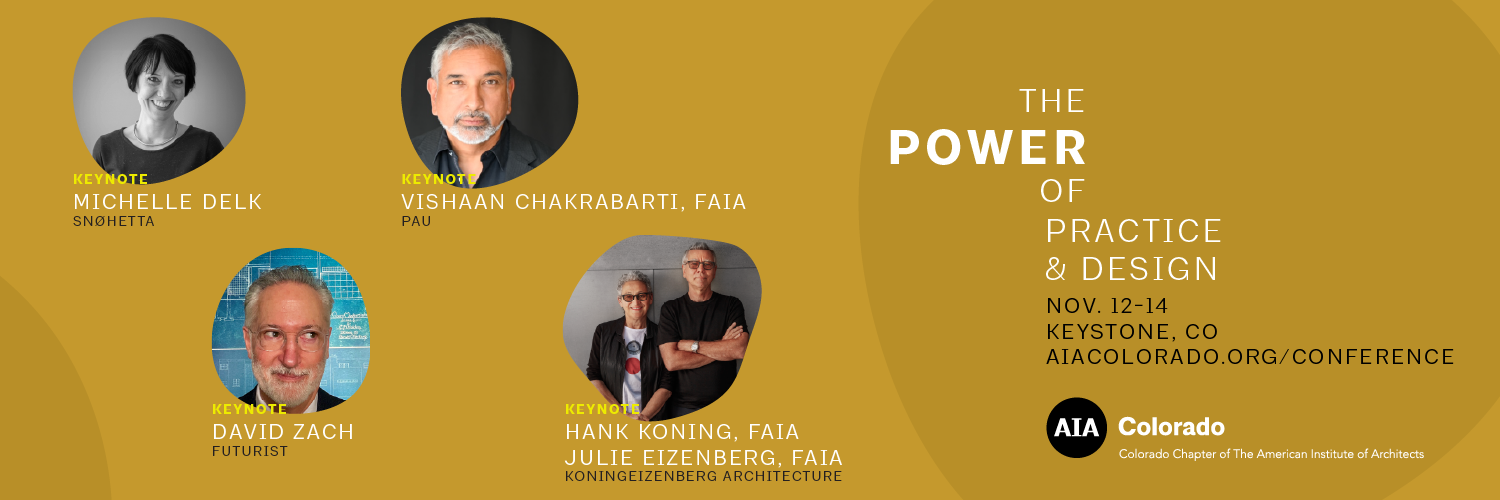
Connect with more than 500 design professionals while earning up to 13 CEUs (including 9 HSW) through two days of dynamic programming, keynotes, Tech Connect, and networking. Keynotes include Hank Koning, FAIA, and Julie Eizenberg, FAIA, Vishaan Chakrabarti, FAIA, Landscape Architect Michelle Delk, and Futurist David Zach.
Late registration is available through November 11th. Secure your spot today and join us!

2026 Call for Volunteers
The 2026 AIA Colorado Call for Volunteers is now open. We are seeking members to serve on committees that reflect our mission, vision, and values. Volunteering with AIA Colorado is a great way to develop leadership skills, connect with colleagues, and help shape the future of the profession. We encourage candidates from a variety of perspectives and backgrounds including career stage, firm size, practice type, location, and personal demographics. Apply today and make your impact on architecture in Colorado! Application window closes Monday, December 1st, at 11:59pm. More information is available here.

2026 Christopher Kelley Leadership Development Program
The Christopher Kelley Leadership Development Program (CKLDP) aims to train the next generation of leaders in architecture through a series of nine half-day sessions. The curriculum focuses on honing skills like:
- Entrepreneurship and firm management
- Teamwork and collaboration
- Negotiation skills
- Client development
- Community leadership
- Understanding industry trends
Each year, this competitive program accepts 16 emerging professionals to collaborate,
learn together, and develop as leaders in architecture. This program is ideal for members who are eager to advance in their career and either have not yet become a licensed architect, or have been licensed for 10 years or less.
Applications for the 2026 Class are now available with the window closing Monday, December 1st, at 11:59pm. More information about the program can be found here and the application link is here.

2026 Ascend Mentorship Program
The Ascend Program connects emerging architecture professionals with mid-career architects through mentorship as an intentional first step into the profession. These connections will support EP’s in the early stage of their careers, guiding through challenges, setting goals, and developing the skill set to succeed. Ascend groups are organized locally.
Program Outcomes:
- Guidance
- Awareness and identification of culture of architecture profession. Training on professional etiquette and expectations. Negotiate the adjustments from academia to profession.
- Support, Problem Solving
- Preparing for and dealing with challenges in the working environment.
- Career Planning, Goal Setting
- Understanding the different career paths in architecture. Setting goals in a career and developing a pathway to achieve those goals.
Mentors and Mentees for the 2026 program are now invited to apply now until Monday, December 1st, at 11:59pm. More information about the program can be found here and the application link is here.
Todd Kennedy, AIA, of CCY Architects, walks us through MOLLIE Aspen in a recent episode of Hotels ByDesign. Watch the segment here.
Nicole Nathan, AIA, of JNS Architecture + Interior Design, shows off Foothills Golf Clubhouse on an episode of America ByDesign. Watch the Producer’s Cut here.
Have a project that you’d like to see in a future America ByDesign episode? The show’s producers are looking for Colorado projects! Information about the show and next steps can be found here.


AIA in conversation with Brad Buchanan, FAIA
AIA members recently met with Brad Buchanan, FAIA, Denver’s Planning Director, and came away from the time together excited about what’s ahead for Denver. Everyone agreed the Development approvals process needs improvement and Brad helped AIA architects understand recent changes and how they’re already making a difference. For example, concept SDP submittals are now “one and done”, meaning CPD will provide responses and projects are able to move directly into Formal SDP Submittals. Additionally, Brad’s charge to AIA Colorado included doing better work. “Denver needs great architecture, but we can’t regulate design,” he said. We’re eager to help Brad and the entire team at Planning and Development shape a more efficient and successful path for better development in Denver.

AIA members met up in the South for happy hour following the AIA Colorado board meeting earlier that day. See photos from the happy hour here.

In Boulder, David Barrett, FAIA, shared meaningful moments from his career, approaches to his craft, and thoughts on life in an environment rich with creativity with members at the event “Drawing on Life: 50 Years with Barrett Studio.” See photos from the event here.

Studio Completiva led members on a tour of The Burrell, a workforce housing development located in Denver’s River North Arts District (RiNo) and Five Points neighborhoods. See photos from the tour here.

The day before Halloween, HNTB led a group of AIA members on a “ghost tour” of the Denver airport. In the end, everyone made it back above ground.. no haunting delays reported. See a video from the tour created by Denver Advisor Sonya Shah, AIA, here. Thanks to Chelsea Wade, AIA, for the photo!
AIA COLORADO’S
EVENTS
Nov 6 • Designing for Extreme Environments. Part II – Summit Station, Greenland
Thursday, November 6th, at 9am, join members for a presentation and discussion led by OZ Architecture and Hugh Broughton Associates of the firms’ partnership over the past year to design a new US Station on the remote Greenland Ice Cap. This virtual event will address topics of Project Acquisition, Teaming Strategies, Design for Equity, Safety and Wellness, Off-grid High-performance Design, Prefabrication and Design for Logistics optimization, and Engagement of local communities to enrich the design. Event approved for 1 LU|HSW. More info and RSVP here.
EP/YA Happy Hour in Colorado Springs
Thursday, November 6th, 5:30 – 7pm, at Red Leg Brewing Company, in Colorado Springs, join AIA Colorado’s Emerging Professionals and Young Architects (EP/YA) Leadership Council members, other EP/YA’s, network, and share your ideas on programming or resources that you would be interested in, or simply chat. RSVP here.
NEWS AND EVENTS FROM OUR
COMMUNITY
Upcoming CAP Lectures
All events are free, open to the public, and will be recorded unless otherwise specified. All lectures, unless specified, will start at 12 p.m. and be held on the Second Floor Gallery of CU Building, 1250 14th St, Denver, CO.
- Thursday, November 6, Maria Luisa deMin Lecture, 12:00 p.m. Armida Fernandez and Luis Enrique Flores, Estudio ALA, Founders. RSVP here
- Monday, November 10, Catherine and Alec Garbini Historic Preservation Lecture. 12:00 p.m. Erica Kim, University of Toronto Assistant Professor, Daniels Faculty of Architecture, Landscape, and Design. RSVP here
View lecture and exhibition series website with full series listings here.
ColoradoBuildingWorkshop Celebrates a Year of Awards and Global Recognition
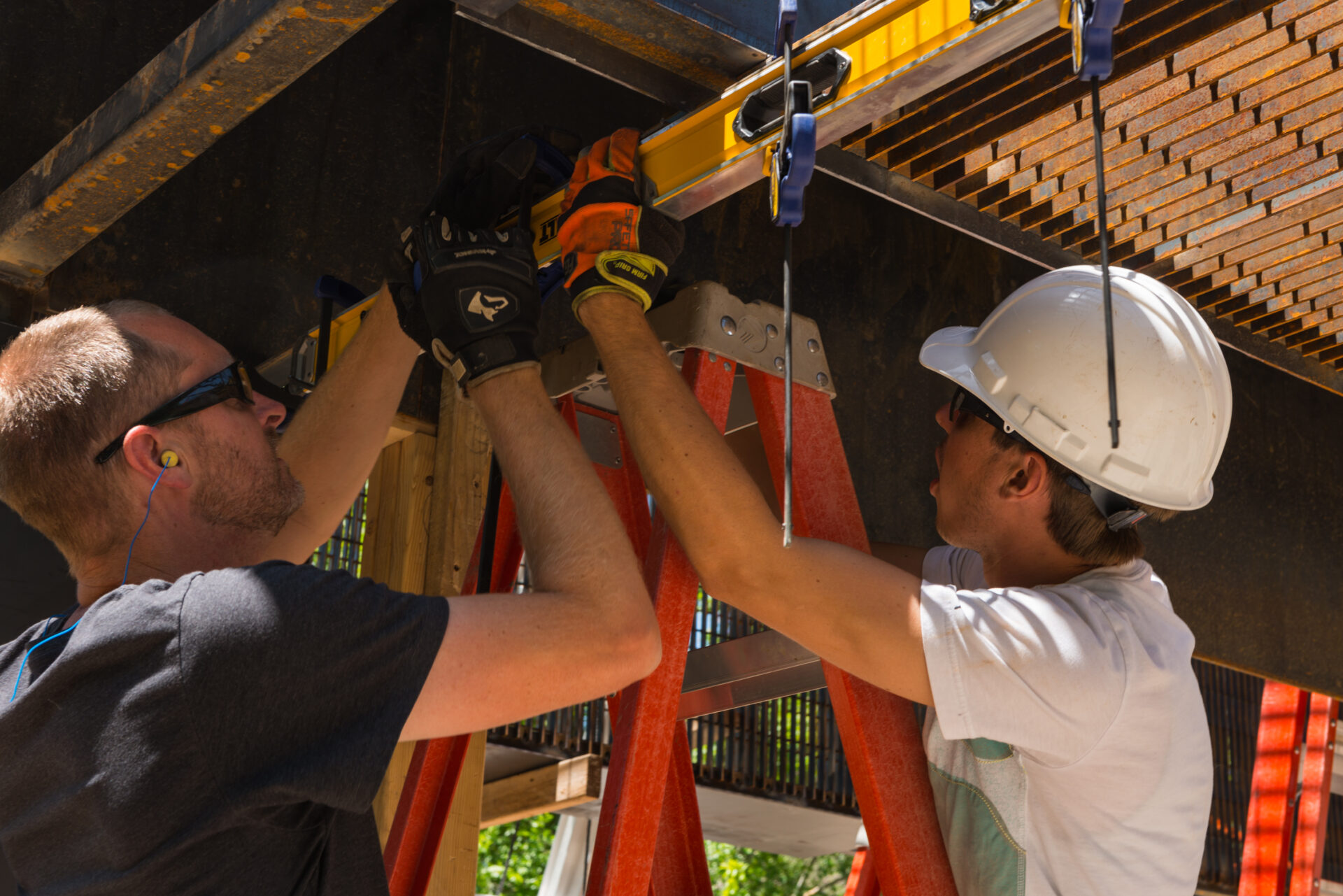
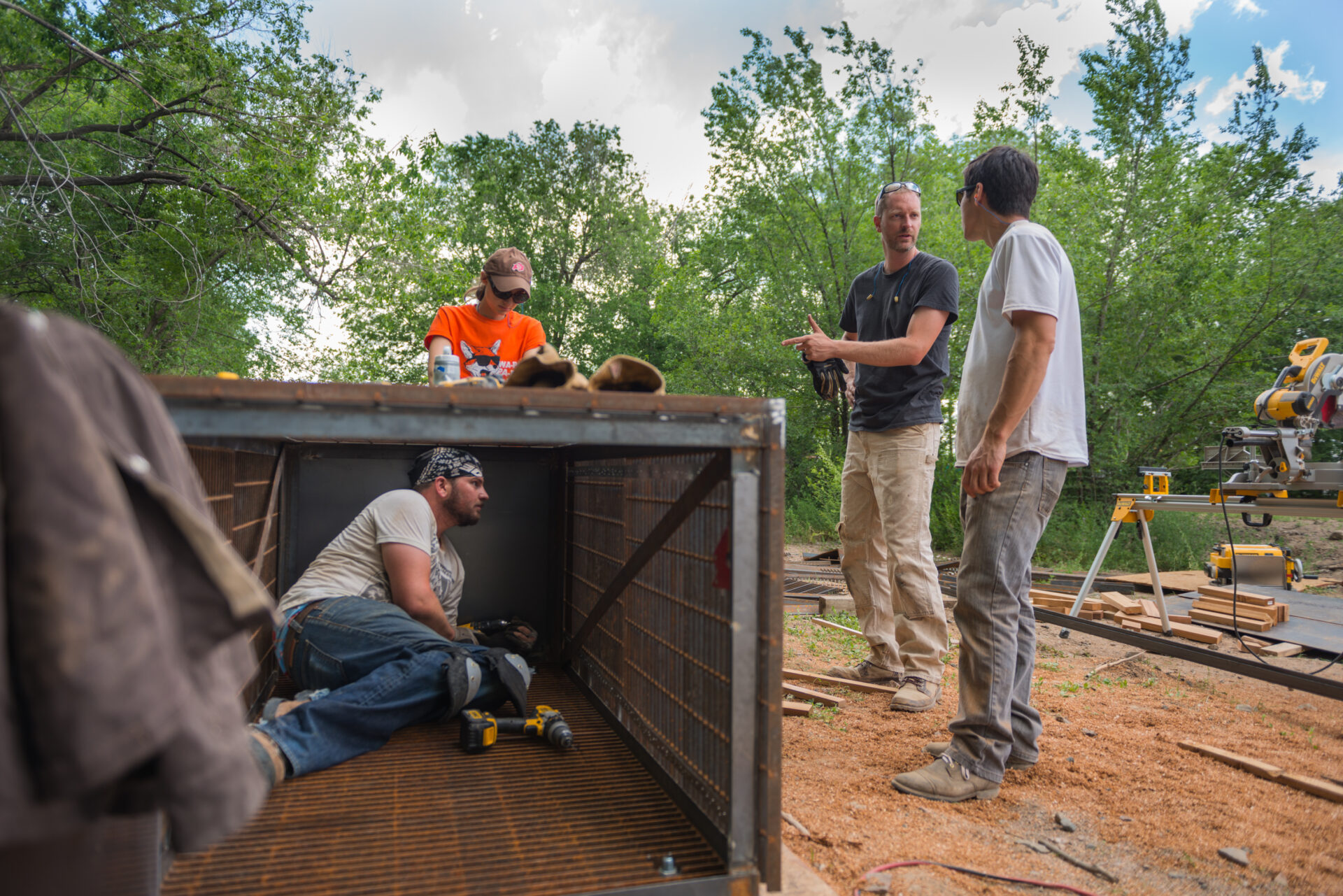
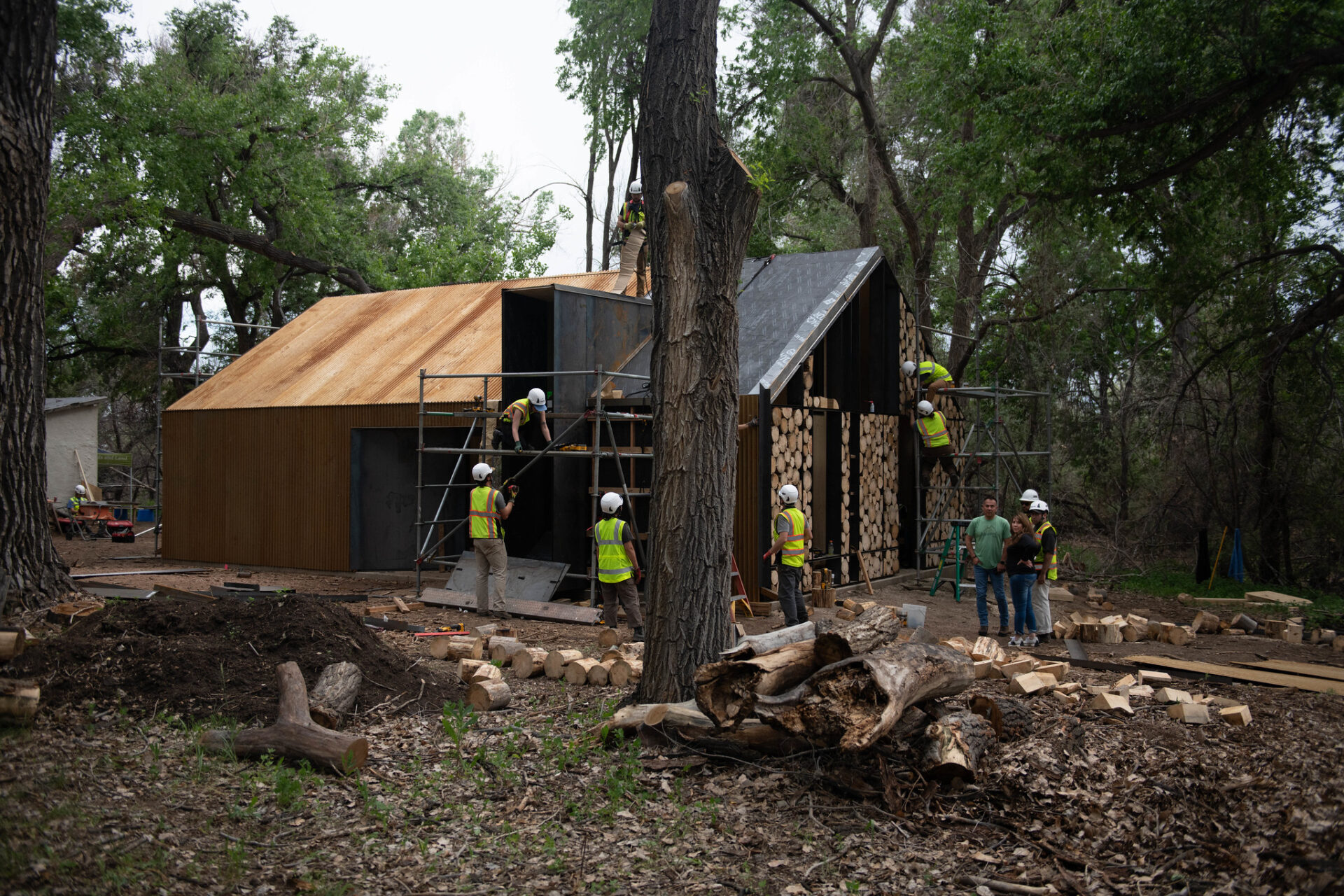
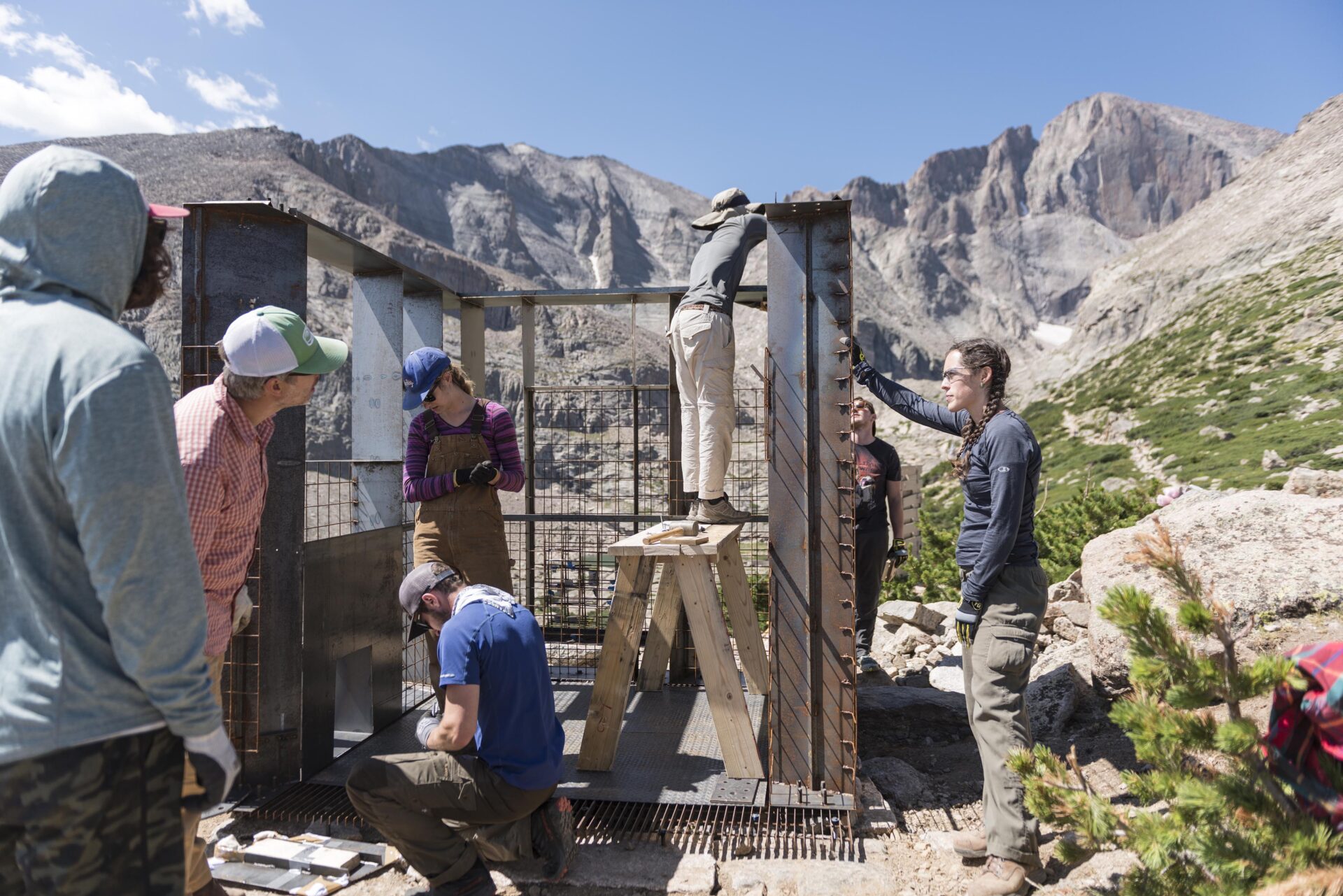
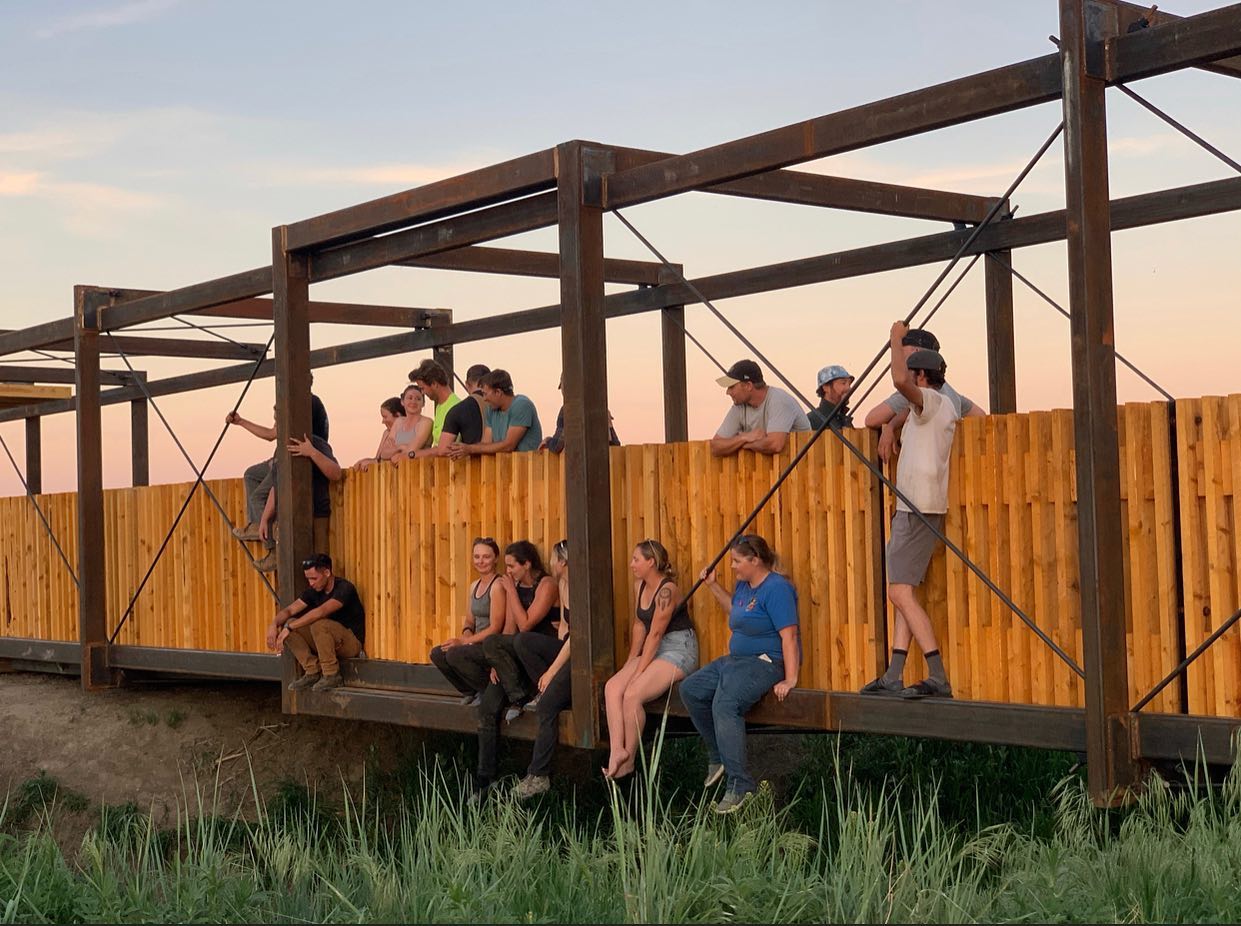
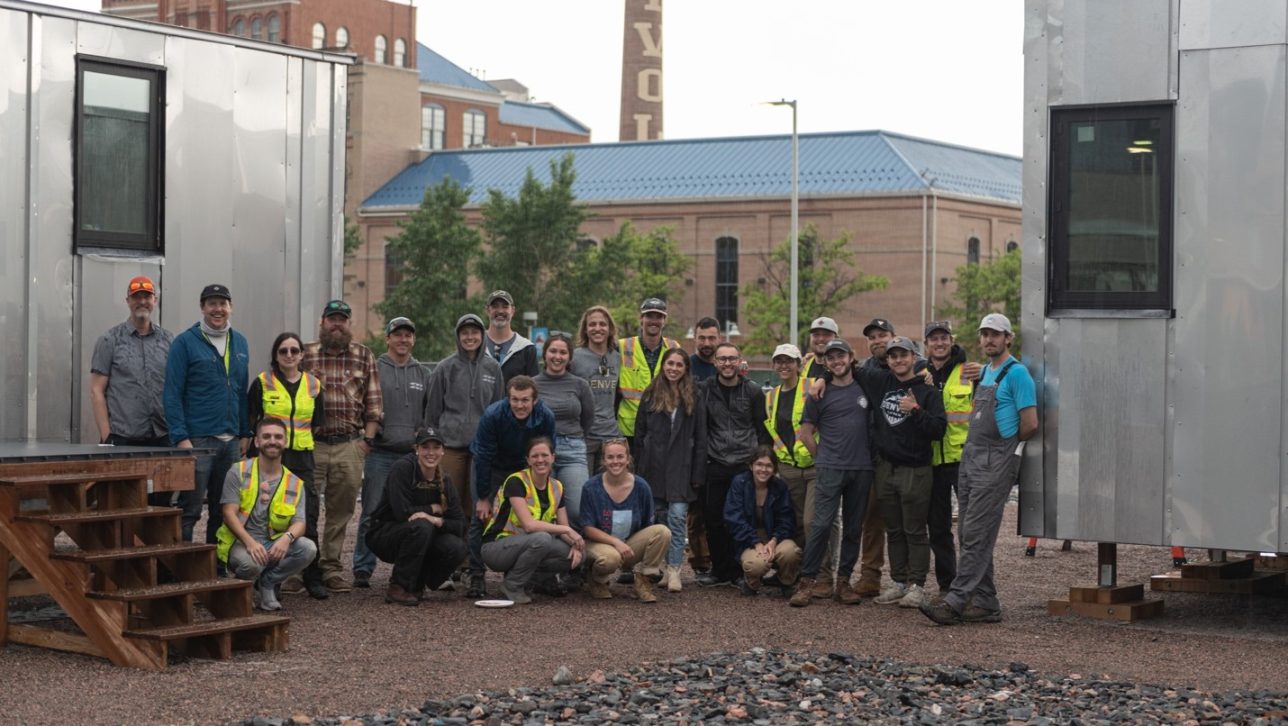
The ColoradoBuildingWorkshop, CU Denver’s acclaimed design build certificate program is celebrating a banner year of national recognition and meaningful community engagement. Read about the premier of the film Building on the Edge, a documentary capturing the NOAA’s Antarctic Ecosystem Research Division project, the design exhibited at the 19th International Architecture Exhibition of La Biennale di Venezia, and the various awards including AIA Colorado’s Design of Excellence awarded project and Educator of the Year awards, here.
CAREER CORNER
JOB BOARD UPDATES
The AIA Colorado Job Board is updated daily. Job hunting? Take a peek to discover new opportunities. Hiring? Post your single job for 30 days. Connect with qualified candidates. Here are a few featured job openings:
NEWS AT
AIA NATIONAL
Architecture Firms Face Ongoing Headwinds
Business conditions at architecture firms weakened further in September, with the AIA/Deltek Architecture Billings Index (ABI) dropping to 43.3, the lowest since April. Read at AIA.
Applications for 10 project-based AIA Awards close Nov. 13
An AIA Award spotlights your work globally, drawing attention from colleagues, clients, media, and top talent. The application deadline is approaching for the Architecture Award, COTE® Top Ten Award, Interior Architecture Award, and seven others. Learn more at AIA.
AIA COLORADO’S
PREMIER PARTNER SPOTLIGHT

We’re proud to highlight one of AIA Colorado’s Premier Partners, Humboldt Sawmill and Allweather Wood, and look forward to their ongoing support and involvement serving Colorado’s architecture community.
Humboldt Sawmill Company, LLC manufactures redwood and Douglas-fir dimensional lumber, timbers, and uppers at the company’s sawmill in Scotia, California. Logs are sourced from company-owned timberlands totaling nearly 450,000 acres, and all products are certified to the standards of the Forest Stewardship Council® (FSC® C013133). Products are available mill direct, as well as through company-owned distribution centers, servicing home improvement retailers and local lumberyards, including locations throughout Colorado.
Allweather Wood, LLC is the largest waterborne preservative treated lumber and plywood manufacturer in the western United States with six manufacturing facilities, including a facility in Loveland, Colorado. Treated products include borate, copper, and fire retardants available in Douglas-fir, Hem fir, and Southern Yellow Pine.
View AIA Continuing Education Courses offered by Humboldt Sawmill
AIA COLORADO’S
ALLIED MEMBERS
Looking for additional resources?
Allied Members are better known as trusted industry colleagues and members of AIA Colorado—they’re the interior designers, the kitchen specialists, the engineering partners, and more who make up our AEC community in Colorado.
View AIA Colorado’s Allied Member Directory.
Helpful Links:
AIA Colorado Firm Directory
- Add your firm to the directory here.
Save the Dates:
- 2025 AIA Colorado Practice + Design Conference
- November 12-14, 2025 at Keystone Conference Center, Keystone, CO.
- November 1 – November 11: late registration is open
- View Conference Schedule
- Sponsorship
2026 Call for Volunteers

2026
Call for Volunteers

AIA Colorado seeks member volunteers to serve on committees that embody the mission, vision, and values of the organization.
Volunteering with AIA Colorado is a great way to use leadership skills, meet like-minded colleagues, expand your network, and help shape the profession.
Committee opportunities are reserved exclusively for AIA members in good standing and 2026 AIA Colorado Allied Members. We encourage candidates from a variety of perspectives and backgrounds including career stage, firm size, practice type, location, and personal demographics.
2026 applications are due by Monday, December 1st, at 11:59pm MT.
2026 Committees
Academy Of Architecture For Health Knowledge Community
Awards Committee
Business Of Architecture Knowledge Committee
College Of Fellows Nominating Committee
Committee On The Environment
Conference Committee
Custom Residential Architects Network (CRAN)
Colorado State Disaster Coordinator
Government Affairs Committee
Housing Committee
Justice, Equity, Diversity, And Inclusion (J.E.D.I.) Committee
Local Advisory Councils (Denver, North, South, West)
Regional And Urban Design Knowledge Community
Your Proposal
Colorado Architecture News | 10.15.25
News from the Colorado Chapter of The American Institute of Architects
10.15.25
In this Newsletter:
- Practice + Design Conference Keynote Announcement
- U.S. Olympic and Paralympic Museum and Park Union Bridge on American ByDesign
- Is your AIA record up to date?
- Oct 15 Denargo Market tour
- Oct 17 happy hour in Colorado Springs
- Oct 21 AIA in conversation with Denver’s new Interim Planner Director
- Oct 22 Drawing on Life: 50 Years with Barrett Studio
- Oct 22 EP/YA happy hour in Denver
- Oct 22 EP/YA happy hour in Carbondale
- Oct 23 The Burrell tour
- Nov 6 Designing for Extreme Environments Part II: Summit Station, Greenland
- Nov 6 EP/YA happy hour in Colorado Springs
- Community news and events
- National news
- Premier Partner spotlight: IMEG
AIA COLORADO’S
NEWS
THE POWER OF
This year’s conference theme, THE POWER OF, is an invitation to explore and to act. The power of architecture goes beyond the built environment—it’s the power to influence policy, shape processes, build stronger communities, and challenge the forces that define our built environment.
In a time of both challenge and opportunity, we ask: How are you using your power? Are you ready to lead, or content to react? Together, we’ll connect with others who are engaging with changing forces—policy, technology, climate, community—and explore how design can be a proactive tool of influence and aspiration for the future.
Our complete keynote lineup is set, featuring Hank Koning, FAIA, and Julie Eizenberg, FAIA, Vishaan Chakrabarti, FAIA, Michelle Delk and Futurist David Zach. Start your conference experience with Tech Connect, examining the technological shifts transforming architecture.
View the full conference schedule, breakout sessions, presenters, and meet-ups here. Conference participants can earn 13 CEUs through the full program, including 9 LU|HSW.
Expo Hall booths are sold out. Sponsorship opportunities are available here.
Conference regular priced registration closes Oct 31st
Don’t miss out! Secure your spot today and start planning your conference experience by registering here.
Save some money and reserve your room in the AIA Colorado room block, either by phone or online. Lodging information is available here.
Join Ken Andrews, AIA, of Arch11, and tour the Vergence House, in Boulder, on the latest episode of America ByDesign. Watch the segment here.
The United States Olympic and Paralympic Museum and Park Union Bridge, enjoy a big segment on America ByDesign. Hear from Andrew Nelson, AIA, of Anderson Mason Dale, and watch it here.
Have a project that you’d like to see in a future America ByDesign episode? The show’s producers are looking for Colorado projects! Information about the show and next steps can be found here.
Is Your AIA Record Up to Date?
Colorado architects must renew their state license by the end of October. As part of that process, you’ll need to confirm that you’ve completed the continuing education requirements:
- 12 HSW credits for 2024
- 12 HSW credits for 2025 (to be completed and reported by December 31, 2025)
Now is a great time to review your AIA transcript and make sure your credits are recorded. It’s also a great time to register for the Practice + Design Conference to earn HSW credits. When you renew your license, you will be asked to certify that you’ve met the requirements for both 2024 and 2025. Don’t wait until the last minute, check your record today.
License renewal emails from the State of Colorado have been sent. If you haven’t received the email, check your spam folder. If you’ve changed your email address within the past two years, please contact the State at 303-894-7800 or dora_dpo_licensing@state.co.us To renew your license, please log into your Colorado Online Services account. Remember, your requirement is to obtain 12 HSW per calendar year. For helpful DORA hints of the laws and rules that apply to the practice of architecture, including Continuing Education, visit Vol. 1, April 2022 – ARC Renewals.
AIA COLORADO’S
EVENTS
Oct 15 • Denargo Market tour
Today, Wednesday, October 15th, join AIA members for a rescheduled tour of Denargo Market, the largest mix-use development under construction in the City of Denver right now. The riverfront development will soon host over 3M square feet of new development including thousands of new residential units. The master plan lays out a public realm framework that repositions the site with the river as a front door, with retail and food and beverage spilling out onto a new extension of the RiNo promenade. The first phase of construction includes over 4-acres of new public space including streets, plazas, and parks. Tour approved for 1 LU|HSW. More info and RSVP here.
Oct 17 • Happy Hour in Colorado Springs
Friday, October 17th, join the AIA Colorado Board of Directors and design industry professionals for a casual social event in Colorado Springs at COATI. Food and will be drink available for purchase. RSVP here.
Oct 21 • AIA in conversation with Denver’s new Interim Planning Director
Tuesday, October 21st, 3:30 – 5pm, at the Alliance Center. Denver’s new Interim Planning Director, Brad Buchanan, FAIA, is committed to dramatically improving the Development approvals process. Brad’s recent appointment, background, and interest in hearing from AIA members provides us with a real opportunity to understand his plan, share ideas, and help shape a better path forward for development in Denver. This event is intended for firm leaders and decision makers in the greater Denver area, and an active AIA member number is required with RSVP. More info and RSVP here.
Oct 22 • Drawing on Life: 50 Years with Barrett Studio
Wednesday, October 22nd, join AIA members as we celebrate 50 years of Barrett Studio Architects at one of their most recent projects—Groundworks Art Lab in Boulder. The event will feature a presentation by David Barrett, a tour of Groundworks’ unique facility, and an exhibition of Barrett’s work spanning five decades of Living Design. More information and RSVP here.
EP/YA Happy Hours • Denver, Carbondale, Colorado Springs
Join AIA Colorado’s Emerging Professionals and Young Architects (EP/YA) Leadership Council members, other EP/YA’s, network, and share your ideas on programming or resources that you would be interested in, or simply chat.
- Thursday, November 6th, 5:30 – 7pm, at Red Leg Brewing Company, Colorado Springs. RSVP here.
- Wednesday, October 22nd, 4 – 7pm, at Improper City, Denver. RSVP here.
- Wednesday, October 22nd, 5:30 – 7pm, at Carbondale Beer Works, Carbondale. RSVP here.
Oct 23 • The Burrell Tour
Thursday, October 23rd, Studio Completiva will conduct a 20-minute overview and a 40-minute tour of the workforce housing development located at 3575 Chestnut Place in Denver’s River North Arts District (RiNo) and Five Points neighborhoods. It is a key example of a public-private partnership aimed at creating affordable homeownership opportunities for middle-income residents. Tour submitted for 1 LU|HSW. More information and RSVP here.
Nov 6 • Designing for Extreme Environments. Part II – Summit Station, Greenland
Thursday, November 6th, join members for a presentation and discussion led by OZ Architecture and Hugh Broughton Associates of the firms’ partnership over the past year to design a new US Station on the remote Greenland Ice Cap. This virtual event will address topics of Project Acquisition, Teaming Strategies, Design for Equity, Safety and Wellness, Off-grid High-performance Design, Prefabrication and Design for Logistics optimization, and Engagement of local communities to enrich the design. Event approved for 1 LU|HSW. More info and RSVP here.
NEWS AND EVENTS FROM OUR
COMMUNITY
Forever Modern: Colorado Architects Reflect on a Century of Design
In Forever Modern, Modern In Denver’s editors explore how the spirit of architectural modernism endures more than a century after its birth. Through reflections with Colorado architects, the piece examines how today’s designers reinterpret modernism’s core ideals—function, clarity, and connection to place—to respond to contemporary life. The article asks whether modern architecture can stay true to its roots while continuing to evolve for the future. Read thoughts by architects Brad Tomecek, FAIA, Harvey Hine, AIA, Kevin Stephenson, AIA, Chris Davis, AIA, Linnaea Stuart, AIA, Mike Piché, AIA, and Tom Gallagher, AIA, here.
Upcoming CAP Lectures
All events are free, open to the public, and will be recorded unless otherwise specified. All lectures, unless specified, will start at 12 p.m. and be held on the Second Floor Gallery of CU Building, 1250 14th St, Denver, CO.
- Monday, October 20, ColoradoBuildingWorkshop Lecture, 12:00 p.m.Katie McDonald and Kyle Schumann, After Architecture, Founders, University of Virginia, Assistant Professors. RSVP here
- Thursday, November 6, Maria Luisa deMin Lecture, 12:00 p.m. Armida Fernandez and Luis Enrique Flores, Estudio ALA, Founders. RSVP here
View lecture and exhibition series website with full series listings here.
Cheyenne Mountain Zoo Giraffe Exhibit Construction Tour and Networking
Thursday, October 23, from 5 – 6:30pm, grab your hard hats and join SMPS Colorado for an exclusive behind-the-scenes tour of the Cheyenne Mountain Zoo’s exciting new Giraffe Exhibit! This isn’t your average construction site visit—led by the General Contractor, Architect, and key trade partners, you’ll get an insider look at the $40 million expansion that’s transforming how guests and giraffes connect. From the towering new giraffe barn to the expanded outdoor habitat and interactive feeding zones, you’ll see how this project is raising the bar for animal care and guest experience. Use diccount code “GiraffeAIA” to get $50 SMPS member pricing. More information and RSVP here.
CAREER CORNER
JOB BOARD UPDATES
The AIA Colorado Job Board is updated daily. Job hunting? Take a peek to discover new opportunities. Hiring? Post your single job for 30 days. Connect with qualified candidates. Here are a few featured job openings:
NEWS AT
AIA NATIONAL
2025 AIA Compensation & Benefits Report
Compensation is one of the most critical—and most sensitive—topics in architecture. That’s why AIA collects and analyzes data from hundreds of architecture firms to produce the industry’s most comprehensive, trusted, and current report on salary and benefits. The 2025 edition delivers a clear picture of how firms structure salaries, benefits, professional development, and workplace practices. For firms, it’s an indispensable resource for recruitment, retention, and equity. For individuals, it offers the insights you need to make informed career decisions and evaluate opportunities with confidence. Learn more and purchase the report here.
AIA Colorado has copies of the 2025 report available for members to view at AIA Colorado’s offices at the Alliance Center. If you’d like to schedule a time to view the report, please inquire here.
Women’s Leadership Summit (WLS)
Experience the AEC industry’s premier event dedicated to accelerating women into leadership positions in architecture, design, and the allied building industries in Atlanta, November 3–5, 2025! WLS 2025 is three days of networking, education, community, and inspiration designed to create gender equity for women in AEC and change their workplace opportunities and experience. More information and registration here.
AIA COLORADO’S
PREMIER PARTNER SPOTLIGHT

With a history that dates back over 100 years, IMEG Corp. grew from several firms coming together under one uniting vision: people-centered engineering. As a national engineering and design consulting company IMEG intentionally localized a focus to serve carefully chosen regions and markets, allowing them to put relationships and communities first, without sacrificing expertise.
IMEG’s specialties are high-performing building systems, infrastructure, program management and construction-related services, but the secret to the success is found in a deep bench of 1,600 team members. For IMEG, people-centered engineering is about more than the people served — it’s representative of the engaged employee culture they’ve worked hard to create. IMEG believes in investing in their people and their professional futures through continuous training, community involvement and the ability to develop a niche specialty.
AIA COLORADO’S
ALLIED MEMBERS
Looking for additional resources?
Allied Members are better known as trusted industry colleagues and members of AIA Colorado—they’re the interior designers, the kitchen specialists, the engineering partners, and more who make up our AEC community in Colorado.
View AIA Colorado’s Allied Member Directory.
Helpful Links:
AIA Colorado Firm Directory
- Add your firm to the directory here.
Save the Dates:
- 2025 AIA Colorado Practice + Design Conference
- November 12-14, 2025 at Keystone Conference Center, Keystone, CO.
- September 1 – October 31: attendee registration is open
- View Conference Schedule
- Sponsorship
Colorado Architecture News | 10.01.25

News from the Colorado Chapter of The American Institute of Architects | 10.01.25
In this Newsletter:
- Celebrating the Design + Honor Awards recipients
- Call for Nominations: AIA Colorado Board of Directors and AIA National Councils
- Practice + Design Conference Keynote Announcement
- Health Horizons Symposium
- State of DEI roundtable recap
- Pikes Peak Summit Visitor Center on American ByDesign
- Is your AIA record up to date?
- Oct 3 Code Class: 2024 IRC Update
- Oct 9 Nest56 tour
- Oct 14 West Virtual Connect: Designing for wildfire, beyond code minimums
- Oct 15 Denargo Market tour
- Oct 17 happy hour in Colorado Springs
- Oct 21 AIA in conversation with Denver’s new Interim Planner Director
- Oct 22 Drawing on Life: 50 Years with Barrett Studio
- Oct 22 EP/YA happy hour in Denver
- Oct 23 The Burrell tour
- Community news and events
- National news
- Premier Partner spotlight: IMEG
AIA COLORADO NEWS

AIA Colorado celebrates award winners
The evening of September 18th was a big night of celebration for this year’s Design Award winners and Honor Award recipients, recognizing the best of Colorado architecture. Winners were announced at the historic Tivoli Turnalle on the Auraria campus in downtown Denver.
Congratulations to the 2025 Honor Award recipients!
- Architect of the Year: Kevin Nguyen, AIA, Regular Architecture
- Young Architect of the Year: Kaylyn Kirby, AIA, Semple Brown
- Firm of the Year: Barker Rinker Seacat
- President’s Award: Gov. Jared Polis
- Citizen Architect of the Year: Sean Jursnick, AIA, SAR+
- Educator of the Year: Erik Sommerfeld, AIA, ColoradoBuildingWorkshop
- Impact Award: Modern In Denver
- 25-Year Award: The Architect’s Studio, Tryba Architects
Congratulations to the 2025 Design Award recipients!
18 projects by Colorado architects were recognized in categories of Excellence, Merit, and Honorable Mention, including 4 projects awarded with additional Sustainability Recognition.
All Awards coverage, including project features, event photos, and Honor Award recipient articles can be found here.
Thank you to every architect who submitted work this year! Your ideas, creativity, and commitment are what move the profession forward.

Modern In Denver
The new Fall issue features the recent Design Award recipients with an 9 page spread, as well as a cover story with E.J. Meade, AIA, principal at Arch11. View the Design Awards spreads here.

Call for Nominations | 2026 AIA Colorado Board of Directors and AIA National Councils
We are seeking AIA Colorado members to serve on the AIA Colorado Board of Directorsand as state representatives to AIA national councils. The AIA Colorado Board provides stewardship of the nonprofit and is responsible for collaboratively setting the direction of the organization through consensus driven governance, policy-making, and strategic planning. The national councils are peer group networks who provide insight from our state into their programming and strategy to the national level of the Institute.
Ideal candidates are AIA members who are strategically minded, service-oriented, and capable of identifying and responding to industry trends—to enhance and propel the profession and to help members excel in their areas of practice.
AIA Colorado is committed to broadening equity, diversity and inclusion to create a stronger profession. Towards that end, the nominating committee will make every attempt to recommend a diverse, strategy-driven and competency-based slate of candidates.
Learn more about the upcoming vacancies and being your application here.
Get ready for the Practice + Design Conference!
We’re thrilled to announce our complete keynote lineup:
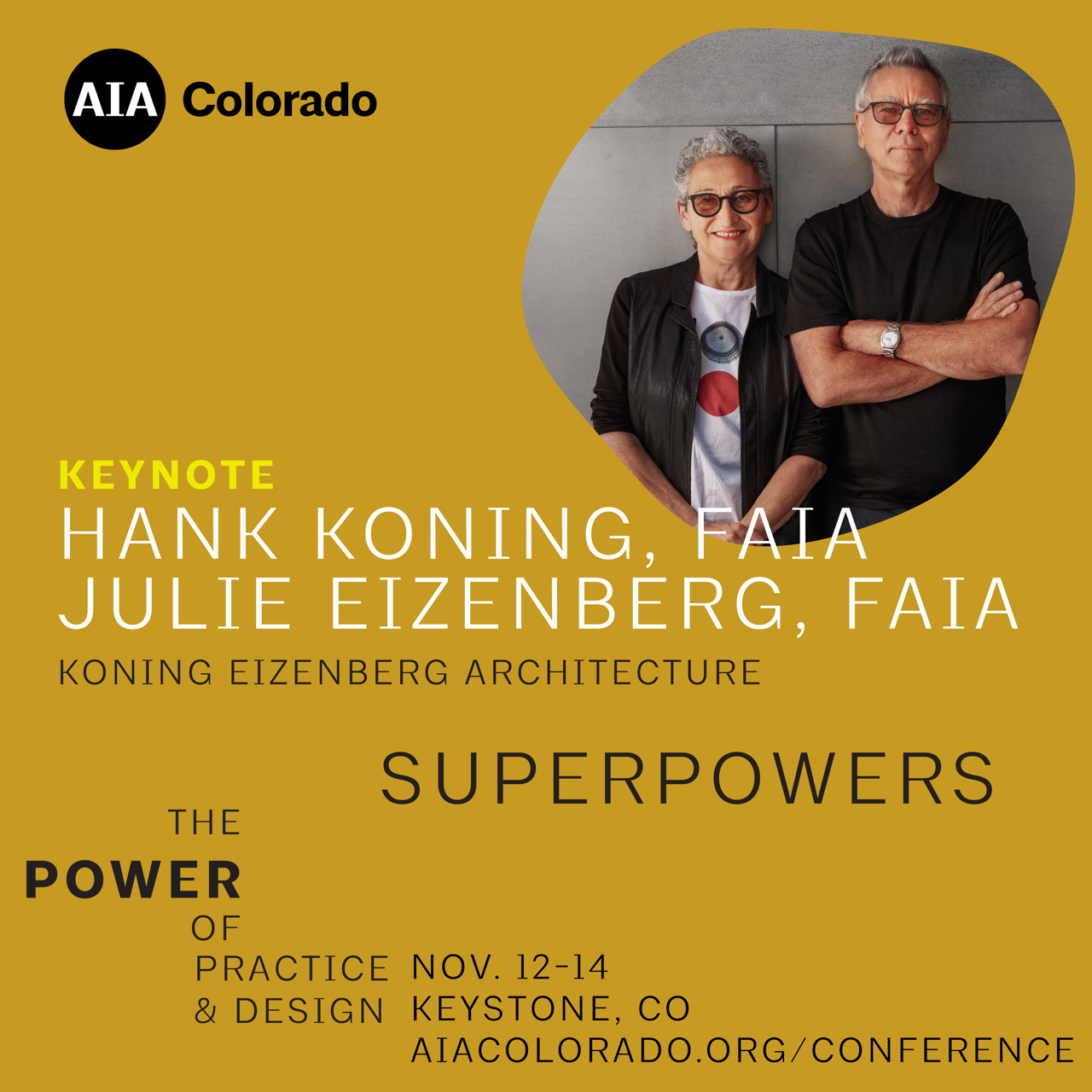
- Hank Koning, FAIA, and Julie Eizenberg, FAIA
- Vishaan Chakrabarti, FAIA
- Michelle Delk
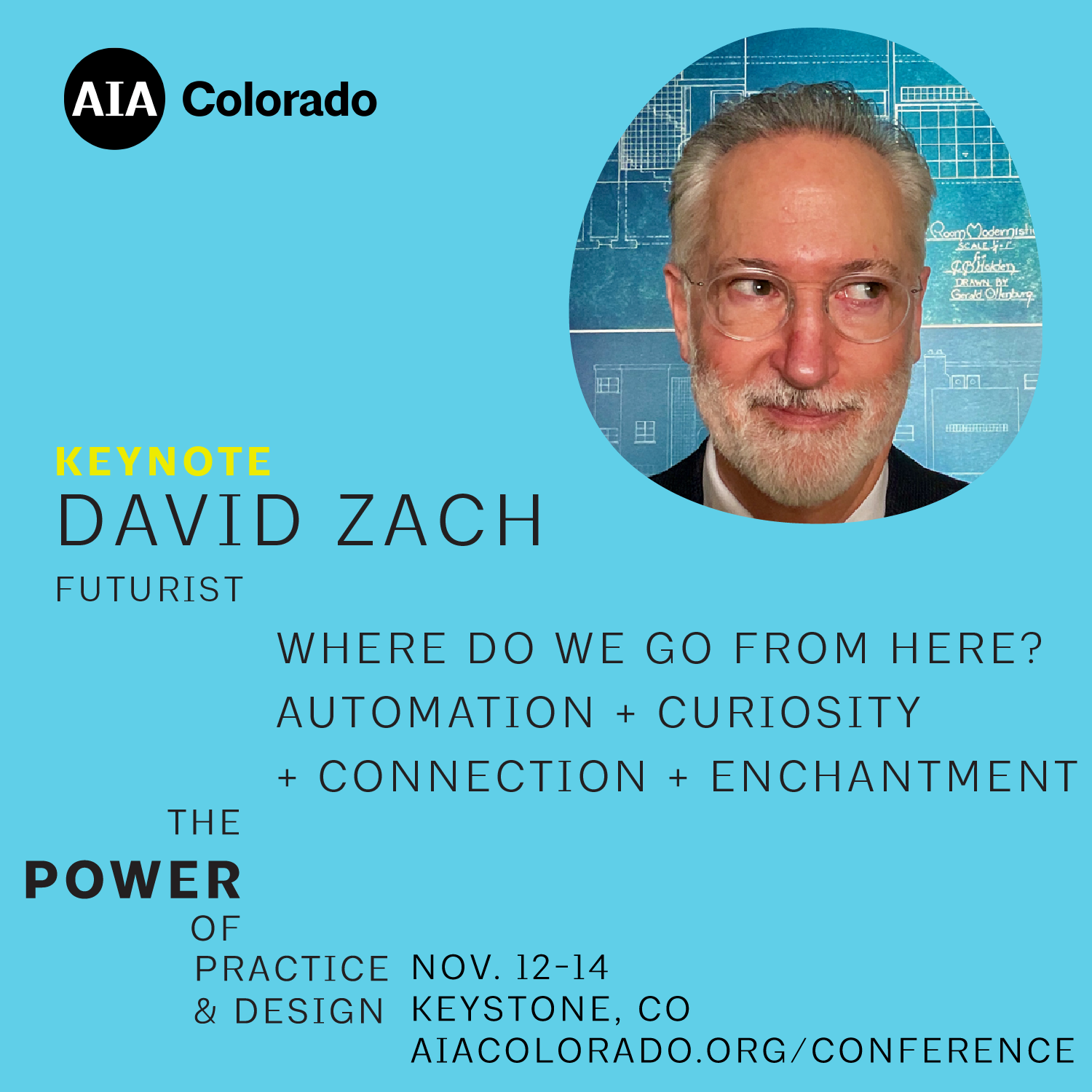
- Futurist David Zach
Start your conference with Tech Connect, Wednesday, November 12. Keynotes take place Thursday, November 13, and Friday, November 14. Alongside these inspiring talks, you’ll find a full slate of engaging breakout sessions. View the full conference schedule, session details, and presenters here.
Opportunities are filling quickly:
- Only two booths remain for the Expo Hall and can be reserved here.
- Sponsorship opportunities are available here.
Don’t miss out! Secure your spot today and start planning your conference experience by registering here!

Health Horizons Symposium
October 16th, from 1 – 5pm, at CSU Spur – Hydro Building, in Denver, AIA Colorado’s Academy of Architecture for Health Knowledge Community (AAH) and Women in Healthcare (WIH) present an interactive half-day event themed Reimagined Care. Oriented to both AEC & healthcare professionals, don’t miss this chance to connect with peers, share ideas, and envision the future of healthcare. More information and RSVP here.
AIA Colorado & NOMA Colorado Host “State of DEI” Roundtable
AIA Colorado’s J.E.D.I. Committee and NOMA Colorado recently hosted The State of DEI in Colorado: What’s Next for the Architecture Profession? The roundtable gathered architects, students, firm leaders, and community members to discuss the future of diversity, equity, and inclusion in the profession. Panelists and participants explored challenges, shared strategies, and emphasized the importance of mentorship, inclusive design, and collaborative partnerships to sustain DEI efforts in architecture. Read about the event here.
Pikes Peak Summit Visitor Center, awarded a 2025 Design Award of Merit with Sustainability Recognition, is featured on the latest episode of America ByDesign. Watch the segment here.
Have a project that you’d like to see in a future America ByDesign episode? The show’s producers are looking for Colorado projects! Information about the show and next steps can be found here.
Is Your AIA Record Up to Date?
Colorado architects must renew their state license by the end of October. As part of that process, you’ll need to confirm that you’ve completed the continuing education requirements:
- 12 HSW credits for 2024
- 12 HSW credits for 2025 (to be completed and reported by December 31, 2025)
Now is a great time to review your AIA transcript and make sure your credits are recorded. It’s also a great time to register for the Practice + Design Conference to earn HSW credits. When you renew your license, you will be asked to certify that you’ve met the requirements for both 2024 and 2025. Don’t wait until the last minute, check your record today.
AIA Colorado Events
Oct 3 • Code Class: 2024 IRC Update
Friday, October 3rd, learn up-to-date residential construction code addressing the design and construction of one- and two-family dwellings. This seminar covers the critical changes within the 2024 International Residential Code. Changes to building requirements are discussed. This full-day program includes lunch and has been approved for 7.0 AIA CES HSW learning unit hours. Register here
Oct 9 • Nest56 tour
Thursday, October 9th, join AIA members for a tour of Nest56, a 56-unit affordable housing project in the RiNo neighborhood of Denver with wrap-around supportive services that provide youth with a stepping-stone to a thriving, independent life. SAR+ Architects will conduct a 20-minute introduction and overview then the tour will commence from the sidewalk at 2700 Wewatta Way highlighting several project spaces, including the residential lobby, service provider offices, resident floors, common areas, and a ground floor exhibition space operated by Redline Contemporary Art Center. Tour approved for 1 LU|HSW. Learn more and RSVP here.
Oct 14 • West Virtual Connect: Designing for wildfire, beyond code minimums
Tuesday, October 14th, at Noon, connect virtually with Western Slope AIA members for a discussion about fire resistive construction focusing on the issue specifically for western Colorado. There will be a brief presentation to get the conversation started, following by Q+A and discussion. View the panelists and RSVP here.
Oct 15 • Denargo Market tour
Wednesday, October 15th, join AIA members for a rescheduled tour of Denargo Market, the largest mix-use development under construction in the City of Denver right now. The riverfront development will soon host over 3M square feet of new development including thousands of new residential units. The master plan lays out a public realm framework that repositions the site with the river as a front door, with retail and food and beverage spilling out onto a new extension of the RiNo promenade. The first phase of construction includes over 4-acres of new public space including streets, plazas, and parks. Tour approved for 1 LU|HSW. More info and RSVP here.
Oct 17 • Happy Hour in Colorado Springs
Friday, October 17th, join the AIA Colorado Board of Directors and design industry professionals for a casual social event in Colorado Springs at COATI. Food and will be drink available for purchase. RSVP here.
Oct 21 • AIA in conversation with Denver’s new Interim Planning Director
Tuesday, October 21st, 3:30 – 5pm, at the Alliance Center. Denver’s new Interim Planning Director, Brad Buchanan, FAIA, is committed to dramatically improving the Development approvals process. Brad’s recent appointment, background, and interest in hearing from AIA members provides us with a real opportunity to understand his plan, share ideas, and help shape a better path forward for development in Denver. This event is intended for firm leaders and decision makers in the greater Denver area, and an active AIA member number is required with RSVP. More info and RSVP here.
Oct 22 • Drawing on Life: 50 Years with Barrett Studio
Wednesday, October 22nd, join AIA members as we celebrate 50 years of Barrett Studio Architects at one of their most recent projects—Groundworks Art Lab in Boulder. The event will feature a presentation by David Barrett, a tour of Groundworks’ unique facility, and an exhibition of Barrett’s work spanning five decades of Living Design. More information and RSVP here.
Oct 22 • Emerging Professionals and Young Architects (EP/YA) Happy Hour
Wednesday, October 22nd, at Improper City, join AIA Colorado’s Emerging Professionals and Young Architects (EP/YA) Leadership Council members, other EP/YA’s, network, and share your ideas on programming or resources that you would be interested in, or simply chat. RSVP here.
Oct 23 • The Burrell Tour
Thursday, October 23rd, Studio Completiva will conduct a 20-minute overview and a 40-minute tour of the workforce housing development located at 3575 Chestnut Place in Denver’s River North Arts District (RiNo) and Five Points neighborhoods. It is a key example of a public-private partnership aimed at creating affordable homeownership opportunities for middle-income residents. Tour submitted for 1 LU|HSW. More information and RSVP here.
PARTNER NEWS
Upcoming CAP Lectures
All events are free, open to the public, and will be recorded unless otherwise specified. All lectures, unless specified, will start at 12 p.m. and be held on the Second Floor Gallery of CU Building, 1250 14th St, Denver, CO.
- Tuesday, October 14, 4:30 p.m., Zoom virtual event.Zigeng Wang, Associate Professor, Deputy Head of the Department of Architecture, Central Academy of Fine Arts, Founder, PILLS. RSVP here
- Monday, October 20, ColoradoBuildingWorkshop Lecture, 12:00 p.m.Katie McDonald and Kyle Schumann, After Architecture, Founders, University of Virginia, Assistant Professors. RSVP here
View lecture and exhibition series website with full series listings here.
Cheyenne Mountain Zoo Giraffe Exhibit Construction Tour and Networking
Thursday, October 23, from 5 – 6:30pm, grab your hard hats and join SMPS Colorado for an exclusive behind-the-scenes tour of the Cheyenne Mountain Zoo’s exciting new Giraffe Exhibit! This isn’t your average construction site visit—led by the General Contractor, Architect, and key trade partners, you’ll get an insider look at the $40 million expansion that’s transforming how guests and giraffes connect. From the towering new giraffe barn to the expanded outdoor habitat and interactive feeding zones, you’ll see how this project is raising the bar for animal care and guest experience. Use diccount code “GiraffeAIA” to get $50 SMPS member pricing. More information and RSVP here.
CAREER CORNER
The AIA Colorado Job Board is updated daily. Job hunting? Take a peek to discover new opportunities. Hiring? Post your single job for 30 days. Connect with qualified candidates. Here are a few featured job openings:
NEWS AT NATIONAL
2025 AIA Compensation & Benefits Report
Compensation is one of the most critical—and most sensitive—topics in architecture. That’s why AIA collects and analyzes data from hundreds of architecture firms to produce the industry’s most comprehensive, trusted, and current report on salary and benefits. The 2025 edition delivers a clear picture of how firms structure salaries, benefits, professional development, and workplace practices. For firms, it’s an indispensable resource for recruitment, retention, and equity. For individuals, it offers the insights you need to make informed career decisions and evaluate opportunities with confidence. Learn more and purchase the report here.
AIA Colorado has copies of the 2025 report available for members to view at AIA Colorado’s offices at the Alliance Center. If you’d like to schedule a time to view the report, please inquire here.
AIA selects new EVP/CEO
The American Institute of Architects (AIA) Board of Directors voted unanimously to select Carole Wedge, FAIA, NOMA, LEED AP, as the next AIA Executive Vice President/Chief Executive Officer. Wedge brings experience and vision that align directly with AIA’s mission: to empower and inspire architects to improve society and transform the world. The 2020 recipient of the AIA Edward C. Kemper Award, Wedge played a pivotal role in founding the AIA Women’s Leadership Summit. Under her leadership, AIA will continue to advocate for architects and support their efforts to design a better world. This includes fostering equitable, resilient communities and advancing public health, safety, and welfare through the transformative power of design. Read more here.
Women’s Leadership Summit (WLS)
Experience the AEC industry’s premier event dedicated to accelerating women into leadership positions in architecture, design, and the allied building industries in Atlanta, November 3–5, 2025! WLS 2025 is three days of networking, education, community, and inspiration designed to create gender equity for women in AEC and change their workplace opportunities and experience. More information and registration here.
Business conditions for architecture firms continue to be weak, AIA/Deltek Architecture Billings Index Reports
The AIA/Deltek Architecture Billings Index (ABI) continues to weaken posting a score of 46.2 for July, down from 46.8 in June, indicating that a majority of firms are still experiencing declining firm billings. Read more at AIA.
Premier Partner Spotlight
With a history that dates back over 100 years, IMEG Corp. grew from several firms coming together under one uniting vision: people-centered engineering. As a national engineering and design consulting company IMEG intentionally localized a focus to serve carefully chosen regions and markets, allowing them to put relationships and communities first, without sacrificing expertise.
IMEG’s specialties are high-performing building systems, infrastructure, program management and construction-related services, but the secret to the success is found in a deep bench of 1,600 team members. For IMEG, people-centered engineering is about more than the people served — it’s representative of the engaged employee culture they’ve worked hard to create. IMEG believes in investing in their people and their professional futures through continuous training, community involvement and the ability to develop a niche specialty.
See IMEG’s AIA Continuing Education Courses
Looking for Additional Resources?
Allied Members are better known as trusted industry colleagues and members of AIA Colorado—they’re the interior designers, the kitchen specialists, the engineering partners, and more who make up our AEC community in Colorado.
View AIA Colorado’s Allied Member Directory.
Helpful Links:
AIA Colorado Firm Directory
- Add your firm to the directory here.
Save the Dates:
- 2025 AIA Colorado Practice + Design Conference
- November 12-14, 2025 at Keystone Conference Center, Keystone, CO.
- Expo Hall is open
- September 1 – October 31: attendee registration is open
- View Conference Schedule
- Sponsorship
AIA Colorado & NOMA Colorado Host “State of DEI” Roundtable
AIA Colorado & NOMA Colorado Host
“State of DEI” Roundtable
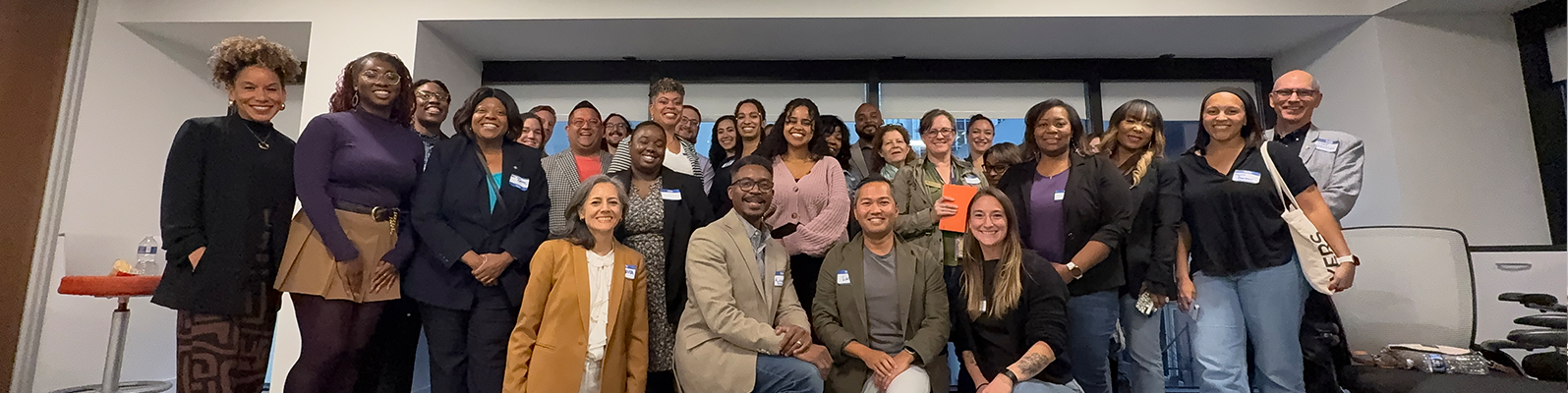
On Wednesday, September 24, AIA Colorado’s JEDI Committee partnered with NOMA Colorado to host The State of DEI in Colorado: What’s Next for the Architecture Profession? The event brought together architects, students, firm leaders, and community members to discuss the future of diversity, equity, and inclusion (DEI) in the profession at a moment when such efforts face pushback at both the federal and state levels. The discussion benefitted from the participation of many visiting professionals from the Large Firm Roundtable.
The program was facilitated by Nichole Sorhaindo, AIA National’s Managing Director for EDI Strategies. Nichole opened with national data showing that while a more diverse generation is entering architecture schools, firm leadership remains less representative. She was joined by four panelists who shared insights from their work and communities: Jason Pugh, AIA (Gensler), Margarita Gonzalez, Assoc. AIA (Minidwell), Kevin Nguyen, AIA (Regular Architecture), and Kari Lawson, AIA (HDR).
Panelists emphasized that inclusive design must go beyond compliance to create meaningful experiences. Examples ranged from restaurant seating designed so every guest shares the same perspective, to community-driven planning for historic neighborhood projects. The conversation highlighted that listening, trust-building, and cultural responsiveness are essential tools for architects serving diverse communities.
They also stressed the importance of mentorship and pipeline programs. Initiatives such as HDR’s partnerships with Denver Public Schools, Gensler’s GAP apprenticeship program, and grassroots efforts like AIA Colorado’s Design Like a Girl help open doors for young people who might not otherwise consider architecture a viable career. Panelists placed particular emphasis on supporting students and immigrants pursuing alternate pathways to licensure. Participants further underscored the need to expand cross-profession partnerships, create psychologically safe workplaces, and ensure that diverse leadership is visible at every level. As one speaker noted, “You can’t be what you don’t see.”
The dialogue acknowledged challenges, including shrinking DEI positions within firms and shifting policy landscapes. Jason highlighted challenges faced by Gensler as a global organization and federal contractor, such as navigating conflicting federal and state regulations and developing inclusive policies applicable across offices. He noted that the DEI conversation often gets bogged down in the specificity of language when it should be focused on dismantling divisive and predatory systems. Margarita emphasized that architecture is a global language and that architects can lead efforts to foster collaboration across cultures and language barriers.
Following the panel, participants split into small groups for breakout discussions, where attendees shared personal experiences and brainstormed strategies for action.
This unique event reinforced that equity in architecture is not just a professional priority but also a responsibility to the communities architects serve. The evening closed with a call to continue building a collaborative network—composed of AIA, NOMA, local firms, educators, and community partners—that can sustain and grow DEI efforts in the profession.
Panelists
- Jason Pugh, NOMAC, AIA, AICP, LEED AP — Principal Architect, Gensler
- Margarita Gonzalez, Assoc. AIA, LEED AP BD+C — Founder, Minidwell; Teacher, CEC Early College
- Kevin Nguyen, AIA — Owner, Regular Architecture; 2025 AIA Colorado Architect of the Year
- Kari Lawson, AIA — Architect, HDR
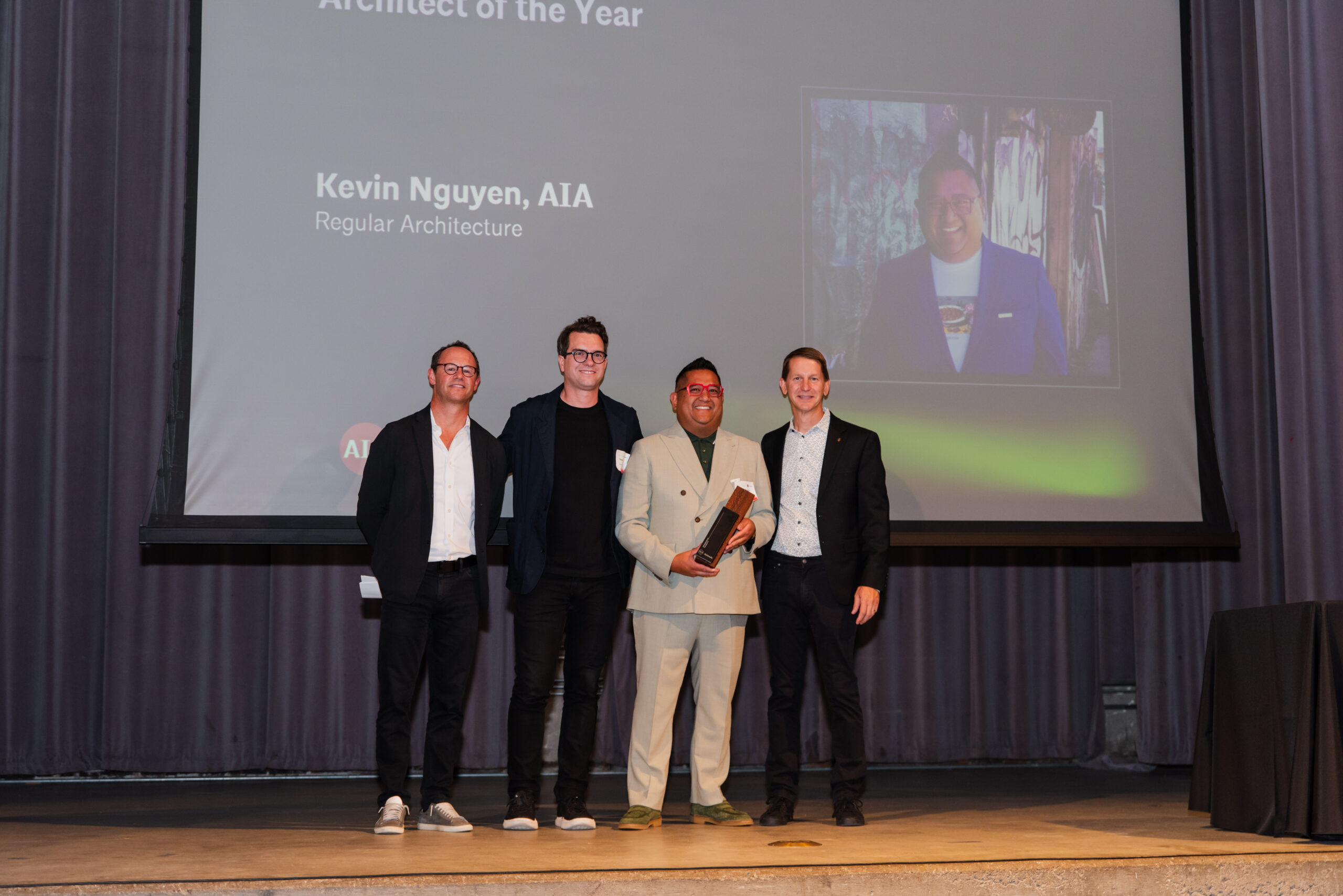
Congratulations to 2025 Architect of the Year
Kevin Nguyen, AIA
The Award
This award recognizes an individual architect who has made significant impact on the profession of architecture in Colorado. The criteria state they have developed a portfolio of notable, creative, and meaningful architecture that has positively impacted Colorado, they have pushed architecture toward the future while also honoring its past, become widely known for the quality of their work by architects, designers, educators, and the public, have advocated for fellow architects and advanced the community through their service and leadership, and have helped to address current issues in Colorado by using their expertise as a design professional.
Presented by Adam Wagoner, AIA
Founder, High, Low, Buffalo.
2024 AIA Colorado Architect of the Year
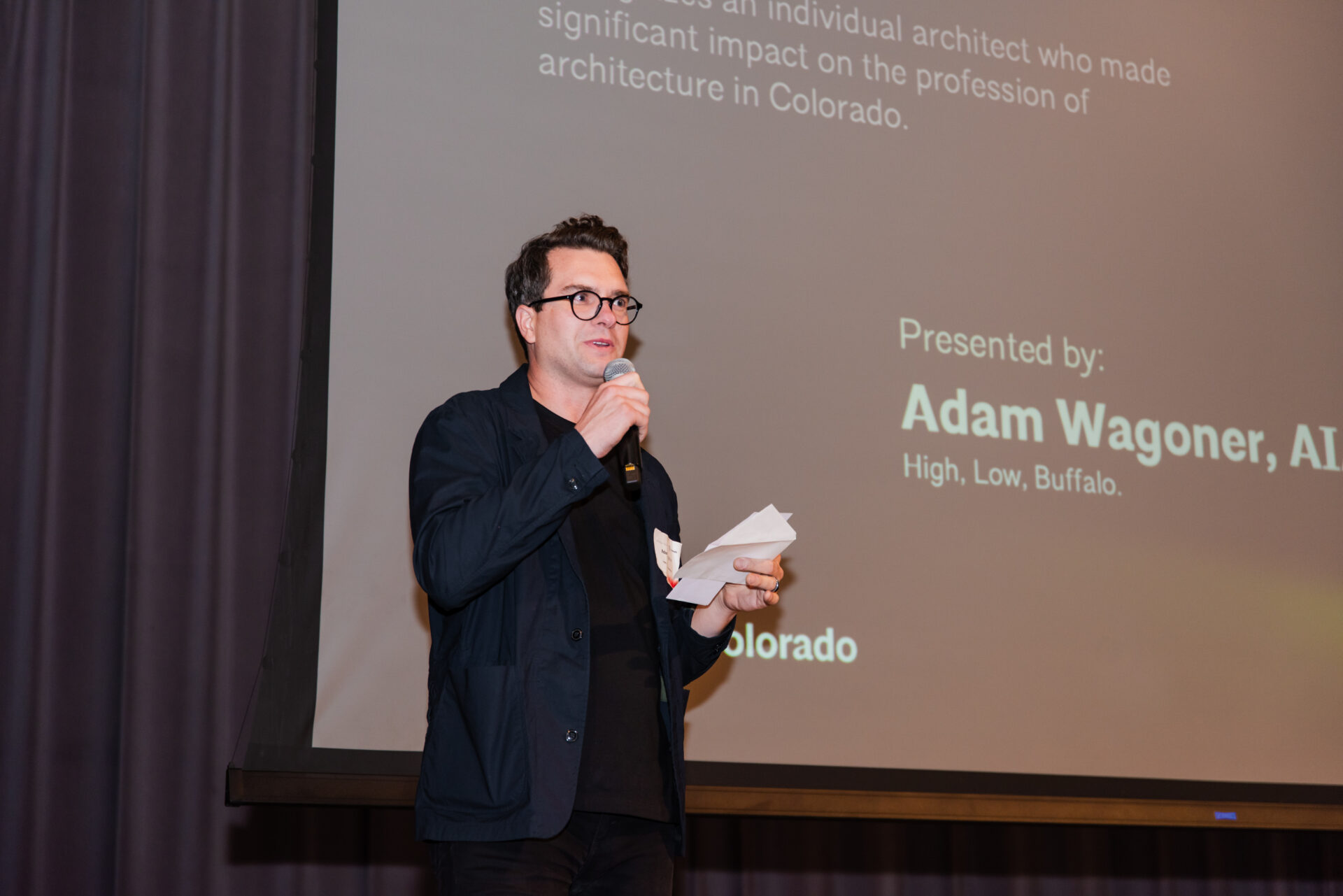
Kevin Nguyen, AIA, Owner, Regular Architecture
Our recipient for 2025 not only represents exceptional stewardship of design but also exemplifies the power of the profession of architecture within a community.
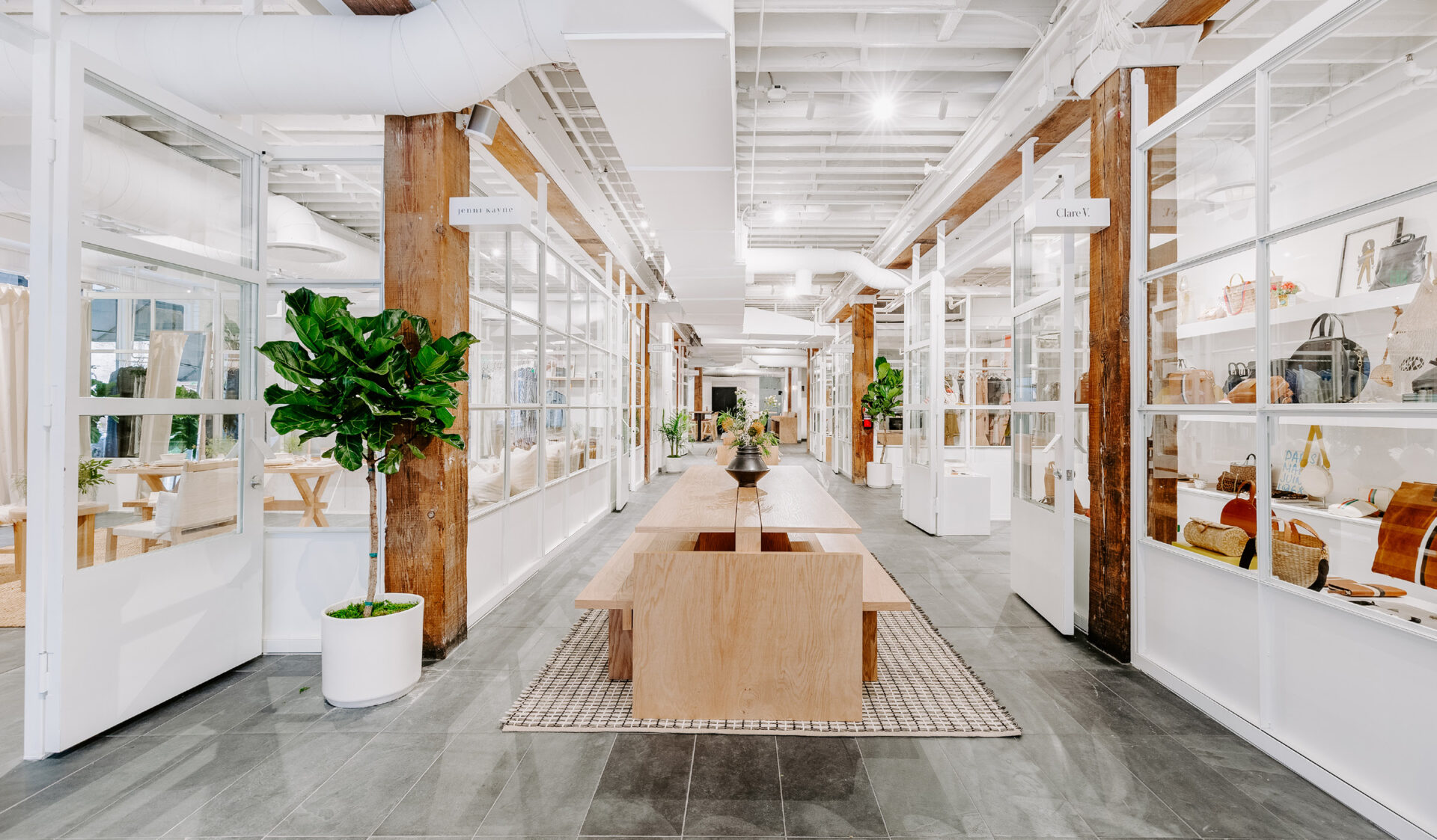
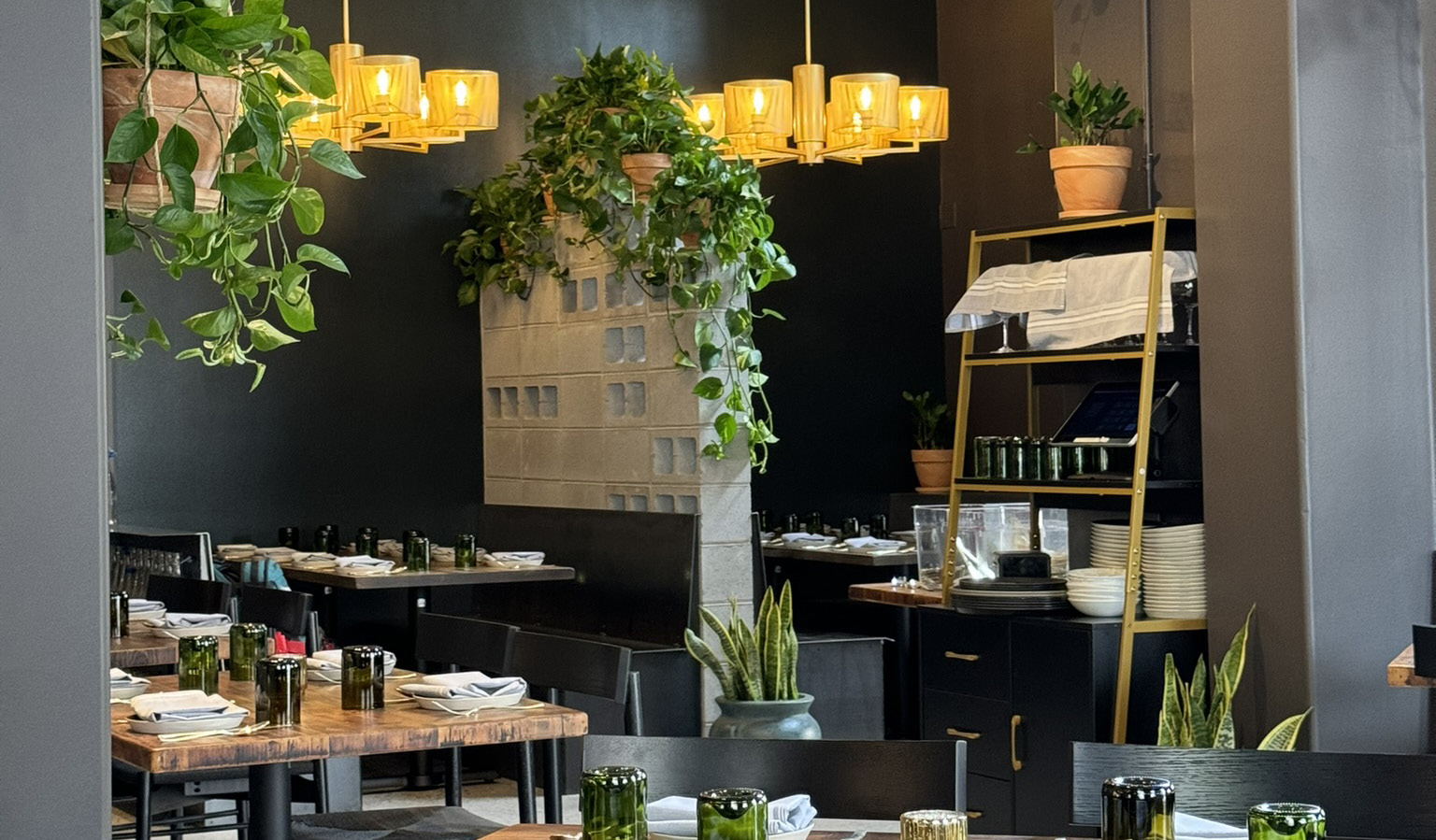
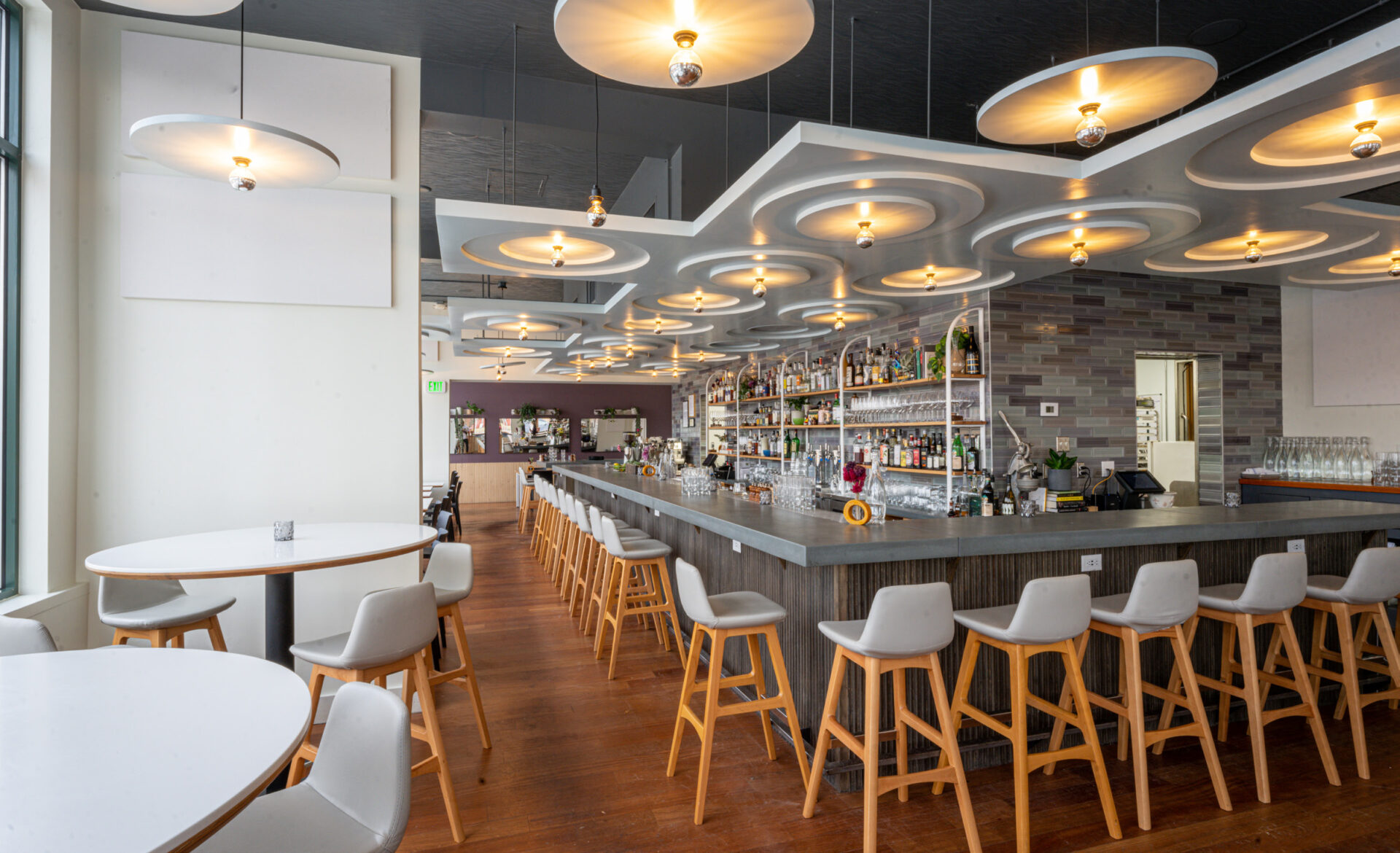
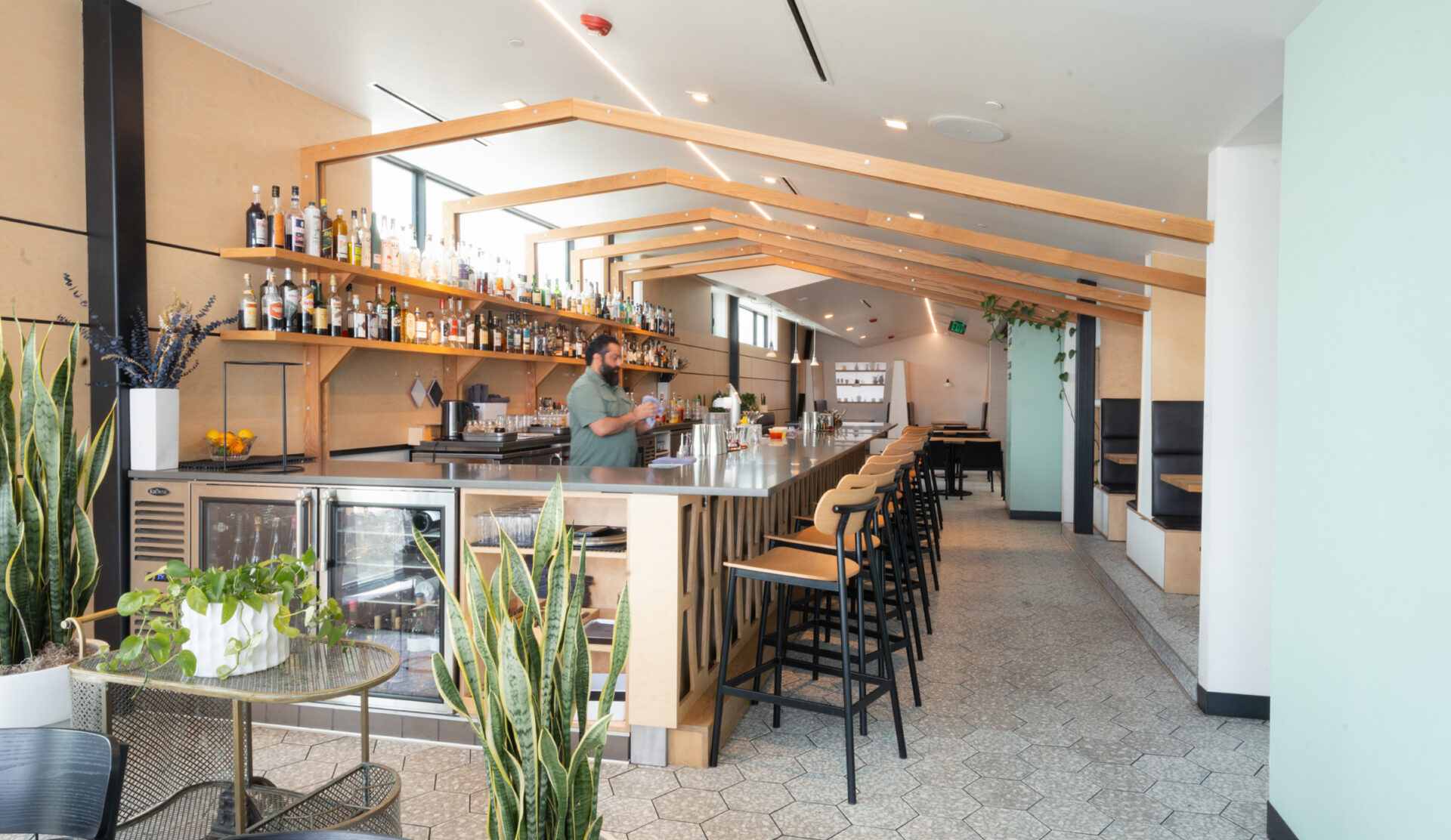
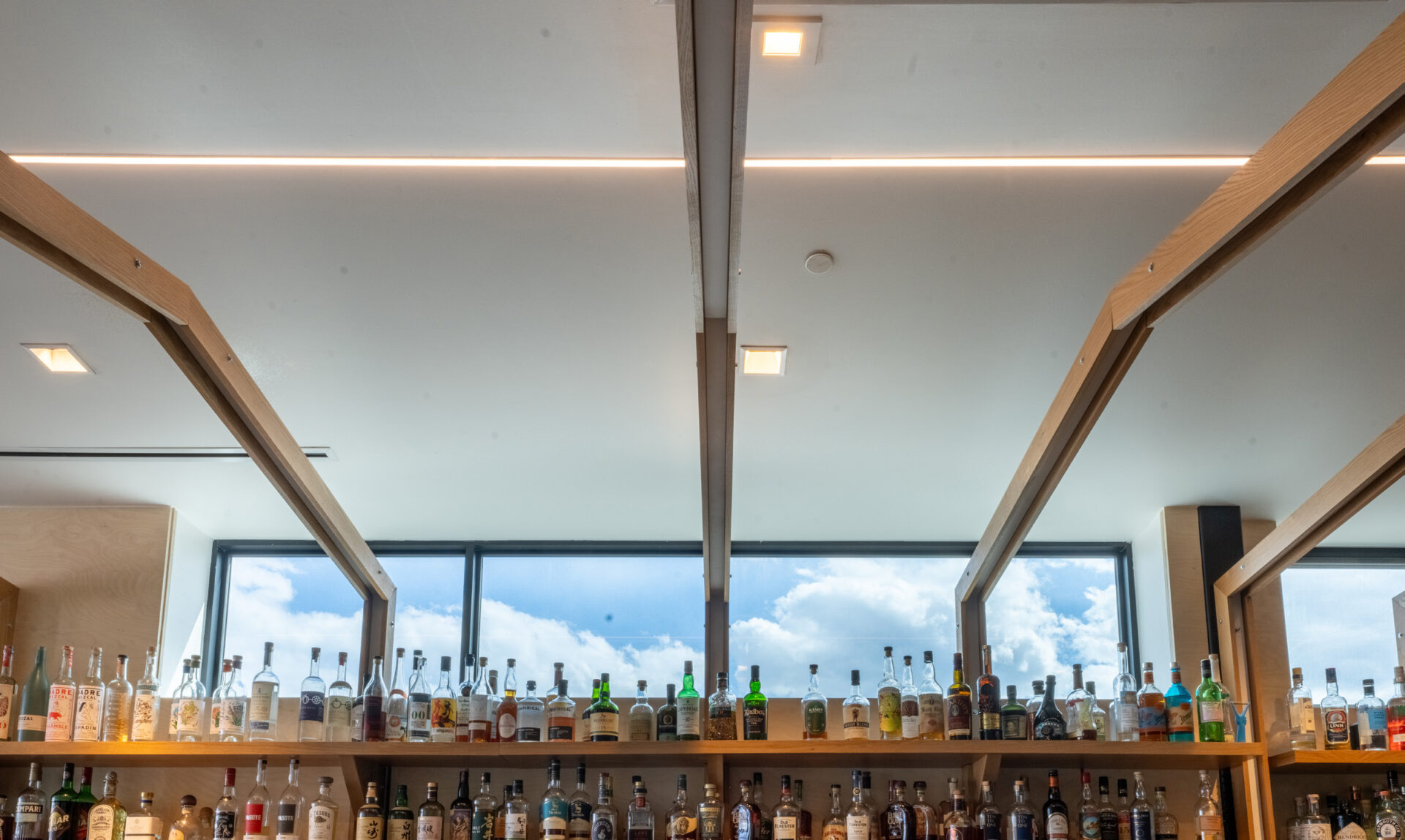
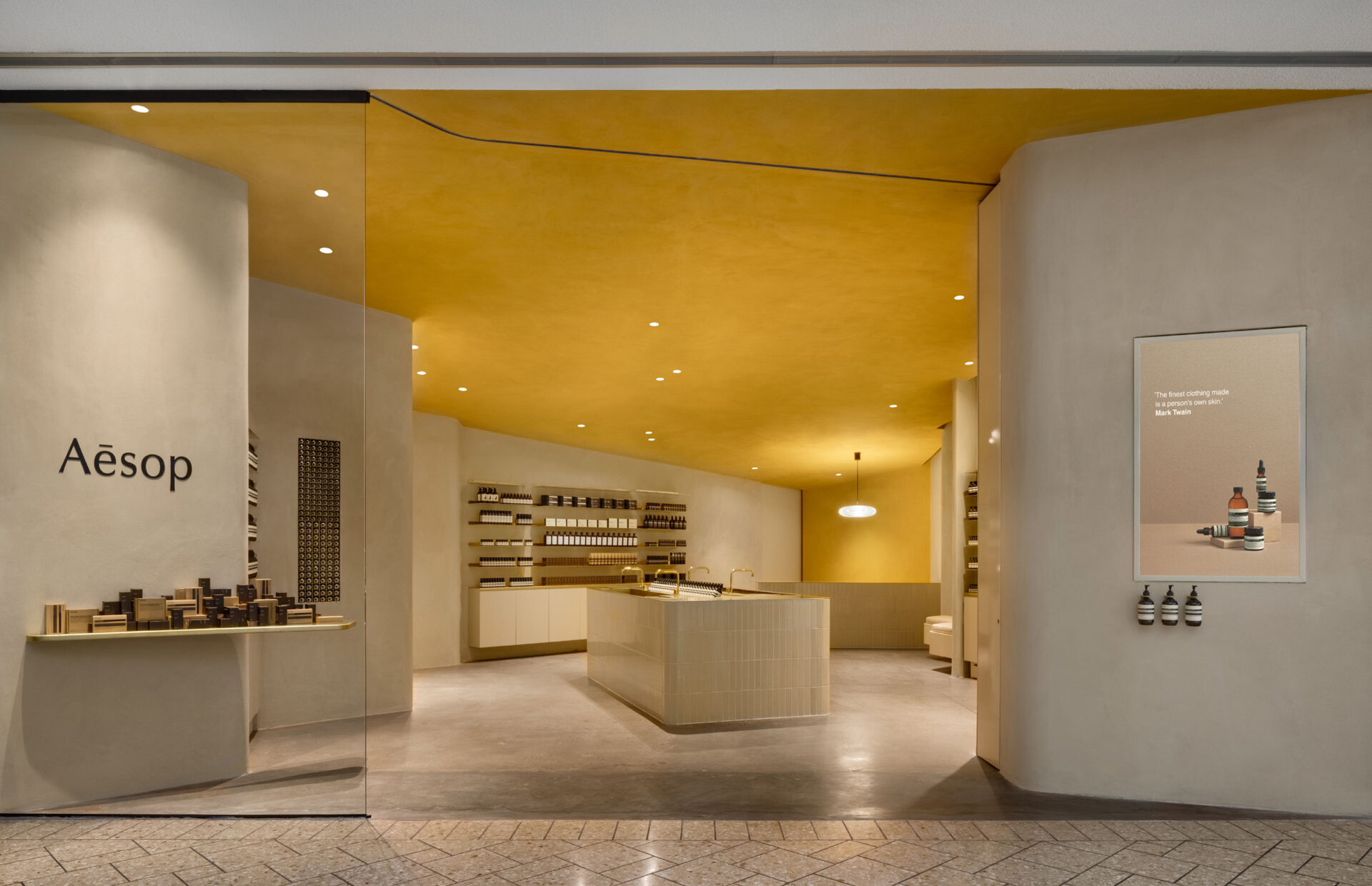
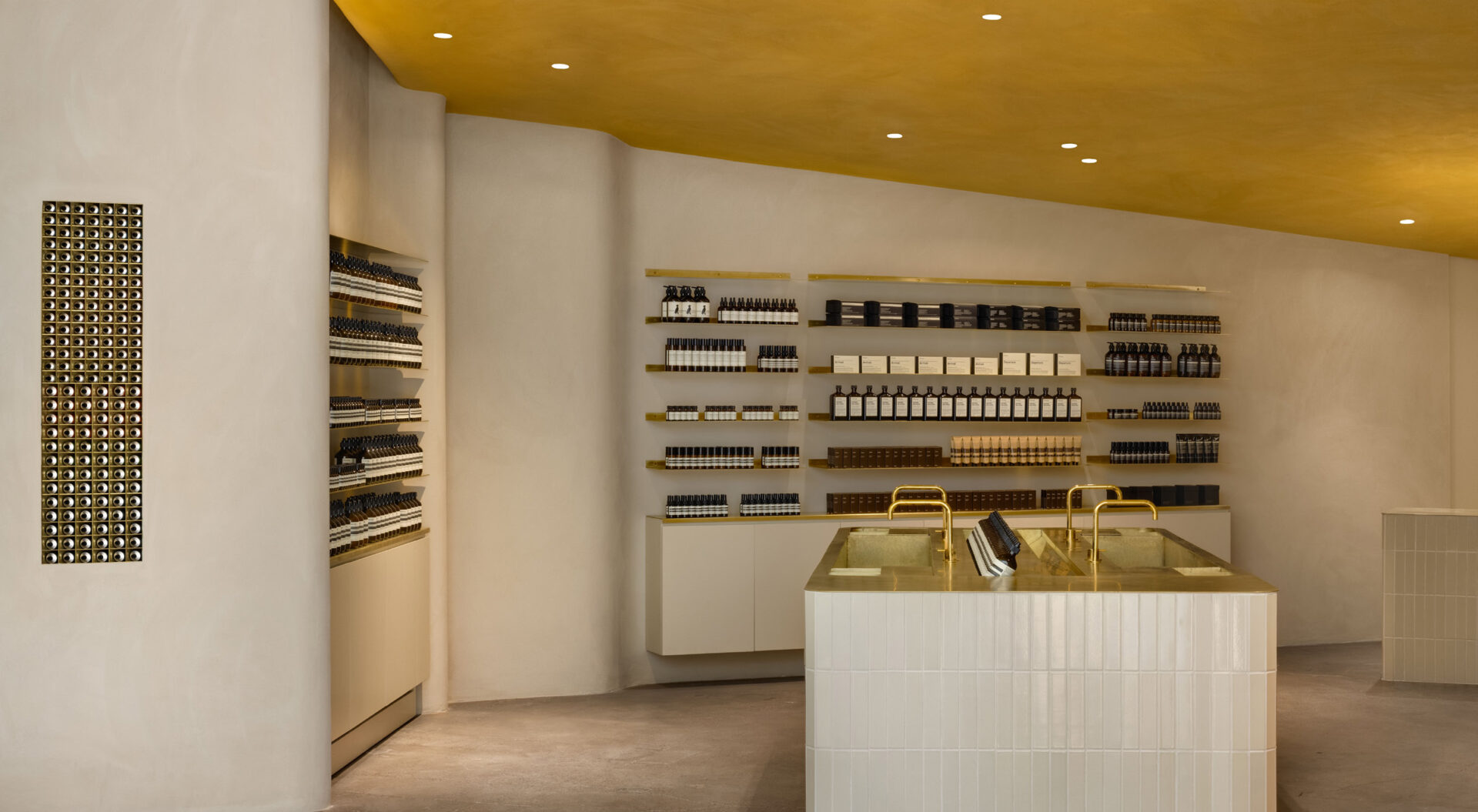
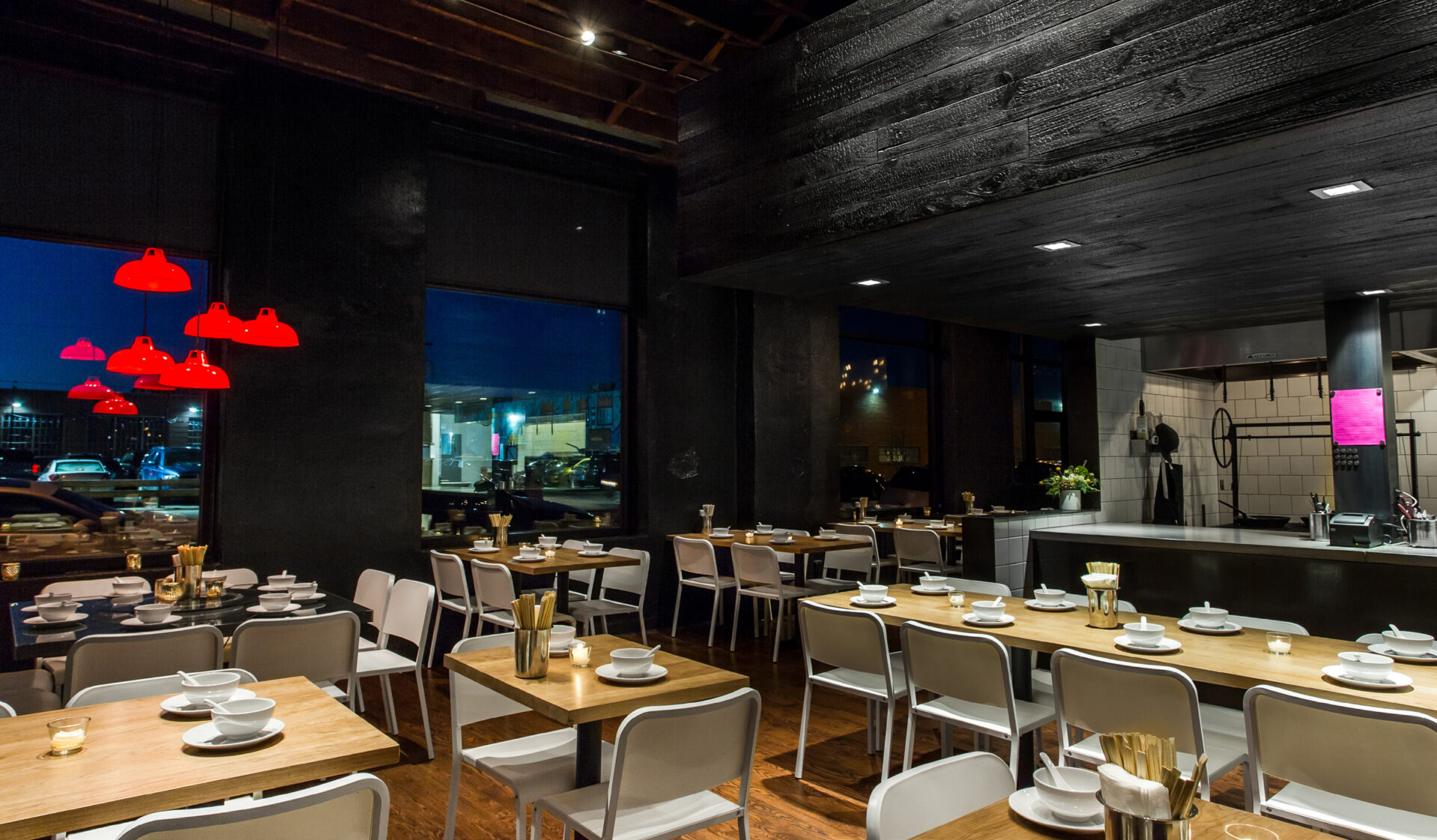
Kevin possesses a remarkable ability to translate a chef’s vision and story into immersive and celebrated dining experiences. His designs, lauded by both critics and the Colorado community, have redefined the city’s culinary landscape, solidifying his reputation as a sought-after partner for restaurateurs and as a force in hospitality design. His focus on the experience of the end user makes his design not only functional but also a place to create lasting memories.
Beyond his achievements in design, Kevin is a dedicated advocate for lifting up others in the profession and community. Through Regular Architecture, he actively seeks opportunities to mentor emerging architects, providing guidance and support through programs like Immersion Workshop and ACE Mentoring Program.
Additionally, Kevin’s commitment to serving the underserved is evident in Regular Architecture’s pro-bono work, providing design services for community-based organizations like the Social Fabric Community Hub and countless volunteer hours with Food For Thought. His unwavering dedication to mentorship, community service, and design excellence truly sets him apart among this year’s applicants.
The jury was loudly unanimous in their decision and is thrilled to announce Kevin Nguyen as 2025 AIA Colorado Architect of the Year. Congratulations!
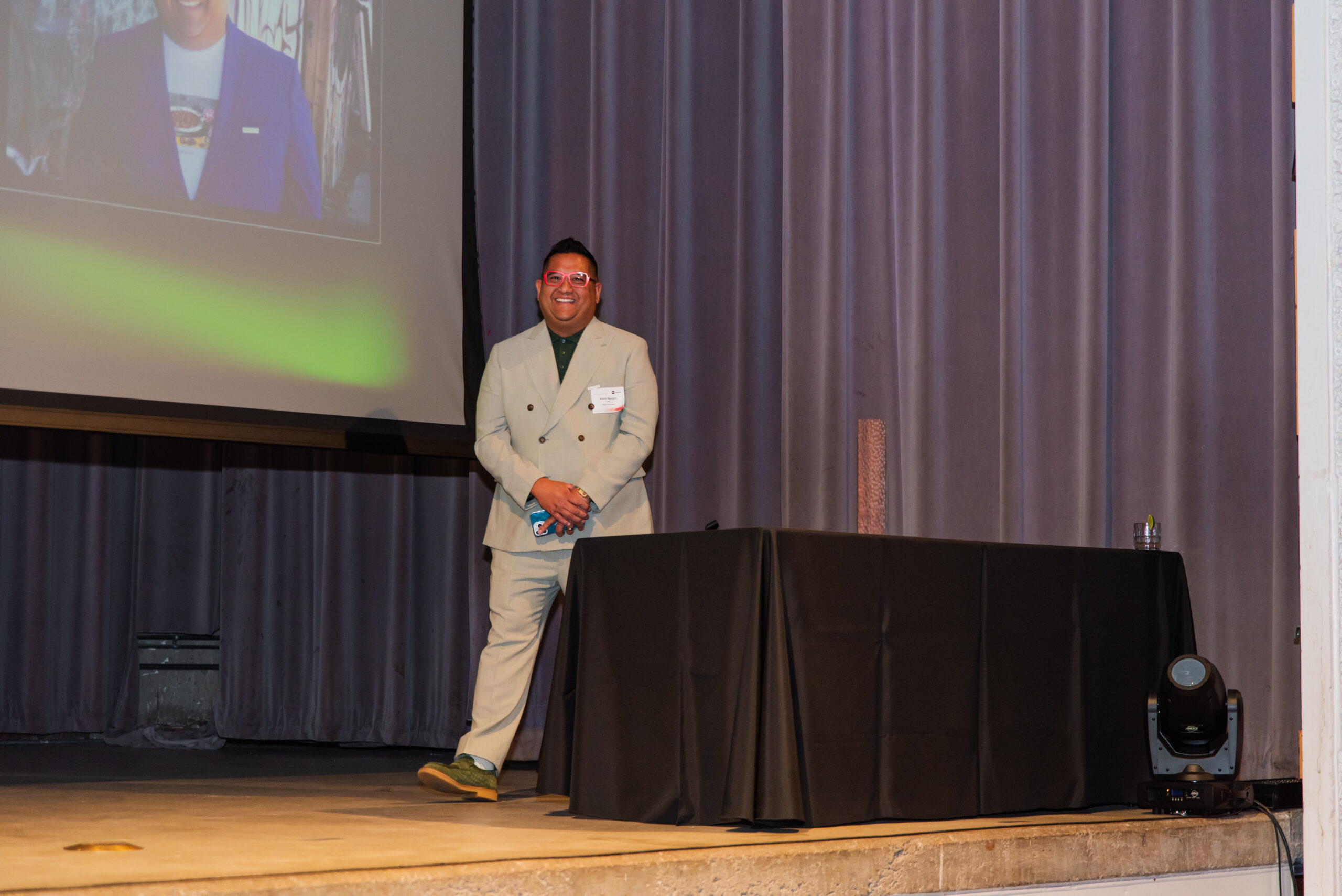
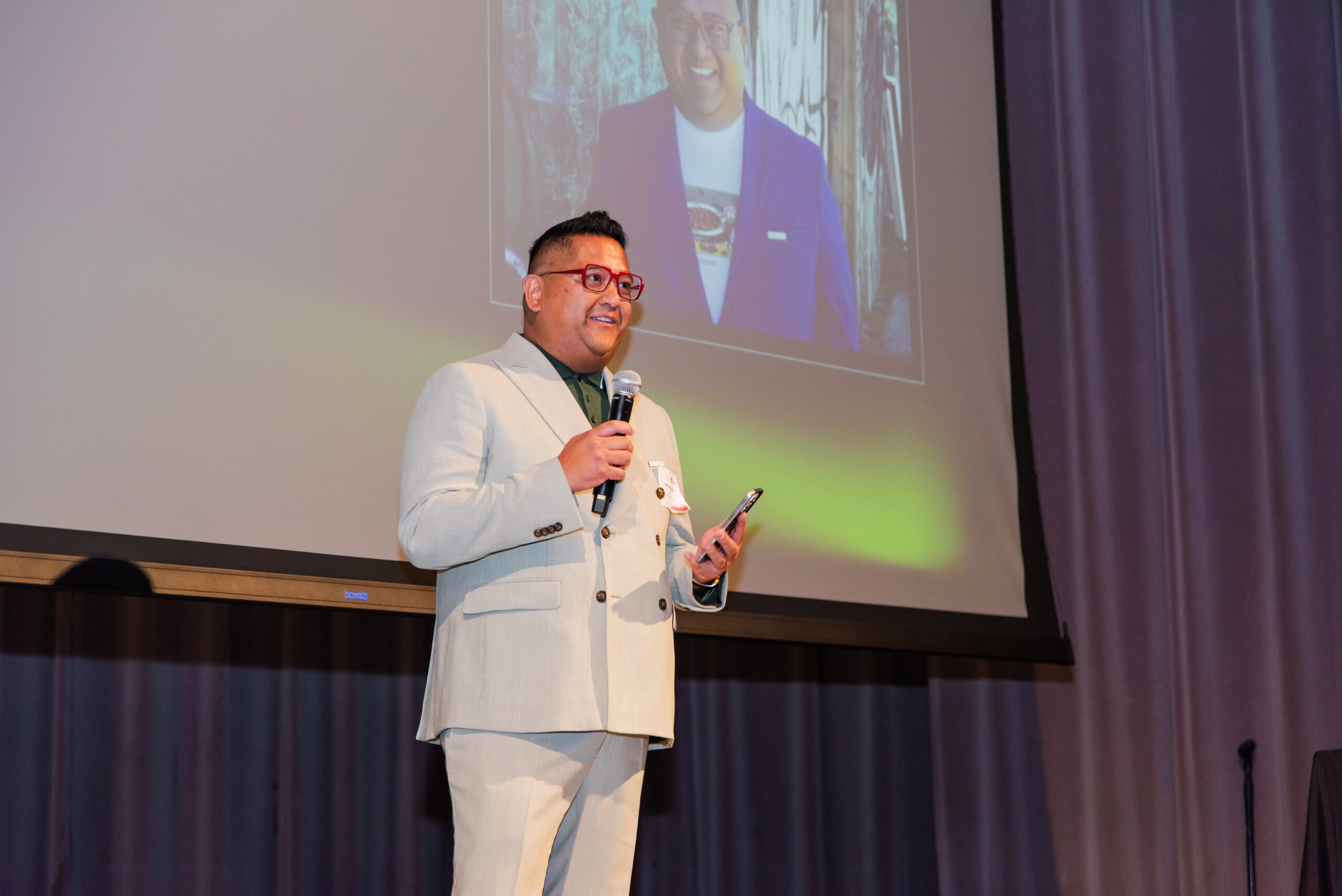
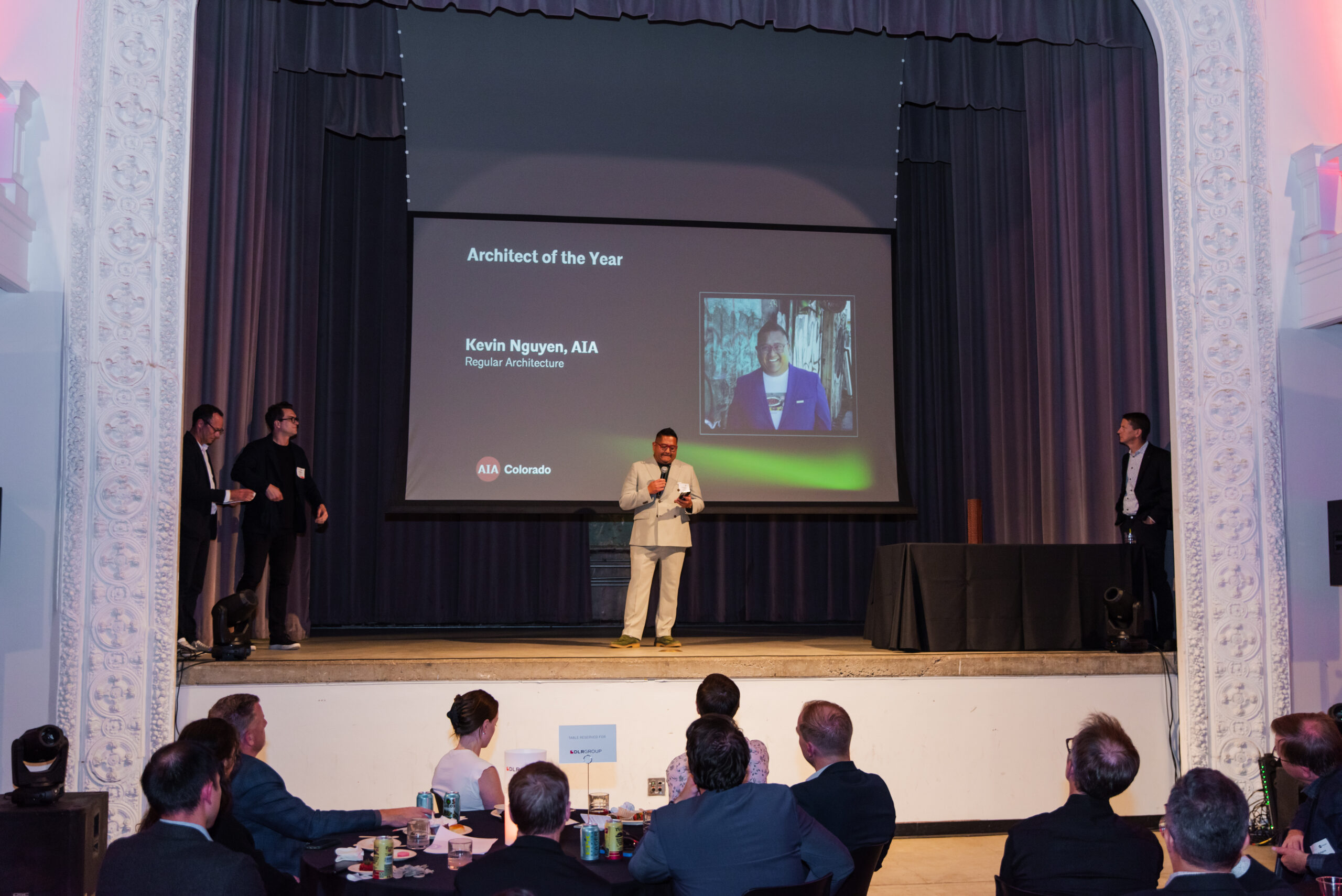
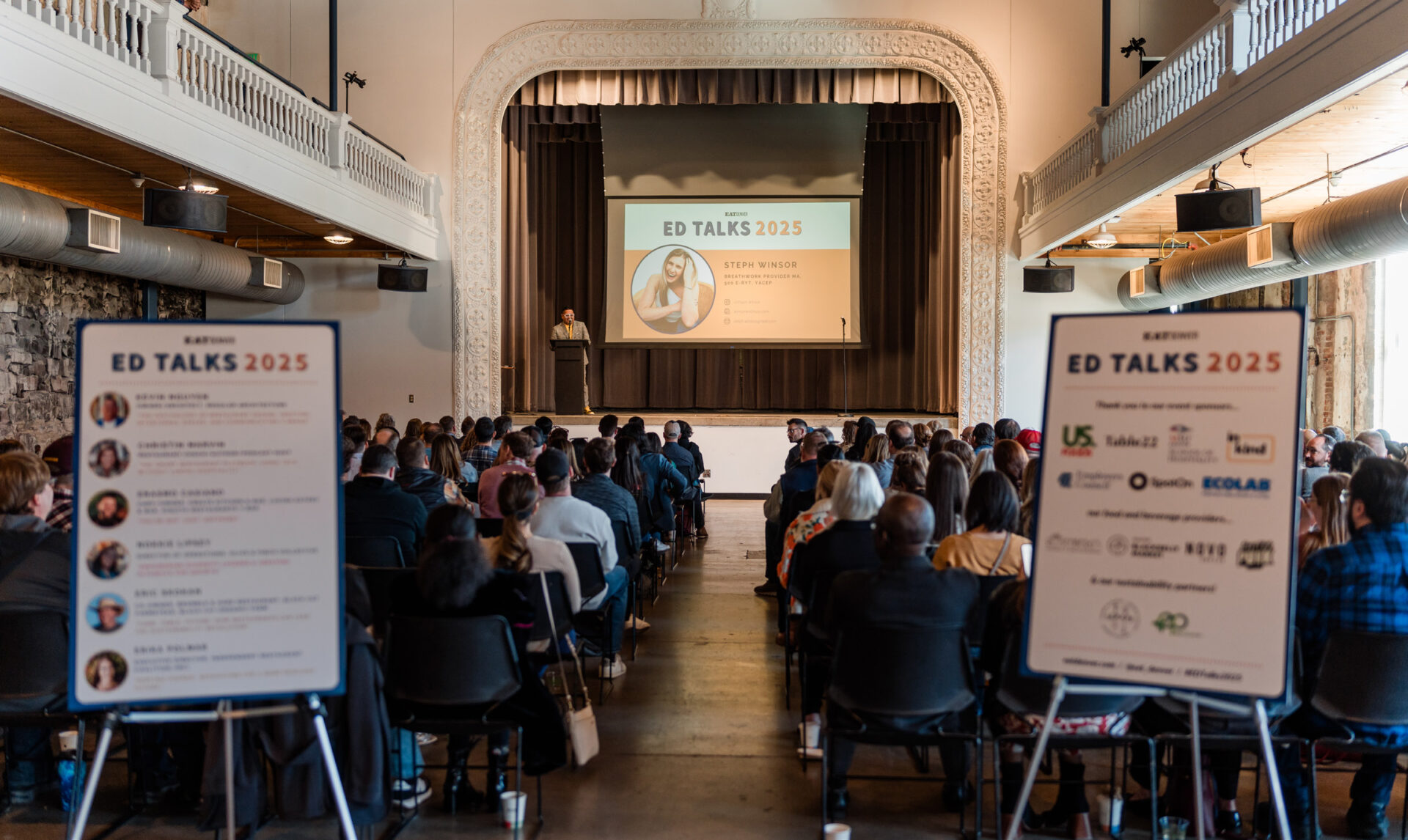
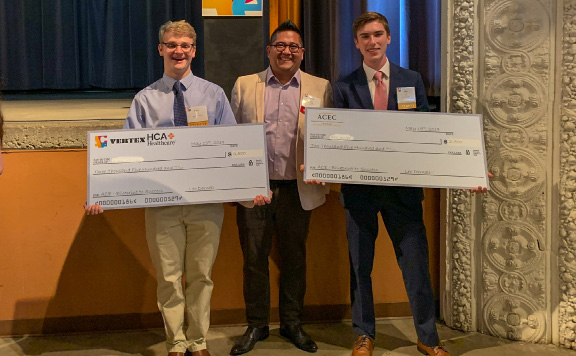
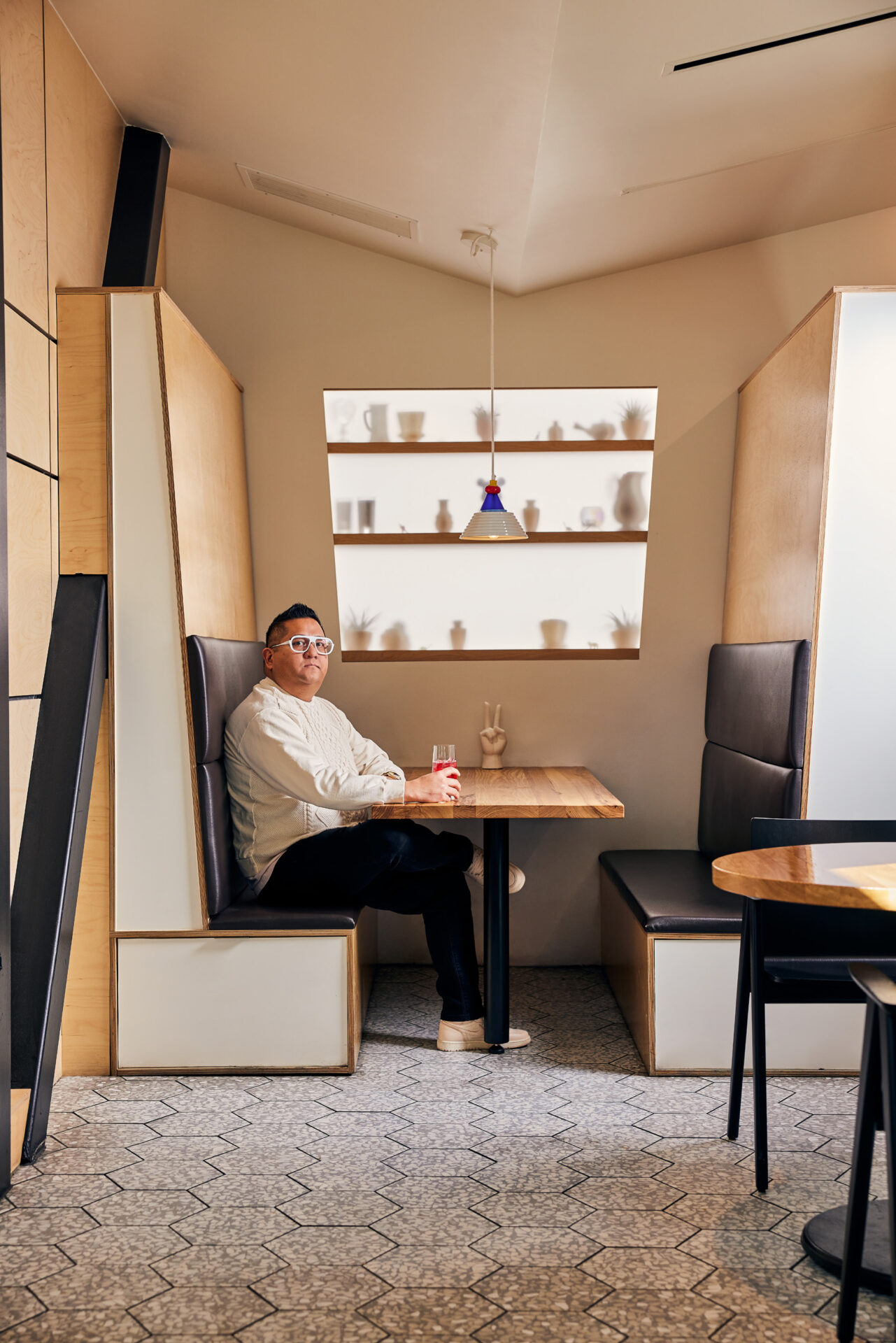
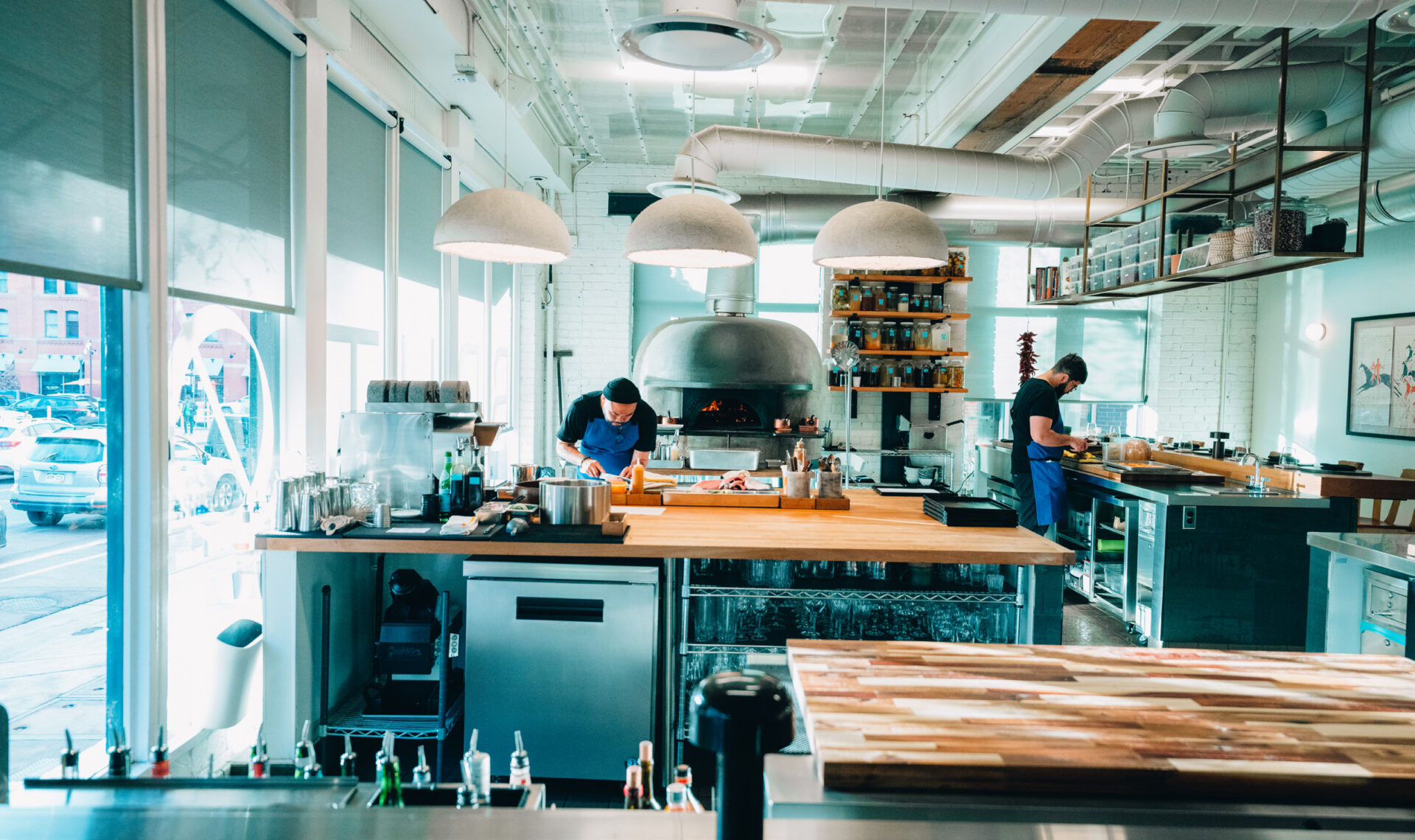
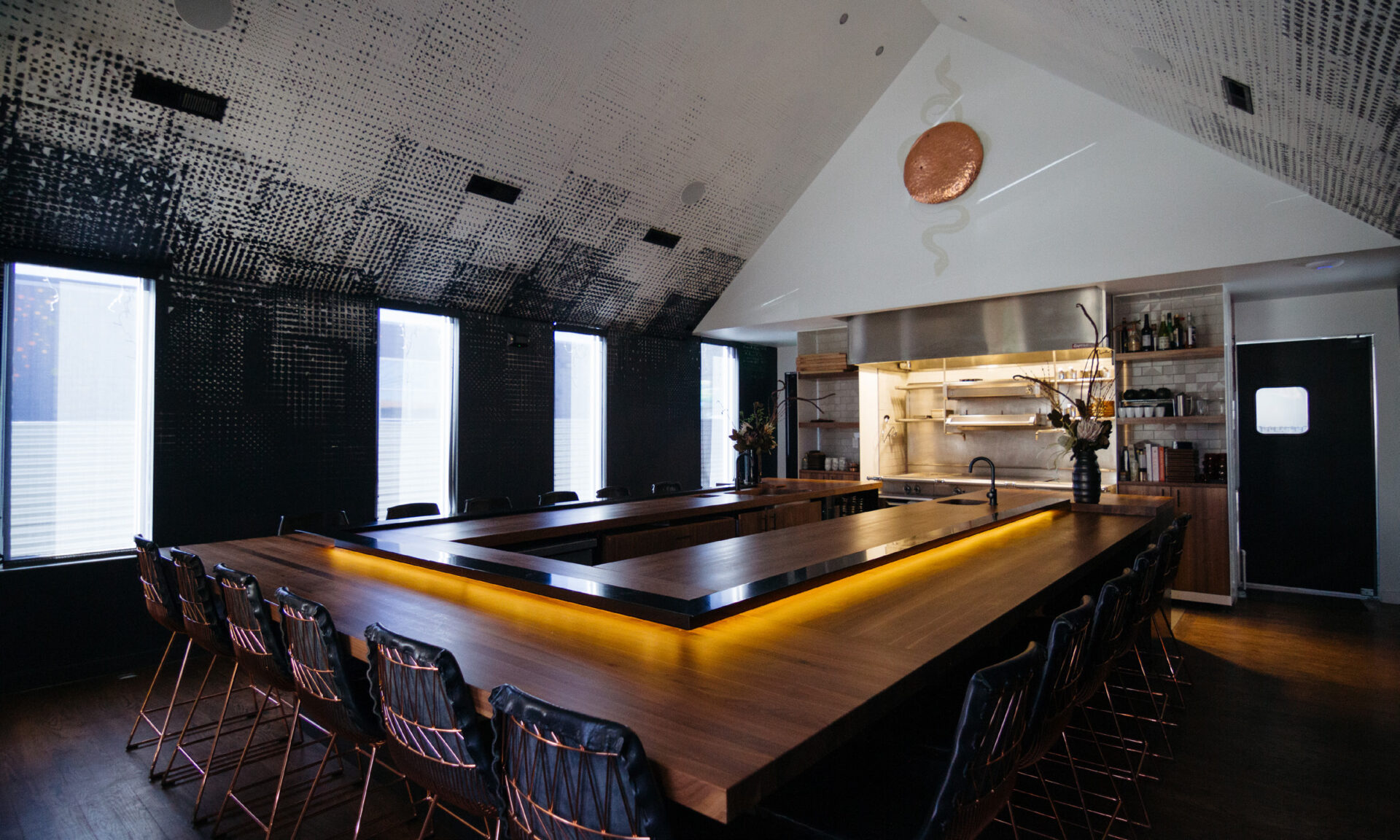
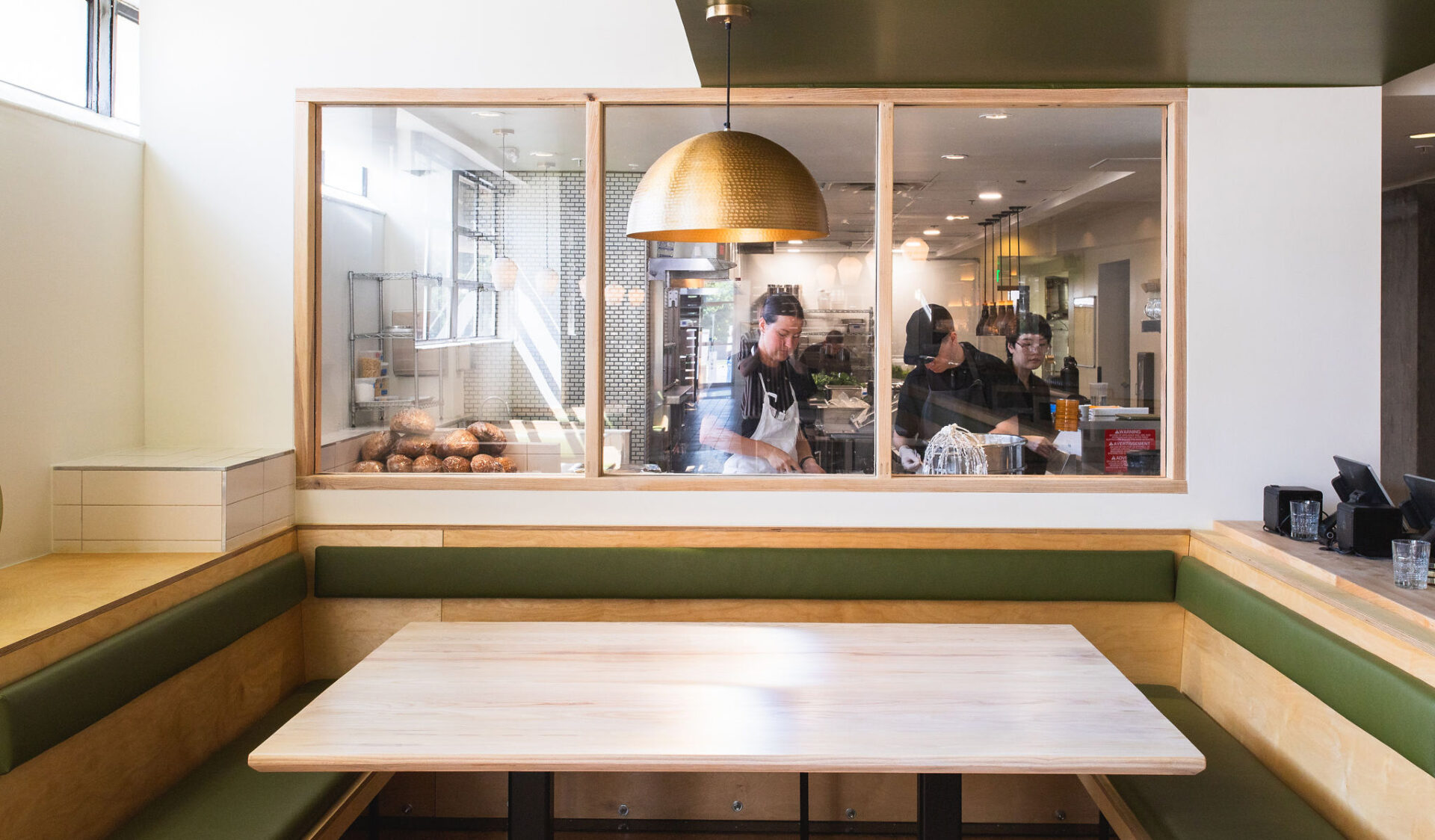
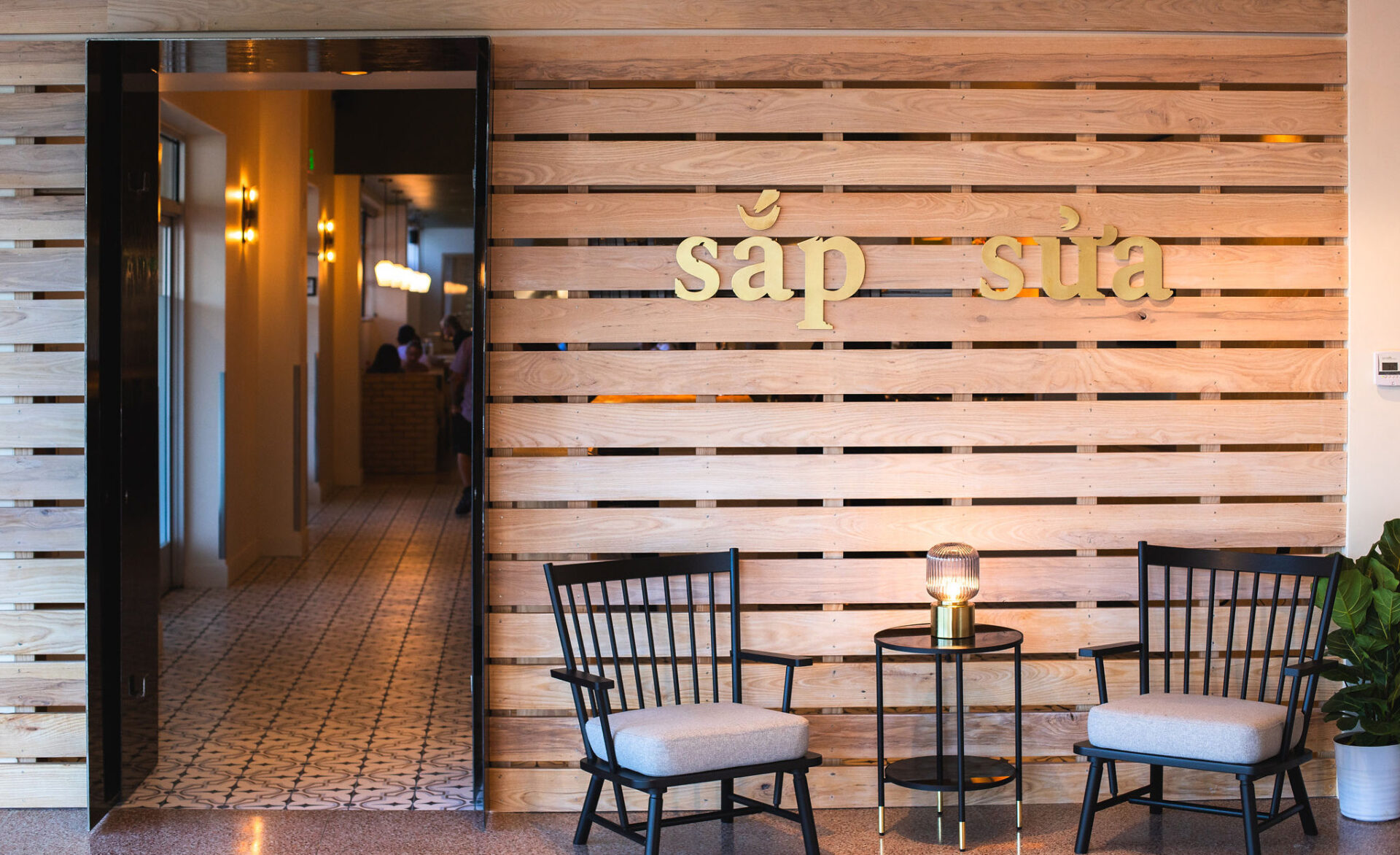
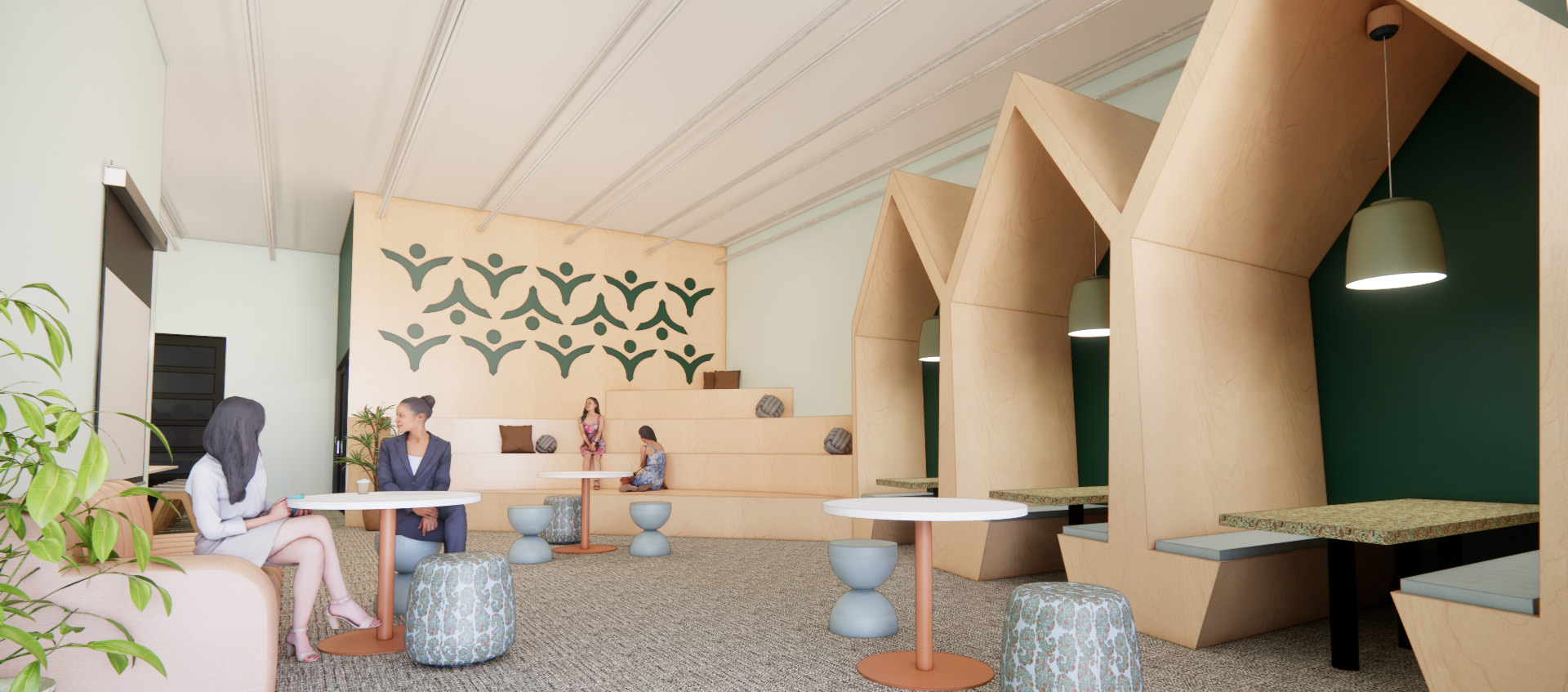
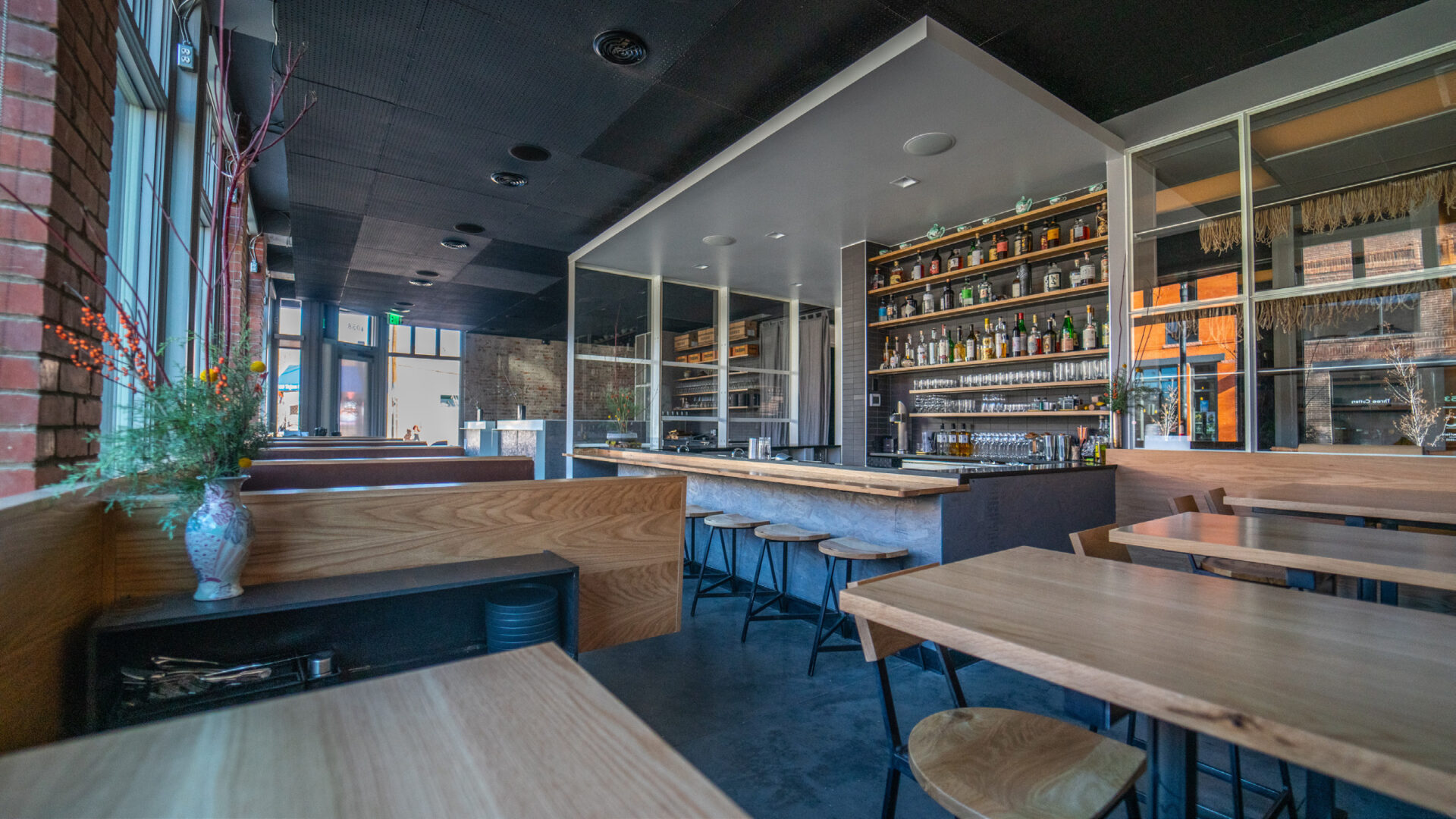

The annual AIA Colorado Awards honor the outstanding work of members and their firms, reinforce the value of great architecture, and highlight member contributions to positive change.
2025 Young Architect of the Year • Kaylyn Kirby, AIA
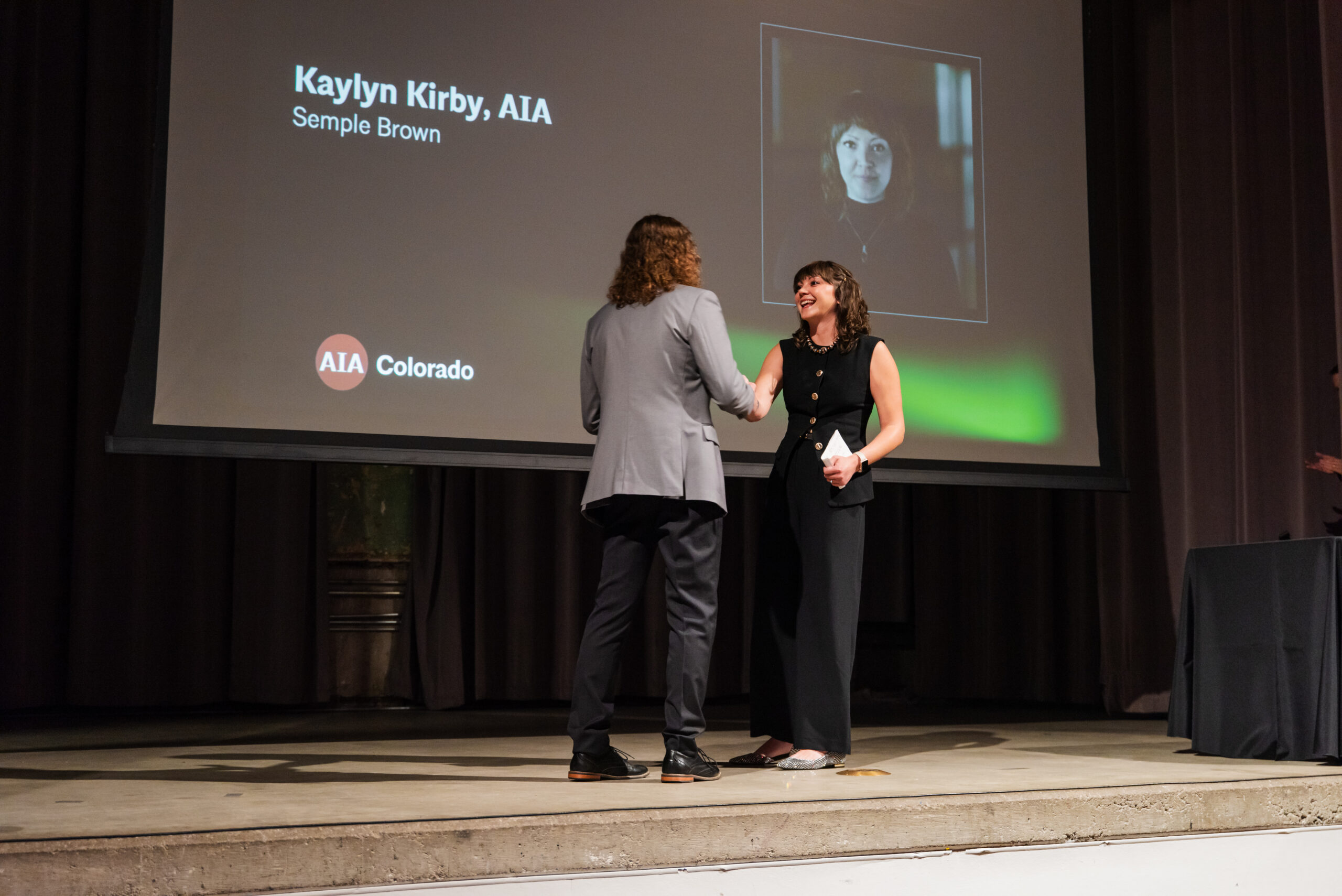
Congratulations to 2025 Young Architect of the Year
Kaylyn Kirby, AIA
The Award
The AIA Colorado Young Architect Award recognizes the individual achievements of a young architect licensed to practice architecture fewer than 10 years. This individual will have demonstrated exceptional leadership and made significant contributions to the architecture profession early in their career.
Presented by Tyler Wurr, AIA
RTA Architects
2025 AIA Colorado South Director

Kaylyn Kirby, AIA, Associate Principal, Semple Brown
For the 2025 Young Architect of the Year award, the jury had no shortage of talent to deliberate over. So first, we would like to acknowledge the fantastic applicants this year, and we hope you will consider applying next year.
In a year filled with remarkable nominees, Kaylyn Kirby’s nomination truly distinguished itself. It is a privilege to recognize her with this well-earned honor.
Kaylyn is an Associate Principal at Semple Brown where she has been practicing since 2017. Kaylyn is unwavering in her commitment to the profession and its people; anyone who knows her would say the same.
Kaylyn’s dedication to mentorship is especially admirable. She is both a mentor and a true leader in her daily studio environment, and in her volunteer activities. Kaylyn has served numerous roles to elevate and guide emerging professionals and young architects, including the AIA Colorado EP/YA Leadership Council, as a mentor for the AIA Colorado Ascend Mentorship Program, and as the Young Architect’s Forum representative, to name just a few. Her commitment to the next generation of architects is an inspiration to all.
Guided by a deep passion for design excellence, Kaylyn creates spaces that transform and improve the places where we live, work, and gather. From large mixed-use and multifamily projects to historic rehabilitations and renovations, her impressive portfolio spans multiple project types. From the local level to the national stage, Kaylyn’s contributions have strengthened our profession and enriched its people.
Congratulations!


The annual AIA Colorado Awards honor the outstanding work of members and their firms, reinforce the value of great architecture, and highlight member contributions to positive change.
2025 President’s Award • Gov. Jared Polis
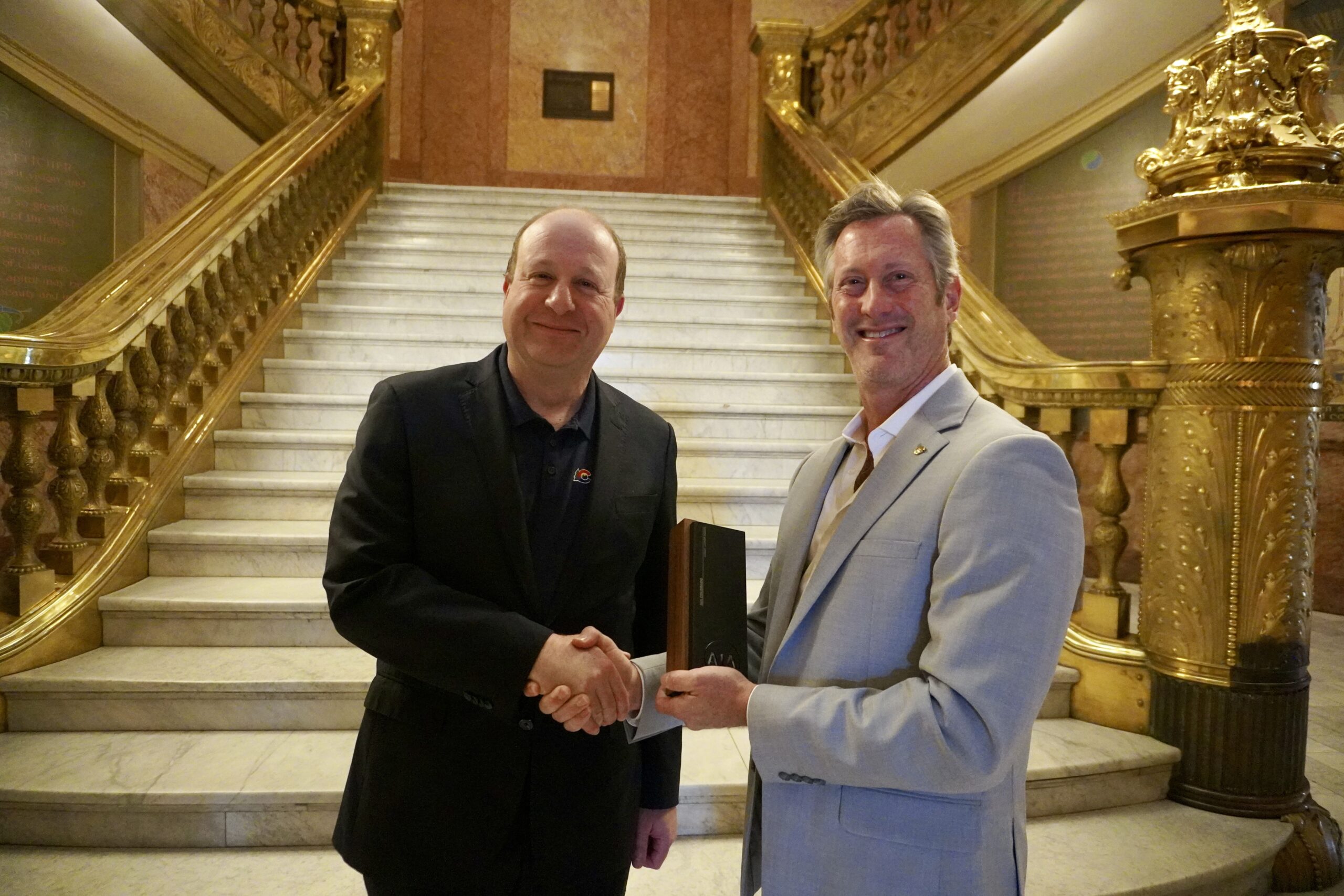
Congratulations to 2025 President’s Award recipient
Gov. Jared Polis
The Award
This Award recognizes a community member in Colorado who has significantly contributed to the advancement of architecture from a vantage point outside of a firm or a traditional practice career.
Presented by Scott Rodwin, AIA
Principal, Rodwin Architecture
2025 AIA Colorado President

Gov. Jared Polis


The annual AIA Colorado Awards honor the outstanding work of members and their firms, reinforce the value of great architecture, and highlight member contributions to positive change.
2025 Firm of the Year • Barker Rinker Seacat
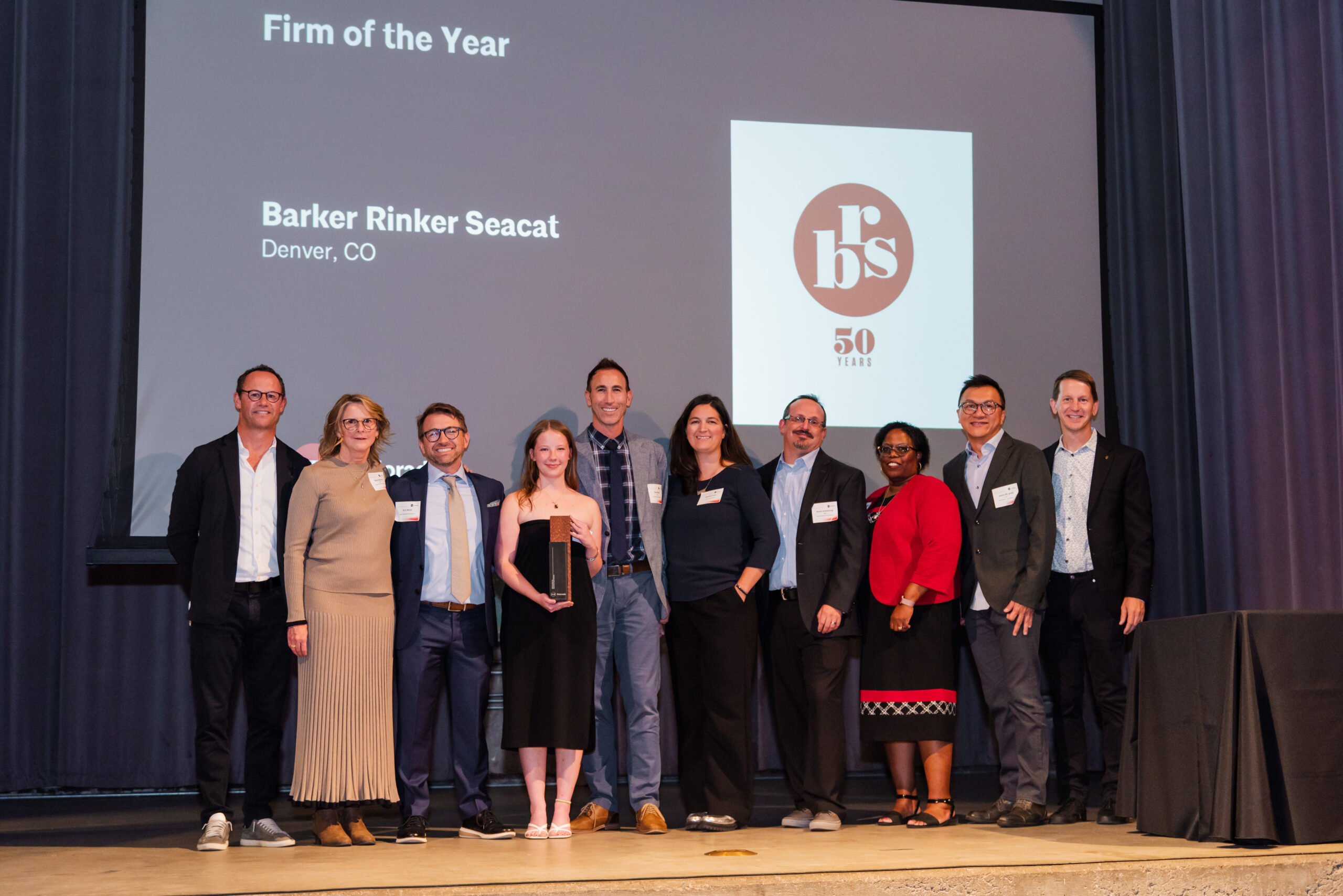
Congratulations to 2025 Firm of the Year
Barker Rinker Seacat
The Award
This award recognizes the outstanding achievement of a firm that has produced notable architecture for at least a decade. Award-winning firms have set an example both in design and leadership in the state. Criteria include an outstanding portfolio as a product of the firm’s collaborative environment. Through its work it has made a significant impact on its community and/or the architecture profession. Demonstrates a commitment to training future architects. Additionally, they exhibit a culture that embraces diversity and is widely known for the quality of its work, ability to work with clients and collaboration as a team by architects, designers, educators, and the public. They are known for the application of innovative technologies and/or progressive methodologies and developed works to achieve resilient and sustainable design goals.
Presented by Andy Rockmore, AIA
Principal, SAR+
2025 AIA Colorado President-Elect

Barker Rinker Seacat
This award recognizes the outstanding achievement of a firm that has produced notable architecture for at least a decade. Award-winning firms have set an example both in design work and practice leadership in the state.
Barker Rinker Seacat is celebrating 50 years of practice, a feat worthy of an award all on its own. However, the jury was even more impressed and inspired for their commitment to creating high quality, community centered architecture, for decades. Their work is the result of bringing people together to create places for social connection specific to each community.
The jury was equally impressed by their ability to keep people together, in their great firm. They are a perfect example of a company that values staying together by working together, year after year. This commitment to each other and to their culture, is evident in every piece of exceptional architecture they create.


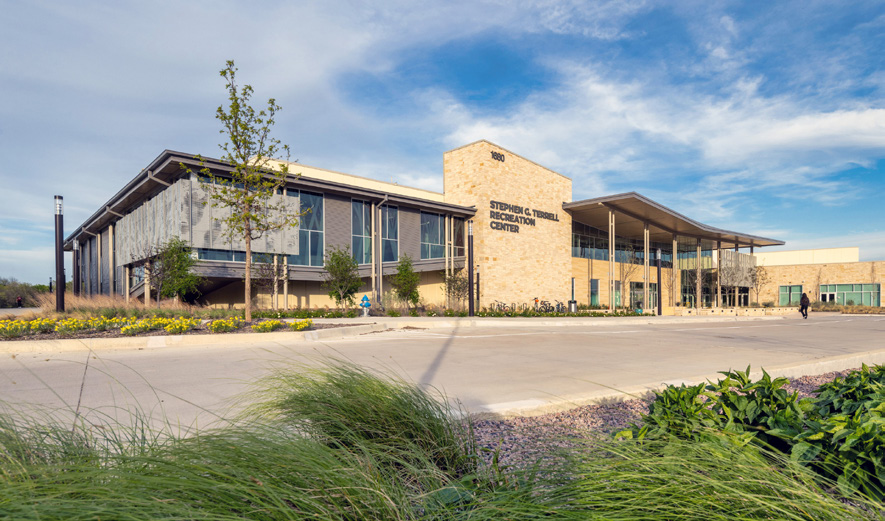

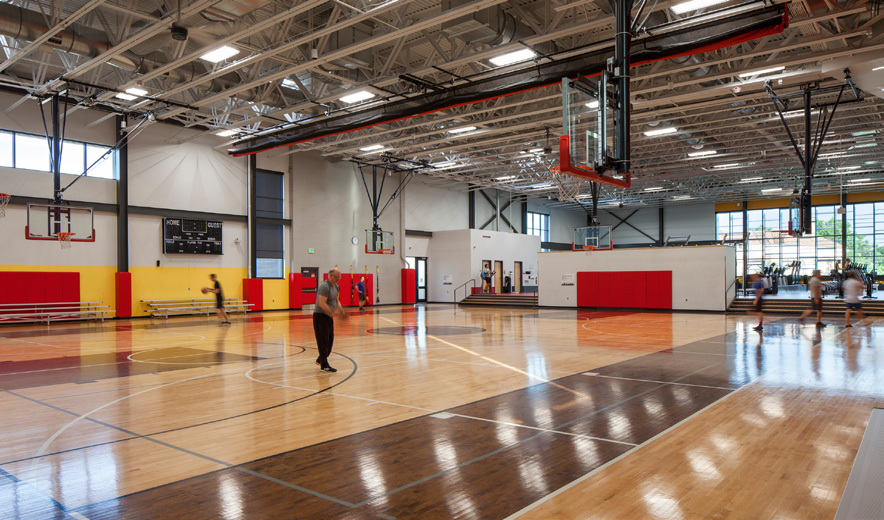


The annual AIA Colorado Awards honor the outstanding work of members and their firms, reinforce the value of great architecture, and highlight member contributions to positive change.
2025 Educator of the Year • Erik Sommerfeld, AIA
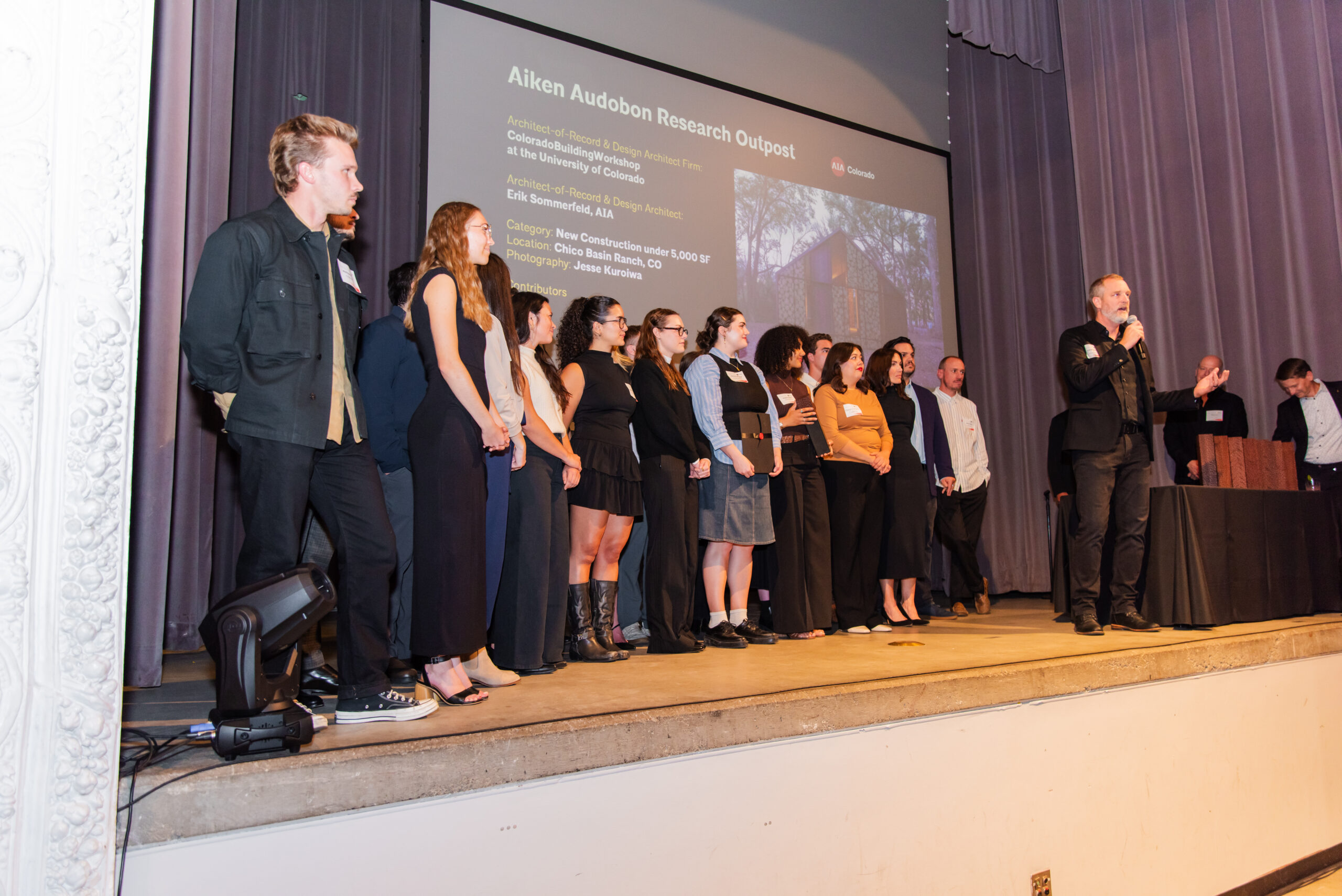
Congratulations to 2025 Educator of the Year
Erik Sommerfeld, AIA
The Award
Recognizes an individual with at least a decade of experience in architectural education who made significant impact on the profession.
Presented by Jack Davis, FAIA
Dean Emeritus, College of Architecture and Urban Studies at Virginia Tech
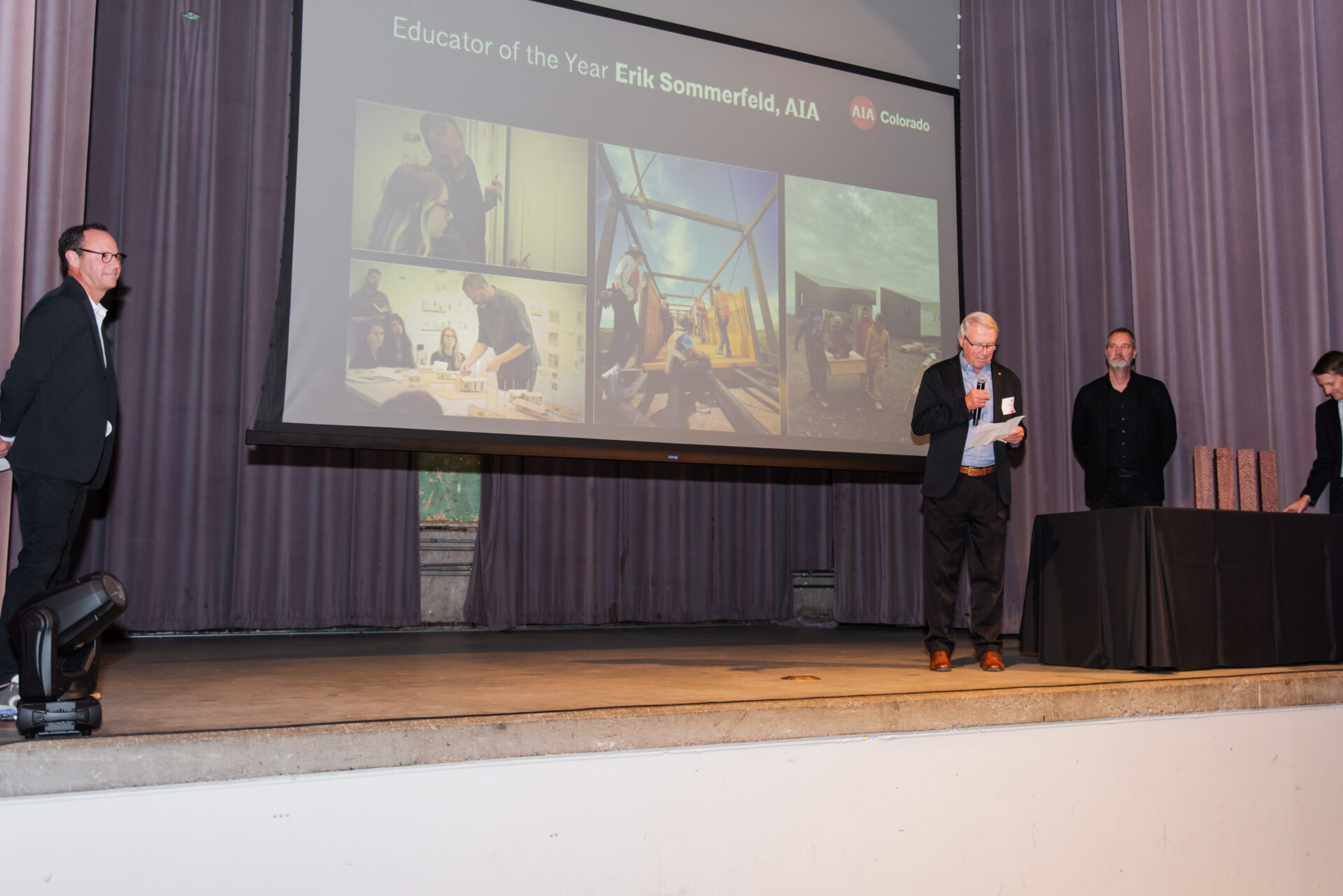
Erik Sommerfeld, AIA
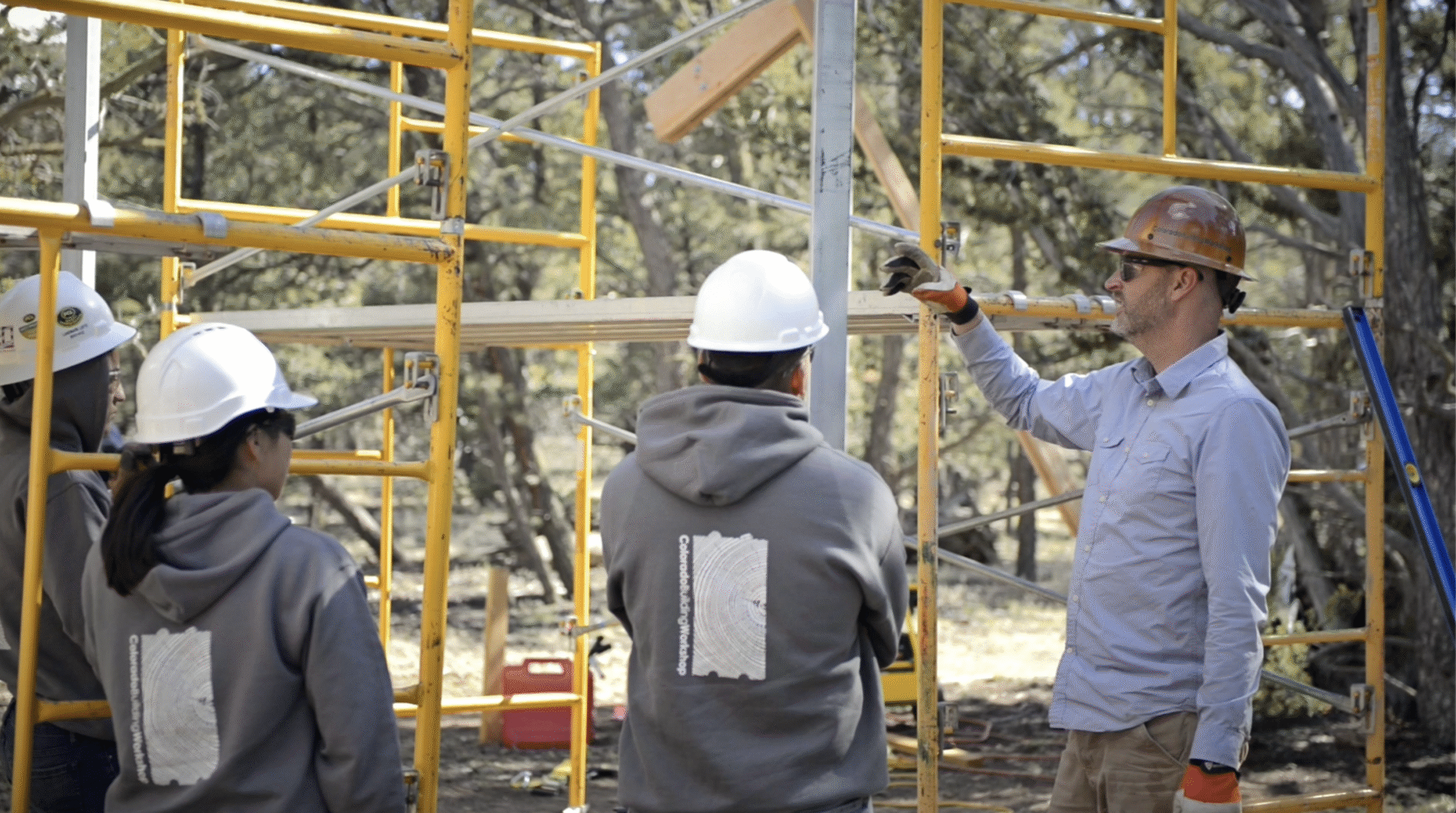
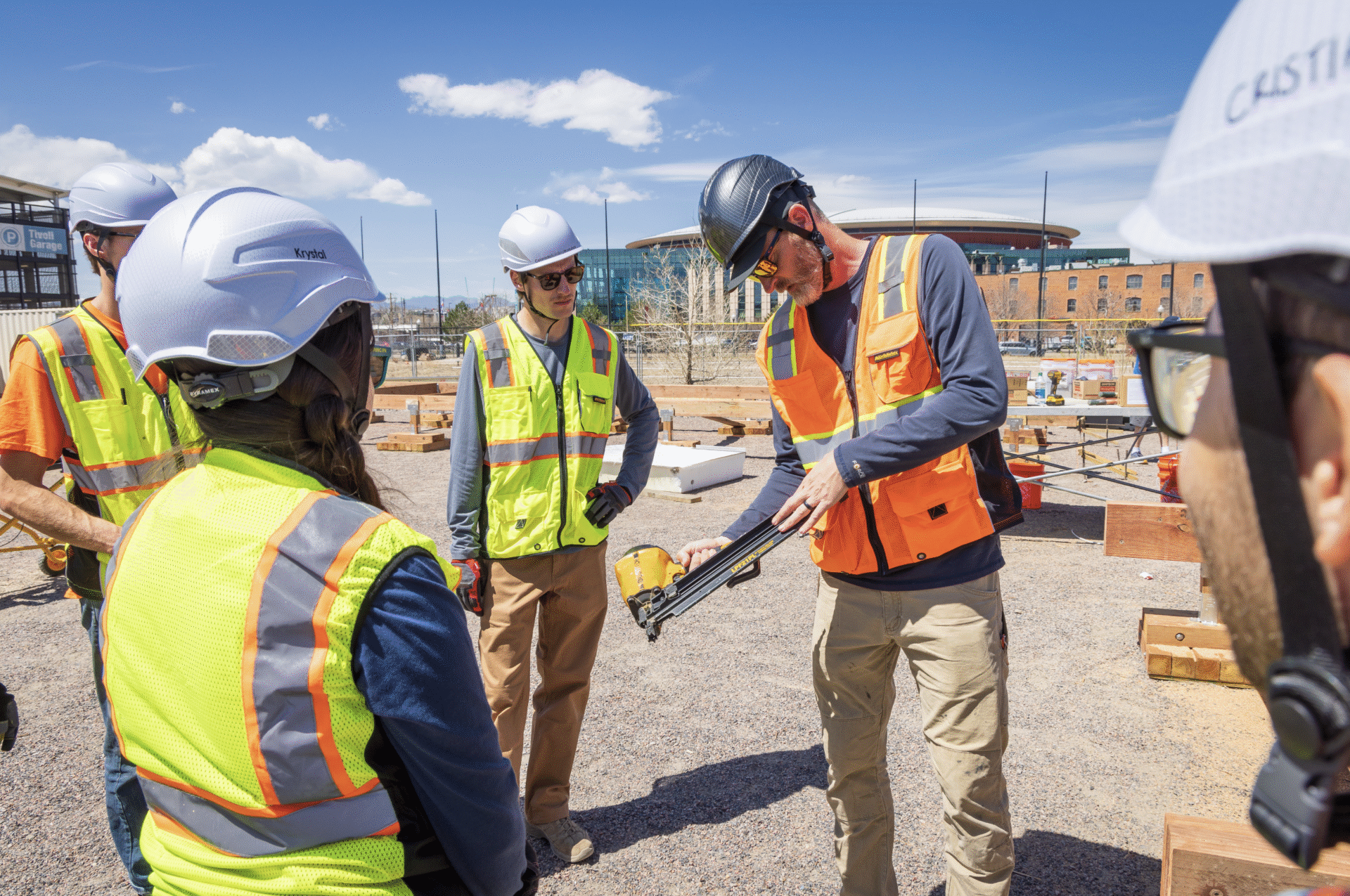
Architect and Associate Professor, Director of ColoradoBuildingWorkshop, Director of Graduate Studies at University of Colorado Denver
It is a great honor, on behalf of the AIA Colorado Awards Committee, to present a very special recognition, our inaugural Educator of the Year Award.
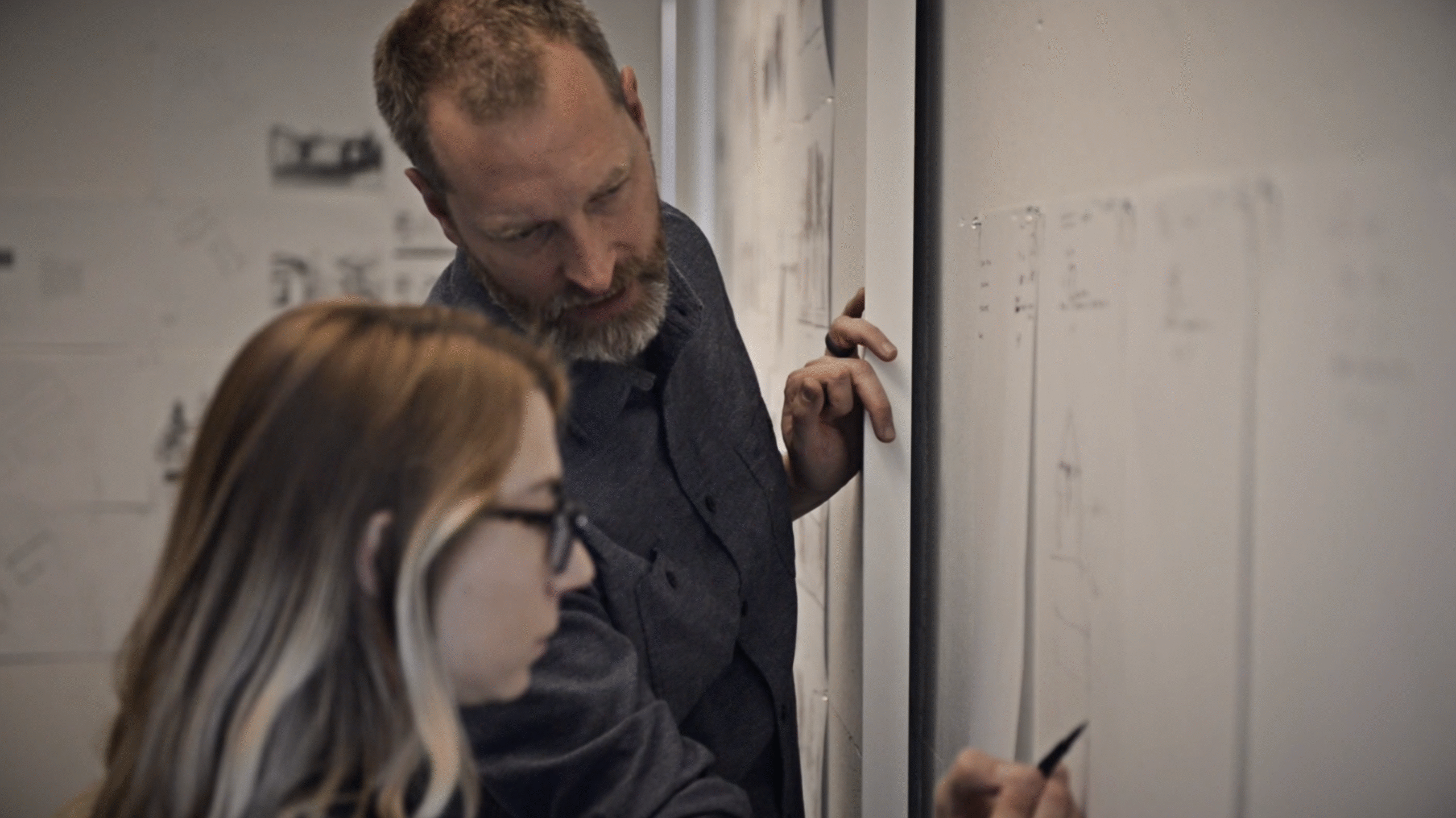
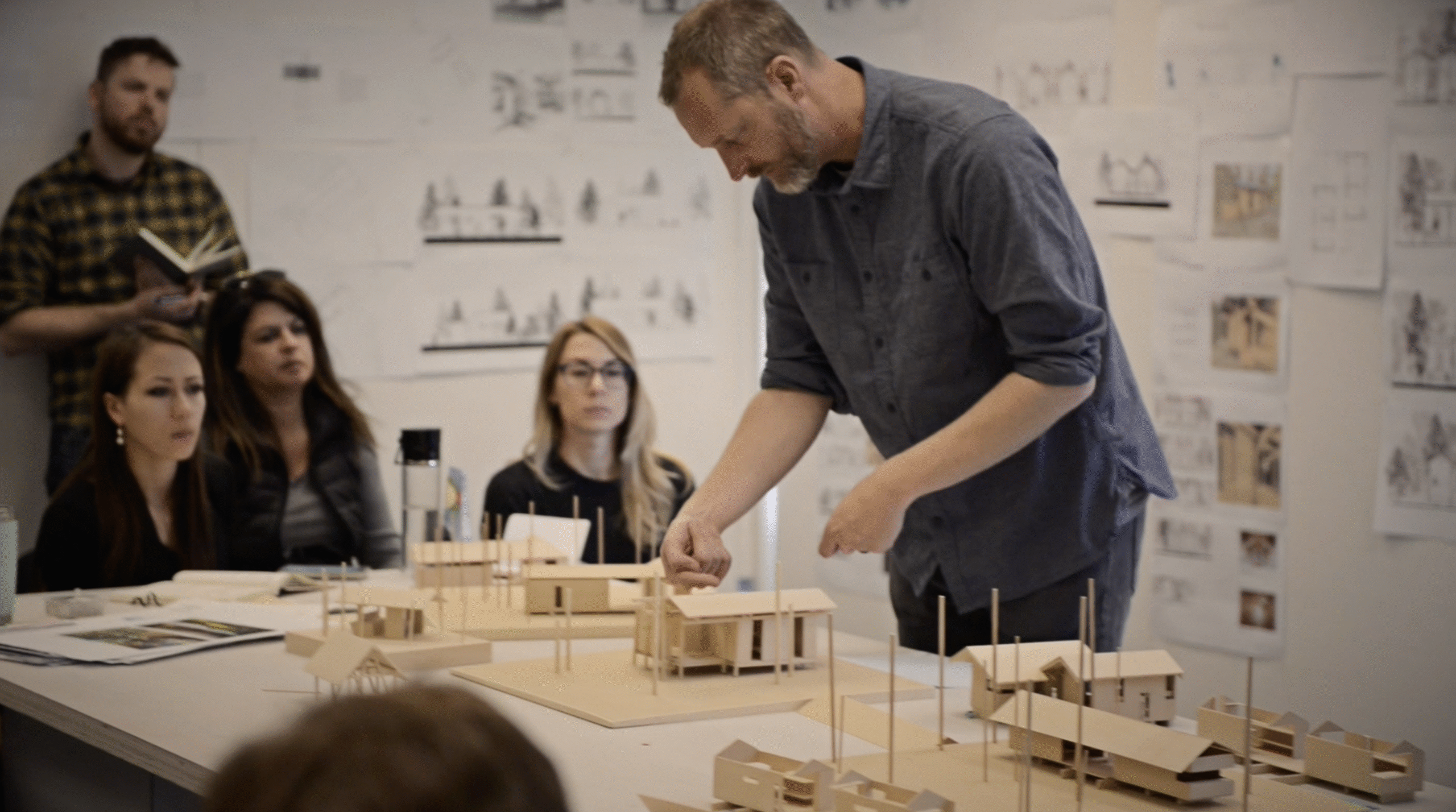
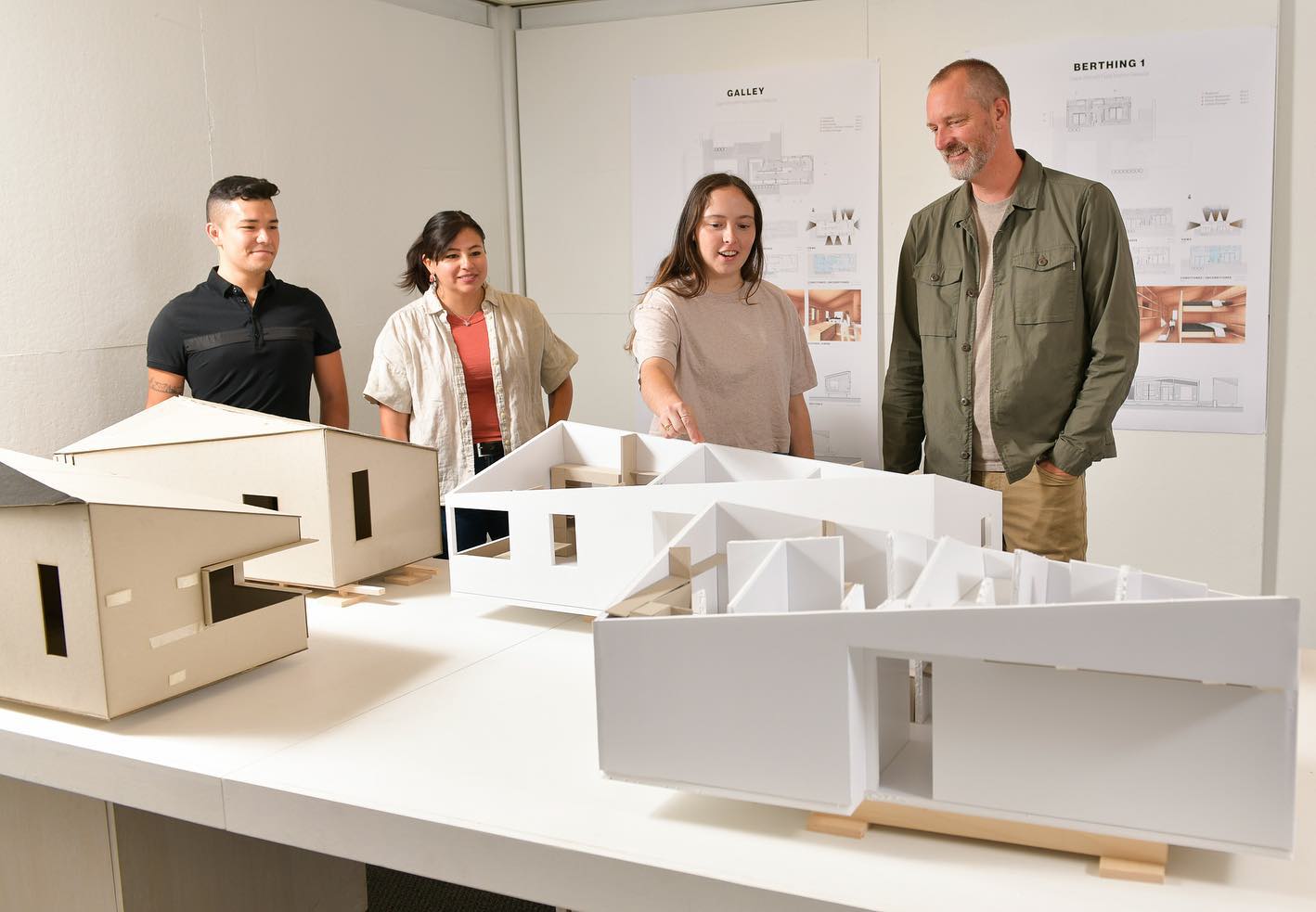
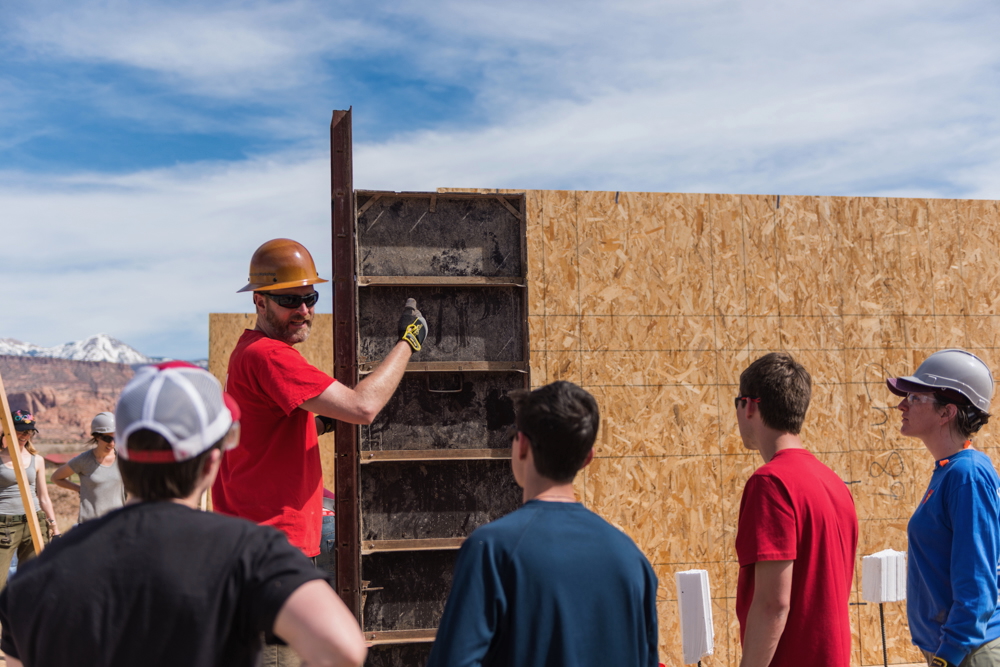
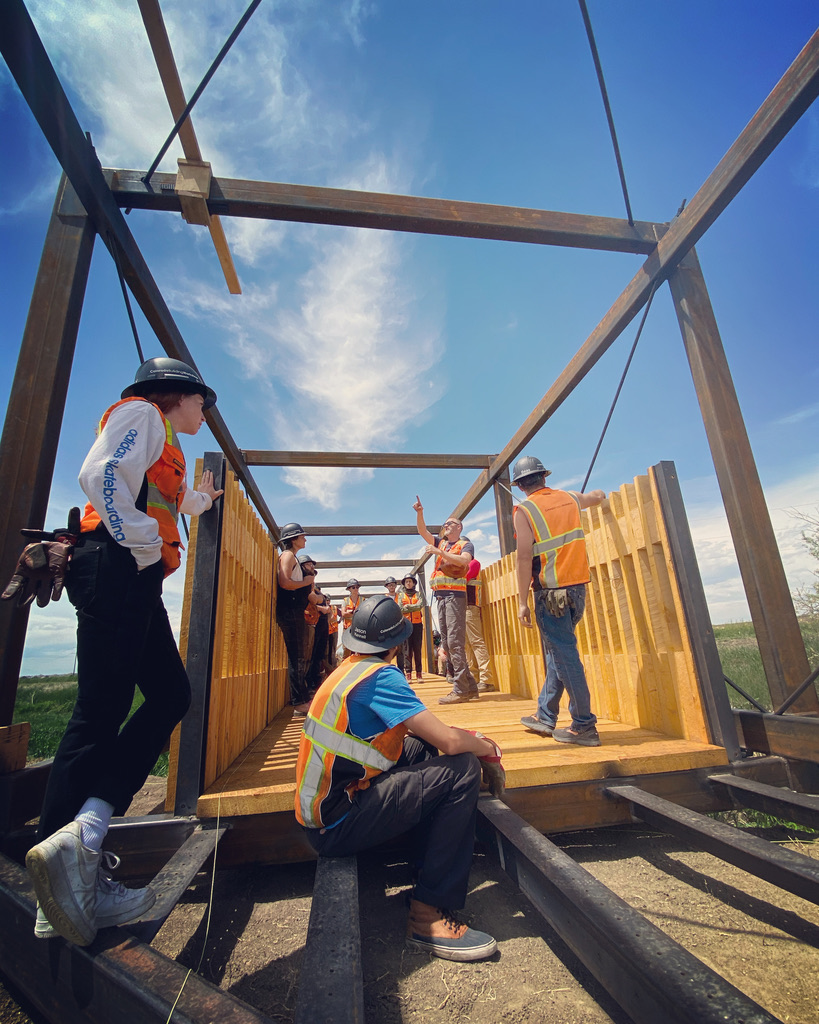
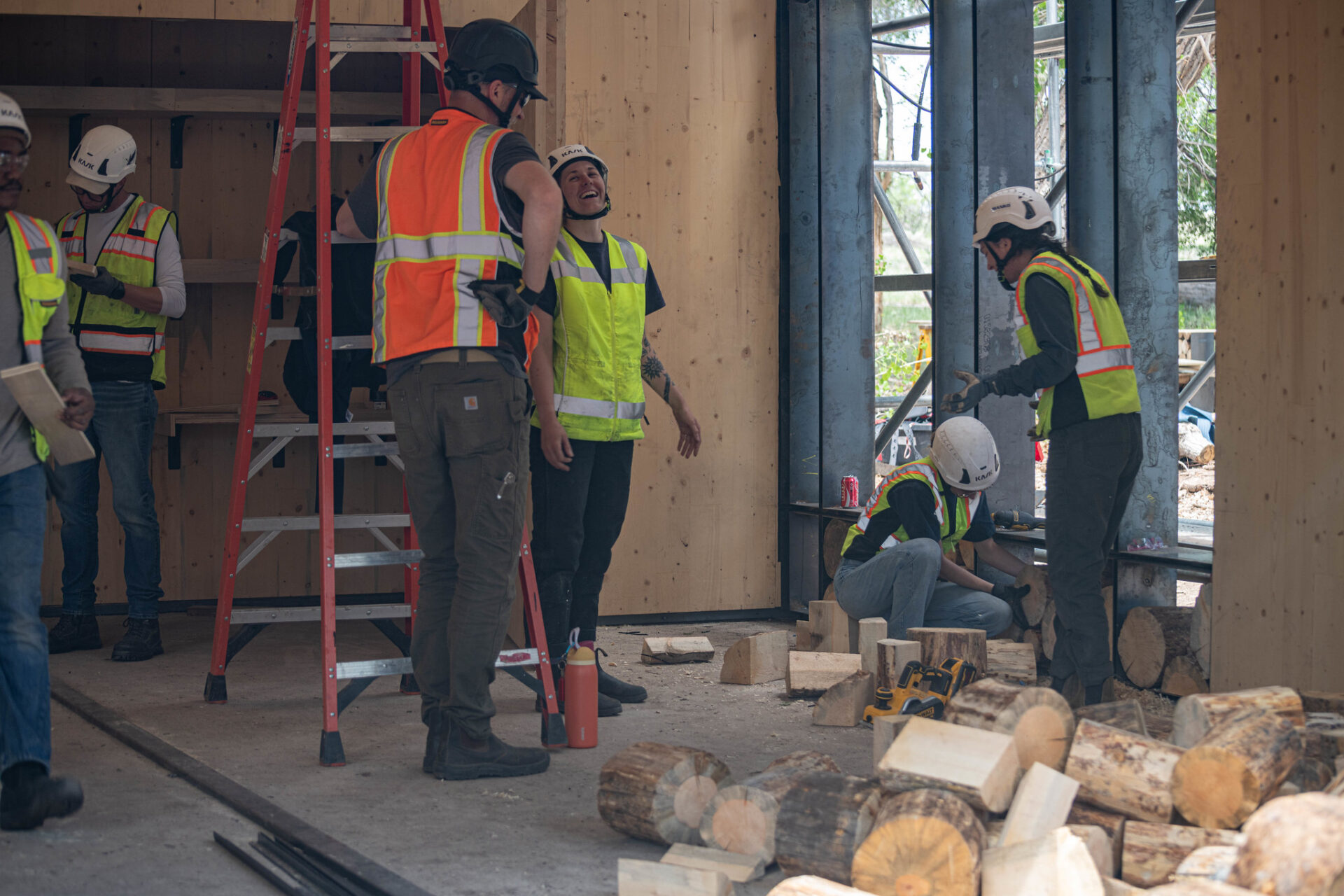
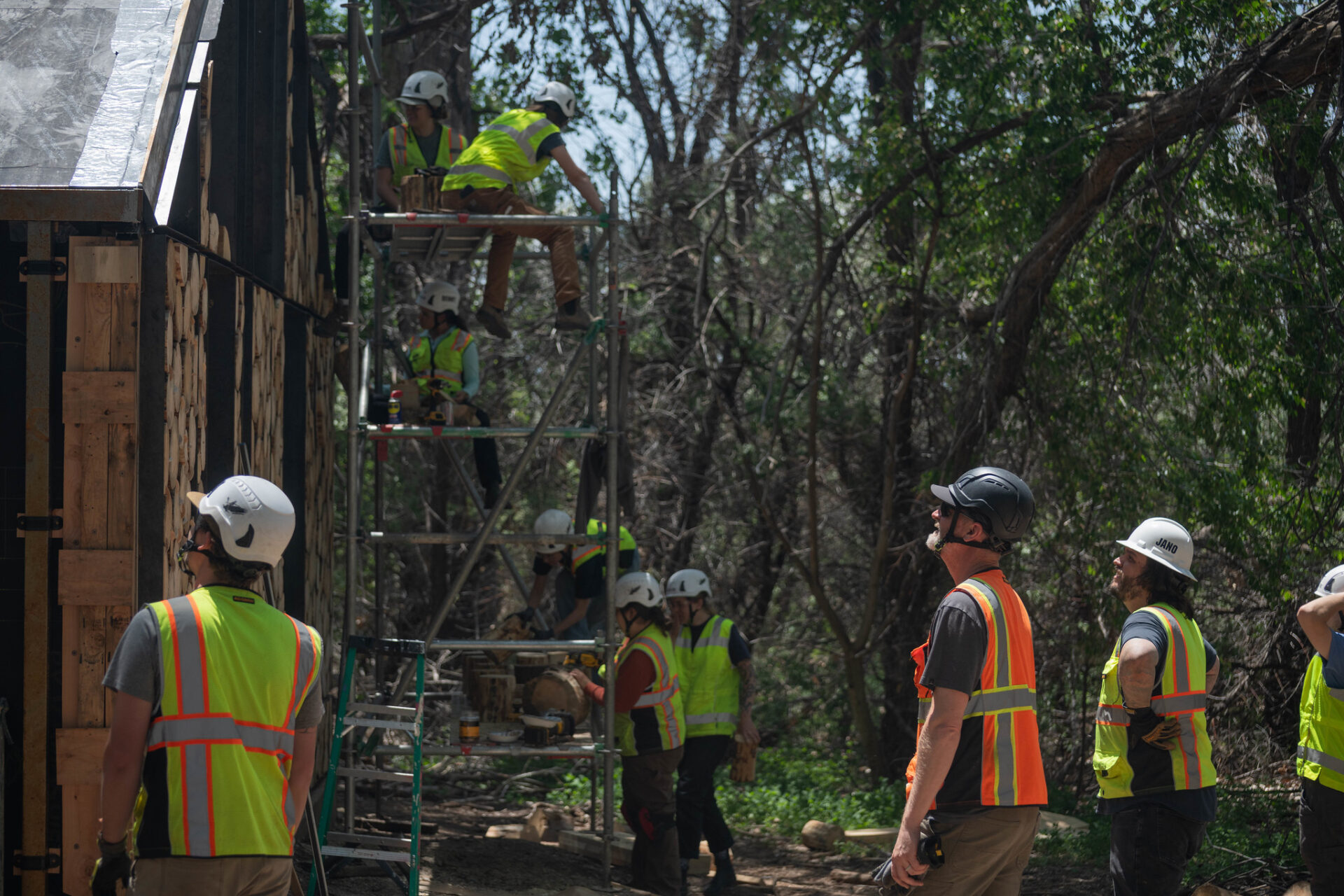
This year, the decision was unanimous. The committee is proud to recognize Rick Sommerfeld, Director of the Colorado Building Workshop and Chair of the Graduate Program at the University of Colorado Denver, for his extraordinary contributions to architectural education and practice. Whether or not one has worked with him directly as an educator, his influence is widely felt. Rick has profoundly shaped the education and careers of countless architects—both in the studio and through the Colorado Building Workshop, CU Denver’s renowned design-build program.
Under his leadership, Colorado Building Workshop has become a nationally and internationally recognized program, with projects spanning from Denver to Antarctica. Nearly everyone in our community can point to a project designed and built by his students. As one nomination so
eloquently stated: “Rick Sommerfeld is an educator whose impact radiates far beyond the
classroom. His teaching doesn’t just prepare students for architecture; it
ignites within them the capacity to shape the field itself.”
Rick is admired by all who know him—as a mentor, a connector within the profession, a visionary in architectural discourse, and a lifelong teacher of design and of seeing the world through design. He embodies what it means to be an architect: thoughtful in design, grounded in community, and committed to pushing boundaries of what is possible.
For inspiring students, for believing in them, and for shaping the future of our profession, we extend our deepest gratitude. On behalf of the Awards Committee, it is a privilege to present Rick Sommerfeld with the Educator of the Year Award. Congratulations!
The annual AIA Colorado Awards honor the outstanding work of members and their firms, reinforce the value of great architecture, and highlight member contributions to positive change.